

化学学报 ›› 2026, Vol. 84 ›› Issue (3): 385-408.DOI: 10.6023/A25120413 上一篇 下一篇
综述
廖文权a, 丁秋平a,*( ), 张俊b,*(), 吴劼b,c,*()
投稿日期:2025-12-23
发布日期:2026-01-26
作者简介: |
廖文权, 男, 江西师范大学化学与材料学院2024级研究生, 研究方向为: 金属催化的自由基反应. |
 |
丁秋平, 教授、博士生导师. 于2009年6月获得复旦大学博士学位, 之后分别曾在中科院理化所以及美国斯克利普斯研究所从事博士后、访问学者工作.任职于江西师范大学化学与材料学院, 研究方向为: 基于绿色合成方法(多组分串联法、碳氢键活化法)合成具有潜在生物活性的功能有机小分子. 目前, 在J. Am. Chem. Soc.; Chem. Soc. Rev.; ACS Catal.; Green Chem.; Org. Lett.; Green Synth. Catal.; Chem. Commun.; J. Org. Chem.等国际核心期刊发表SCI论文130余篇, 授权专利10项. |
 |
张俊, 副教授, 本科毕业于河南大学; 博士毕业于复旦大学(导师: 吴劼 教授); 2021年7月入职台州学院高等研究院, 主要从事自由基反应研究. |
 |
吴劼, 教授、博士生导师. 于2000年6月获得中科院上海有机化学研究所博士学位, 之后分别先后在哈佛大学、洛克菲勒大学艾伦·戴蒙德艾滋病研究中心、VivoQuest, Inc. (纽约)从事博士后、访问学者、研究员工作. 2004年回国进入复旦大学化学系担任副教授, 2006年晋升为教授, 博士生导师. 2019年加入台州学院医药化工学院, 主要从事有机合成、药物化学及相关研究工作. 独立工作以来已在Nat. Commun.; J. Am. Chem. Soc.; Angew. Chem. Int. Ed.; Chem. Soc. Rev.等国际核心期刊发表SCI论文400余篇, 参与编写专著四本, 独立撰写专著一本, 获得美国发明专利2项, 中国发明专利30余项. |
基金资助:
Liao Wenquana, Ding Qiupinga,*(), Zhang Junb,*(), Wu Jieb,c,*()
Received:2025-12-23
Published:2026-01-26
Contact:
*E-mail: dingqiuping@jxnu.edu.cn;
jun_zhang@tzc.edu.cn;
jie_wu@fudan.edu.cn
Supported by:文章分享
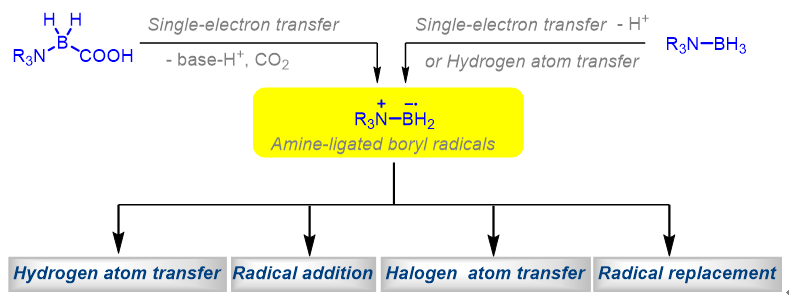
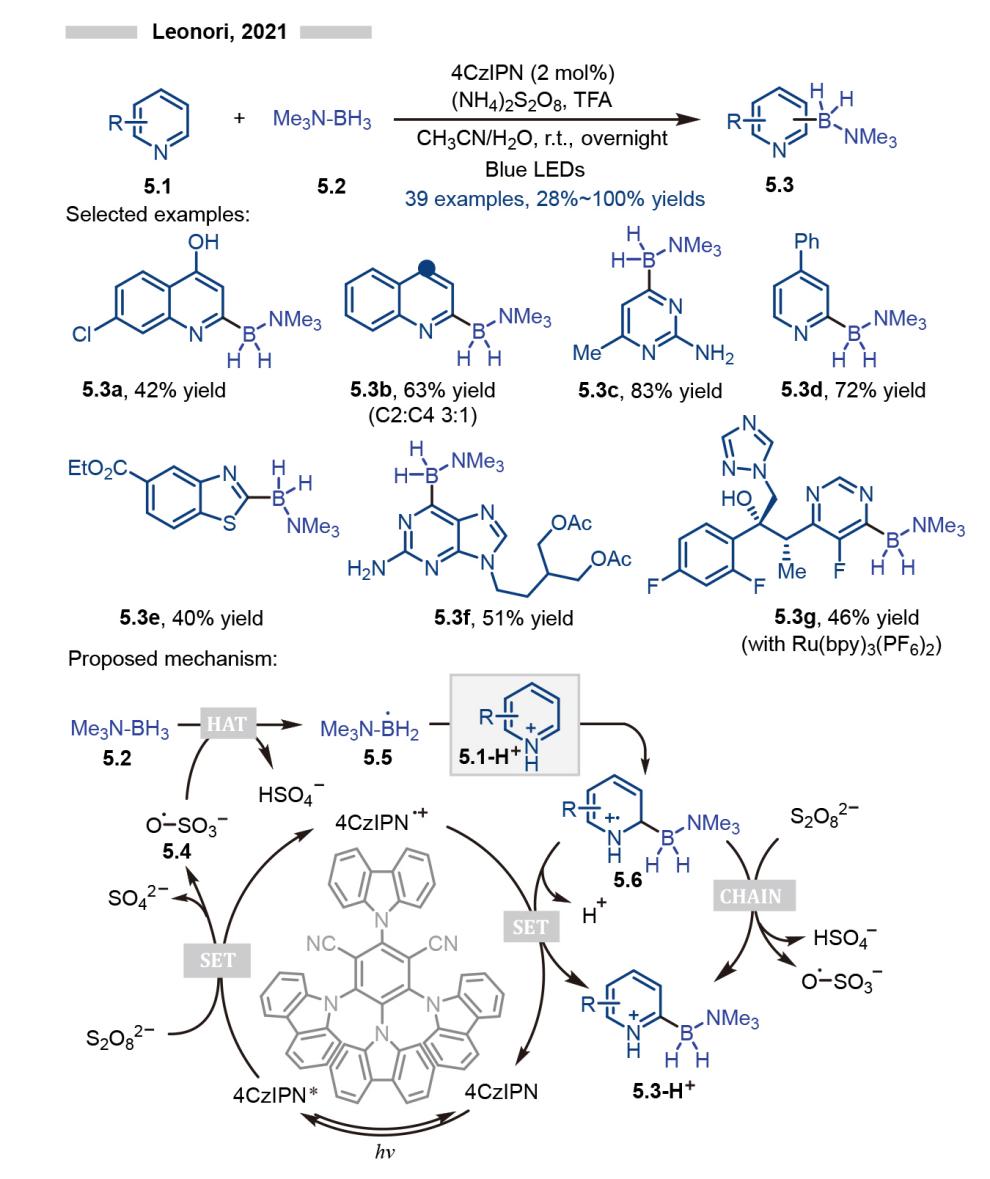
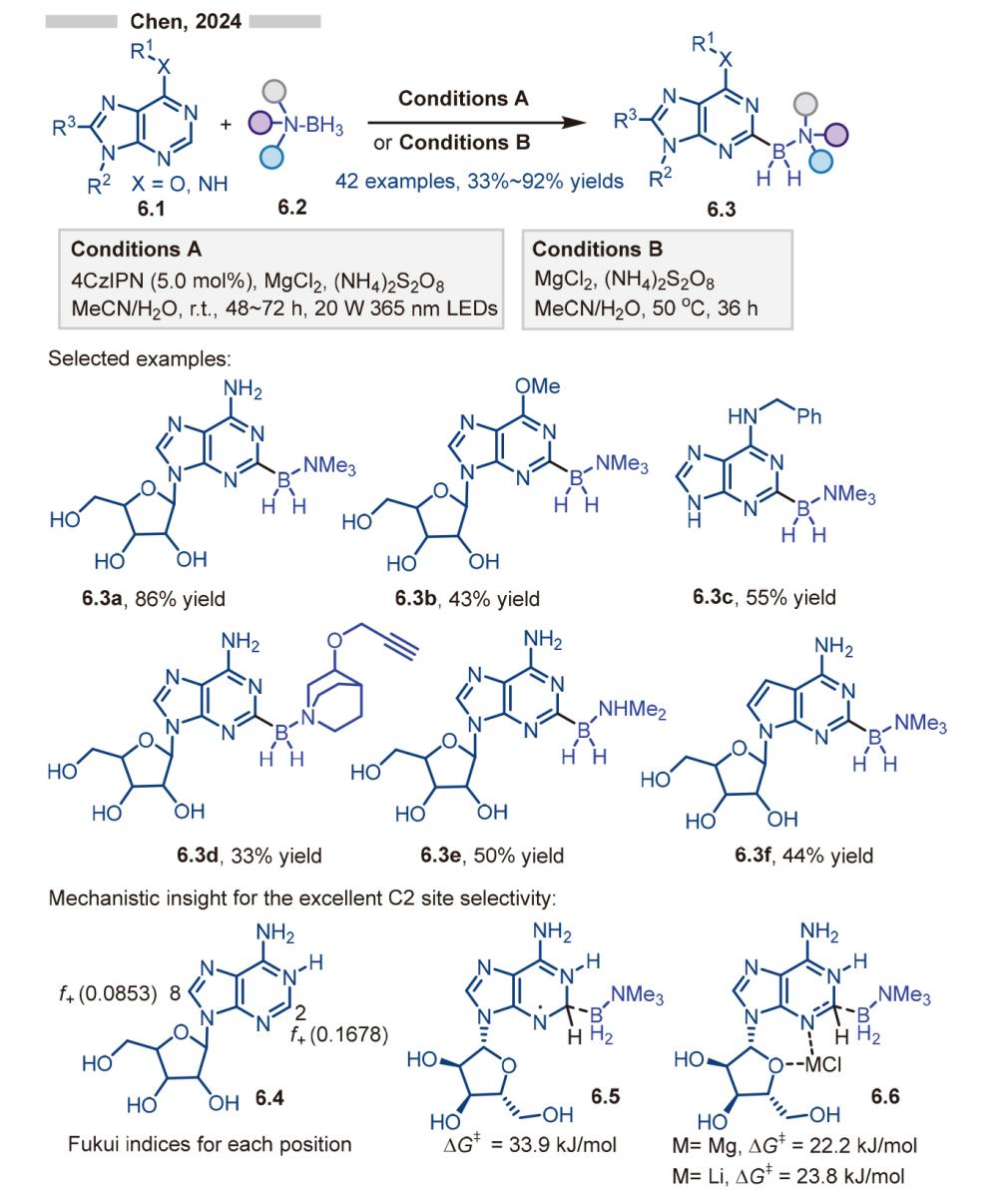
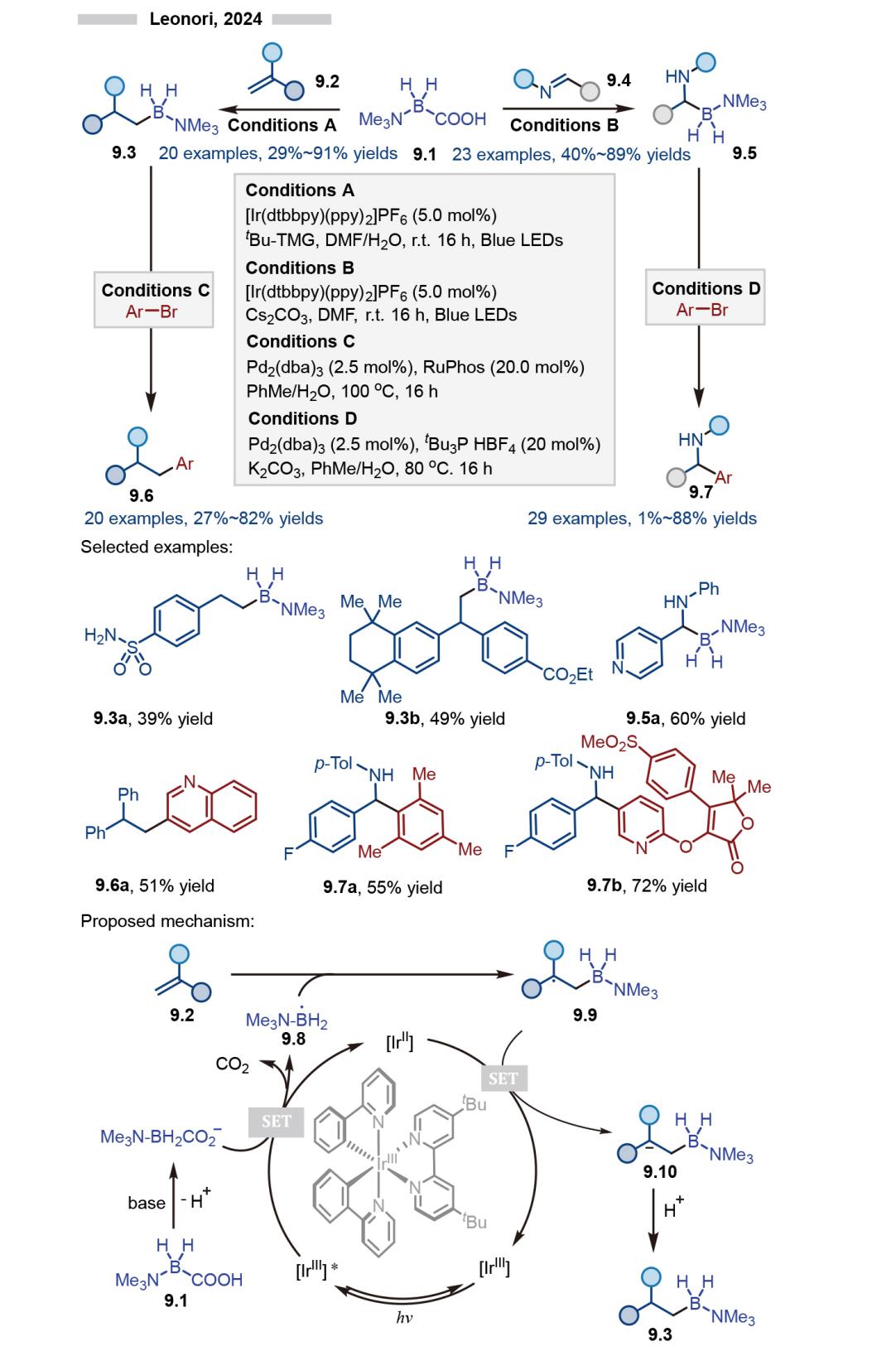
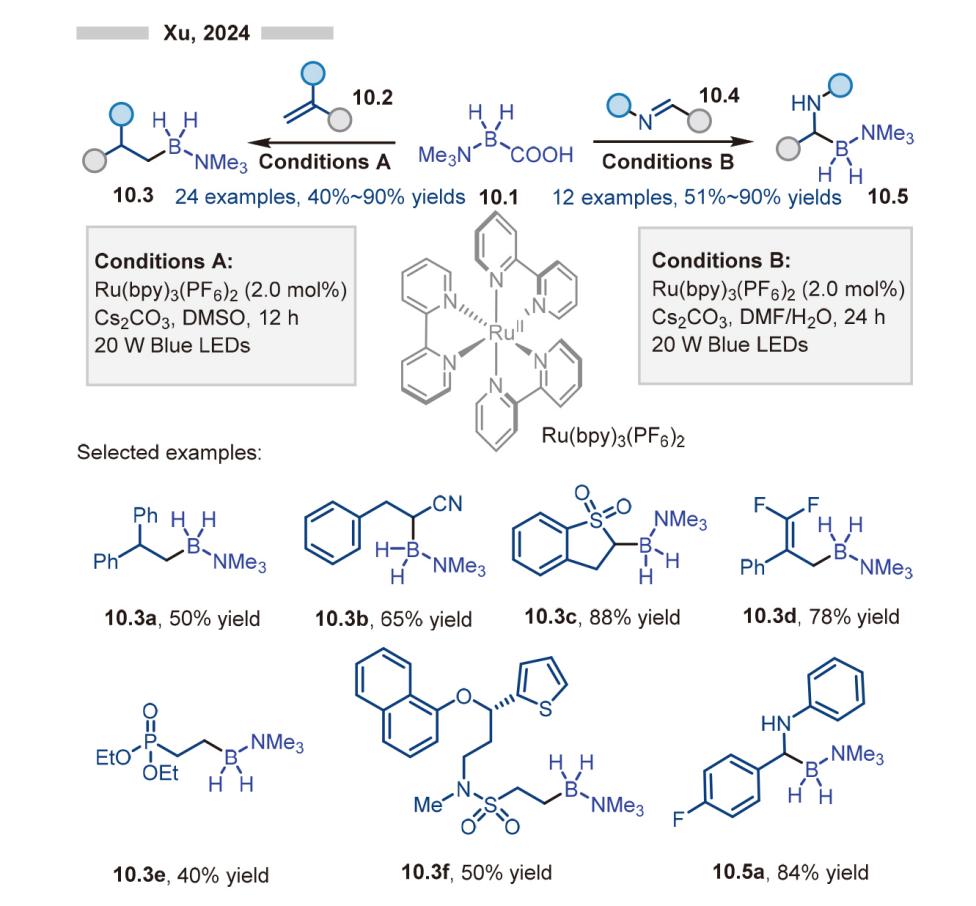
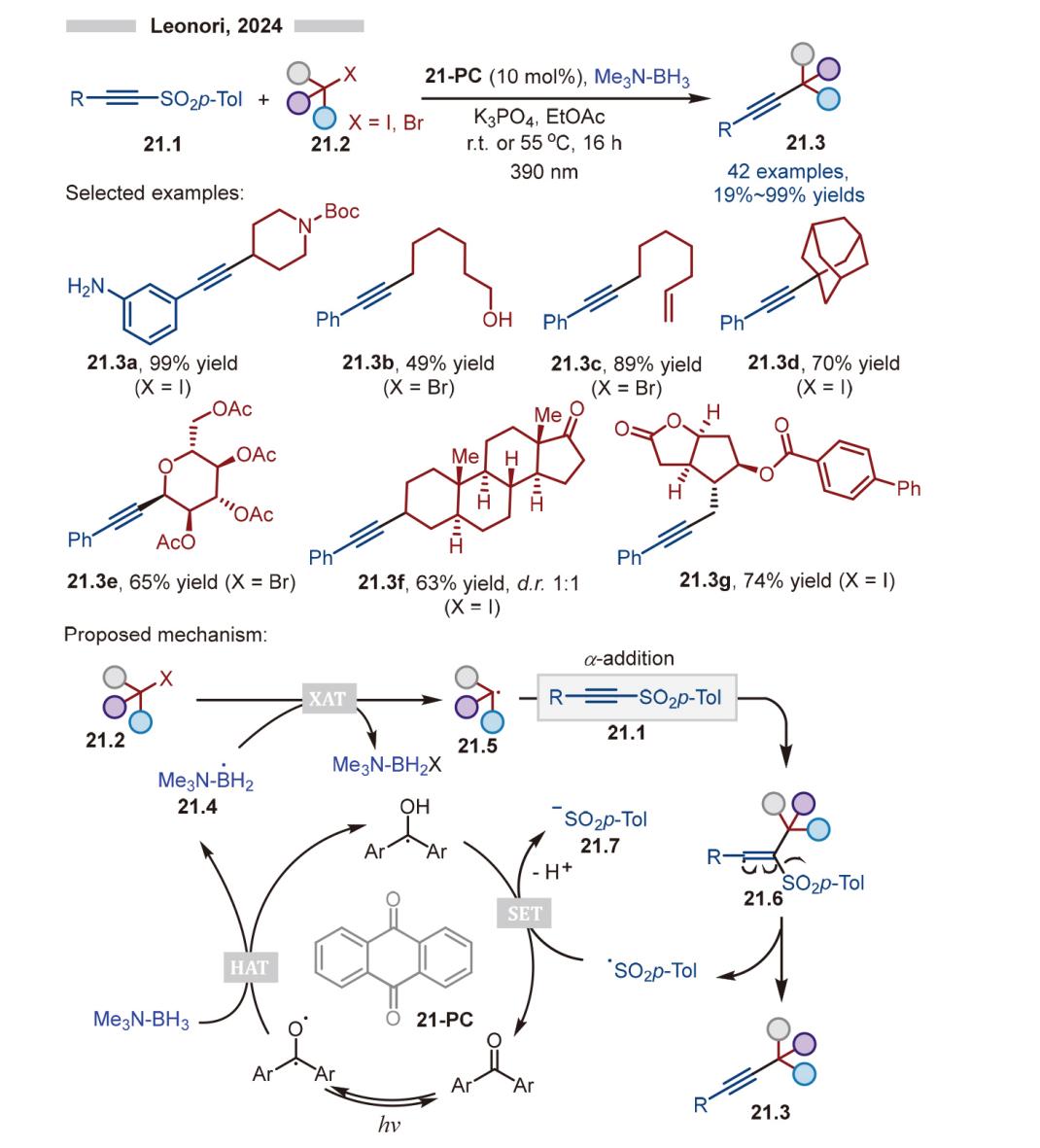
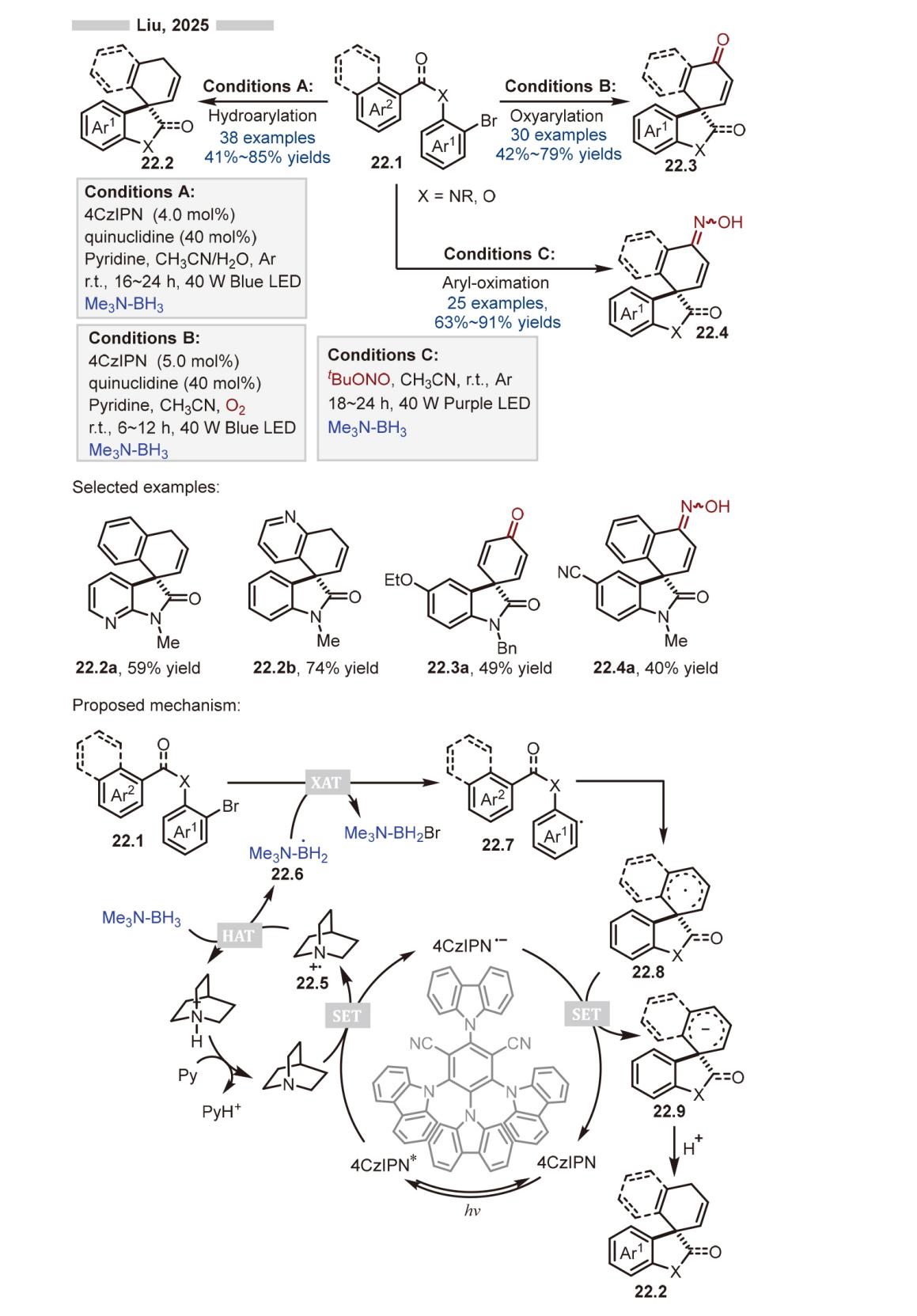
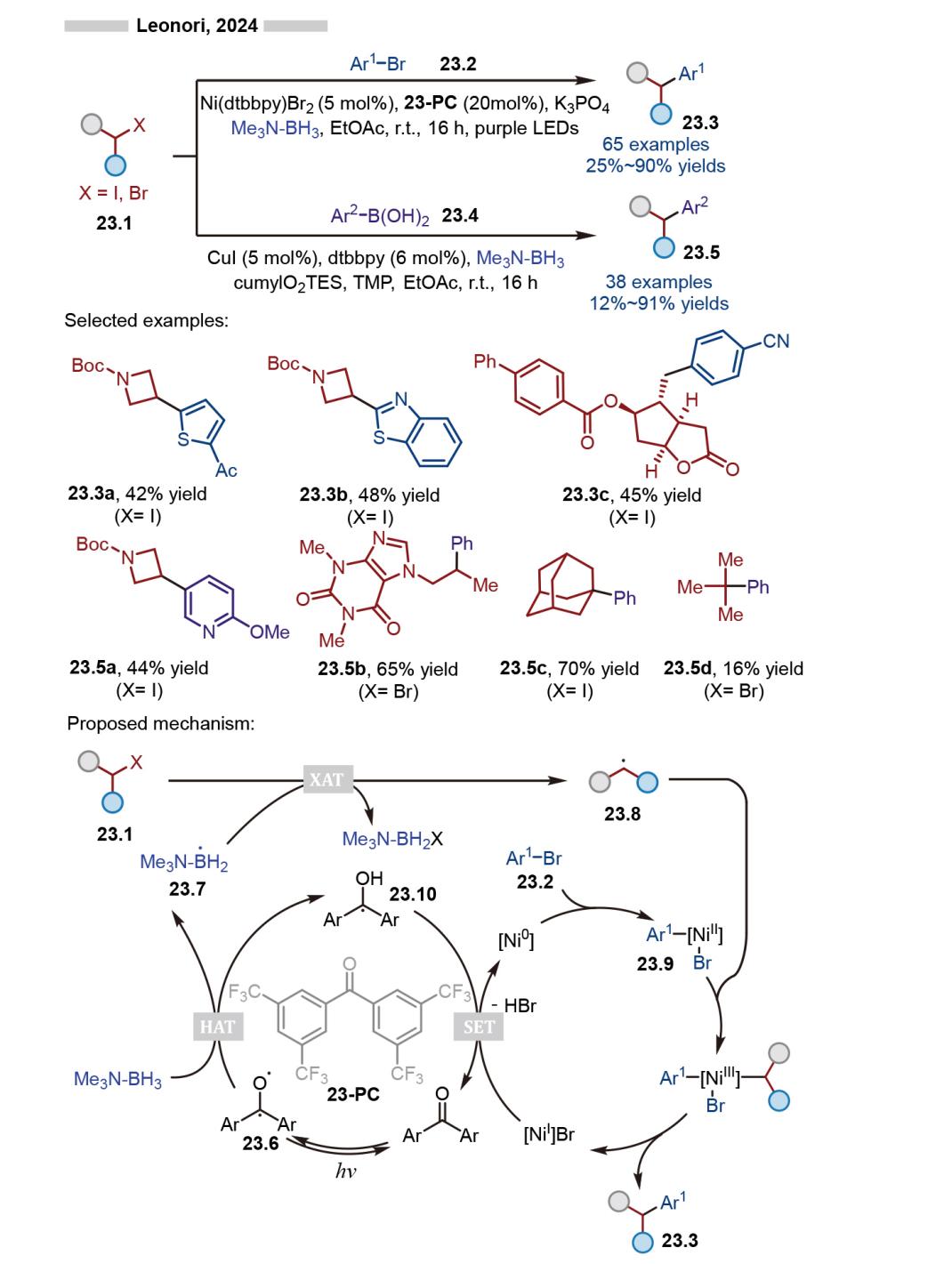
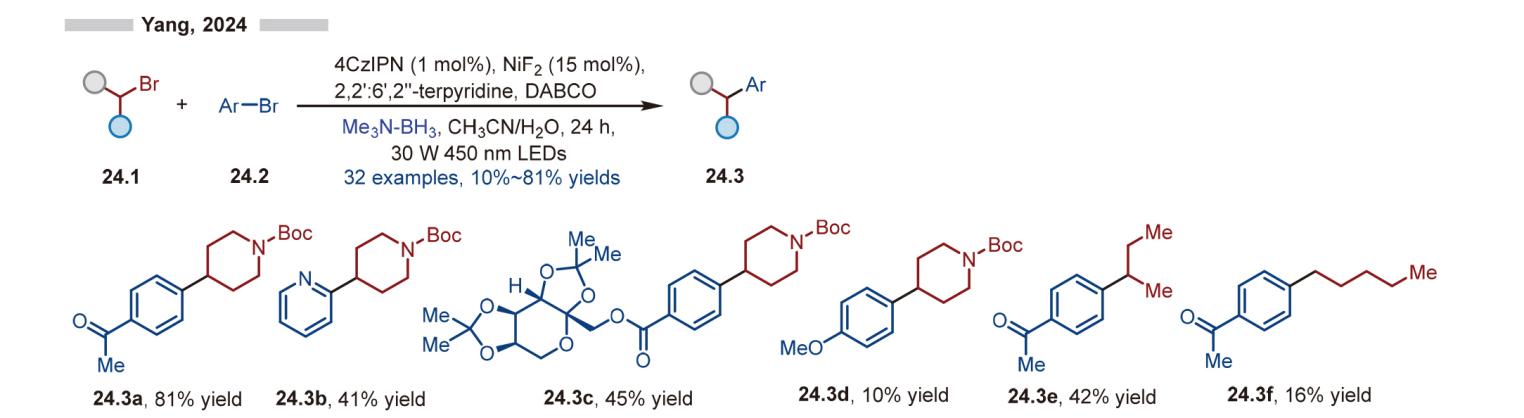
根据电子结构特征, 硼自由基主要分为中性硼自由基与路易斯碱配位的硼自由基两类. 后者通过配位策略显著提高了硼自由基的稳定性与可控性, 是当前有机硼化学领域的研究热点. 其中, 胺配位的物种电子结构独特: 自旋密度主要定域于硼, 亲核性突出, 在合成转化中具有独特的应用潜力. 然而, 胺-硼烷自由基在早期因产生方法有限, 其应用受到了很大限制. 近五年, 得益于自由基化学的快速发展, 胺-硼烷自由基的产生方式和应用取得重要突破. 本文聚焦于胺-硼烷自由基, 内容分为四个部分, 依次介绍其参与的: (1)氢原子转移反应; (2)自由基加成反应; (3)卤原子转移反应; (4)自由基取代反应. 最后, 本文对该方向的未来发展前景进行了简要展望.
廖文权, 丁秋平, 张俊, 吴劼. 胺-硼烷自由基的产生及其在有机合成中的应用[J]. 化学学报, 2026, 84(3): 385-408.
Liao Wenquan, Ding Qiuping, Zhang Jun, Wu Jie. Amine-Ligated Boryl Radicals: Generation and Synthetic Applications[J]. Acta Chimica Sinica, 2026, 84(3): 385-408.
| [1] |
(a)
doi: 10.1021/acs.chemrev.0c00278 |
|
(b)
doi: 10.1021/acs.accounts.9b00381 |
|
|
(c)
doi: 10.6023/cjoc202210013 |
|
|
(姜松, 南宁, 何景昊, 郭嘉程, 秦景灏, 谢叶香, 欧阳旋慧, 宋仁杰, 有机化学, 2022, 42, 3959).
doi: 10.6023/cjoc202210013 |
|
| [2] |
(a)
doi: 10.1021/acs.accounts.0c00090 pmid: 27116936 |
|
(b)
doi: 10.1039/c5cs00852b pmid: 27116936 |
|
|
(c)
doi: 10.6023/A17080384 pmid: 27116936 |
|
|
(宋颢, 刘小宇, 秦勇, 化学学报, 2017, 75, 1137).
doi: 10.6023/A17080384 pmid: 27116936 |
|
| [3] |
(a)
doi: 10.1021/acs.chemrev.1c00256 |
|
(b)
|
|
|
(朱彦硕, 王红言, 舒朋华, 张克娜, 王琪琳, 有机化学, 2024, 44, 1).
doi: 10.6023/cjoc202307028 |
|
|
(c)
doi: 10.1002/cjoc.v41.3 |
|
| [4] |
(a)
doi: 10.1039/d4cs01312c pmid: 40498470 |
|
(b)
doi: 10.1039/D2QO01403C pmid: 40498470 |
|
|
(c)
doi: 10.6023/cjoc202407012 pmid: 40498470 |
|
|
(赵佳, 甘秋云, 袁耀锋, 有机化学, 2025, 45, 1206).
doi: 10.6023/cjoc202407012 pmid: 40498470 |
|
| [5] |
(a)
doi: 10.1021/jacs.1c12463 |
|
(b)
doi: 10.1021/jacsau.5c00154 |
|
|
(c)
doi: 10.1021/jacs.5c09280 |
|
|
(d)
|
|
|
(e)
doi: 10.1039/D4SC08085H |
|
| [6] |
(a)
doi: 10.1039/C9SC03765A |
|
(b)
doi: 10.1002/anie.v55.20 |
|
|
(c)
doi: 10.1021/jacs.2c03673 |
|
|
(d)
|
|
|
(e)
doi: 10.1021/jacs.2c13740 |
|
|
(f)
doi: 10.1021/acscatal.3c00305 |
|
|
(g)
doi: 10.1021/acs.orglett.4c02565 |
|
|
(h)
doi: 10.1007/s11426-025-2886-2 |
|
|
(i)
|
|
|
(j)
doi: 10.1002/cjoc.v42.24 |
|
|
(k)
doi: 10.1002/cjoc.v43.1 |
|
|
(l)
doi: 10.6023/A20070294 |
|
|
(刘谦益, 张雷, 莫凡洋, 化学学报, 2020, 78, 1297).
doi: 10.6023/A20070294 |
|
| [7] |
(a)
doi: 10.1002/anie.200805362 pmid: 19173269 |
|
(b)
doi: 10.1021/ja904103x pmid: 19173269 |
|
|
(c)
doi: 10.6023/cjoc202212030 pmid: 19173269 |
|
| [8] |
(a)
doi: 10.1021/acs.accounts.2c00752 pmid: 34250526 |
|
(b)
doi: 10.6023/cjoc202005017 pmid: 34250526 |
|
|
(靳继康, 夏慧敏, 张凤莲, 汪义丰, 有机化学, 2020, 40, 2185)
doi: 10.6023/cjoc202005017 pmid: 34250526 |
|
|
(c)
doi: 10.1021/acs.chemrev.0c01236 pmid: 34250526 |
|
|
(d)
doi: 10.1039/d1cs00385b pmid: 34250526 |
|
| [9] |
(a)
|
|
(b)
|
|
| [10] |
(a)
doi: 10.1039/a804291h |
|
(b)
|
|
|
(c)
|
|
|
(d)
|
|
|
(e)
|
|
|
(f)
doi: 10.1016/j.tetlet.2004.03.165 |
|
| [11] |
doi: 10.1021/jacs.1c05852 |
| [12] |
doi: 10.1002/cjoc.v42.24 |
| [13] |
doi: 10.1038/s41586-021-03637-6 |
| [14] |
doi: 10.1021/jacs.4c03865 |
| [15] |
doi: 10.1039/D5GC03231H |
| [16] |
doi: 10.1021/acscatal.4c00401 |
| [17] |
doi: 10.1021/jacs.4c07767 |
| [18] |
doi: 10.1021/acs.orglett.4c03443 |
| [19] |
doi: 10.1055/a-2501-3442 |
| [20] |
doi: 10.1055/a-2464-8904 |
| [21] |
|
| [22] |
(a)
doi: 10.1002/anie.v59.10 pmid: 20104896 |
|
(b)
doi: 10.1021/acs.orglett.0c00020 pmid: 20104896 |
|
|
(c)
doi: 10.1039/D4QO00058G pmid: 20104896 |
|
|
(d)
doi: 10.1021/acs.orglett.0c00481 pmid: 20104896 |
|
|
(e)
doi: 10.1021/ja909502q pmid: 20104896 |
|
| [23] |
doi: 10.1021/acs.orglett.4c04701 |
| [24] |
(a)
doi: 10.1055/s-1991-20644 pmid: 26050710 |
|
(b)
doi: 10.1021/jacs.5b04677 pmid: 26050710 |
|
| [25] |
doi: 10.1021/acs.orglett.5c02217 |
| [26] |
doi: 10.1021/jacs.2c05356 |
| [27] |
doi: 10.1039/D3SC03951J |
| [28] |
doi: 10.1021/acs.orglett.4c00314 |
| [29] |
doi: 10.1021/acs.orglett.5c04439 |
| [30] |
(a)
doi: 10.1055/a-2427-9313 |
|
(b)
doi: 10.1039/D4QO02325K |
|
| [31] |
doi: 10.1039/D4SC06516F |
| [32] |
doi: 10.1021/acscatal.4c06628 |
| [33] |
doi: 10.1038/s44160-024-00587-5 |
| [34] |
doi: 10.1021/acs.joc.4c01605 |
| [35] |
doi: 10.1021/jacs.4c05487 |
| [36] |
doi: 10.1021/jacs.4c10915 |
| [1] | 靳继康, 张凤莲, 汪义丰. 路易斯碱-硼自由基促进的邻苯二甲酰亚胺类羧酸酯的Giese反应和Barton脱羧反应研究[J]. 化学学报, 2019, 77(9): 889-894. |
| 阅读次数 | ||||||
|
全文 |
|
|||||
|
摘要 |
|
|||||
