1 引言
2 结果与讨论
2.1 催化性能探究
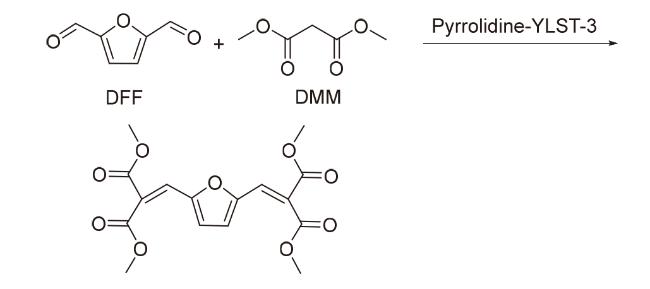
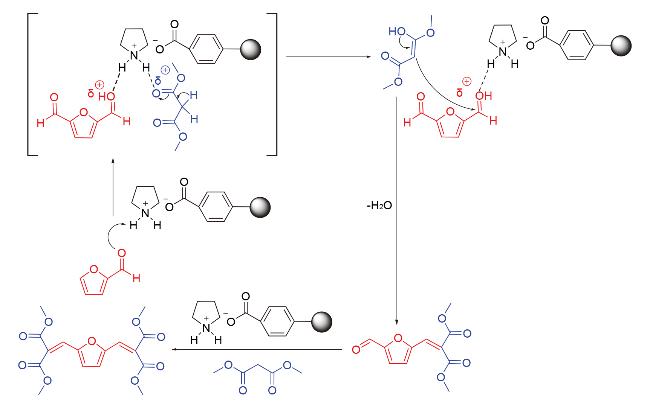
图式1 DFF和DMM的Knoevenagel缩合反应Scheme 1 The Knoevenagel condensation reaction of DFF and DMM |
表1 不同负载型离子液体催化剂催化DFF和DMM的Knoevenagel缩合反应aTable 1 The Knoevenagel condensation reaction of DFF and DMM catalyzed by different supported ionic liquid catalysts |
| Entry | Catalyst | Conversion/% | Yield/% | Selectivity/% |
|---|---|---|---|---|
| 1 | Pyrrolidine-YLST-3 | 100 | 79.1 | 79.1 |
| 2 | Pyrrolidine-D113 | 100 | 63.8 | 63.8 |
| 3 | Ethanolamine-YLST-3 | 97.0 | 60.0 | 61.5 |
| 4 | Ethanolamine-D113 | 99.2 | 73.4 | 74.0 |
| 5 | Diethanolamine-YLST-3 | 11.6 | 0 | 0 |
| 6 | Diethanolamine-D113 | 9.9 | 0 | 0 |
| 7b | Pyrrolidine-YLST-3 | 92.7 | 68.9 | 74.4 |
| 8b | Ethanolamine-D113 | 98.7 | 58.8 | 59.5 |
| 9 | YLST-3 | 18.2 | 0 | 0 |
| 10 | Pyrrolidine | 100 | 19.4 | 19.4 |
a Reaction conditions: DFF: 1 mmol, DMM: 3 mmol, catalyst 6% (w), Acetonitrile 0.5 g, T=70 ℃, t=180 min; b Reaction conditions: t=60 min. |
2.2 催化剂的表征
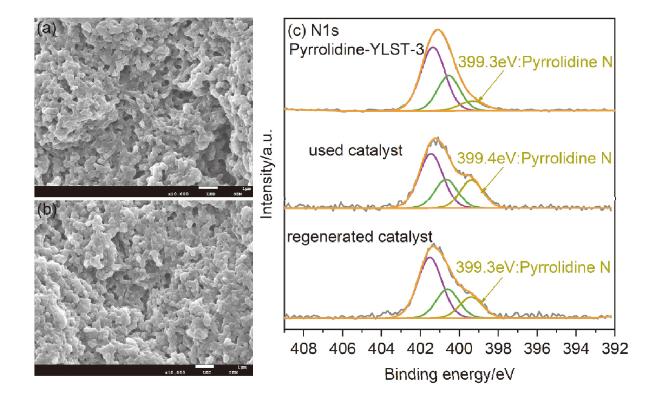
2.2.1 扫描电子显微镜(SEM)和透射电子显微镜(TEM)
2.2.2 元素分析
表2 元素分析Table 2 Element analysis |
| Entry | Catalyst | Elemental content/% | ||||
|---|---|---|---|---|---|---|
| N | C | H | O | |||
| 1 | YLST-3 | 1.0 | 51.3 | 6.3 | 41.4 | |
| 2 | Pyrrolidine-YLST-3 | 7.0 | 54.6 | 8.4 | 30.0 | |
2.2.3 核磁共振(NMR)
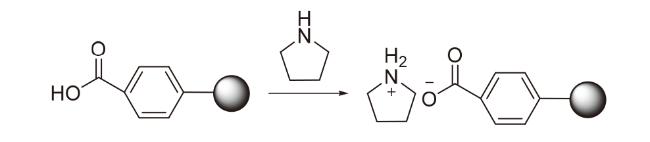
2.2.4 红外光谱分析(FTIR)
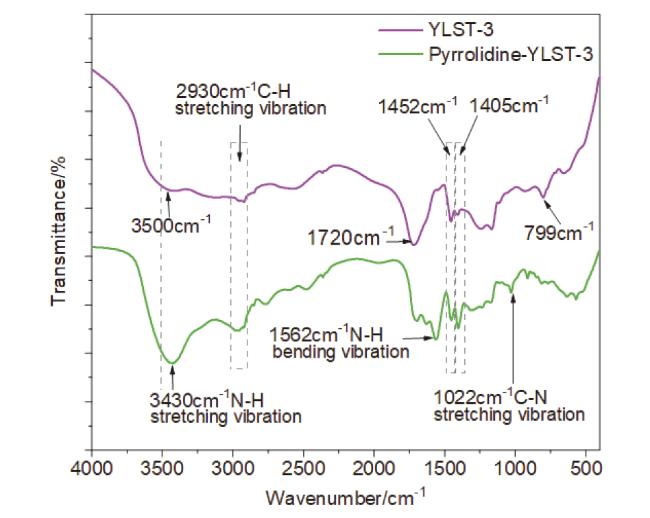
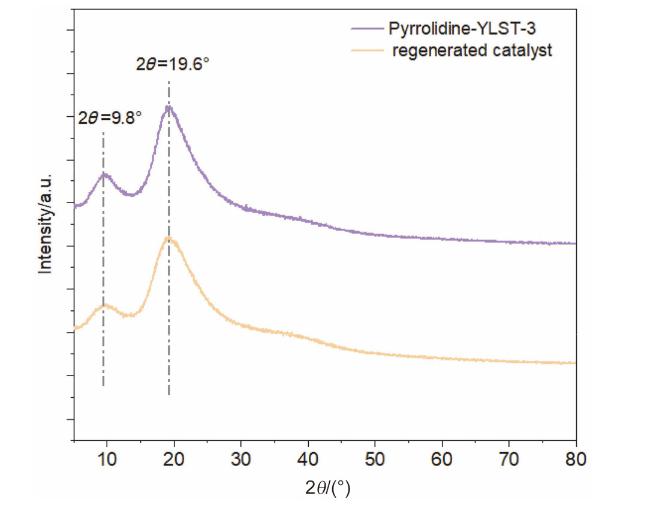
2.2.5 X射线衍射(XRD)
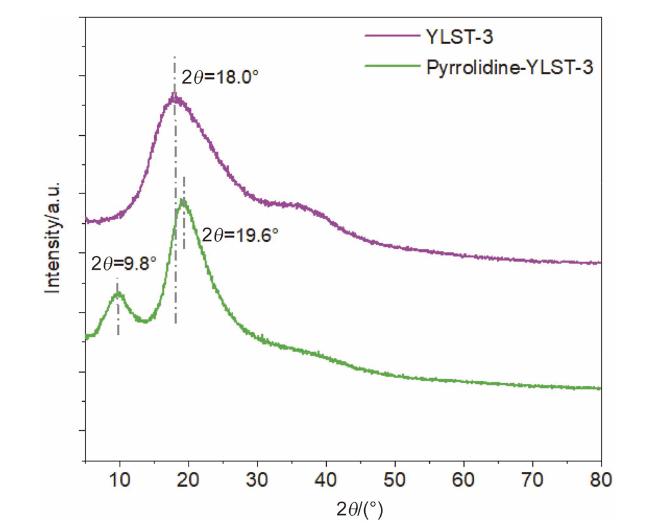
2.2.6 X射线光电子能谱(XPS)
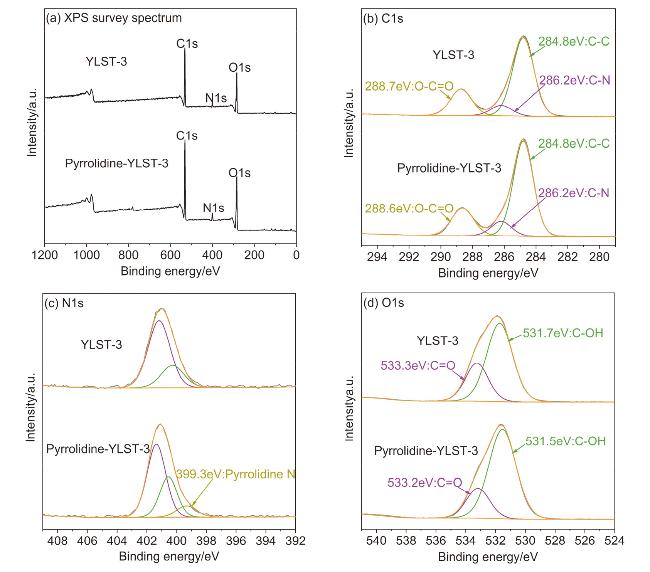
图4 (a) YLST-3和Pyrrolidine-YLST-3的XPS全谱, (b) YLST-3和Pyrrolidine-YLST-3的C1s光谱, (c) YLST-3和Pyrrolidine-YLST-3的N1s光谱, 和(d) YLST-3和Pyrrolidine-YLST-3的O1s光谱Figure 4 (a) XPS survey spectrum of YLST-3 and Pyrrolidine-YLST-3, (b) C1s spectra of YLST-3 and Pyrrolidine-YLST-3, (c) N1s spectra of YLST-3 and Pyrrolidine-YLST-3, and (d) O1s spectra of YLST-3 and Pyrrolidine-YLST-3 |
2.2.7 热重-质谱联用分析(TG-MS)
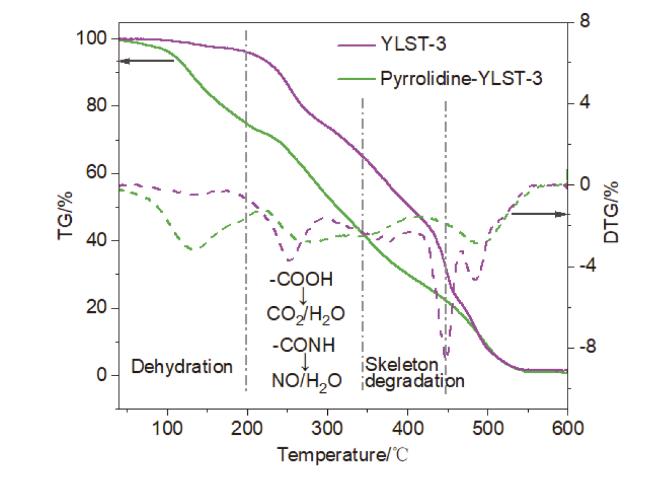
2.3 反应条件优化
表3 溶剂对DFF和DMM的Knoevenagel缩合反应的影响aTable 3 The influence of solvent on the Knoevenagel condensation reaction of DFF and DMM |
| Entry | Solvent | Conversion/% | Yield/% | Selectivity/% |
|---|---|---|---|---|
| 1 | ethyl acetate | 100 | 89.9 | 89.9 |
| 2 | tetrahydrofuran | 99.3 | 81.1 | 81.7 |
| 3 | dichloromethane | 100 | 82.3 | 82.3 |
| 4 | chloroform | 100 | 61.9 | 61.9 |
| 5 | acetonitrile | 100 | 79.1 | 79.1 |
| 6 | methanol | 100 | 44.8 | 44.8 |
| 7 | ethanol | 100 | 54.5 | 54.5 |
| 8 | isopropanol | 100 | 54.8 | 54.8 |
| 9 | DMSO | 100 | 6.8 | 6.80 |
| 10 | DMF | 100 | 17.5 | 17.5 |
a Reaction conditions: DFF: 1 mmol, DMM: 3 mmol, catalyst 6% (w), solvent 0.5 g, T=70 ℃, t=180 min. |
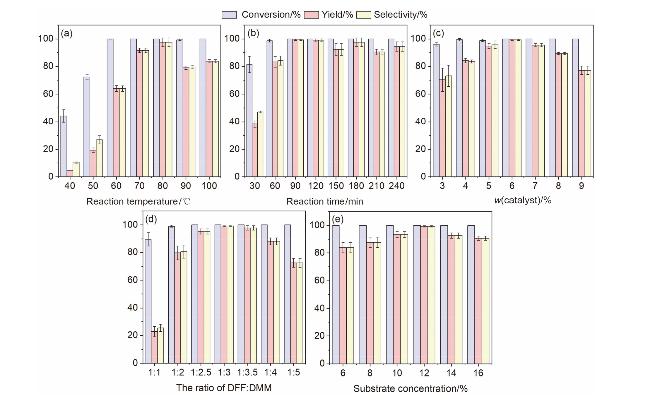
图6 反应条件对DFF和DMM的缩合反应的影响Figure 6 The influence of reaction conditions on the condensation reaction of DFF and DMM Reaction condition: (a) DFF: 1 mmol, DMM: 3 mmol, catalyst 6% (w), ethyl acetate 0.5 g, t=180 min. (b) DFF: 1 mmol, DMM: 3 mmol, catalyst 6% (w), ethyl acetate 0.5 g, T=80 ℃. (c) DFF: 1 mmol, DMM: 3 mmol, ethyl acetate 0.5 g, T=80 ℃, t=90 min. (d) DFF: 1 mmol, catalyst 6% (w), ethyl acetate 0.5 g, T=80 ℃, t=90 min. (e) DFF: 1 mmol, DMM: 3 mmol, catalyst 6% (w), T=80 ℃, t=90 min. |
2.4 催化剂的循环稳定性探究
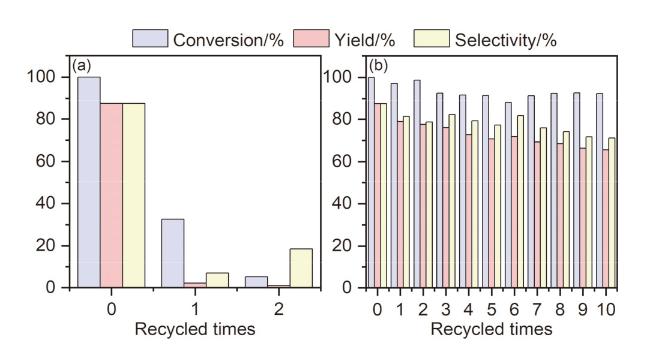
图7 (a)使用后催化剂的循环性能和(b)再生催化剂的循环性能Figure 7 (a) Recycling of used catalyst and (b) recycling of regenerated catalyst Reaction condition: DFF: 1 mmol, DMM: 3 mmol, catalyst 6% (w), Ethyl acetate 0.5 g, T=80 ℃, t=60 min. |
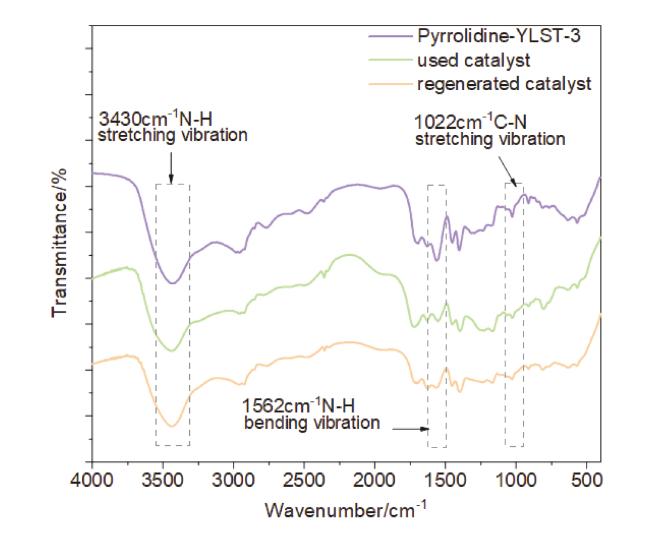
图8 新制备、使用后和再生后催化剂的红外光谱图Figure 8 FTIR spectra of fresh, used and regenerated catalysts |
表4 元素分析Table 4 Element analysis |
| Entry | Catalyst | Elemental content/% | ||||
|---|---|---|---|---|---|---|
| N | C | H | O | |||
| 1 | Pyrrolidine-YLST-3 | 7.0 | 54.6 | 8.4 | 30.0 | |
| 2 | used catalyst | 4.8 | 54.5 | 7.2 | 33.5 | |
| 3 | regenerated catalyst | 5.9 | 52.1 | 7.6 | 34.4 | |
2.5 底物拓展
表5 底物拓展aTable 5 Substrate expansion |

| Entry | Substrate 1 | Substrate 2 | Product | Temp./℃ | Time/min | Conversion/% | Yield/% | Selectivity/% |
|---|---|---|---|---|---|---|---|---|
| 1a | 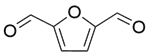 | 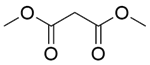 | 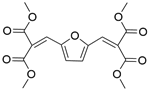 | 80 | 90 | 100 | 99.2 | 99.2 |
| 2a | 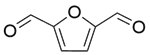 |  | 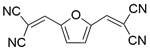 | 60 | 120 | 100 | 65.3 | 65.3 |
| 3a | 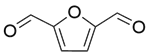 | 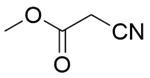 | 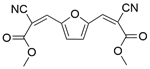 | 80 | 30 | 100 | 61.9 | 61.9 |
| 4a | 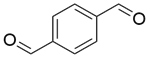 | 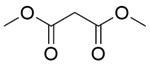 | 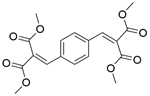 | 100 | 180 | 98.2 | 77.3 | 78.8 |
| 5b | 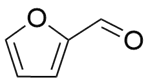 | 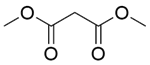 | 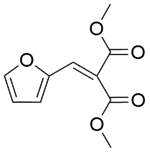 | 50 | 120 | 100 | 96.7 | 96.7 |
| 6b | 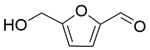 | 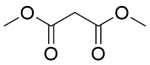 | 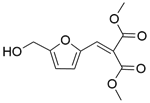 | 70 | 120 | 100 | 82.6 | 82.6 |
| 7b | 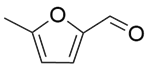 | 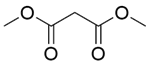 | 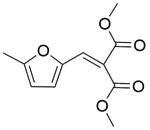 | 70 | 120 | 99.8 | 94.3 | 94.5 |
| 8b | 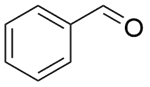 | 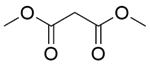 | 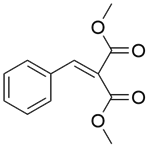 | 70 | 120 | 94.5 | 92.1 | 97.5 |
| 9c | 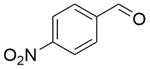 | 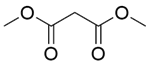 | 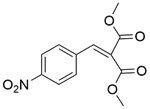 | 80 | 300 | 91.9 | 83.4 | 90.7 |
| 10b | 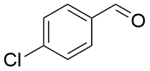 | 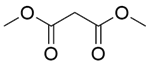 | 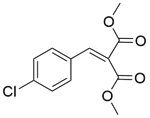 | 80 | 300 | 95.5 | 76.3 | 80.3 |
| 11b | 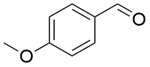 | 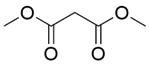 | 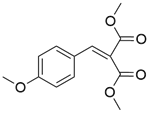 | 80 | 300 | 90.2 | 86.6 | 96.1 |
| 12c | 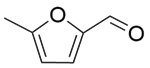 |  | 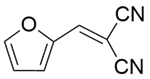 | 40 | 120 | 97.9 | 76.9 | 78.5 |
| 13b | 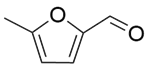 | 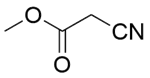 | 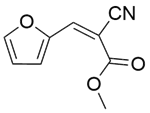 | 40 | 120 | 100 | 97.0 | 97.0 |
a Reaction conditions: Substrate1: 1 mmol, Substrate2: 3 mmol, catalyst 6% (w), ethyl acetate 0.5 g; b Reaction condition: Substrate1: 2 mmol, Substrate2: 3 mmol, catalyst 10% (w), solvent-free; c Reaction condition: Substrate 1: 2 mmol, Substrate 2: 3 mmol, catalyst 10% (w), acetonitrile 0.5 g. |