有机化学 ›› 2026, Vol. 46 ›› Issue (9): 3414-3430.DOI: 10.6023/cjoc202604051 上一篇 下一篇
综述与进展
高浩雨a, 武完瑾a, 吴莎莎a, 刘鑫宇a, 何昊远a, 席佳璐a, 李子欣a, 刘艳艳a, 韩冰a, 何曼曼a,*( ), Laurent Marona,c,d, 赵征b,*(), 刘立杰a,*()
收稿日期:2026-04-29
修回日期:2026-06-03
发布日期:2026-07-14
基金资助:
Haoyu Gaoa, Wanjin Wua, Shasha Wua, Xinyu Liua, Haoyuan Hea, Jialu Xia, Zixin Lia, Yanyan Liua, Bing Hana, Manman Hea,*(), Laurent Marona,c,d, Zheng Zhaob,*(), Lijie Liua,*()
Received:2026-04-29
Revised:2026-06-03
Published:2026-07-14
Contact:
About author:Dedicated to the 100th anniversary of the birth of Professor Xikui Jiang.
Supported by:文章分享
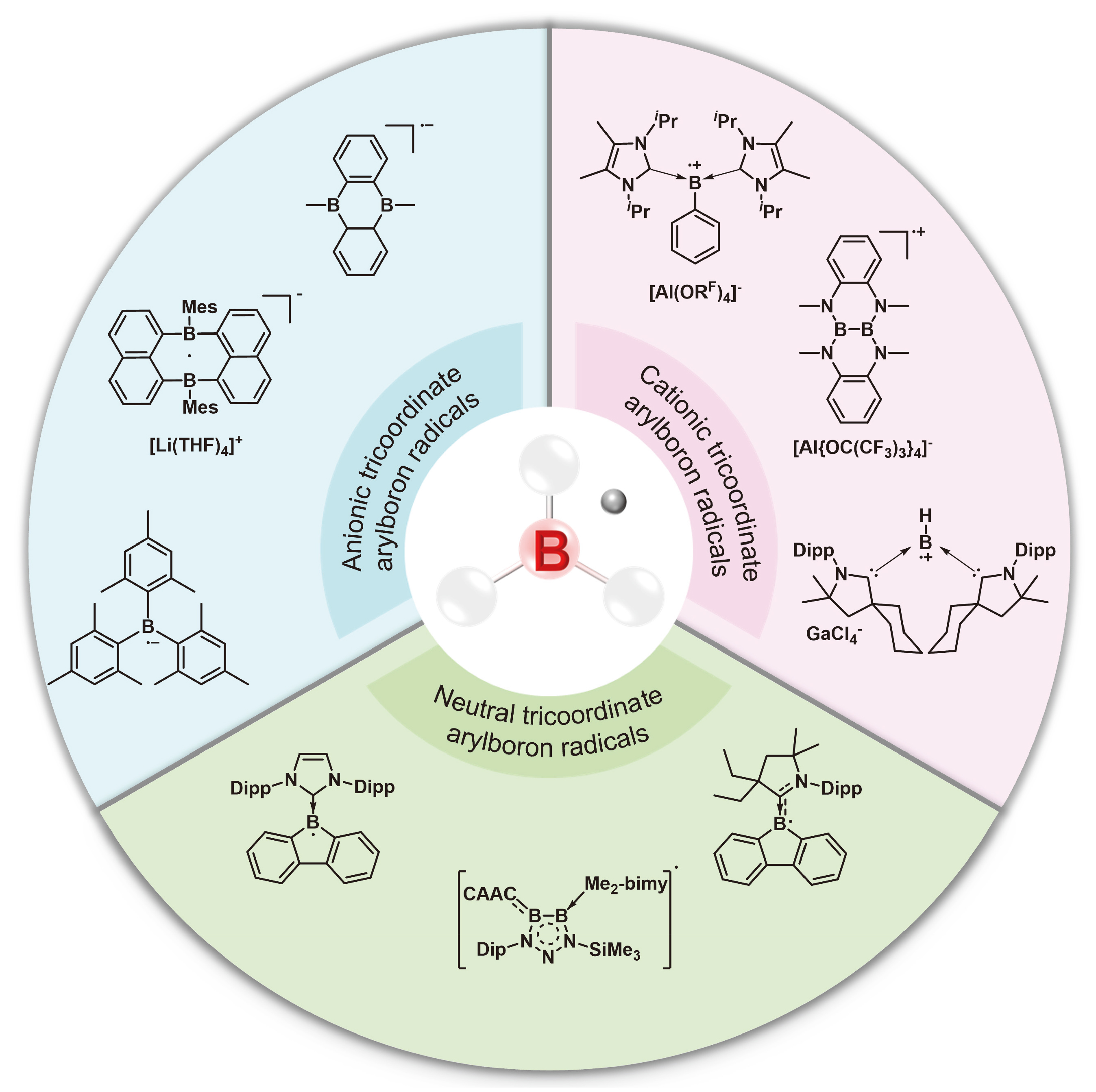
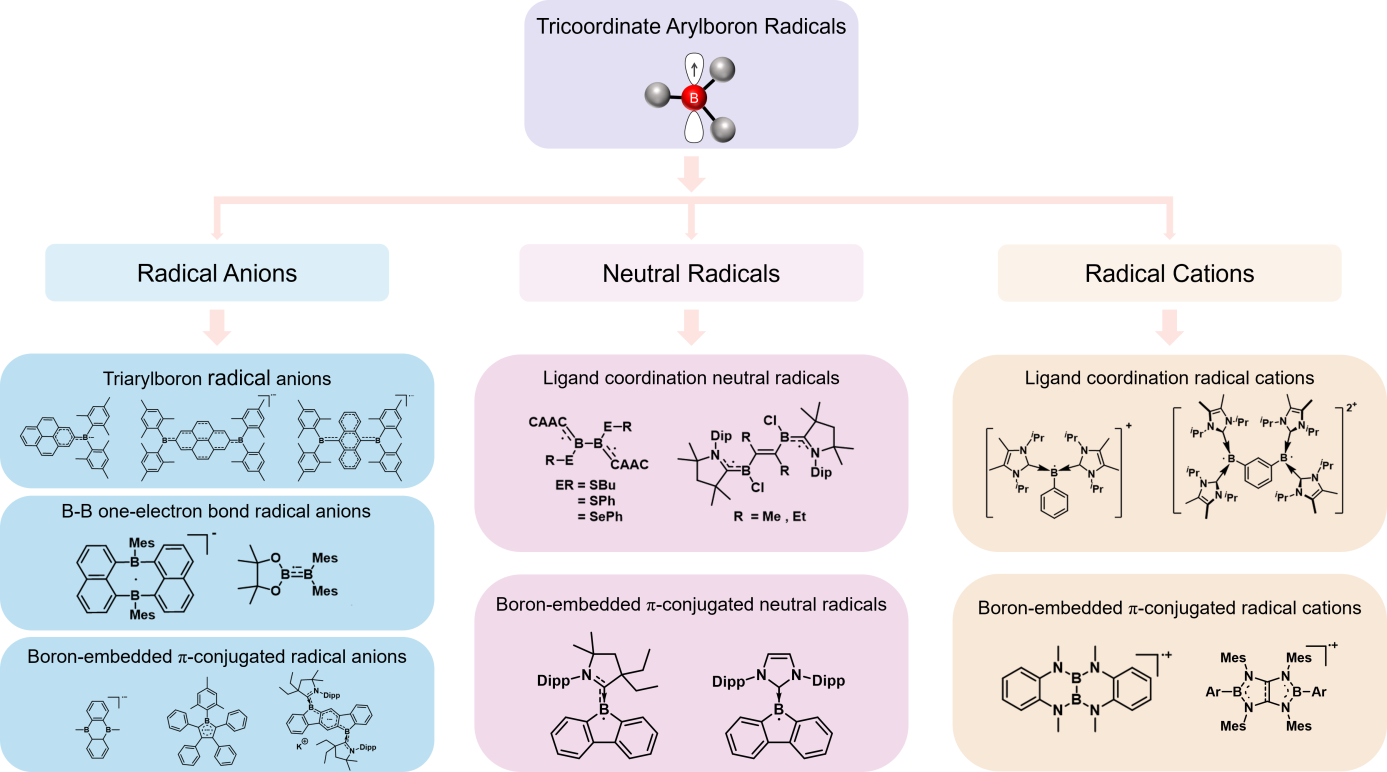
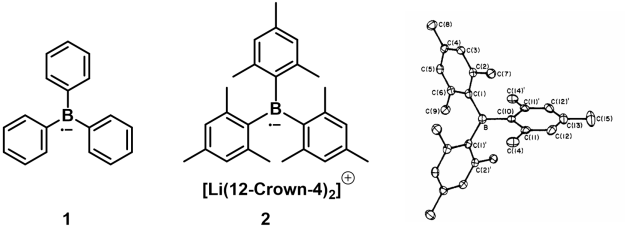
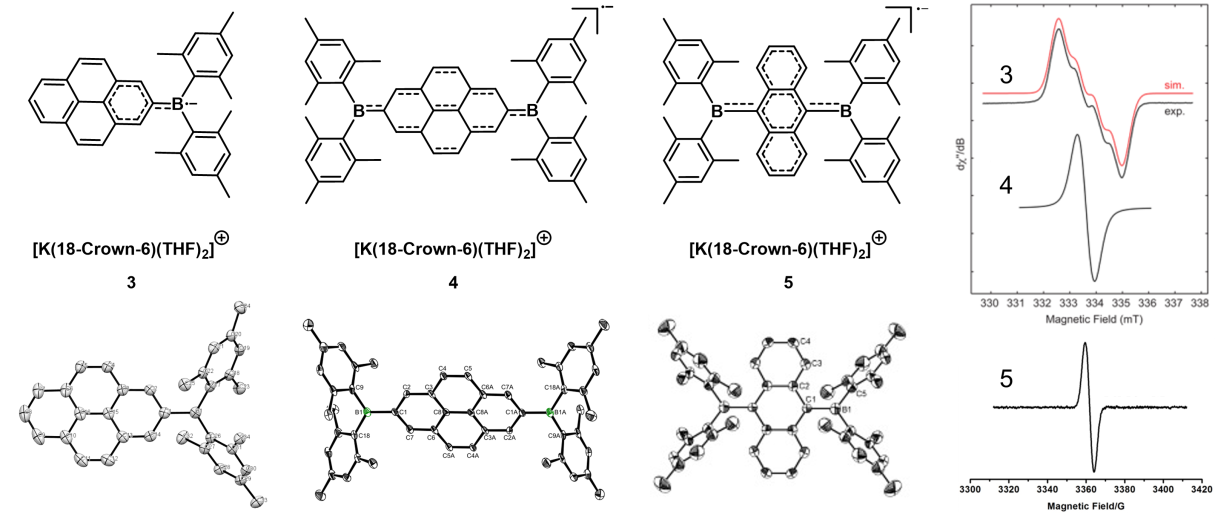
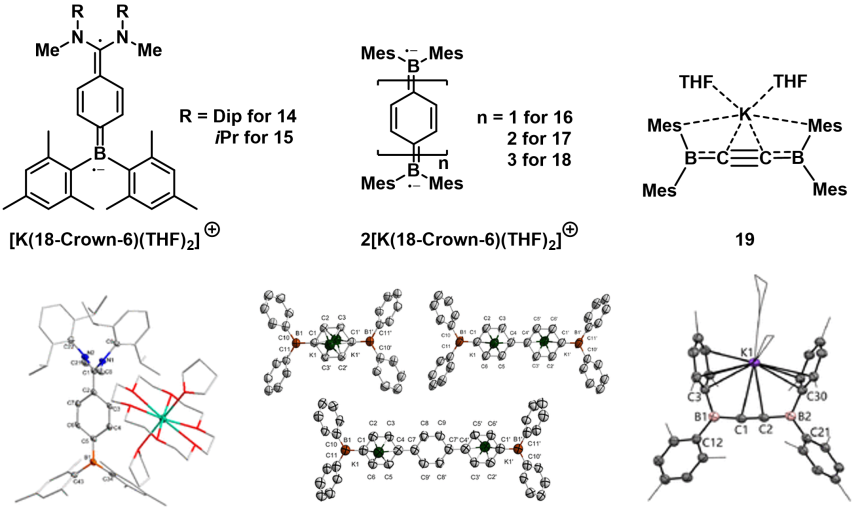
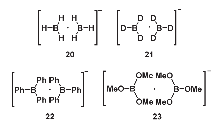
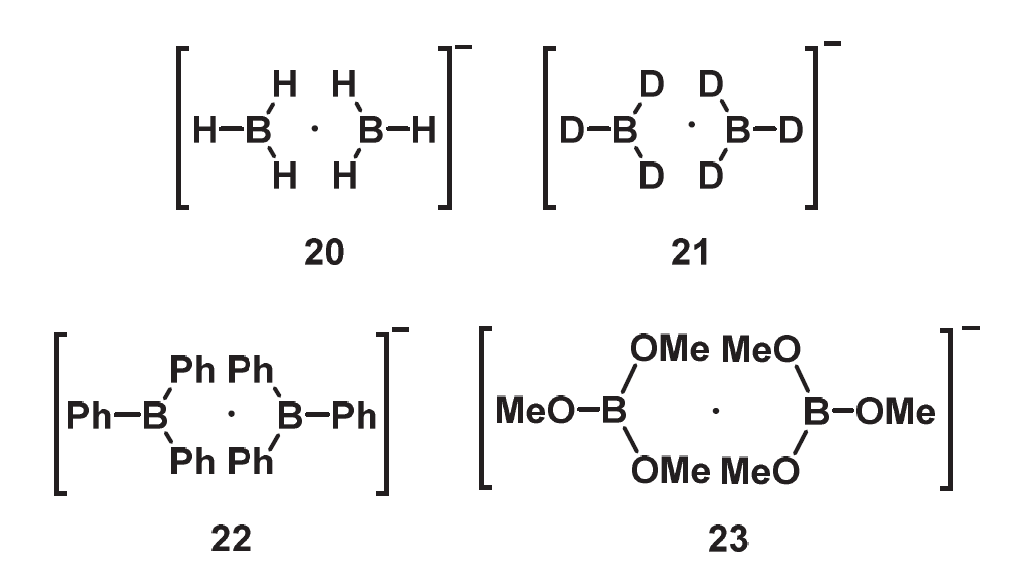
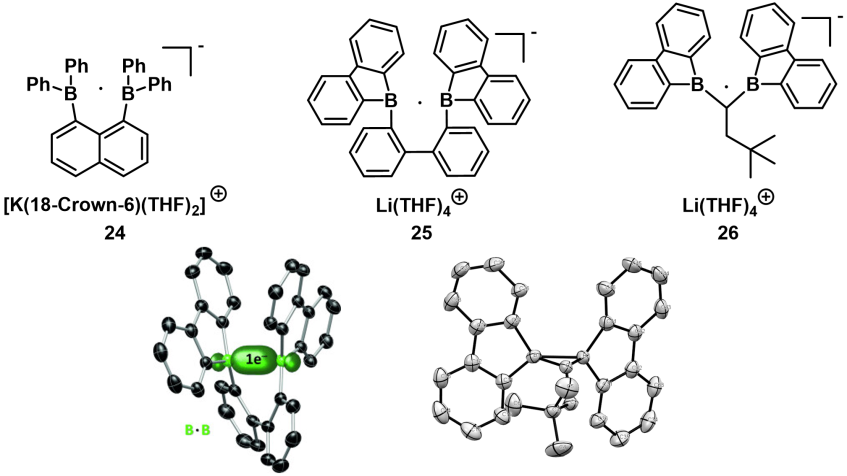
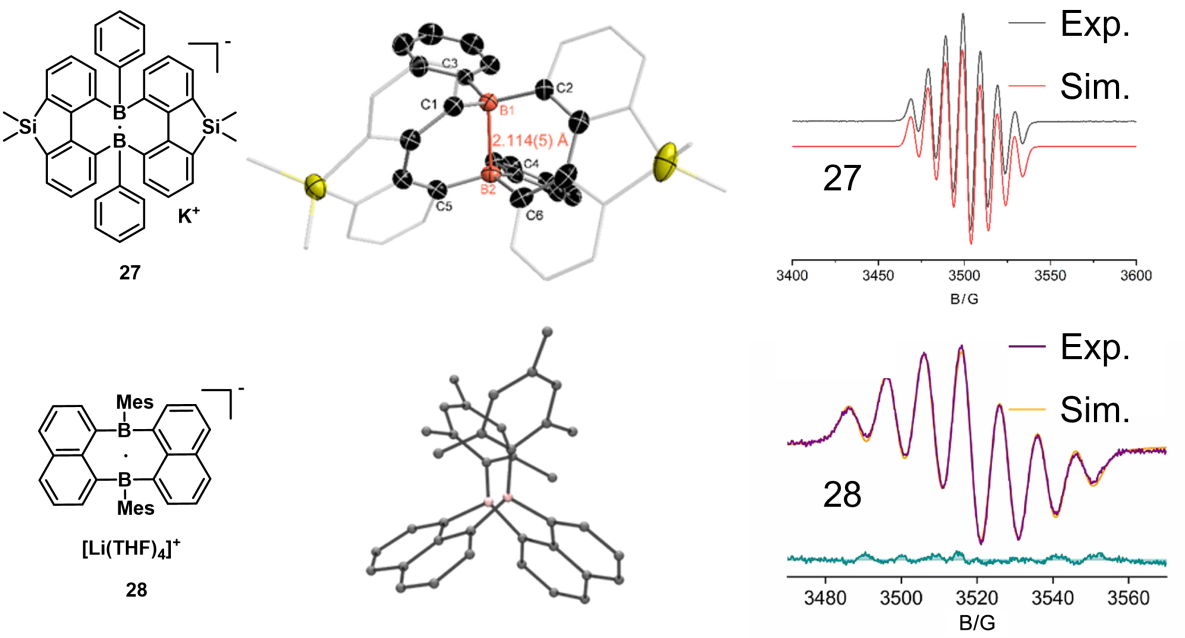
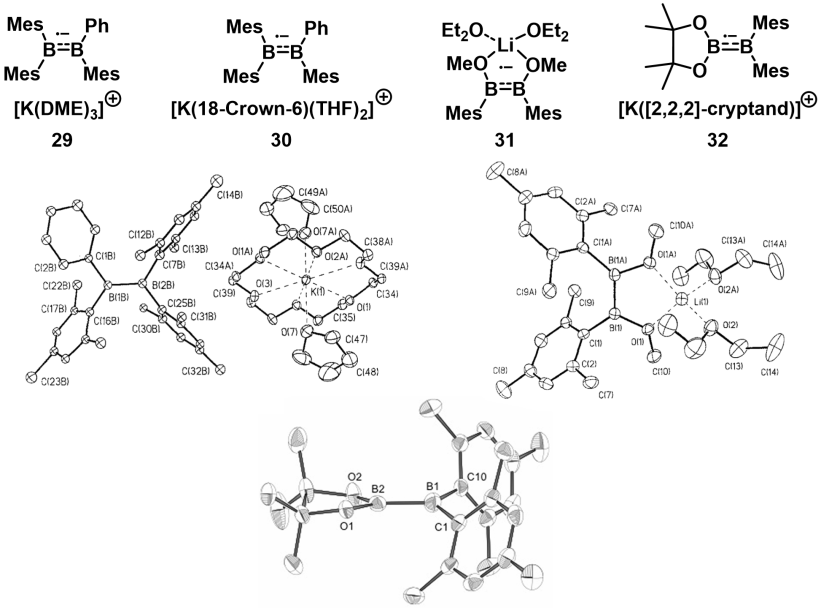
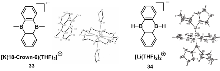
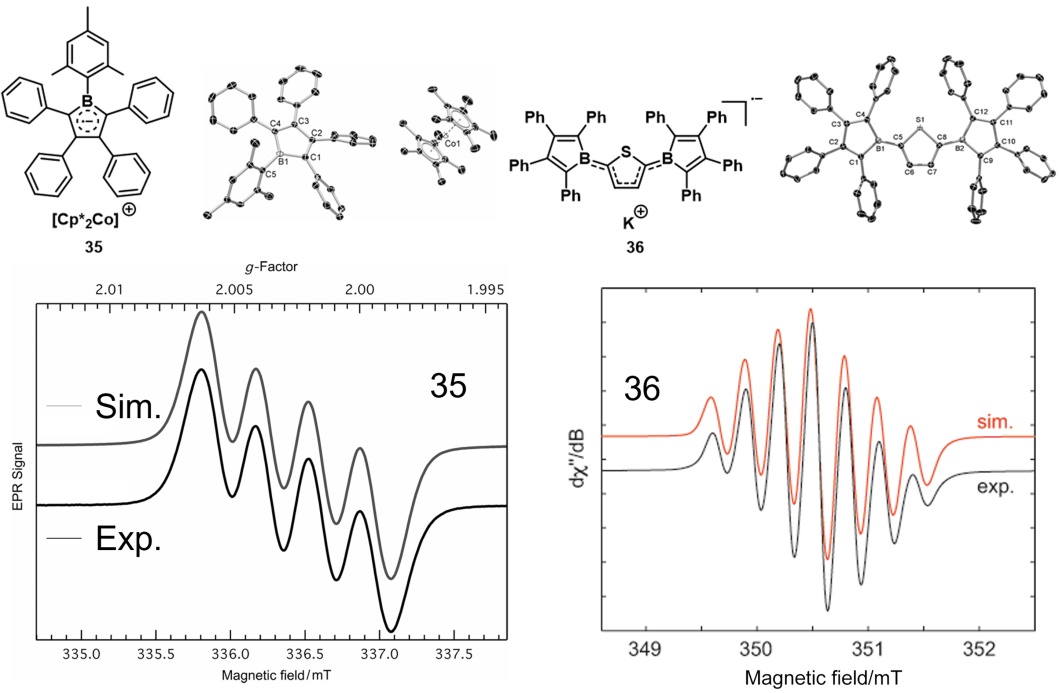
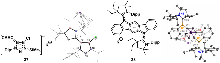
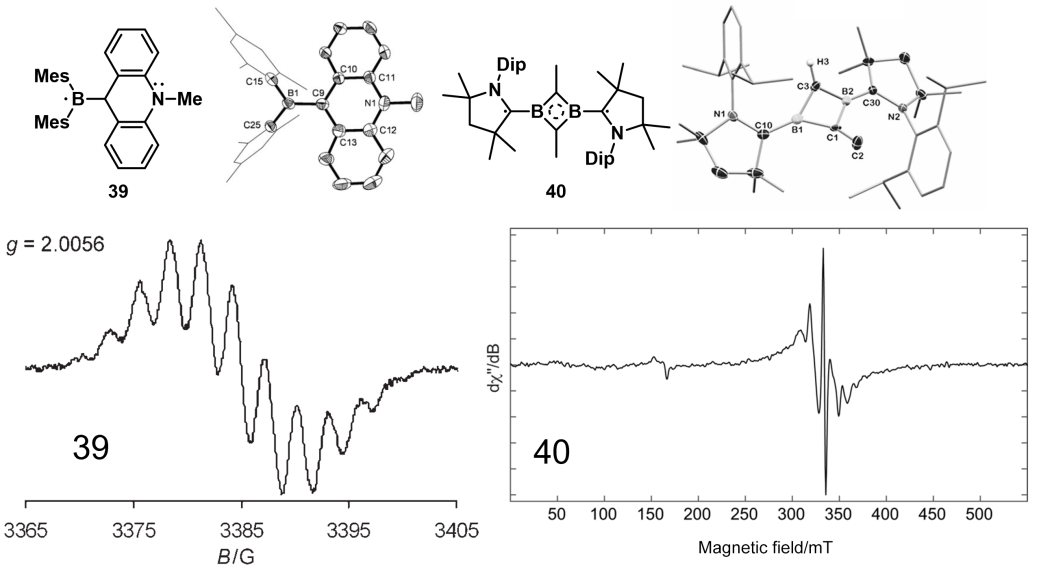
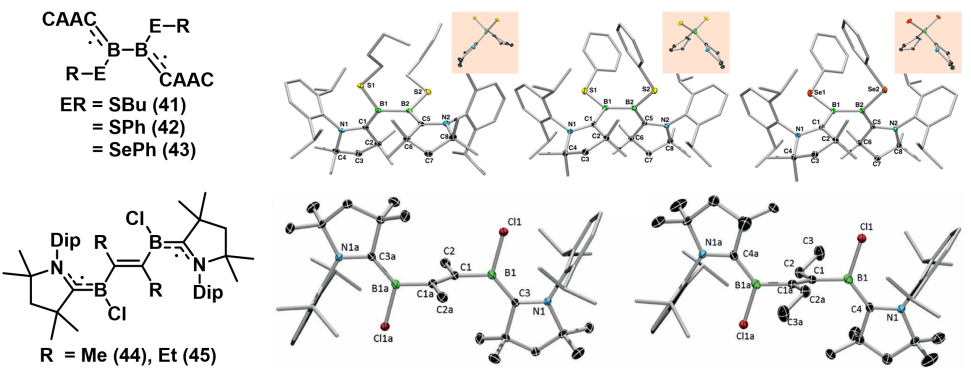
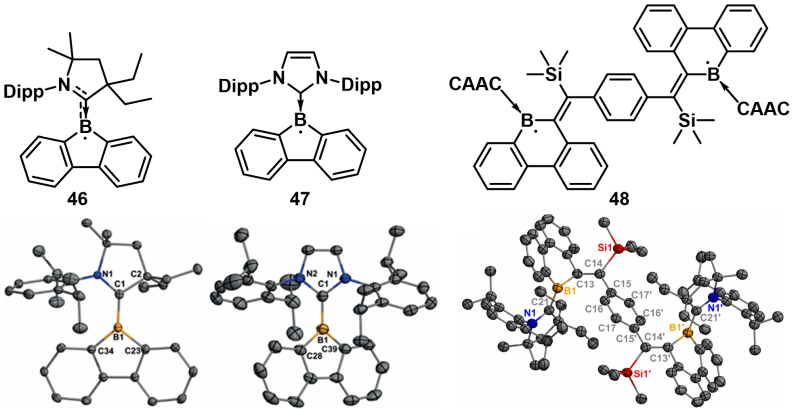
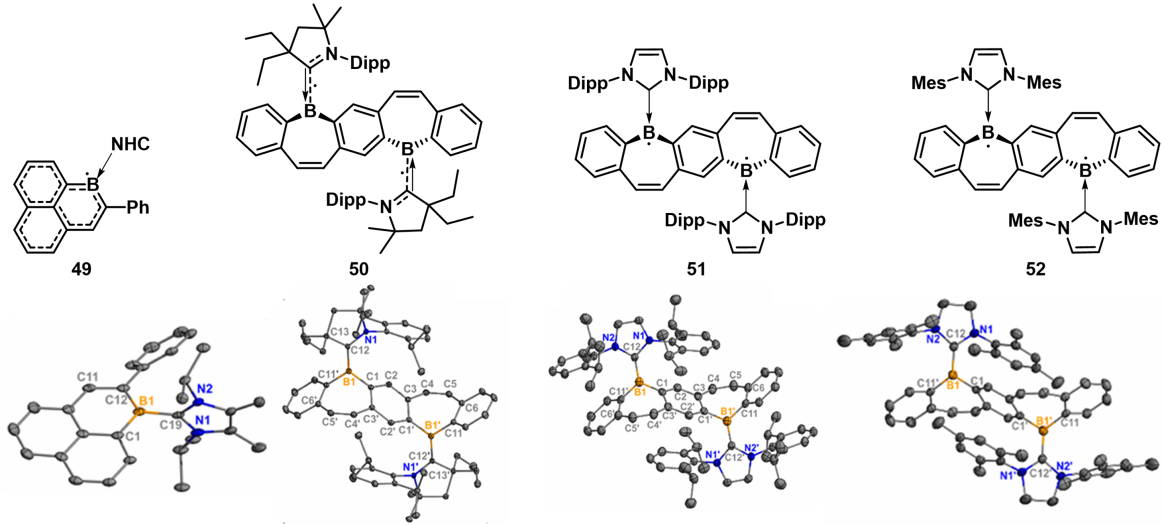
系统综述三配位芳基硼自由基的最新进展, 以电荷类型为主线, 依次梳理硼阴离子自由基、中性自由基与阳离子自由基的发展历程、分子设计策略、结构特征与电子性质. 系统总结了大位阻取代基、共轭骨架、卡宾配体及刚性环结构对自由基稳定性、自旋分布、单重态-三重态能隙与氧化还原行为的调控机制, 归纳结构-性能关系, 并对该领域未来的发展趋势与关键挑战进行展望, 以期为有机硼开壳层体系的分子精准设计与功能应用提供理论依据与设计指导.
高浩雨, 武完瑾, 吴莎莎, 刘鑫宇, 何昊远, 席佳璐, 李子欣, 刘艳艳, 韩冰, 何曼曼, Laurent Maron, 赵征, 刘立杰. 三配位芳基硼自由基: 从分子设计到电子结构调控[J]. 有机化学, 2026, 46(9): 3414-3430.
Haoyu Gao, Wanjin Wu, Shasha Wu, Xinyu Liu, Haoyuan He, Jialu Xi, Zixin Li, Yanyan Liu, Bing Han, Manman He, Laurent Maron, Zheng Zhao, Lijie Liu. Tricoordinate Arylboron Radicals: From Molecular Design to Electronic Structure Modulation[J]. Chinese Journal of Organic Chemistry, 2026, 46(9): 3414-3430.
| [1] |
doi: 10.1038/s41586-023-06222-1 |
| [2] |
doi: 10.6023/cjoc202312020 |
|
(陆玲依, 邱晓东, 有机化学, 2024, 44, 1701.)
doi: 10.6023/cjoc202312020 |
|
| [3] |
doi: 10.1002/smll.v21.23 |
| [4] |
doi: 10.1002/anie.v65.14 |
| [5] |
doi: 10.1021/jacs.6c02927 |
| [6] |
doi: 10.1002/anie.v62.9 |
| [7] |
doi: 10.1002/agt2.v5.5 |
| [8] |
doi: 10.1002/agt2.v5.4 |
| [9] |
|
| [10] |
doi: 10.1002/cjoc.v43.19 |
| [11] |
doi: 10.1021/jacs.5c15035 |
| [12] |
doi: 10.1038/nature23661 |
| [13] |
doi: 10.1002/agt2.v6.9 |
| [14] |
doi: 10.1016/j.chempr.2025.102659 |
| [15] |
doi: 10.1016/j.cclet.2024.110292 |
| [16] |
doi: 10.1021/jacs.5c19343 |
| [17] |
doi: 10.1002/jcc.v33.5 |
| [18] |
doi: 10.1002/cjoc.v41.22 |
| [19] |
doi: 10.1063/5.0216272 |
| [20] |
doi: 10.1002/cjoc.v43.5 |
| [21] |
doi: 10.1016/j.cclet.2025.111276 |
| [22] |
doi: 10.1002/cber.v57:2 |
| [23] |
doi: 10.1002/cber.v59:4 |
| [24] |
doi: 10.1021/ja01103a504 |
| [25] |
doi: 10.1021/ja00726a018 |
| [26] |
doi: 10.1021/ja00274a071 |
| [27] |
doi: 10.1021/jacs.5b03805 |
| [28] |
doi: 10.1002/anie.201505766 pmid: 26346693 |
| [29] |
doi: 10.1039/C6CC06918E |
| [30] |
doi: 10.1002/chem.201701308 pmid: 28342198 |
| [31] |
doi: 10.1021/acs.organomet.7b00368 |
| [32] |
doi: 10.1002/chem.v25.16 |
| [33] |
doi: 10.1021/jacs.0c12624 |
| [34] |
doi: 10.1021/jacs.3c13310 |
| [35] |
doi: 10.1021/jacs.5c09195 |
| [36] |
|
| [37] |
doi: 10.1021/ja00855a015 |
| [38] |
doi: 10.1021/ja00465a056 |
| [39] |
doi: 10.1021/ja001739b |
| [40] |
doi: 10.1002/anie.v53.19 |
| [41] |
doi: 10.1021/jacs.5b01192 |
| [42] |
doi: 10.1021/jacs.5c12718 |
| [43] |
doi: 10.1021/jacs.5c06498 |
| [44] |
doi: 10.1002/chem.v3:3 |
| [45] |
doi: 10.1002/chem.201406609 pmid: 25639658 |
| [46] |
doi: 10.1515/znb-1995-1008 |
| [47] |
doi: 10.1021/om100825m |
| [48] |
doi: 10.1002/anie.201108632 pmid: 22334371 |
| [49] |
doi: 10.1002/anie.201306969 pmid: 24123828 |
| [50] |
doi: 10.1021/jacs.4c05777 |
| [51] |
doi: 10.1021/jacs.5c04487 |
| [52] |
doi: 10.1002/anie.v46:10 |
| [53] |
doi: 10.1002/anie.201602384 pmid: 27374193 |
| [54] |
doi: 10.1038/s41467-018-02998-3 |
| [55] |
doi: 10.1002/anie.201813335 pmid: 30549204 |
| [56] |
doi: 10.1002/anie.v59.10 |
| [57] |
doi: 10.1021/jacs.3c07236 |
| [58] |
doi: 10.1021/jacs.3c13726 |
| [59] |
doi: 10.1021/jacs.3c08297 |
| [60] |
doi: 10.1021/jacs.5c13589 |
| [61] |
doi: 10.1021/jacs.5c11428 |
| [62] |
doi: 10.1126/science.1207573 pmid: 21798945 |
| [63] |
doi: 10.1039/C3CC44990D |
| [64] |
doi: 10.1021/jacs.7b06772 |
| [65] |
doi: 10.1039/C7SC03528D |
| [66] |
doi: 10.1002/anie.v57.26 |
| [67] |
doi: 10.1021/jacs.5c00236 |
| No related articles found! |
| 阅读次数 | ||||||
|
全文 |
|
|||||
|
摘要 |
|
|||||


