研究论文

非血红素三价铁-单酰胺配合物催化简单烷烃亚甲基选择氧化

  • 陈亚诞 ,
  • 黄嵩港 ,
  • 陈洁 , * ,
  • 王斌 , *
展开
  • 济南大学化学化工学院 济南 250022

收稿日期: 2025-04-18

  修回日期: 2025-05-16

  网络出版日期: 2025-06-12

基金资助

国家自然科学基金(22372071)

山东省泰山学者计划(tsqn202408209)

Nonheme Iron(III)-Monoamidate Complexes as Catalysts for Methylene-Selective Oxidation of Simple Alkanes

  • Yadan Chen ,
  • Songgang Huang ,
  • Jie Chen , * ,
  • Bin Wang , *
Expand
  • School of Chemistry and Chemical Engineering, University of Jinan, Jinan 250022

Received date: 2025-04-18

  Revised date: 2025-05-16

  Online published: 2025-06-12

Supported by

National Natural Science Foundation of China(22372071)

Taishan Scholar Program of Shandong Province(tsqn202408209)

摘要

报道了一种利用非血红素三价铁-单酰胺配合物催化以双氧水(H2O2)为氧化剂的简单烷烃亚甲基选择氧化反应.反应机理研究表明, 五价铁-氧物种作为活性中间体, 通过氢原子攫取(HAA)这一决速步骤实现C—H键活化.

本文引用格式

陈亚诞 , 黄嵩港 , 陈洁 , 王斌 . 非血红素三价铁-单酰胺配合物催化简单烷烃亚甲基选择氧化[J]. 有机化学, 2025 , 45(12) : 4453 -4462 . DOI: 10.6023/cjoc202504021

Abstract

The methylene-selective oxidation of simple alkanes catalyzed by a nonheme iron(III)-monoamidate complex using H2O2 as the terminal oxidant is reported. Mechanistic studies suggest that iron(V)-oxo species is the active intermediate, undergoing hydrogen atom abstraction (HAA) as the rate-determining step to initiate C—H bond activation.

1 Introduction

Alkanes, as the primary constituents of petroleum and natural gas, represent an abundant and low-cost carbon feedstock. However, their inert C(sp3)—H bonds, characterized by high bond dissociation energy (BDE) and low polarity, pose significant challenges for direct functionalization. Direct C—H bond oxidation enables the conversion of simple alkanes into high-value oxygenated compounds (e.g., alcohols, ketones, and carboxylic acids) without requiring pre-functionalization steps.[1] Unactivated methylene motifs are ubiquitous in numerous bioactive molecules, and site-selective hydroxylation of these positions streamlines synthetic pathways, enabling late-stage functionalization of complex molecules.[1] Therefore, selective oxidation of inert C(sp3)—H bonds enhances atom economy, reduces waste generation, and aligns with the principles of sustainable chemistry.
The selective oxidation of unactivated methylene groups in alkanes represents one of the most formidable challenges in modern synthetic chemistry.[1,2] Unlike tertiary or benzylic C—H bonds, which are more reactive due to lower BDE or electronic activation, methylene C—H bonds are chemically inert and lack distinguishing features to guide site-specific functionalization. The key challenges for selective alkane methylene oxidation include the following: (1) Thermodynamic and kinetic inertness, i.e., the high BDE of methylene C—H bonds (-410~418 kJ•mol-1)[3] requires highly reactive intermediates (e.g., high-valent metal-oxo species) to initiate bond cleavage. However, such species often trigger indiscriminate reactions, leading to over-oxidation or C—C bond scission. Moreover, unlike polarized bonds, methylene C—H bonds exhibit minimal electronic asymmetry, rendering them unresponsive to conventional electrophilic or nucleophlic reagents. (2) Site-selectivity, i.e., multiple methylene groups share nearly identical electronic and steric environments, and catalysts with molecular-level precision are necessary to achieve differentiation between these positions. In addition, methylene C—H bonds often compete with more accessible terminal methyl or methine C—H bonds for oxidation, thus lowering selectivity. (3) Chemoselectivity and over oxidation, i.e., secondary alcohols are readily over-oxidized to ketones or carboxylic acids in most oxidation systems, and stabilizing the alcohol product while suppressing further oxidation remains a critical hurdle. (4) Stereoselectivity, i.e., most of the oxidative C(sp3)—H activation pathways involve radical intermediates, which rapidly undergo free rotation and erode stereochemical information. Therefore, transformative strategies to suppress radical recombination or enforce chiral induction to achieve enantioselective C(sp3)—H hydroxylation are required.
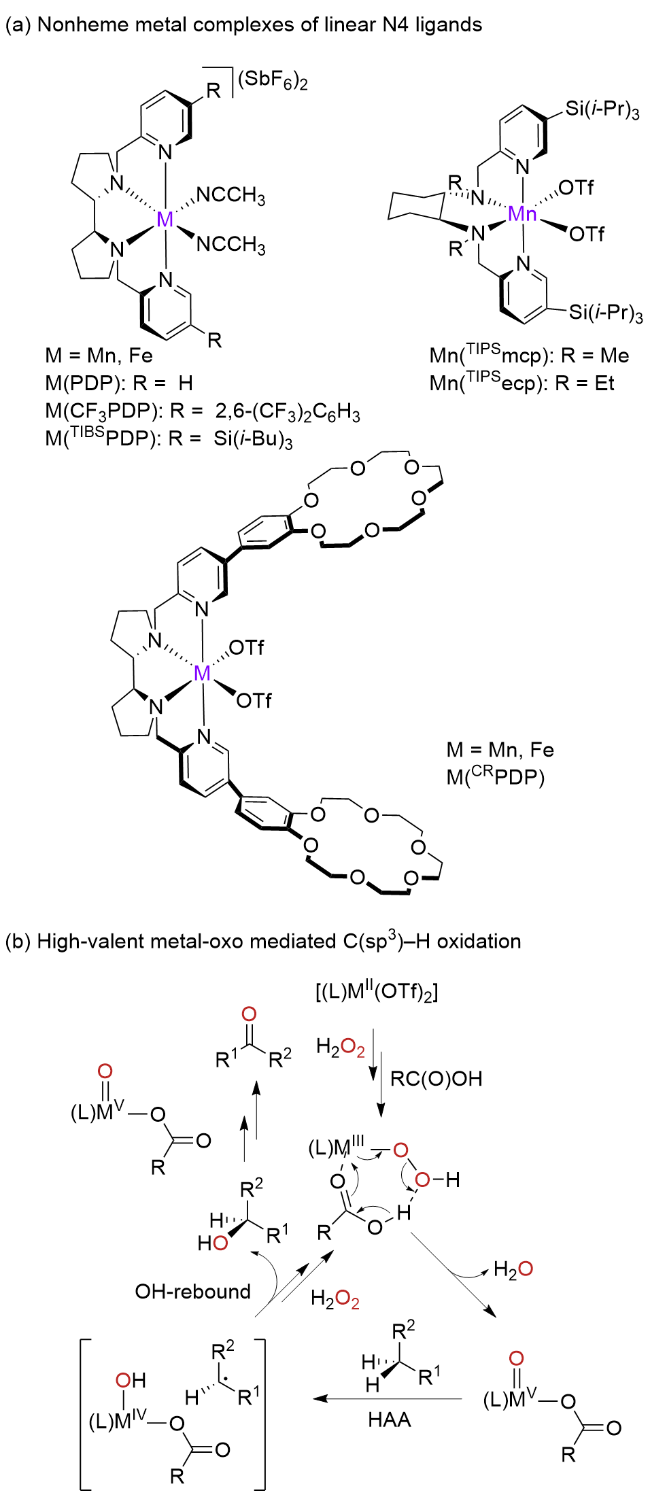
Bioinspired catalytic selective C(sp3)—H oxidation has emerged as a focal point of research in bioinorganic chemistry, catalytic chemistry, and synthetic chemistry.[4] Inspired by FeII/α-ketoglutarate (αKG)-dependent hydroxylases, seminal works by White,[5] Kojima,[6] Costas,[7-8] Bryliakov,[9] Sun,[10] Liu,[11] and others[12-14] have advanced biomimetic strategies for alkane C—H oxidation (Figure 1a). By employing nonheme iron and manganese complexes derived from neutral linear tetradentate nitrogen donor ligands as catalysts and H2O2 as the terminal oxidant, these systems enable high-valent metal-oxo mediated selective methylene oxidation through innovative ligand design and mechanistic strategies (Figure 1b). Key approaches include the following: (1) Introducing bulky substituents at the 5-position of the pyridine donors to modulate steric and electronic environments, thereby controlling reactivity and selectivity;[5,7,9] (2) Leveraging supramolecular recognition to position substrates near the catalytic metal center;[6,8] (3) Exploiting functional groups on substrates to guide site- selective C—H activation via electronic or steric effects.[7] Despite these advances, the existing catalysts suffer from limited diversity in ligand architectures, instability under strongly oxidizing conditions, and narrow substrate scope. Therefore, there is an urgent need to develop novel nonheme metal catalysts bearing tunable ligand frameworks that exhibit enhanced stability and broad substrate compatibility.
Figure 1 Selected examples of nonheme metal complexes of linear tetradentate N4 ligands used in methylene oxidation and the proposed mechanism
Herein, we report the development of L-proline-derived tetradentate monoamide ligands and their corresponding nonheme iron(III) complexes. These complexes demonstrate promising catalytic activity, site-selectivity, and high alcohol/ketone ratios in the selective oxidation of methylene C—H bonds in common cyclic and linear alkanes using H2O2 as the terminal oxidant. Preliminary mechanistic studies suggest that an iron(V)-oxo species is the active intermediate that initiates C—H activation via an oxygen-rebound mechanism.

2 Results and discussion

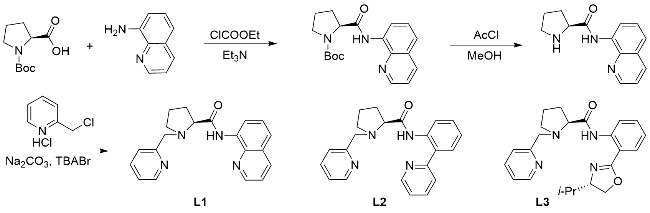
Initially, three tetradentate monoamide ligands (L1~L3) were synthesized starting from readily available Boc-prote- cted L-proline (Scheme 1, see Experimental section for the details). Subsequently, the corresponding ferric complexes (Table 1, C1~C3) were prepared by reacting equimolar amounts of these ligands with ferric perchlorate under basic conditions.
Scheme 1 Schematic diagram of the synthetic route for (L)-proline-derived monoamide tetradentate N4 ligands
Table 1 Optimization of reaction conditionsa
Entry Deviation from standard conditions Product yieldb/% A/Kc
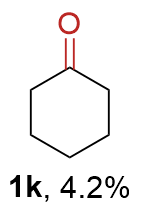
1a 1k
1 None 58 4.2 14
2 C2 instead of C1 11 2.9 3.8
3 C3 instead of C1 22 5.0 4.4
4d TFE instead of HFIP 57 6.7 8.5
5d NFTB instead of HFIP ND ND ND
6 CH3CN instead of HFIP 36 7.0 5.1
7d HFIPMe instead of HFIP ND ND ND
8 3.0 mol% C1 60 4.6 13
9 1.0 mol% C1 44 32 14
10d Fe(ClO4)3xH2O instead of C1 ND ND ND
11 3.0 equiv. of H2O2 50 3.6 14
12 0.15 equiv. of HOAc 50 4.8 10
13 Without HOAc 43 3.9 11

a Standard conditions: a solution of H2O2 (5.0 equiv., diluted from a 30% aqueous solution with HFIP) was added dropwise over 0.5 h via a syringe pump to a vigorously stirred mixture of C1 (2.0 mol%), cyclohexane (0.5 mmol), and HOAc (0.125 mmol) in HFIP. After complete addition, the reaction mixture was stirred for an additional 1 h. b Based on the substrate, and determined by gas chromatograph (GC). c A=cyclohexanol, K=cyclohexanone. d TFE=2,2,2-trifluoroethanol, NFTB=nonafluoro-tert-butyl alcohol, HFIPMe=O-methyl hexafluoroisopropanol, ND=not detected.

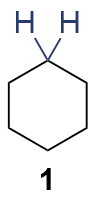
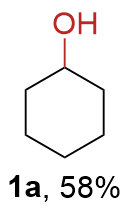
To evaluate the catalytic oxidation performance of these ferric monoamidate complexes, their catalytic activity was examined in the selective oxidation of methylene C—H bonds using cyclohexane as a model substrate, 1,1,1,3,3, 3-hexafluoroisopropanol (HFIP) as the solvent, and acetic acid as an additive (Table 1). It was shown that C1 bearing a quinoline group exhibited superior catalytic performance in methylene oxidation at room temperature, achieving cyclohexanol in 58% yield with a high alcohol/ketone (A/K) ratio of 14 (Table 1, Entry 1). Replacement of the quinoline moiety with pyridine (Table 1, Entry 2) or oxazoline (Table 1, Entry 3) significantly reduced both the yield of cyclohexanol and A/K ratios. Systematic optimization revealed the critical role of solvent selection (Table 1, Entries 4~7). While 2,2,2-trifluoroethanol (TFE) maintained comparable alcohol yield (57%), the A/K ratio decreased to 8.5 (Table 1, Entry 4). Stronger hydrogen-bond-donating solvents like nonafluoro-tert-butyl alcohol (NFTB) completely inhibitedreactivity (Table 1, Entry 5), probably due to the higher steric hindrance. Replacement of HFIP with aprotic solvents, such as acetonitrile, led to a significant decrease in cyclohexanol yield to 36% and a reduced A/K ratio to 5.1 (Table 1, Entry 6). Furthermore, substituting HFIP with a hydrogen-bond-free O-methyl hexafluoroisopropanol (HFIPMe) completely halted the reaction (Table 1, Entry 7). These results underscore the indispensable role of strong hydrogen-bonding interactions between HFIP and the generated cyclohexanol in protecting secondary alcohol from over-oxidation to ketone.[7,9,14a] Catalyst loading studies showed optimal performance at 2.0 mol%, with reduced efficiency at lower loadings (Table 1, Entries 8 and 9). Ferric perchlorate failed to initiate reaction (Table 1, Entry 13), highlighting the importance of C1 specific coordination structure. Controlled experiments with reduced H2O2 or acetic acid maintained high A/K ratios but decreased yields (Table 1, Entries 11 and 12). Notably, significantly reduced yield was witnessed in the absence of acetic acid (43%, Table 1, Entry 13), suggesting its synergistic role with HFIP in activating the putative iron(III)-hydroperoxide species to form the reactive intermediate (e.g., iron(V)-oxo).[7,9,14a] These findings establish an efficient catalytic system combining C1, HFIP solvent, and acetic acid additive for selective methylene oxidation.
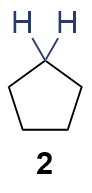
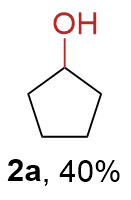
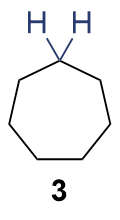
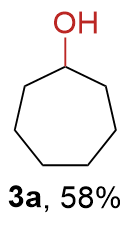
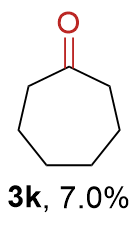
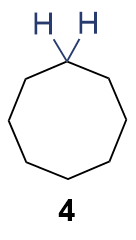
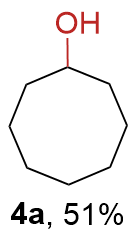
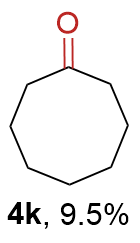
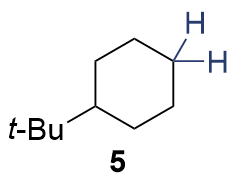
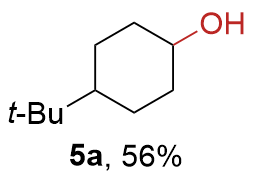
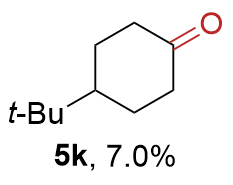
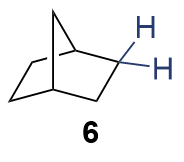
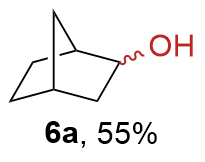
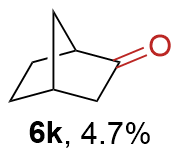
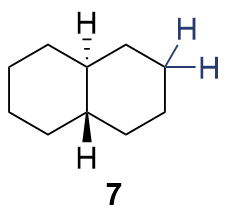
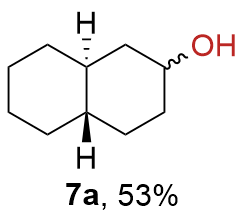
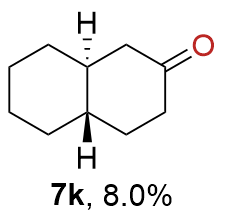
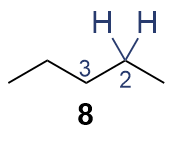
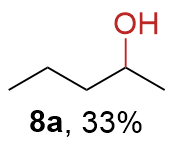
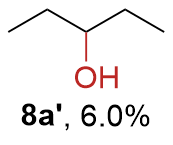
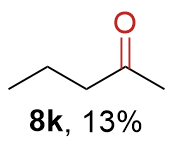
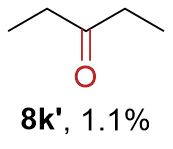
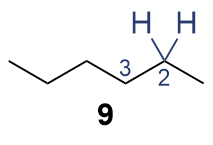
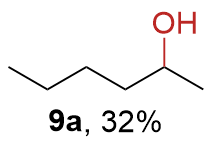
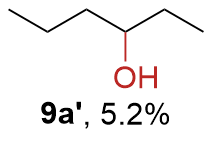
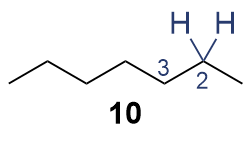
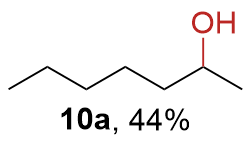
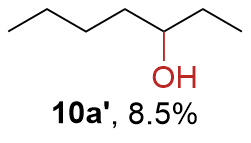
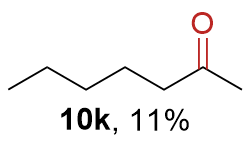
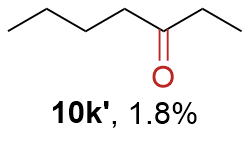
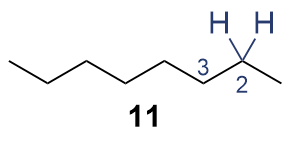
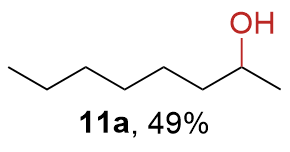
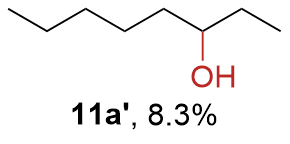
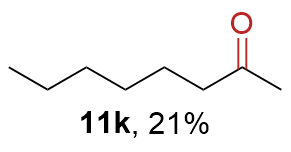
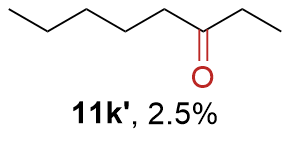
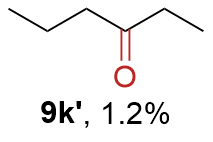
Following optimization of reaction conditions, the catalytic oxidation of various cyclic alkanes with C1 was investigated (Table 2, Entries 1~7). Simple cyclic alkanes 1~4, with methylene C—H BDEs ranging from 396 kJ• mol-1 to 416 kJ•mol-1, were selectively oxidized to secondary alcohols accompanied by ketones as byproducts (Table 2, Entries 1~4). The A/K ratios varied between 5.4 and 14 (Table 2, Entries 1~4), with decreasing ratios observed for larger ring systems. Notably, no carboxylic acids or products of C—C bond cleavage was detected in these oxidations. Subsequently, the regioselectivity of catalytic oxidation for cycloalkanes 5~7, which contain both secondary and tertiary C—H bonds was evaluated (Table 2, Entries 5~7). For monoalkyl-substituted cyclohexane 5, and bridged bicyclic compounds 6 and 7, the remote methylene C—H bonds were selectively oxidized, yielding secondary alcohols as the main products. The observed high regioselectivity toward methylene C—H bonds over tertiary C—H bonds, despite the latter’s higher electron density and lower BDEs, could be attributed to the higher steric hindrance associated with the tertiary C—H sites compared to the more accessible remote methylene positions. This steric differentiation effectively suppresses the oxidation at the tertiary C—H bonds under the current catalytic system. Furthermore, the oxidation of acyclic linear alkanes was also investigated (Table 2, Entries 8~11). It was revealed that linear alkanes with varying carbon chain lengths underwent preferential oxidation at the remote methylene, affording the corresponding secondary alcohols in 32~49% yields, accompanied by minor oxidation products at C-2 and C-3 sites. Compared to the oxidation of cyclic alkanes, linear alkanes exhibited significantly reduced yields and lower A/K ratios (2.4~4.1), demonstrating the distinct reactivity and selectivity patterns between cyclic and acyclic alkanes under the current catalytic system. The markedly reduced reactivity for linear alkanes compared to their cyclic counterparts in catalytic C—H oxidation can be attributed to three fundamental challenges: (1) thermodynamic barriers associated with stronger methylene C—H bonds, (2) steric constraints in accessing internal methylene groups, and (3) entropic penalties due to conformational flexibility.[1-3] To overcome these limitations, a rationally designed hydrophobic catalyst cavity could be constructed to realize both efficient and selective oxidation of linear alkanes through a substrate positioning mechanism.[6]
Table 2 Selective oxidation of methylenic C—H bonds of hydrocarbonsa
Entry Substrate BDEC—Hb/(kJ•mol−1) Product yieldc/% A/Kd
1 416 14
2 400 12
3 393 7.2
4 400 5.4
5 406 8.0
6 414 12
7 402 6.6
8 415 2.8
9 410 3.8
10 410 4.1
11 407 2.4

a A solution of H2O2 (5.0 equiv., diluted from a 30% aqueous solution with HFIP) was added dropwise over 0.5 h via a syringe pump to a vigorously stirred mixture of C1 (2.0 mol%), substrates 1~11 (1.0 mmol), and HOAc (0.25 mmol) in HFIP. After complete addition, the reaction mixture was stirred for an additional 1 h. b Taken from Ref. [3]. c Based on the substrate, determined by GC and confirmed by 1H NMR. d A=alcohol, K=ketone.

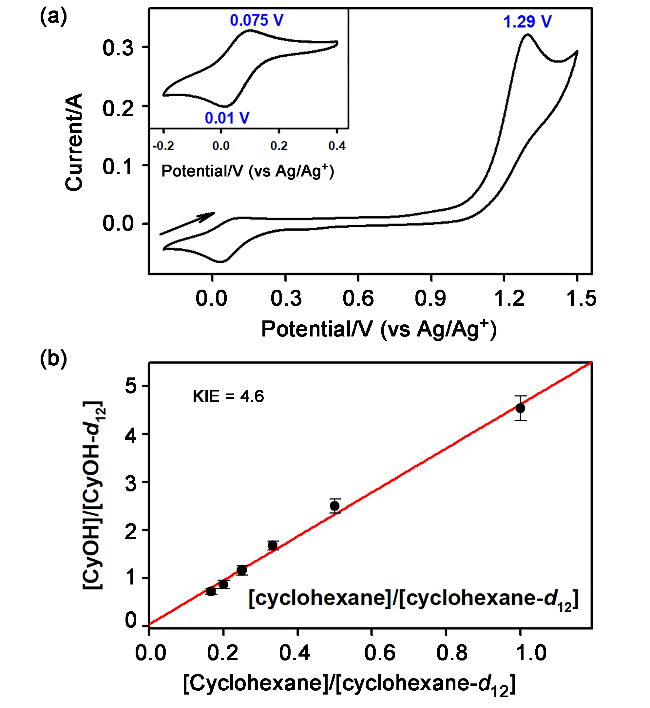
To further elucidate the reaction mechanism, complementary cyclic voltammetry (CV) analysis and kinetic isotope effect (KIE) experiments were carried out. The electrochemical properties of C1 were initially explored using CV in a 0.1 mol/L Bu4NPF6 acetonitrile solution (Figure 2a, see Supporting Information for the detailed procedure). The CV analysis revealed two distinct redox events, one quasi-reversible and one irreversible (Figure 2a). The quasi-reversible redox feature at 0.0425 V exhibited a Nernstian peak separation (∆Ep) of 65 mV, consistent with a single-electron transfer mechanism. Based on the previous reports,[15] this quasi-reversible redox couple was assigned to the FeIV/FeIII pair. In contrast, the irreversible redox peak at 1.29 V was attributed to the FeV/FeIV transition (Figure 2a). These results demonstrate that the generation of high-valent iron-oxo species (e.g., iron(V)-oxo) is feasible under the catalytic oxidation conditions. Furthermore, a KIE value of 4.6 was obtained in the competitive oxidation experiments using cyclohexane and deuterated cyclohexane (Figure 2b).
Figure 2 (a) CV of C1 (0.8 mmol/L) in CH3CN (scan rate=100 mV•s-1, inset: CV of C1 (0.8 mmol/L) in CH3CN at -0.2~0.4 V); (b) KIE determined in the competitive oxidation of cyclohexane and cyclohexane-d12 by C1 and H2O2
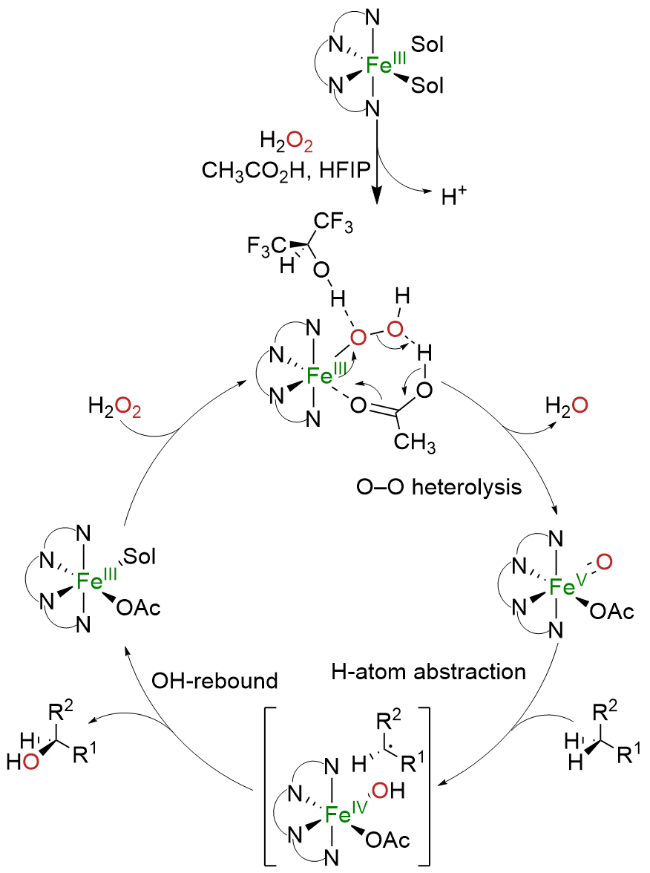
Based on these experimental observations and the previous literature reports,[14,16] a plausible mechanism was proposed for the selective methylene C—H oxidation catalyzed by the nonheme iron(III) monoamidate complex using H2O2 as the terminal oxidant (Scheme 2). In this mechanism, HFIP and acetic acid act cooperatively to facilitate the heterolytic O—O bond cleavage of the putative FeIII-OOH species, generating iron(V)-oxo acetate as the active intermediate, and hydrogen atom abstraction (HAA) is the rate-determining step. Furthermore, HFIP, as a strong hydrogen-bond-donating solvent, plays an additional crucial role by forming strong hydrogen-bonding interactions with the resulting secondary alcohol. This interaction effectively suppresses its overoxidation to the corresponding ketone, thereby enhancing the selectivity for alcohol formation.
Scheme 2 Proposed mechanism for nonheme iron(III) complex-catalyzed alkane oxidation

3 Conclusions

In summary, we have synthesized a series of L-proline-derived tetradentate monoamide ligands and their corresponding nonheme iron(III) complexes. These ferric complexes demonstrate exceptional catalytic performance in the selective oxidation of simple cyclic and linear alkanes using H2O2 as the terminal oxidant, achieving favorable A/K ratios and remarkable site-selectivity. Mechanistic studies suggest that iron(V)-oxo species acts as the active intermediate that initiates C—H oxidation via hydrogen atom abstraction (HAA), which is proposed to be the rate-deter- mining step. Future efforts will focus on synthesizing and characterizing the putative iron(V)-oxo species and conducting detailed kinetic studies to unravel the reaction mechanism.

4 Experimental section

4.1 General information

All reactions were carried out under an inert Ar atmosphere using anhydrous solvents and standard Schlenk techniques unless otherwise specified. Reaction progress was monitored by thin-layer chromatography (TLC) on 0.25 mm silica gel plates (glass support). Purification by flash column chromatography was conducted using 200~300 mesh silica gel with petroleum ether/ethyl acetate as the eluent. Hydrogen peroxide (30% in H2O) was obtained from Energy Chemical (Shanghai, China).
NMR spectra were acquired on either a Bruker AVQ- 400 (400 MHz for 1H, 101 MHz for 13C) or a Bruker AVANCE III HD-600 (600 MHz for 1H, 151 MHz for 13C). Chemical shifts (δ) are relative to residual solvent signals (CDCl3: δ 7.26 for 1H, δ 77.0 for 13C). High-reso- lution mass spectrometry (HRMS) data were collected using a Thermo LTQ-FTICR mass spectrometer (ESI mode). Melting points were determined with a X-5 Micro melting point apparatus (Beijing Tech Instrument Co., Ltd.). Optical rotation measurements were performed on a Rudolph-Autopol IV polarimeter.

4.2 General procedure for ligand synthesis

The synthesis of ligand L1 was accomplished in three steps according to Scheme 1. The detailed procedure for L1 is described below, while L2 and L3 were prepared analogously by replacing 8-aminoquinoline used in L1 synthesis with 2-(pyridin-2-yl)aniline[17] (for L2) or (S)-2- (4-isopropyl-4,5-dihydrooxazol-2-yl)aniline[18] (for L3), respectively.
Step 1: A mixture of Boc-L-proline (1.1 g, 5.0 mmol), anhydrous tetrahydrofuran (THF, 20 mL), and triethyl- amine (0.51 mg, 700 μL, 5.0 mmol) was added into a 100 mL flask. The flask was immersed in a low-temperature cooling circulator to maintain an internal temperature of -10 ℃. Ethyl chloroformate (0.54 g, 5.0 mmol) was then added dropwise over 30 min using a pressure-equalizing dropping funnel while keeping the temperature at -10 ℃. Upon completion of the addition, a significant amount of white solid precipitated, indicating the reaction was complete. The triethylamine hydrochloride byproduct was removed by filtration, and the resulting filtrate was re- cooled to -10 ℃. To the cooled filtrate, quinolin-8-amine (0.72 g, 5.0 mmol) was added, and the mixture was stirred at -10 ℃ for 30 min before being allowed to warm to room temperature and stirred overnight. The solvent was then removed under reduced pressure using a rotary evaporator. The crude residue was dissolved in a saturated aqueous NH4Cl solution and extracted with dichloro- methane (CH2Cl2, 20 mL×3). The combined organic layers were dried over with anhydrous sodium sulfate (Na2SO4), filtered, and concentrated under vacuum. The product was purified by flash column chromatography on silica gel using a petroleum ether/ethyl acetate gradient (VV=10∶1) to afford (S)-tert-butyl 2-(quinolin-8-yl- carbamoyl)pyrrolidine-1-carboxylate[19a] as a white solid (1.25 g, 3.75 mmol, 75% yield). Rf=0.20 (V(petroleum ether)∶V(ethyl acetate)=20∶1). m.p. 136.1~137.8 ℃; 1H NMR (400 MHz, CDCl3) 10.37 (s, 1H), 8.82~8.75 (m, 2H), 8.15 (s, 1H), 7.57~7.48 (m, 3H), 4.54~4.33 (m, 1H), 3.69~3.56 (m, 2H), 2.34~2.27 (m, 1H), 2.05~1.90 (m, 3H), 1.35 (s, 9H). HRMS (ESI) calcd for C19H24N3O3 [M+H] 342.1818, found 342.1811.
Step 2: (S)-tert-Butyl 2-(quinolin-8-ylcarbamoyl)pyr- rolidine-1-carboxylate (1.0 g, 3.0 mmol) and anhydrous methanol (25 mL) were combined in a 100 mL flask. The flask was immersed in a low-temperature cooling circulator maintained at 0 ℃. Acetyl chloride (1.4 g, 18 mmol) was added dropwise via a pressure-equalizing dropping funnel over 30 min while keeping the temperature at 0 ℃. The reaction mixture was stirred at 0 ℃ for 30 min, then allowed to warm to room temperature and stirred overnight. Saturated aqueous sodium carbonate (Na2CO3) solution was added to the reaction mixture, which was then extracted with dichloromethane (CH2Cl2, 20 mL×3). The combined organic layers were dried over anhydrous sodium sulfate (Na2SO4), filtered, and concentrated under reduced pressure using a rotary evaporator. The crude product was purified by flash column chromatography on silica gel with a petroleum ether/ethyl acetate gradient (VV=3∶1) to afford (S)-N-(quinolin-8-yl)pyrrolidine-2-carboxamide[19b] as a white solid (0.69 g, 2.88 mmol, 96% yield). Rf=0.20 (V(petroleum ether)∶V(ethyl acetate)=1∶1). m.p. 203.2~204.9 ℃; 1H NMR (600 MHz, CDCl3) δ: 10.34 (s, 1H), 8.71 (d, J=3.7 Hz, 1H), 8.60 (dd, J=6.5, 2.5 Hz, 1H), 8.02 (d, J=8.2 Hz, 1H), 7.43~7.29 (t, J=6.3 Hz, 3H), 4.74 (t, J=7.7 Hz, 1H), 3.63~3.43 (m, 2H), 2.65~2.48 (m, 1H), 2.29~2.19 (m, 1H), 2.15~2.01 (m, 2H). HRMS (ESI) calcd for C14H16N3O [M+H] 242.1293, found 242.1298.
Step 3: Under an argon atmosphere, 2-chloromethylpyri-dine hydrochloride (0.59 g, 3.6 mmol), (S)-N-(quinolin-8-yl)pyrrolidine-2-carboxamide (0.72 g, 3.0 mmol), and anhydrous acetonitrile (55 mL) were combined in a 100 mL flask. Anhydrous sodium carbonate (Na2CO3, 1.59 g, 15 mmol) and tetrabutylammonium bromide (TBABr, 30 mg) were added directly to the mixture as solids. The reaction was heated under reflux for 4 h. After cooling to room temperature, the resulting yellow suspension was filtered, and the filter cake was washed with dichloro- methane (CH2Cl2). The combined filtrates were concen- trated under reduced pressure using a rotary evaporator. The crude residue was dissolved in aqueous NaOH solution (1.0 mol/L, 25 mL) and extracted with CH2Cl2 (20 mL×3). The organic layers were combined, dried over anhydrous sodium sulfate (Na2SO4), filtered, and concentrated under vacuum. The product was purified by flash column chromatography on silica gel using a petro- leum ether/ethyl acetate gradient (VV=3∶1) to yield (S)-1-(pyridin-2-ylmethyl)-N-(quinolin-8-yl)pyrrolidine-2-carboxamide (L1) as a yellow oil (0.63 g, 1.89 mmol, 63% yield). Rf=0.23 (V(petroleum ether)∶V(ethyl acetate)= 10∶1); ${[\alpha ]}_{\text{D}}^{\text{25}}$+99.29 (c 1.0, CHCl3); 1H NMR (400 MHz, CDCl3) δ: 11.65 (s, 1H), 8.88~8.80 (m, 2H), 8.49 (dd, J=4.9, 0.9 Hz, 1H), 8.23~8.11 (m, 2H), 7.73 (td, J=7.7, 1.9 Hz, 1H), 7.58~7.49 (m, 2H), 7.46 (dd, J=8.3, 4.2 Hz, 1H), 7.16 (dd, J=7.0, 5.4 Hz, 1H), 4.26 (d, J=13.8 Hz, 1H), 3.80 (d, J=13.8 Hz, 1H), 3.53 (dd, J=10.0, 5.4 Hz, 1H), 3.24 (ddd, J=9.4, 6.2, 3.1 Hz, 1H), 2.52 (td, J=9.3, 7.4 Hz, 1H), 2.46~2.33 (m, 1H), 2.21~2.07 (m, 1H), 1.94~1.84 (m, 2H); 13C NMR (151 MHz, CDCl3) δ: 173.5, 159.0, 148.8, 148.2, 139.1, 136.5, 136.3, 134.5, 128.1, 127.4, 123.5, 122.2, 121.7, 121.6, 116.6, 69.0, 62.0, 54.0, 31.0, 24.4. HRMS (ESI) calcd for C20H21N4O [M+H] 333.1715, found 333.1719.
(S)-tert-Butyl 2-((2-(pyridin-2-yl)phenyl)carbamoyl)-pyrrolidine-1-carboxylate: White solid, 75% yield. Rf= 0.20 (V(petroleum ether)∶V(ethyl acetate)=20∶1); m.p. 135.1~136.8 ℃; 1H NMR (400 MHz, CDCl3) δ: 12.83 (s, 1H), 8.81~8.70 (m, 2H), 7.85~7.64 (m, 3H), 7.45~7.38 (m, 1H), 7.28~7.23 (m, 1H), 7.18 (t, J=7.6 Hz, 1H), 4.32 (dd, J=8.7, 4.0 Hz, 1H), 3.66~3.53 (m, 2H), 2.37~2.22 (m, 1H), 2.22~2.08 (m, 1H), 1.91~1.79 (m, 2H), 1.21 (s, 9H); 13C NMR (151 MHz, CDCl3) δ: 172.2, 157.9, 154.5, 148.2, 137.6, 130.1, 128.8, 125.5, 123.5, 122.5, 121.8, 121.2, 81.7, 63.9, 46.9, 31.7, 28.0, 23.8. HRMS (ESI) calcd for C21H26N3O3 [M+H] 368.1974, found 368.1966.
(S)-N-(2-(Pyridin-2-yl)phenyl)pyrrolidine-2-carbox-amide: Yellow oil, 96% yield. Rf=0.20 (V(petroleum ether)∶V(ethyl acetate)=1∶1); 1H NMR (600 MHz, CDCl3) δ: 12.34 (s, 1H), 8.67 (d, J=6.4 Hz, 1H), 8.53 (d, J=8.3 Hz, 1H), 7.81~7.78 (m, 1H), 7.60 (d, J=8.0 Hz, 1H), 7.54 (dd, J=7.7, 1.6 Hz, 1H), 7.41~7.37 (m, 1H), 7.27~7.23(m, 1H), 7.17~7.13 (m, 1H), 3.84 (dd, J=9.2, 5.1 Hz, 1H), 3.03~2.98 (m, 1H), 2.90~2.86 (m, 1H), 2.18~2.13 (m, 1H), 1.98~1.91 (m, 2H), 1.70~1.59(m, 2H); 13C NMR (151 MHz, CDCl3) δ: 174.7, 158.2, 148.0, 137.4, 136.8, 129.8, 129.2, 128.1, 123.6, 123.4, 121.8, 61.7, 47.3, 31.2, 26.2. HRMS (ESI) calcd for C16H18N3O [M+H] 268.1450, found 268.1443.
(S)-N-(2-(Pyridin-2-yl)phenyl)-1-(pyridin-2-ylmethyl)-pyrrolidine-2-carboxamide (L2): Yellow oil, 60% yield. Rf=0.23 (V(petroleum ether)∶V(ethyl acetate)=10∶1); ${[\alpha ]}_{\text{D}}^{\text{25}}$+121.23 (c 1.0, CHCl3); 1H NMR (400 MHz, CDCl3) δ: 12.33 (s, 1H), 8.54~8.40 (m, 3H), 7.81 (td, J=7.7, 1.8 Hz, 1H), 7.65 (d, J=8.0 Hz, 1H), 7.57 (dd, J=7.8, 1.6 Hz, 1H), 7.51~7.44 (m, 1H), 7.44~7.37 (m, 2H), 7.24~7.14 (m, 2H), 7.13~7.06 (m, 1H), 4.08 (d, J=13.4 Hz, 1H), 3.75 (d, J=13.4 Hz, 1H), 3.44 (dd, J=10.2, 4.4 Hz, 1H), 3.14~2.96 (m, 1H), 2.55 (td, J=9.5, 6.2 Hz, 1H), 2.29~2.15 (m, 1H), 1.93~1.81 (m, 4.0 Hz, 1H), 1.79~1.66 (m, 1H), 1.65~1.52 (m, 1H); 13C NMR (101 MHz, CDCl3) δ: 174.2, 158.7, 158.4, 148.9, 147.8, 137.4, 136.8, 136.5, 129.9, 129.4, 128.1, 123.8, 123.6, 123.4, 122.2, 121.9, 68.3, 61.3, 53.0, 31.1, 24.5. HRMS (ESI) calcd for C22H23N4O [M+H] 359.1872, found 359.1873.
(S)-tert-Butyl 2-((2-((S)-4-isopropyl-4,5-dihydrooxazol-2-yl)phenyl)carbamoyl)pyrrolidine-1-carboxylate: White solid, 75% yield. Rf=0.20 (V(petroleum ether)∶V(ethyl acetate)=20∶1); m.p. 119.7~120.8 ℃; 1H NMR (400 MHz, CDCl3) δ: 8.79 (d, J=8.4 Hz, 1H), 7.86 (d, J=6.2 Hz, 1H), 7.47 (t, J=8.1 Hz, 1H), 7.12~7.05 (m, 1H), 4.34~4.22 (m, 3H), 4.18~4.10 (m, 1H), 3.69~3.60 (m, 1H), 3.58~3.50 (m, 1H), 2.32~2.22 (m, 1H), 2.15~2.02 (m, 2H), 2.01~1.94 (m, 1H), 1.91~1.83 (m, 1H), 1.31 (s, 9H), 1.02~0.97 (m, 3H), 0.85 (d, J=6.7 Hz, 3H); 13C NMR (151 MHz, CDCl3) δ: 172.8, 163.3, 154.2, 139.8, 132.6, 129.3, 122.5, 119.7, 113.5, 80.1, 72.5, 67.9, 62.7, 47.0, 31.8, 28.4, 24.0, 19.6, 17.0. HRMS (ESI) calcd for C22H32N3O4 [M+H] 402.2393, found 402.2385.
(S)-N-(2-((S)-4-Isopropyl-4,5-dihydrooxazol-2-yl)phen- yl)pyrrolidine-2-carboxamide: White solid, 97% yield. Rf=0.20 (V(petroleum ether)∶V(ethyl acetate)=1∶1); m.p. 111.2~112.5 ℃; 1H NMR (400 MHz, CDCl3) δ: 12.65 (s, 1H), 8.78 (d, J=9.6 Hz, 1H), 7.83 (dd, J=7.9, 1.7 Hz, 1H), 7.51~7.37 (m, 1H), 7.16~6.93 (m, 1H), 4.45~4.32 (m, 1H), 4.24~4.12 (m, 1H), 4.04 (t, J=8.2 Hz, 1H), 3.88 (dd, J=8.9, 5.5 Hz, 1H), 3.17~3.05 (m, 1H), 3.03~2.93 (m, 1H), 2.24~2.15 (m, 2H), 1.99 (dt,J=12.4, 6.2 Hz, 1H), 1.87~1.71 (m, 3H), 1.07 (d, J=6.7 Hz, 3H), 0.98 (d, J=6.7 Hz, 3H); 13C NMR (101 MHz, CDCl3) δ: 175.4, 162.9, 139.7, 132.3, 129.3, 122.4, 120.0, 114.1, 73.2, 69.2, 62.3, 47.5, 33.2, 31.7, 26.1, 18.8. HRMS (ESI) calcd for C17H24N3O2 [M+H] 302.1869, found 302.1861.
(S)-N-(2-((S)-4-Isopropyl-4,5-dihydrooxazol-2-yl)-phenyl)-1-(pyridin-2-ylmethyl)pyrrolidine-2-carboxamide (L3): White solid, 72% yield. Rf=0.25 (V(petroleum ether)∶V(ethyl acetate)=20∶1); m.p. 108.9~110.2 ℃; ${[\alpha ]}_{\text{D}}^{\text{25}}$+40.38 (c 1.0, CHCl3); 1H NMR (400 MHz, CDCl3) δ: 12.26 (s, 1H), 8.64 (d, J=9.7 Hz, 1H), 8.49 (d, J=6.7 Hz, 1H), 7.85 (dd, J=7.9, 1.7 Hz, 1H), 7.58~7.49 (m, 1H), 7.49~7.38 (m, 2H), 7.14~7.02 (m, 2H), 4.33 (dd, J=9.4, 7.9 Hz, 1H), 4.22~4.10 (m, 1H), 4.10~4.01 (m, 2H), 3.83 (d, J=13.5 Hz, 1H), 3.52~3.31 (m, 1H), 3.23~3.07 (m, 1H), 2.65~2.53 (m, 1H), 2.32~2.13 (m, 1H), 1.98~1.79 (m, 4H), 0.99 (d, J=6.7 Hz, 3H), 0.91(d, J=6.7 Hz, 3H); 13C NMR (101 MHz, CDCl3) δ: 174.7, 164.2, 158.6, 149.0, 139.5, 136.3, 132.2, 129.4, 123.9, 122.5, 122.1, 120.6, 114.4, 73.2, 68.7, 60.8, 54.0, 32.7, 31.0, 24.0, 19.0, 17.7. HRMS (ESI) calcd for C23H29N4O2 [M+H] 393.2291, found 393.2289.
4.3 Synthesis and characterization of nonheme iron(III) complexes

Under a nitrogen atmosphere, a mixture of (S)-1-(pyri- din-2-ylmethyl)-N-(quinolin-8-yl)pyrrolidine-2-carboxamide (L1, 0.10 g, 0.30 mmol), anhydrous triethylamine (50 μL, 0.36 mmol), and anhydrous methanol (2.0 mL) was charged into a 10 mL Schlenk tube. The reaction mixture was stirred at room temperature for 30 min. Subsequently, iron(III) perchlorate hydrate (Fe(ClO4)3xH2O, 127 mg, 0.36 mmol) was added, resulting in a color change to light yellow. Stirring was continued for 12 h under inert con- ditions. The complex was precipitated by adding freshly distilled anhydrous diethyl ether (from a solvent purifi- cation system) to the reaction mixture. The resulting solid was collected by filtration, thoroughly washed with diethyl ether, and dried under reduced pressure. Recrystallization from a mixed solvent system (acetonitrile/diethyl ether) afforded [FeIII(L1)(CH3CN)2](ClO4)2 (C1) as a black solid (178 mg, 0.27 mmol, 89% yield). HRMS (ESI) calcd for [FeIII(L1)(CH3CN)2]2+ 234.5719, found 234.5716.
[FeIII(L2)(CH3CN)2](ClO4)2 (C2): 181 mg, 0.26 mmol, 87% yield. HRMS (ESI) calcd for [FeIII(L2)(CH3CN)2]2+ 247.5798, found 247.5795.
[FeIII(L3)(CH3CN)2](ClO4)2 (C3): 173 mg, 0.24 mmol, 79% yield. HRMS (ESI) calcd for [FeIII(L3)(CH3CN)2]2+ 264.6007, found 264.6012.

4.4 General procedure for catalytic oxidation of methylene C—H bonds

A Schlenk tube was charged with complex C1 (13.4 mg, 2.0×10⁻² mmol), CH3COOH (0.25 mmol), and alkane (1.0 mmol) in 1,1,1,3,3,3-hexafluoroisopropanol (HFIP, 1.5 mL). Under either anaerobic or aerobic conditions, 5 equiv. of 30% H2O2 (5.0 mmol, diluted in 0.50 mL HFIP) was added dropwise via a syringe pump over 30 min. The reaction mixture was stirred for an additional 60 min at room temperature, followed by the addition of an internal standard (nitrobenzene). The solution was filtered through a basic alumina plug and the filtrate was analyzed by gas chromatography (GC). Quantitative yields were determined via integration relative to the internal standard. Following the reaction workup and GC analysis, the major oxidation products were also isolated and purified via preparative thin-layer chromatography (PTLC) using silica gel plates. The target band was carefully scraped from the plate, and the compound was extracted with dichloromethane. The solvent was removed under reduced pressure to yield the purified product that was subjected for 1H NMR.
Supporting Information Electrochemical measurements, determination of kinetic isotope effect, characterization of the oxidation products, as well as all copies of NMR spectra. The Supporting Information is available free of charge via the Internet at http://sioc-journal.cn.
(Lu, Y.)
[1]
(a) White M. C. Science 2012, 335, 807.

DOI

(b) White M. C.; Zhao J. J. Am. Chem. Soc. 2018, 140, 13988.

DOI

[2]
(a) Galeotti M.; Salamone M.; Bietti M. Chem. Soc. Rev. 2022, 51, 2171.

DOI PMID

(b) Capaldo L.; Ravelli D.; Fagnoni M. Chem. Rev. 2022, 122, 1875.

DOI

[3]
(a) Luo Y.-R. Comprehensive Handbook of Chemical Bond Energies, CRC Press., Boca Raton, 2007.

(b) Liu Y.; Li Y.; Yang Q.; Yang J.; Zhang L.; Luo S. Chin. J. Chem. 2024, 42, 1967.

DOI

[4]
(a) Ishizuka T.; Kojima T. Acc. Chem. Res. 2024, 57, 2437.

DOI

(b) Sun W.; Sun Q. Acc. Chem. Res. 2019, 52, 2370.

DOI

(c) Sun Q.; Sun W. Chin. J. Org. Chem. 2020, 40, 3686. (in Chinese)

DOI

(孙强盛, 孙伟, 有机化学, 2020, 40, 3686.)

DOI

(d) Liu L. Acc. Chem. Res. 2022, 55, 3537.

DOI

(e) Vicens L.; Olivo G.; Costas M. ACS Catal. 2020, 10, 8611.

DOI

(f) Bryliakov K. P. ACS Catal. 2023, 13, 10770.

DOI

(g) Chen J.; Jiang Z.; Fukuzumi S.; Nam W.; Wang B. Coord. Chem. Rev. 2020, 421, 213443.

DOI

(h) Liu Y.; You T.; Wang H.-X.; Tang Z.; Zhou C.-Y.; Che C.-M. Chem. Soc. Rev. 2020, 49, 5310.

DOI

(i) Zhang C.; Li Z.-L.; Gu Q.-S.; Liu X.-Y. Nat. Commun. 2021, 12, 475.

DOI PMID

(j) Wu Y.; Chen C.; Peng J. Chin. J. Org. Chem. 2025, 45, 2726. (in Chinese)

DOI

(武烨, 陈春霞, 彭进松, 有机化学, 2025, 45, 2726.)

DOI

[5]
(a) Chen M. S.; White M. C. Science 2010, 327, 566.

DOI

(b) Zhao J.; Nanjo T.; de Lucca Jr E. C.; White M. C. Nat. Chem. 2019, 11, 213.

DOI

(c) Gormisky P. E.; White M. C. J. Am. Chem. Soc. 2013, 135, 14052.

DOI PMID

[6]
Fujisaki H.; Ishizuka T.; Kotani H.; Shiota Y.; Yoshizawa K.; Kojima T. Nature 2023, 616, 476.

DOI

[7]
(a) Dantignana V.; Milan M.; Cussó O.; Company A.; Bietti M.; Costas M. ACS Cent. Sci. 2017, 3, 1350.

DOI

(b) Milan M.; Bietti M.; Costas M. ACS Cent. Sci. 2017, 3, 196.

DOI

(c) Cianfanelli M.; Olivo G.; Milan M.; Klein Gebbink R. J. M.; Ribas X.; Bietti M.; Costas M. J. Am. Chem. Soc. 2020, 142, 1584.

DOI PMID

(d) Sisti S.; Galeotti M.; Scarchilli F.; Salamone M.; Costas M.; Bietti M. J. Am. Chem. Soc. 2023, 145, 22086.

DOI

(e) Call A.; Capocasa G.; Palone A.; Vicens L.; Aparicio E.; Afailal N. C.; Siakavaras N.; Saló M. E. L.; Bietti M.; Costas M. J. Am. Chem. Soc. 2023, 145, 18094.

DOI

(f) Galeotti M.; Vicens L.; Salamone M.; Costas M.; Bietti M. J. Am. Chem. Soc. 2022, 144, 7391.

DOI PMID

(g) Galeotti M.; Bietti M.; Costas M. J. Am. Chem. Soc. 2024, 146, 8904.

DOI

[8]
(a) Olivo G.; Capocasa G.; Ticconi B.; Lanzalunga O.; Stefano S. D.; Costas M. Angew. Chem., Int. Ed. 2020, 59, 12703.

DOI

(b) Olivo G.; Farinelli G.; Barbieri A.; Lanzalunga O.; Stefano S. D.; Costas M. Angew. Chem., Int. Ed. 2017, 56, 16347.

DOI

[9]
(a) Ottenbacher R. V.; Samsonenko D. G.; Bryliakova A. A.; Nefedov A. A.; Bryliakov K. P. J. Catal. 2023, 425, 32.

DOI

(b) Kurganskiy V. I.; Ottenbacher R. V.; Shashkov M. V.; Talsi E. P.; Samsonenko D. G.; Bryliakov K. P. Org. Lett. 2022, 24, 8764.

DOI

(c) Ottenbacher R. V.; Samsonenko D. G.; Nefedov A. A.; Bryliakov K. P. J. Catal. 2022, 415, 12.

DOI

(d) Ottenbacher R. V.; Samsonenko D. G.; Nefedov A. A.; Talsi E. P.; Bryliakov K. P. J. Catal. 2021, 399, 224.

DOI

(e) Ottenbacher R. V.; Talsi E. P.; Bryliakov K. P. J. Catal. 2020, 390, 170.

DOI

(f) Ottenbacher R. V.; Talsi E. P.; Rybalova T. V.; Bryliakov K. P. ChemCatChem 2018, 10, 5323.

DOI

(g) Ottenbacher R. V.; Talsi E. P.; Bryliakov K. P. ACS Catal. 2015, 5, 39.
DOI

(h) Ottenbacher R. V.; Samsonenko D. G.; Talsi E. P.; Bryliakov K. P. Org. Lett. 2012, 14, 4310.
DOI PMID

[10]
(a) Sun Q.; Sun W. Org. Lett. 2020, 22, 9529.

DOI

(b) Qiu B.; Xu D.; Sun Q.; Lin J.; Sun W. Org. Lett. 2019, 21, 618.

DOI

(c) Wang W.; Xu D.; Sun Q.; Sun W. Chem.-Asian J. 2018, 13, 2458.

DOI

(d) Qiu B.; Xu D.; Sun Q.; Miao C.; Lee Y.-M.; Li X.-X.; Nam W.; Sun W. ACS Catal. 2018, 8, 2479.

DOI

(e) Shen D.; Miao C.; Wang S.; Xia C.; Sun W. Org. Lett. 2014, 16, 1108.

DOI

(f) Wang B.; Lin J.; Sun Q.; Xia C.; Sun W. ACS Catal. 2021, 11, 10964.

DOI

[11]
(a) Cao M.; Wang H.; Hou F.; Zhu Y.; Liu Q.; Tung C.-H.; Liu L. J. Am. Chem. Soc. 2024, 146, 18396.

DOI

(b) Wang H.; Ma Y.; Tung C.-H.; Liu L. J. Am. Chem. Soc. 2022, 144, 15383.

DOI

(c) Guan H.; Tung C.-H.; Liu L. J. Am. Chem. Soc. 2022, 144, 5976.

DOI

(d) Ye P.; Feng A.; Wang L.; Cao M.; Zhu R.; Liu L. Nat. Commun. 2022, 13, 1621.

DOI

(e) Sun S.; Ma Y.; Liu Z.; Liu L. Angew. Chem.,Int. Ed. 2021, 60, 176.

DOI

(f) Sun S.; Yang Y.; Zhao R.; Zhang D.; Liu L. J. Am. Chem. Soc. 2020, 142, 19346.

DOI

[12]
Hitomi Y.; Arakawa K.; Funabiki T.; Kodera M. Angew. Chem., Int. Ed. 2012, 51, 3448.

DOI

[13]
Zhou J.; Jia M.; Song M.; Huang Z.; Steiner A.; An Q.; Ma J.; Guo Z.; Zhang Q.; Sun H.; Robertson C.; Bacsa J.; Xiao J.; Li C. Angew. Chem., Int. Ed. 2022, 61, e202205983.

DOI

[14]
(a) Chen J.; Song W.; Yao J.; Wu Z.; Lee Y.-M.; Wang Y.; Nam W.; Wang B. J. Am. Chem. Soc. 2023, 145, 5456.

DOI

(b) Chen J.; Yao J.; Li X.-X.; Wang Y.; Song W.; Cho K.-B.; Lee Y.-M.; Nam W.; Wang B. ACS Catal. 2022, 12, 6756.

DOI

[15]
(a) Chandra, B. H. K. M, S. Pattanayak and Gupta, S. S. Chem. Sci. 2020, 11, 11877.

DOI PMID

(b) Das A.; Nutting J. E.; Stahl S. S. Chem. Sci. 2019, 10, 7542.

DOI

(c) Hong Y. H.; Lee Y.-M.; Fukuzumi S.; Nam W. Chem 2024, 10, 1755.

DOI

(d) Huang S.; Wang Y.; Si S.; Yan M.; Zhang W.; Ji W.; Chen J.; Nam W.; Wang B. J. Catal. 2024, 440, 115792.

DOI

[16]
Lyakin O. Y.; Bryliakov K. P.; Talsi E. P. Coord. Chem. Rev. 2019, 384, 126.

DOI

[17]
Lee E.; Hooker J. M.; Ritter T. J. Am. Chem. Soc. 2012, 134, 17456.

DOI

[18]
Yu J.; RajanBabu T. V.; Parquette J. R. J. Am. Chem. Soc. 2008, 130, 7845.

DOI

[19]
(a) Affron D. P.; Bull J. A. Eur. J. Org. Chem. 2016, 2016, 139.

DOI

(b) Zhang Y.-L.; Wang Y.-Q. Tetrahedron Lett. 2014, 55, 3255.

文章导航

/