

化学学报 ›› 2025, Vol. 83 ›› Issue (8): 947-961.DOI: 10.6023/A25060228 上一篇 下一篇
综述
张贤碧a, 项爽a, 唐有根a,*( ), 孙旦a, 李欢欢b, 王海燕a,*()
投稿日期:2025-06-17
发布日期:2025-08-12
通讯作者:
唐有根, 王海燕
作者简介: |
张贤碧, 硕士研究生, 就读于中南大学化学化工学院. 研究方向为钠离子电池聚阴离子型正极材料的改性及储钠机制研究. |
 |
唐有根, 中南大学化学化工学院二级教授、博士生导师, 湖南省电池行业协会会长, 中南大学化学电源与材料研究所所长, 化学电源湖南省重点实验室主任. 近年来主要从事先进电池、新能源材料和应用电化学等方面的教学、科研和开发工作. 先后荣获省部级科技进步奖12项, 获国家发明专利20项. 出版专著和教材5部, 在Nat. Commun., Angew. Chem. Int. Ed., Energy Environ. Sci.等国内外知名期刊发表科研论文300余篇. |
 |
王海燕, 中南大学化学化工学院教授, 博士生导师, 国家级青年学者, 湖南省科技创新领军人才. 近年来一直从事新能源材料、电池器件及资源绿色循环研究. 目前以通讯作者在Nat. Commun., Angew. Chem. Int. Ed., Adv. Mater.等国际知名期刊发表论文180余篇, 论文已被他引1.7万余次, H指数为70. 获授权国家发明专利20余项. 获湖南省自然科学二等奖, 重庆市科技进步一等奖等. |
★ “中国青年化学家”专辑.
基金资助:
Xianbi Zhanga, Shuang Xianga, Yougen Tanga,*(), Dan Suna, Huanhuan Lib, Haiyan Wanga,*()
Received:2025-06-17
Published:2025-08-12
Contact:
Yougen Tang, Haiyan Wang
About author:★ For the VSI “Rising Stars in Chemistry”.
Supported by:文章分享

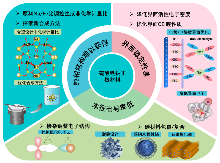
钠离子电池具有资源丰富和低成本优势, 是锂离子电池的有益补充, 有广阔的应用前景. 正极材料是关系钠离子电池成本的关键, 因此开发低成本、高性能的正极材料对推动钠离子电池应用具有重要意义. 具有Alluaudite型三维框架的硫酸铁钠正极材料不仅结构稳定、能量密度高, 且其原料来源广泛、环境友好, 是一种有竞争力的低成本钠离子电池正极材料. 然而, 硫酸铁钠材料面临着本征电导率低、界面性质活泼以及合成过程中容易出现杂相等问题, 限制了其在大规模储能体系中的应用. 本综述从材料晶体结构、钠离子脱嵌机制出发, 总结了其合成方法以及所面临的关键问题, 并从非化学计量比设计、元素掺杂、碳层包覆等角度详细概述了其改性策略, 最后介绍了该材料的产业化进程. 本综述为进一步提升硫酸铁钠的电化学性能提供了设计策略, 有望推动其商业化应用进程.
张贤碧, 项爽, 唐有根, 孙旦, 李欢欢, 王海燕. 钠离子电池硫酸铁钠正极的关键问题及设计策略★[J]. 化学学报, 2025, 83(8): 947-961.
Xianbi Zhang, Shuang Xiang, Yougen Tang, Dan Sun, Huanhuan Li, Haiyan Wang. Critical Challenges and Design Strategies of Sodium Iron Sulfate Cathode for Sodium-Ion Batteries★[J]. Acta Chimica Sinica, 2025, 83(8): 947-961.








| 化学式 | 改性策略 | 合成方法 | 倍率及循环性能 | 参考文献 |
|---|---|---|---|---|
| Na2+2xFe2-x(SO4)3 | 非化学计量比设计 | 喷雾干燥法 | 0.1 C, 93.8 mAh/g 20 C, 67.84 mAh/g 10 C, 1000圈, 71.1% | [ |
| Na2.4Fe1.6Mg0.02(SO4)3 | 阳离子掺杂 | 喷雾干燥法 | 0.1 C, 96.2 mAh/g 20 C, 62.7 mAh/g 5 C, 2000圈, 86% | [ |
| Na2.9Fe1.7(SO4)2.7(PO4)0.3 | 阴离子掺杂 | 固相球磨法 | 0.1 C, 100.4 mAh/g 30 C, 86.7 mAh/g 30 C, 6000圈, 85.5% | [ |
| Na2.2Fe1.75(SO3.9F0.1)3 | 阴离子掺杂 | 固相球磨法 | 0.1 C, 121.5 mAh/g 5 C, 86.4 mAh/g 5 C, 1000圈, 78.8% | [ |
| Na2+2xFe2-x(SO4)3@C@2%CNTs | 碳包覆 | 喷雾干燥法 | 0.05 C, 95.9 mAh/g 2 C, 80 mAh/g 1 C, 100圈, 96.1% | [ |
| Na2.4Fe1.8(SO4)3@rGO | 碳包覆 | 喷雾干燥法 | 0.05 C, 100 mAh/g 50 C, 45 mAh/g 10 C, 10000圈, 58% | [ |
| Na2+2xFe2-x(SO4)3@RHC | 碳包覆 | 固相球磨法 | 0.1 C, 96.8 mAh/g 20 C, 30 mAh/g 0.1 C, 100圈, 83.9% | [ |
| Na2Fe2(SO4)3@C@GO | 微观结构设计 | 冷冻干燥法 | 0.1 C, 107.9 mAh/g 10 C, 75.1 mAh/g 5 C, 800圈, 80.1% | [ |
| Na2+2xFe2-x(SO4)3@SWNT | 微观结构设计 | 静电纺丝法 | 0.05 C, 90.8 mAh/g 10 C, 74.9 mAh/g 5 C, 100圈, 92% | [ |
| Na2.26Fe1.87(SO4)3/Na6Fe(SO4)4 | 多尺度界面工程 | 冷冻干燥法 | 6 mA/g, 101.3 mAh/g 1200 mA/g, 73.5 mAh/g 60 mA/g, 1300圈, 80.69% | [ |
| 化学式 | 改性策略 | 合成方法 | 倍率及循环性能 | 参考文献 |
|---|---|---|---|---|
| Na2+2xFe2-x(SO4)3 | 非化学计量比设计 | 喷雾干燥法 | 0.1 C, 93.8 mAh/g 20 C, 67.84 mAh/g 10 C, 1000圈, 71.1% | [ |
| Na2.4Fe1.6Mg0.02(SO4)3 | 阳离子掺杂 | 喷雾干燥法 | 0.1 C, 96.2 mAh/g 20 C, 62.7 mAh/g 5 C, 2000圈, 86% | [ |
| Na2.9Fe1.7(SO4)2.7(PO4)0.3 | 阴离子掺杂 | 固相球磨法 | 0.1 C, 100.4 mAh/g 30 C, 86.7 mAh/g 30 C, 6000圈, 85.5% | [ |
| Na2.2Fe1.75(SO3.9F0.1)3 | 阴离子掺杂 | 固相球磨法 | 0.1 C, 121.5 mAh/g 5 C, 86.4 mAh/g 5 C, 1000圈, 78.8% | [ |
| Na2+2xFe2-x(SO4)3@C@2%CNTs | 碳包覆 | 喷雾干燥法 | 0.05 C, 95.9 mAh/g 2 C, 80 mAh/g 1 C, 100圈, 96.1% | [ |
| Na2.4Fe1.8(SO4)3@rGO | 碳包覆 | 喷雾干燥法 | 0.05 C, 100 mAh/g 50 C, 45 mAh/g 10 C, 10000圈, 58% | [ |
| Na2+2xFe2-x(SO4)3@RHC | 碳包覆 | 固相球磨法 | 0.1 C, 96.8 mAh/g 20 C, 30 mAh/g 0.1 C, 100圈, 83.9% | [ |
| Na2Fe2(SO4)3@C@GO | 微观结构设计 | 冷冻干燥法 | 0.1 C, 107.9 mAh/g 10 C, 75.1 mAh/g 5 C, 800圈, 80.1% | [ |
| Na2+2xFe2-x(SO4)3@SWNT | 微观结构设计 | 静电纺丝法 | 0.05 C, 90.8 mAh/g 10 C, 74.9 mAh/g 5 C, 100圈, 92% | [ |
| Na2.26Fe1.87(SO4)3/Na6Fe(SO4)4 | 多尺度界面工程 | 冷冻干燥法 | 6 mA/g, 101.3 mAh/g 1200 mA/g, 73.5 mAh/g 60 mA/g, 1300圈, 80.69% | [ |
| 申请公司 | 发明名称 | 针对问题 | 创新点 | 参考专利 |
|---|---|---|---|---|
| 三一红象电池有限公司 | 一种碳复合硫酸铁钠正极材料及其制备方法和应用 | 压实密度低 | 混料方式: 砂磨 | [ |
| 一种制备碳包覆硫酸铁钠材料的方法、碳包覆硫酸铁钠材料和电池 | 无机碳源包覆不均匀 | 引入分散剂: 十六烷基三甲基溴化铵 | [ | |
| 一种制备碳包覆硫酸铁钠材料的方法、碳包覆硫酸铁钠材料和电池 | 无机碳源包覆不均匀 | 球磨预分散无机碳源 | [ | |
| 深圳先进研究院 | 一种硫酸铁钠复合材料及其制备方法与应用 | 比容量偏低 | 与类普鲁士蓝材料复合 | [ |
| 一种双掺杂硫酸铁钠正极材料及其制备方法和应用 | 本征电导率低 | 阴阳离子双掺杂 | [ | |
| 一种硫酸铁钠材料及其制备方法和应用 | 空气稳定性差 | 非晶硫酸铁钠表面包覆 | [ | |
| 一种硫酸铁钠及其制备方法和应用 | 振实密度 | 微波溶剂热反应 | [ | |
| 一种自支撑正极及其制备方法和应用 | 本征电导率低 | 自支撑电极设计 | [ | |
| 深圳市津工能源有限公司 | 一种碳包覆钾锆共掺杂的硫酸铁钠正极材料及其制备方法和应用 | 本征电导率低 | 多阳离子共掺杂 | [ |
| 江苏众钠能源科技有限公司 | 一种复合正极材料、正极片及二次电池 | 比容量偏低、高温循环稳定性差 | 碳包覆磷酸焦磷酸铁钠材料包覆 | [ |
| 一种复合钠离子正极材料、制备方法及钠离子电池 | 易生成杂质、本征电导率低 | 分层式结构设计 | [ | |
| 一种碳包裹的硫酸铁钠正极材料及其制备方法 | 本征电导率低 | 氮化碳基材料包覆 | [ | |
| 超威电源集团有限公司 | 一种表面改性的硫酸铁钠正极材料及其制备方法 | 空气稳定性差 | 疏水材料表面改性 | [ |
| 贵州为方能源新材料科技有限公司 | 碳包覆掺杂铕的硫酸铁钠正极材料及其制备方法、钠离子电池和用电设备 | 本征电导率低 | 阳离子掺杂 | [ |
| 格林美(无锡)能源材料有限公司 | 一种硫酸铁钠正极材料及其制备方法 | 本征电导率低 | 阳离子掺杂 | [ |
| 申请公司 | 发明名称 | 针对问题 | 创新点 | 参考专利 |
|---|---|---|---|---|
| 三一红象电池有限公司 | 一种碳复合硫酸铁钠正极材料及其制备方法和应用 | 压实密度低 | 混料方式: 砂磨 | [ |
| 一种制备碳包覆硫酸铁钠材料的方法、碳包覆硫酸铁钠材料和电池 | 无机碳源包覆不均匀 | 引入分散剂: 十六烷基三甲基溴化铵 | [ | |
| 一种制备碳包覆硫酸铁钠材料的方法、碳包覆硫酸铁钠材料和电池 | 无机碳源包覆不均匀 | 球磨预分散无机碳源 | [ | |
| 深圳先进研究院 | 一种硫酸铁钠复合材料及其制备方法与应用 | 比容量偏低 | 与类普鲁士蓝材料复合 | [ |
| 一种双掺杂硫酸铁钠正极材料及其制备方法和应用 | 本征电导率低 | 阴阳离子双掺杂 | [ | |
| 一种硫酸铁钠材料及其制备方法和应用 | 空气稳定性差 | 非晶硫酸铁钠表面包覆 | [ | |
| 一种硫酸铁钠及其制备方法和应用 | 振实密度 | 微波溶剂热反应 | [ | |
| 一种自支撑正极及其制备方法和应用 | 本征电导率低 | 自支撑电极设计 | [ | |
| 深圳市津工能源有限公司 | 一种碳包覆钾锆共掺杂的硫酸铁钠正极材料及其制备方法和应用 | 本征电导率低 | 多阳离子共掺杂 | [ |
| 江苏众钠能源科技有限公司 | 一种复合正极材料、正极片及二次电池 | 比容量偏低、高温循环稳定性差 | 碳包覆磷酸焦磷酸铁钠材料包覆 | [ |
| 一种复合钠离子正极材料、制备方法及钠离子电池 | 易生成杂质、本征电导率低 | 分层式结构设计 | [ | |
| 一种碳包裹的硫酸铁钠正极材料及其制备方法 | 本征电导率低 | 氮化碳基材料包覆 | [ | |
| 超威电源集团有限公司 | 一种表面改性的硫酸铁钠正极材料及其制备方法 | 空气稳定性差 | 疏水材料表面改性 | [ |
| 贵州为方能源新材料科技有限公司 | 碳包覆掺杂铕的硫酸铁钠正极材料及其制备方法、钠离子电池和用电设备 | 本征电导率低 | 阳离子掺杂 | [ |
| 格林美(无锡)能源材料有限公司 | 一种硫酸铁钠正极材料及其制备方法 | 本征电导率低 | 阳离子掺杂 | [ |

| [1] |
|
| [2] |
|
| [3] |
|
| [4] |
|
| [5] |
|
| [6] |
|
| [7] |
doi: 10.1021/cr500192f pmid: 25390643 |
| [8] |
|
| [9] |
|
| [10] |
|
|
(向兴德, 卢艳莹, 陈军, 化学学报, 2017, 75, 154.)
doi: 10.6023/A16060275 |
|
| [11] |
|
| [12] |
|
|
(谢佶晟, 肖竹梅, 左文华, 杨勇, 化学学报, 2021, 79, 1232.)
doi: 10.6023/A21060260 |
|
| [13] |
|
| [14] |
|
|
(李慧, 吴川, 吴锋, 白莹, 化学学报, 2014, 72, 21.)
doi: 10.6023/A13080830 |
|
| [15] |
|
| [16] |
|
| [17] |
|
| [18] |
|
| [19] |
|
| [20] |
|
| [21] |
|
| [22] |
doi: 10.1038/ncomms5358 pmid: 25030272 |
| [23] |
|
| [24] |
|
| [25] |
doi: 10.1021/nl3027839 pmid: 23074971 |
| [26] |
|
| [27] |
doi: 10.1039/c5cp00380f pmid: 25757515 |
| [28] |
|
| [29] |
|
| [30] |
|
| [31] |
|
| [32] |
|
| [33] |
|
| [34] |
|
| [35] |
|
| [36] |
|
| [37] |
|
| [38] |
|
| [39] |
|
| [40] |
|
| [41] |
|
| [42] |
|
| [43] |
doi: 10.1039/c9ta03930a |
| [44] |
|
| [45] |
|
| [46] |
|
| [47] |
|
| [48] |
|
| [49] |
|
| [50] |
|
| [51] |
|
|
(邱凯, 严铭霞, 赵守旺, 安胜利, 王玮, 贾桂霄, 化学学报, 2021, 79, 1146.)
|
|
| [52] |
|
| [53] |
|
| [54] |
|
| [55] |
|
| [56] |
|
| [57] |
|
| [58] |
|
| [59] |
|
| [60] |
|
| [61] |
|
| [62] |
|
| [63] |
|
| [64] |
|
| [65] |
|
| [66] |
|
| [67] |
|
| [68] |
|
| [69] |
|
| [70] |
|
| [71] |
|
| [72] |
|
| [73] |
|
| [74] |
|
| [75] |
|
| [76] |
|
| [77] |
|
| [78] |
|
| [79] |
|
| [80] |
|
| [81] |
|
| [82] |
|
| [83] |
|
| [84] |
|
| [85] |
|
| [86] |
|
| [87] |
|
| [88] |
|
| [89] |
|
| [90] |
|
| [91] |
|
| [92] |
doi: 10.6023/A18040129 |
|
(王玲, 杨国锐, 王嘉楠, 王思岚, 彭生杰, 延卫, 化学学报, 2018, 76, 666.)
doi: 10.6023/A18040129 |
|
| [93] |
|
| [94] |
|
| [95] |
doi: 10.1038/s41467-023-39384-7 pmid: 37349302 |
| [96] |
|
| [97] |
|
| [98] |
|
| [99] |
|
| [100] |
|
| [101] |
|
| [102] |
|
| [103] |
|
| [104] |
|
| [105] |
|
| [106] |
|
| [107] |
|
| [108] |
|
| [109] |
|
| [110] |
|
| [111] |
|
| [1] | 王娟, 肖华敏, 谢丁, 郭元茹, 潘清江. 铜掺杂与氮化碳复合氧化锌材料结构和二氧化氮气体传感性质的密度泛函理论计算[J]. 化学学报, 2023, 81(11): 1493-1499. |
| [2] | 马慧, 张桓荣, 薛面起. 水系钠离子电池的研究进展及实用化挑战[J]. 化学学报, 2021, 79(4): 388-405. |
| [3] | 董瑞琪, 吴锋, 白莹, 吴川. 钠离子电池硬碳负极储钠机理及优化策略[J]. 化学学报, 2021, 79(12): 1461-1476. |
| [4] | 谢佶晟, 肖竹梅, 左文华, 杨勇. 钠离子电池钴酸钠正极材料研究进展[J]. 化学学报, 2021, 79(10): 1232-1243. |
| [5] | 高斯萌, 夏坤, 康志红, 乃永宁, 袁瑞霞, 牛瑞霞. “拟双子”阴离子表面活性剂在癸烷/水界面的分子动力学模拟[J]. 化学学报, 2020, 78(2): 155-160. |
| [6] | 宋学霞, 李继成, 李朝晖, 李喜飞, 丁燕怀, 肖启振, 雷钢铁. 钾掺杂对钒酸钠纳米片储钠性能的影响[J]. 化学学报, 2019, 77(7): 625-633. |
| [7] | 渠璐平, 任彤, 王宁, 史月丽, 庄全超. 硬碳材料电极首周嵌钠过程的电化学阻抗谱研究[J]. 化学学报, 2019, 77(7): 634-640. |
| [8] | 王玲, 杨国锐, 王嘉楠, 王思岚, 彭生杰, 延卫. 静电纺丝在钠离子电池中的应用研究进展[J]. 化学学报, 2018, 76(9): 666-680. |
| [9] | 李攀, 刘建, 孙惟袆, 陶占良, 陈军. 铜钱状二硫化钒的制备及储钠性能研究[J]. 化学学报, 2018, 76(4): 286-291. |
| [10] | 刘丽露, 戚兴国, 胡勇胜, 陈立泉, 黄学杰. 钠离子电池新型Cu基隧道型氧化物正极材料研究[J]. 化学学报, 2017, 75(2): 218-224. |
| [11] | 张思伟, 张俊, 吴思达, 吕伟, 康飞宇, 杨全红. 钠离子电池用碳负极材料研究进展[J]. 化学学报, 2017, 75(2): 163-172. |
| [12] | 向兴德, 卢艳莹, 陈军. 钠离子电池先进功能材料的研究进展[J]. 化学学报, 2017, 75(2): 154-162. |
| [13] | 李慧, 吴川, 吴锋, 白莹. 钠离子电池:储能电池的一种新选择[J]. 化学学报, 2014, 72(1): 21-29. |
| [14] | 孙暖暖, 李一鸣, 王东翔, 包木太, 童林娟. Pluronic三嵌段共聚物在油水界面上自组装行为的介观模拟研究[J]. 化学学报, 2013, 71(02): 186-192. |
| [15] | 徐土根, 王连邦, 李晟, 马淳安. 锂电池中低成本碳包覆磷酸铁锂正极材料的合成及其性能[J]. 化学学报, 2009, 67(20): 2275-2278. |
| 阅读次数 | ||||||
|
全文 |
|
|||||
|
摘要 |
|
|||||
