

化学学报 ›› 2026, Vol. 84 ›› Issue (6): 969-986.DOI: 10.6023/A26010024 上一篇 下一篇
综述
王淳a,b,c, 付明月a,c, 陈伟a,*( ), 陈铁根c,d,*()
投稿日期:2026-01-24
发布日期:2026-03-24
作者简介: |
王淳, 2025年毕业于西南交通大学, 获硕士学位, 研究兴趣为自由基反应构建季碳中心. |
 |
付明月, 西南交通大学在读硕士研究生, 研究兴趣为自由基参与的烯烃官能团化. |
 |
陈伟, 西南交通大学生命科学与工程学院副教授; 2015年6月博士毕业于南开大学, 导师为李正名教授; 2019年至2020在The Scripps Research Institute的余金权教授课题组访问学习. 主要从事有机电化学合成以及天然产物的仿生合成修饰. |
 |
陈铁根, 现任中国科学院上海药物所课题组长、研究员、博士生导师. 2014年在中国科学院上海有机化学研究所获得博士学位, 导师为戴立信研究员(院士)&侯雪龙研究员. 2016年在美国斯克里普斯研究所(The Scripps Research Institute)做博士后工作, 合作导师为Phil S. Baran教授. 2020年底加入中国科学院上海药物研究所和中科中山药物创新研究院, 主要从事自由基化学和药物化学领域研究. |
基金资助:
Chun Wanga,b,c, Mingyue Fua,c, Wei Chena,*(), Tiegen Chenc,d,*()
Received:2026-01-24
Published:2026-03-24
Contact:
E-mail: Supported by:文章分享
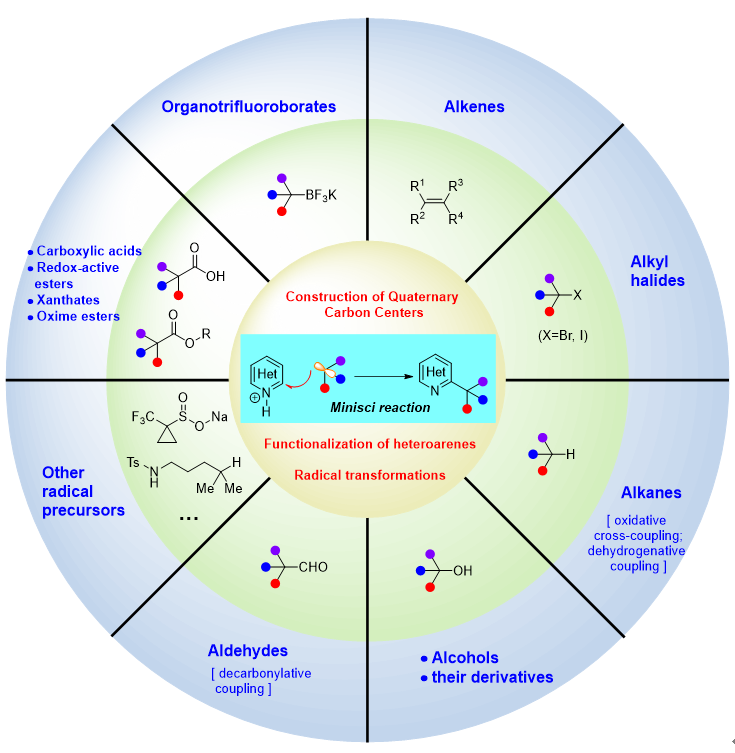
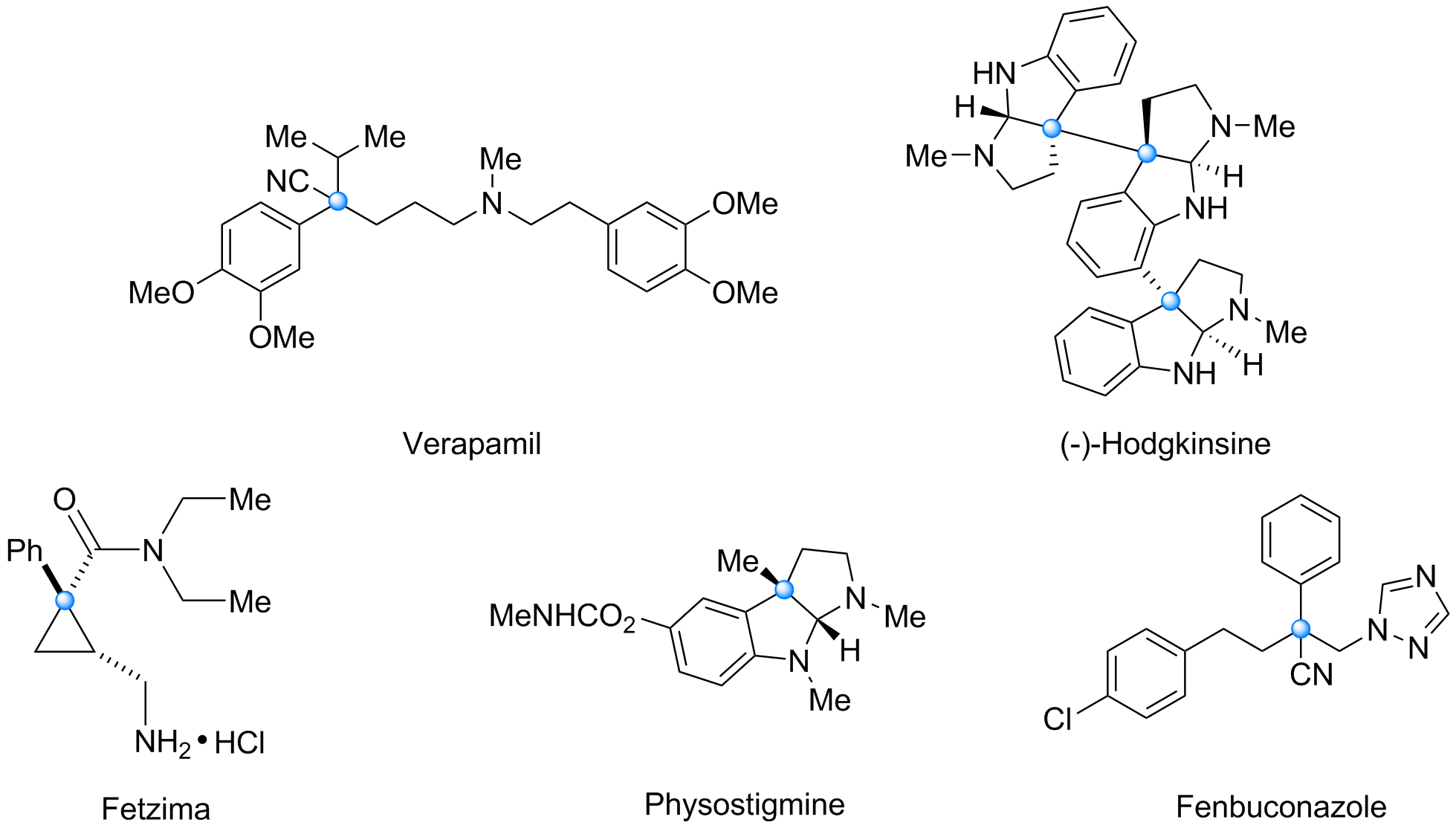
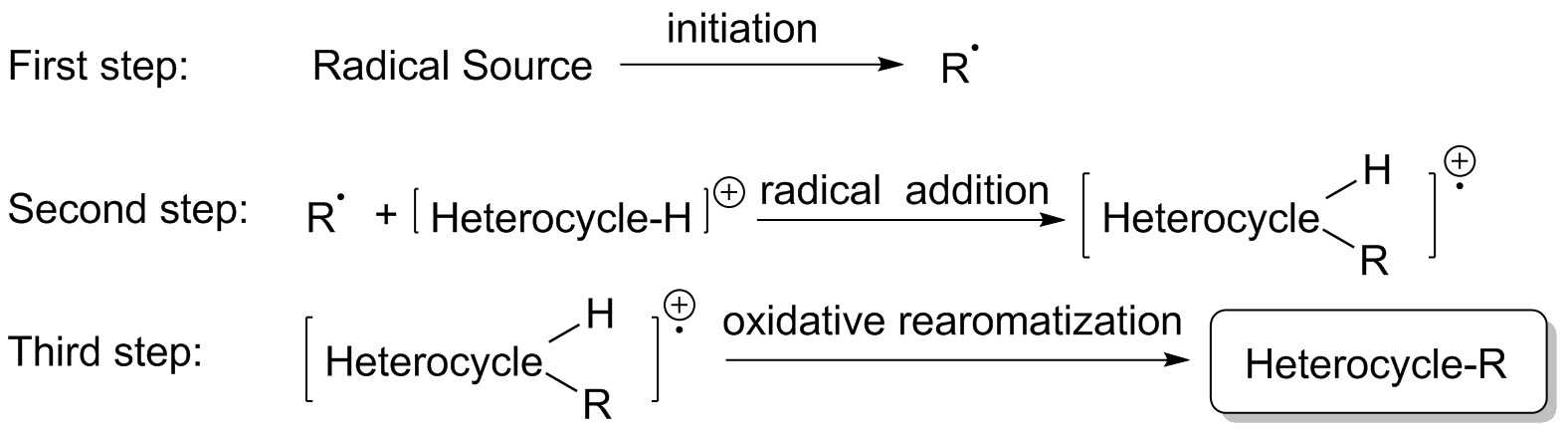
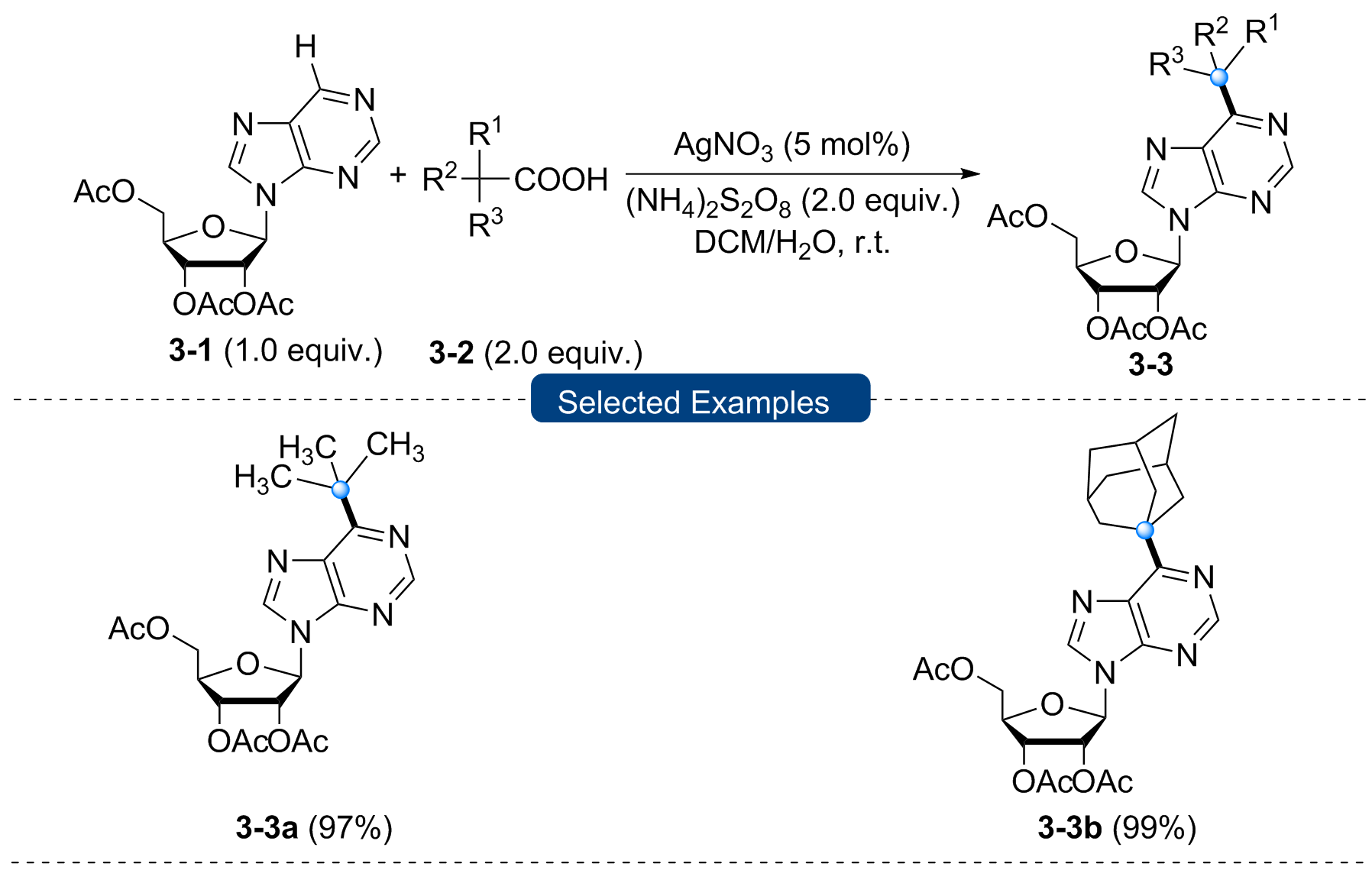
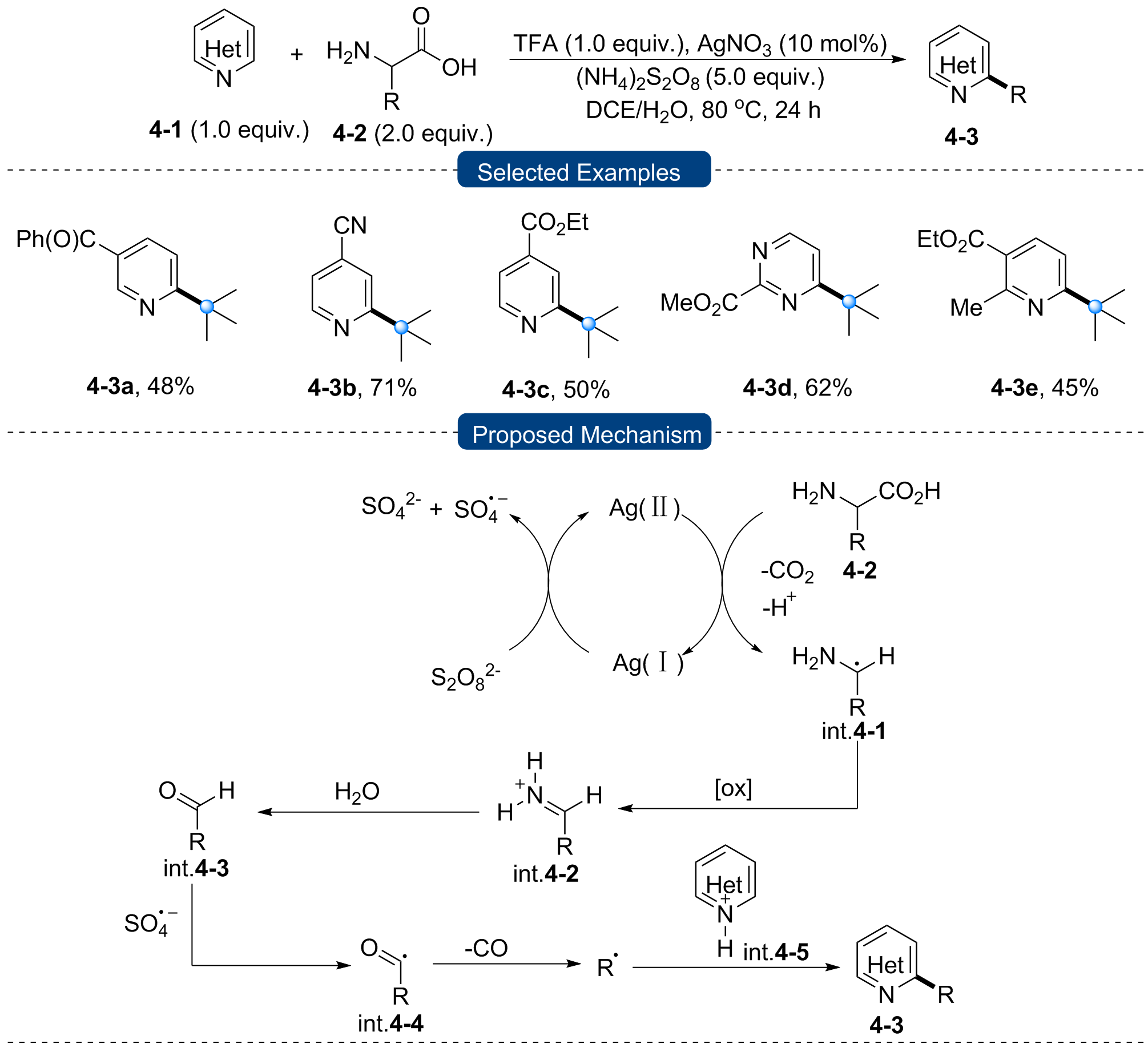
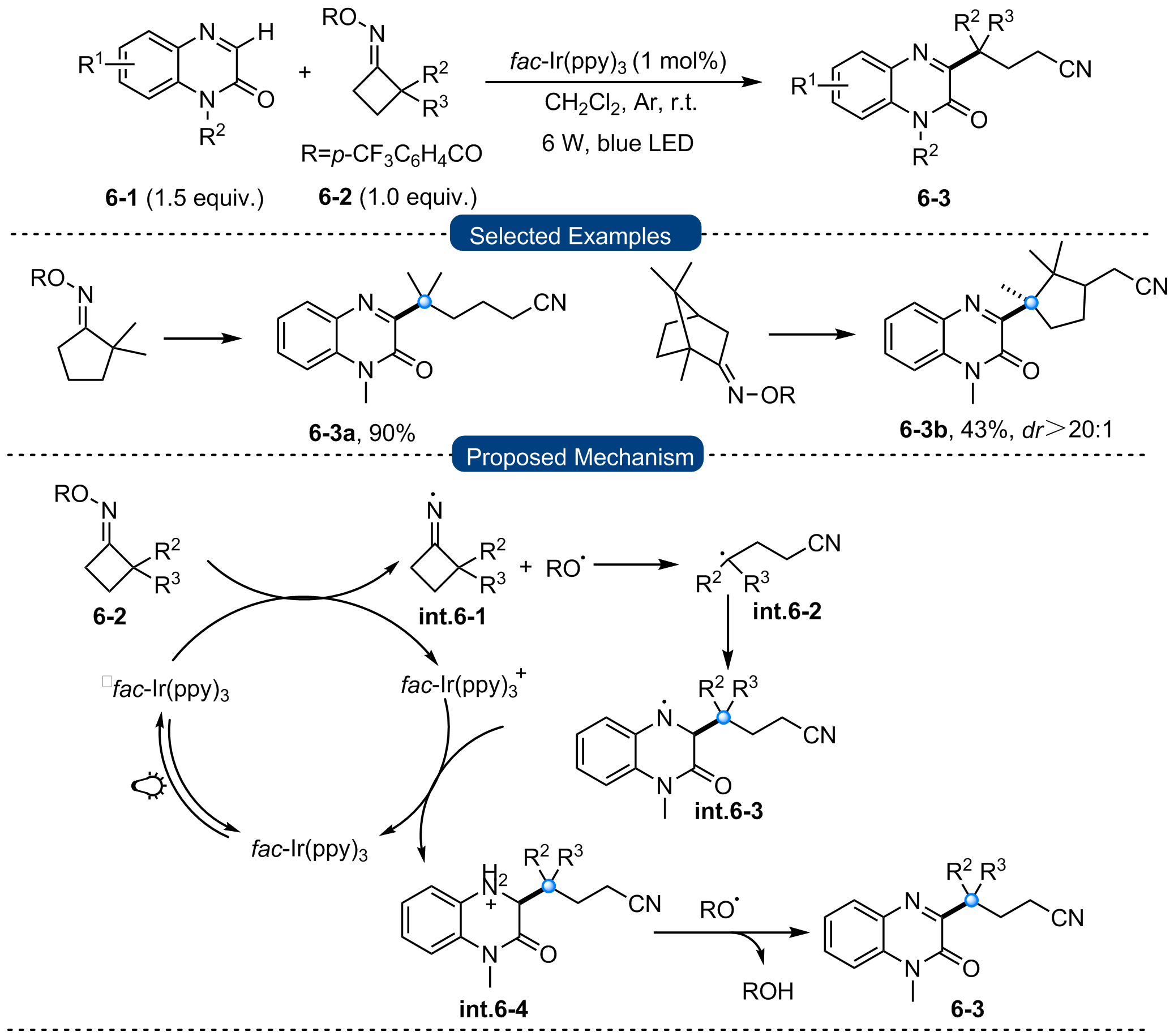
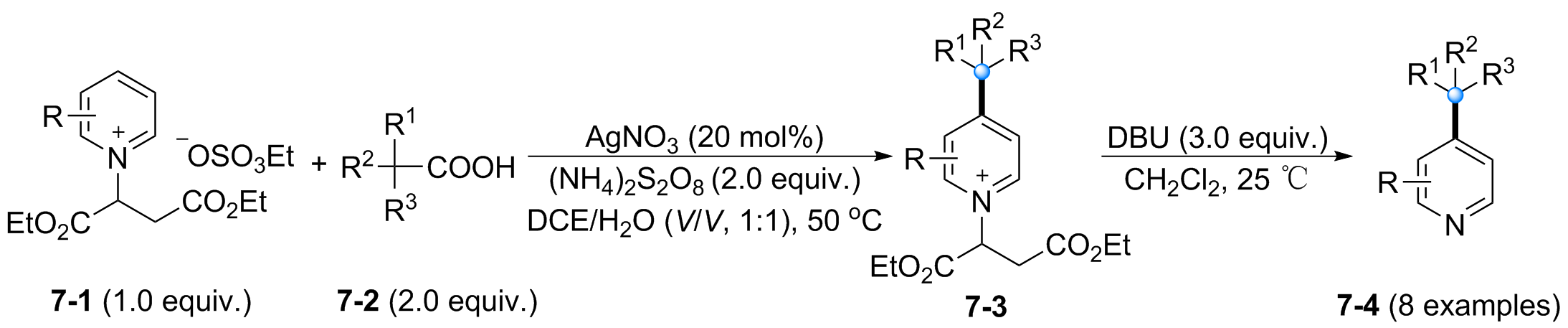
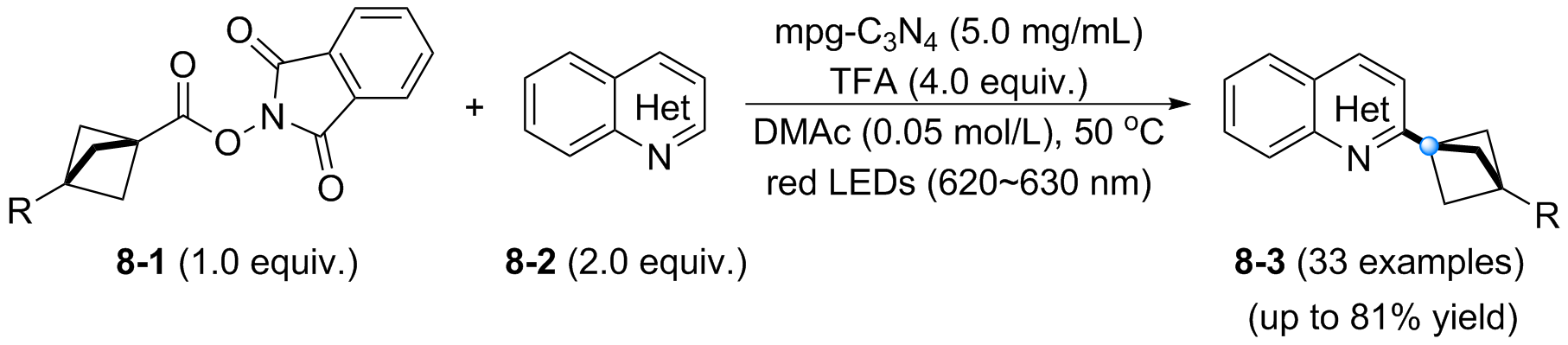
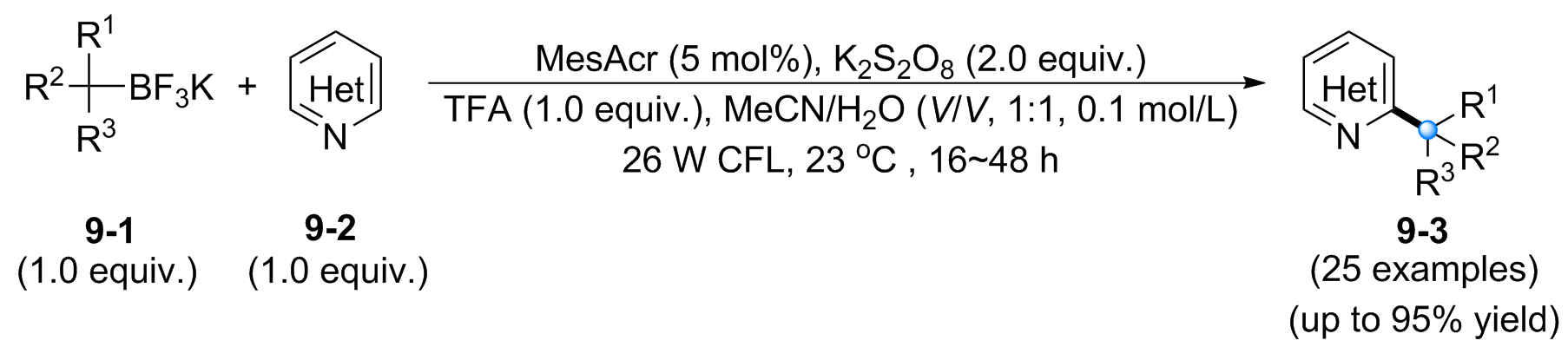
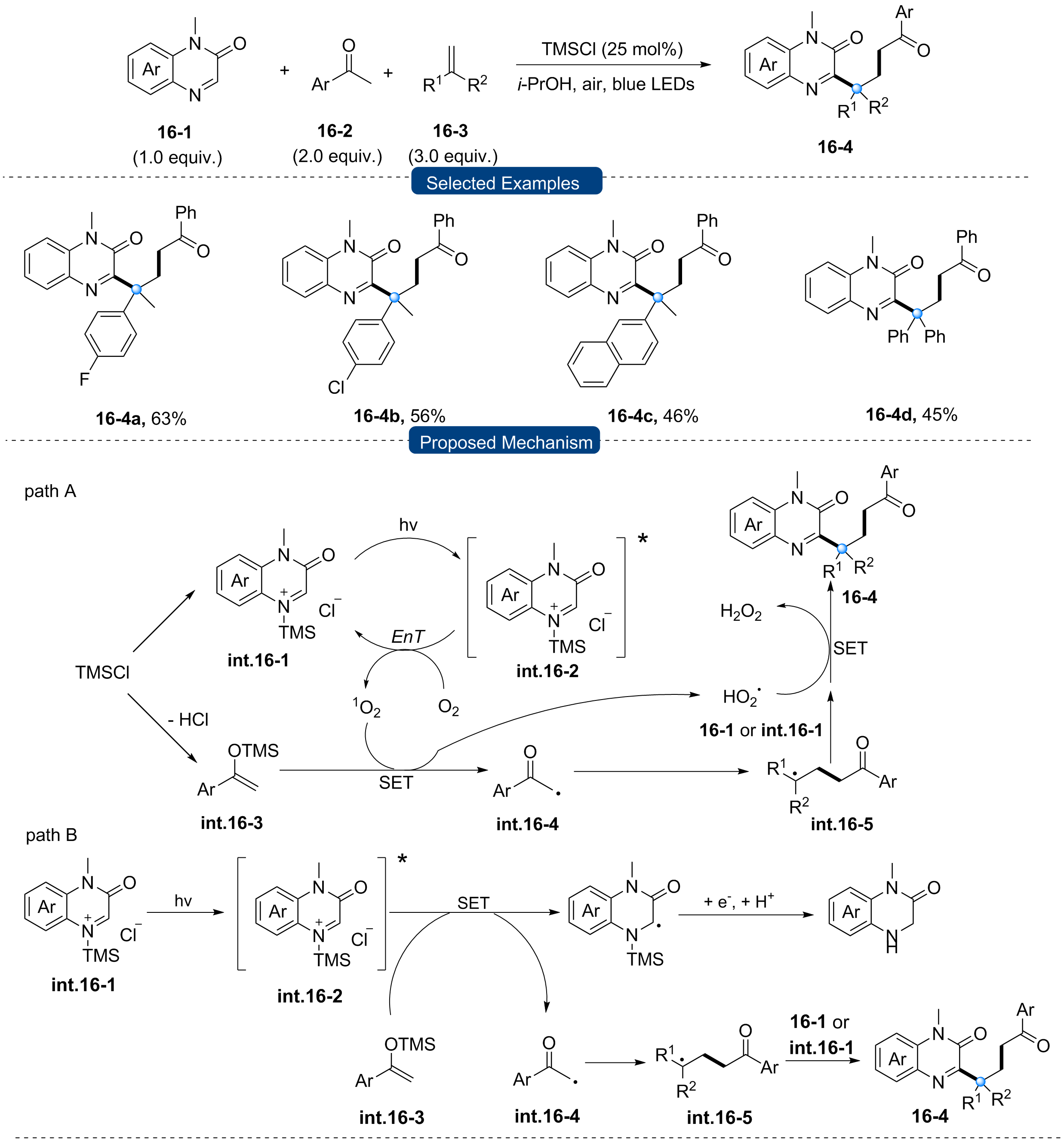
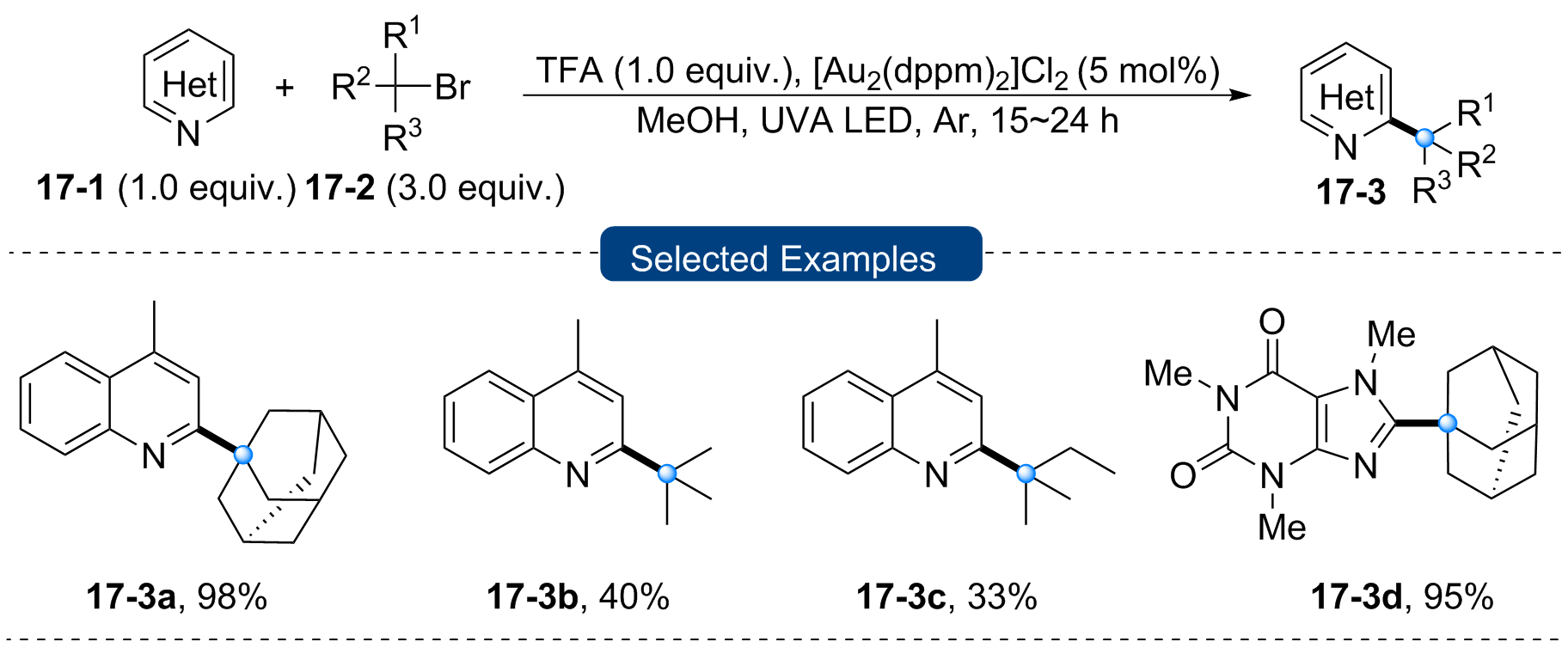
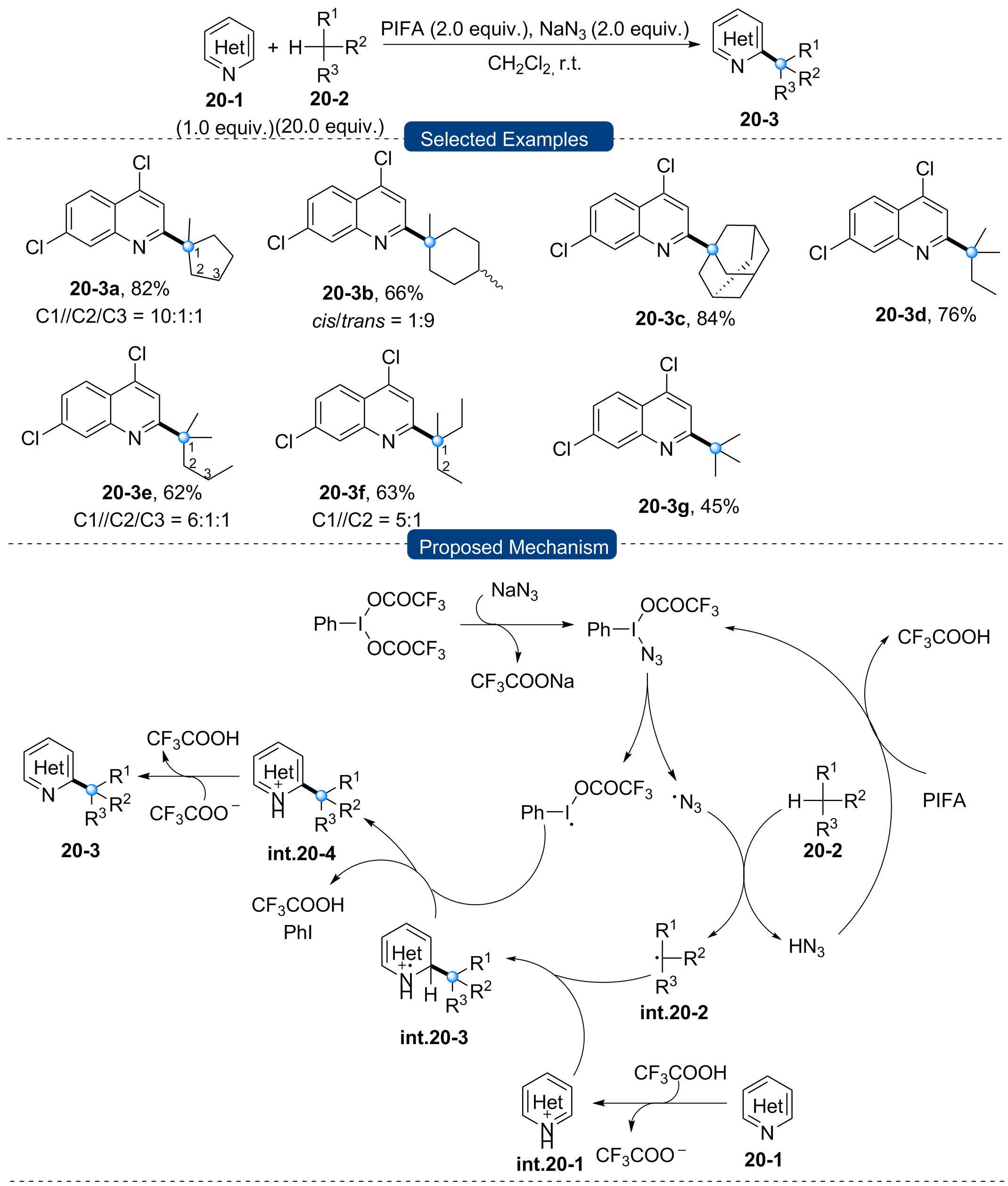
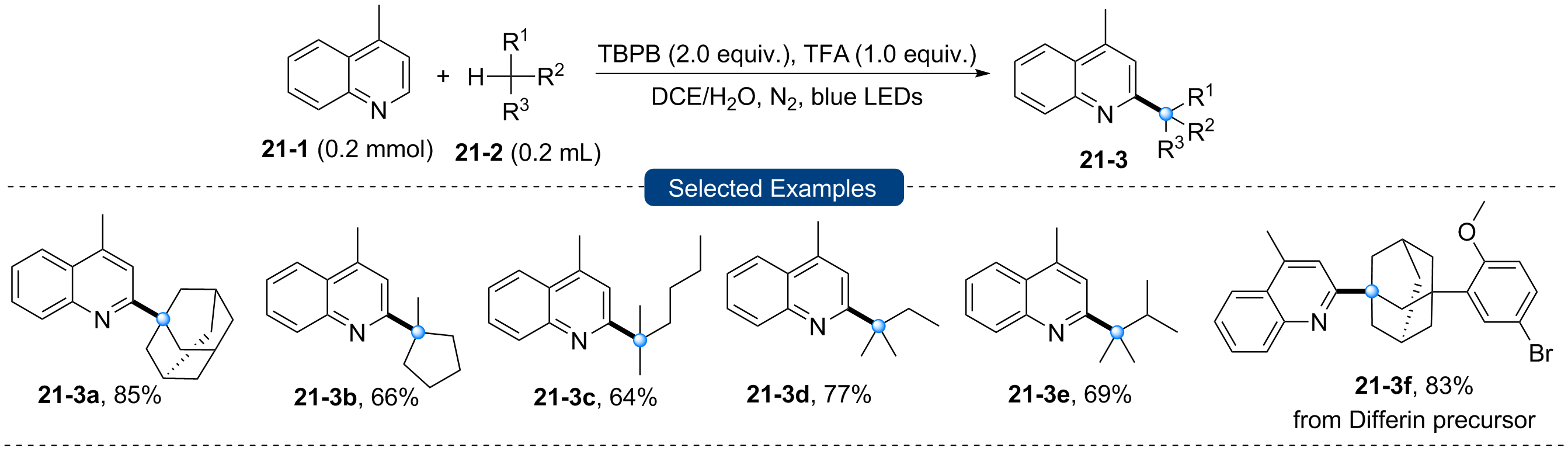
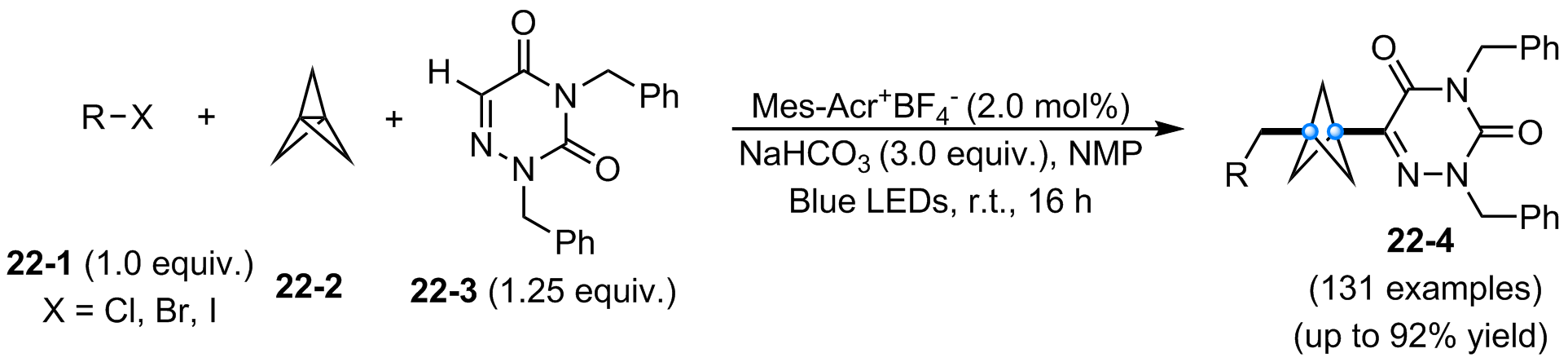
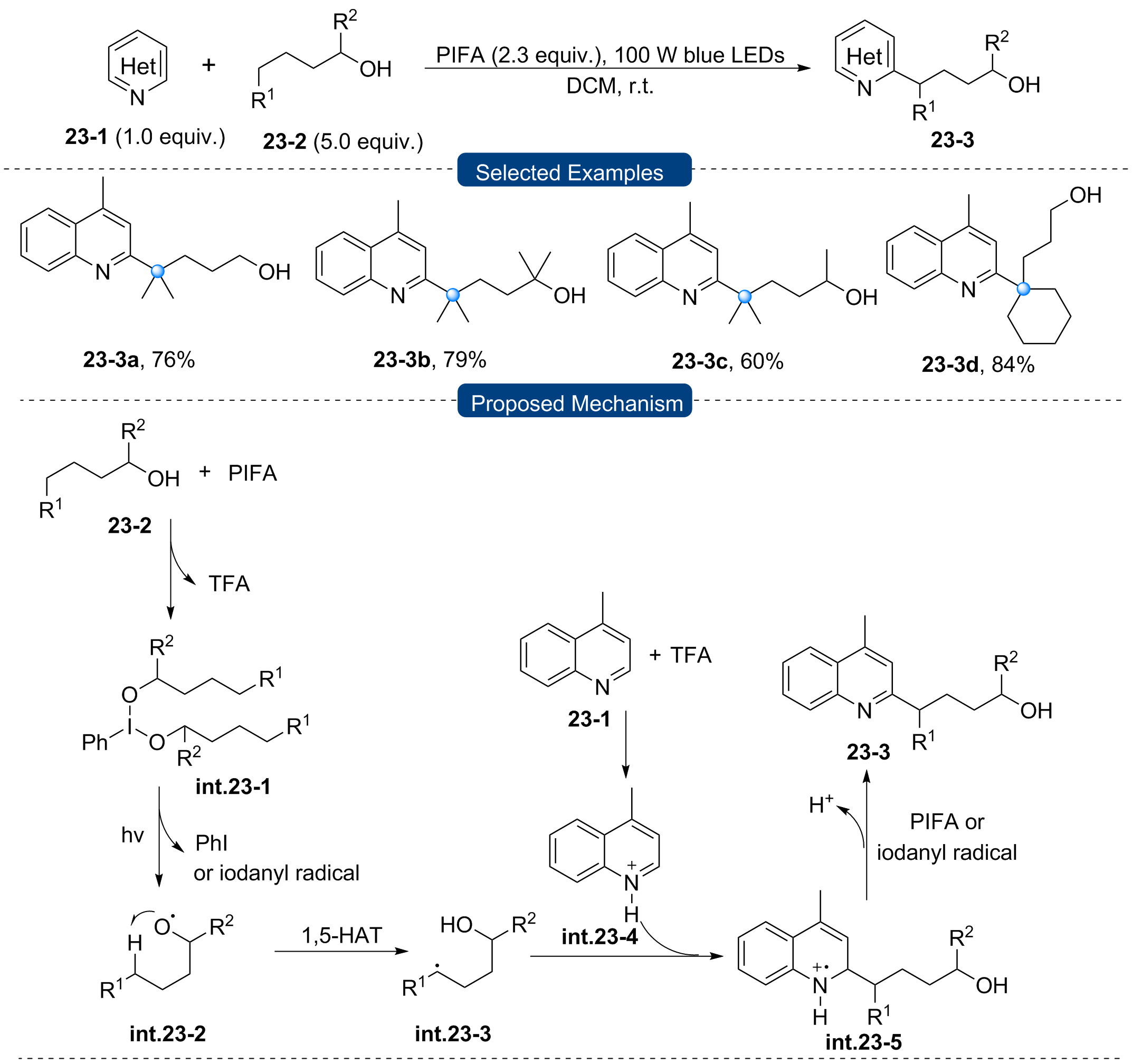
季碳中心作为一类重要的有机结构单元, 广泛存在于天然产物和药物分子中. 但因其空间位阻较大且易发生消除反应, 季碳中心的高效合成仍面临巨大挑战. 杂芳环是药物分子、功能材料及天然产物的核心骨架, 杂芳环及其衍生物的高效合成与结构修饰长期以来都是有机化学的研究热点. Minisci反应是一类通过亲核性碳自由基对质子化的缺电子芳杂环实施自由基加成的有机反应, 被广泛应用于药物化学与有机合成化学领域. 同时, Minisci反应也是构建季碳中心的重要方法之一, 能够高效地将季碳结构引入芳杂环体系. 本文以羧酸及其衍生物、硼酸盐、烯烃、卤代烷、烷烃、醇及其衍生物、醛等自由基前体为切入点, 综述了近年来利用Minisci反应构建季碳中心的研究进展.
王淳, 付明月, 陈伟, 陈铁根. Minisci反应构建季碳中心的研究进展[J]. 化学学报, 2026, 84(6): 969-986.
Chun Wang, Mingyue Fu, Wei Chen, Tiegen Chen. Recent Advances in the Construction of Quaternary Carbon Centers via Minisci Reaction[J]. Acta Chimica Sinica, 2026, 84(6): 969-986.









| [1] |
doi: 10.1021/acs.chemrev.7b00653 |
| [2] |
doi: 10.1021/acs.chemrev.8b00504 |
| [3] |
doi: 10.1021/acs.chemrev.0c00922 pmid: 33164487 |
| [4] |
doi: 10.1021/ar050175j |
| [5] |
doi: 10.1002/anie.v46:29 |
| [6] |
doi: 10.1021/acs.chemrev.7b00385 |
| [7] |
doi: 10.1021/acs.jmedchem.0c00829 |
| [8] |
doi: 10.1002/cjoc.v42.20 |
| [9] |
doi: 10.1039/D0CS01107J |
| [10] |
doi: 10.1002/anie.v58.8 |
| [11] |
doi: 10.1126/science.adn5619 |
| [12] |
doi: 10.1126/science.abl4322 |
| [13] |
doi: 10.1021/jacs.4c14942 |
| [14] |
doi: 10.1021/acs.jmedchem.0c01786 |
| [15] |
doi: 10.1021/acs.chemrev.1c00449 |
| [16] |
doi: 10.1021/acs.jmedchem.4c01122 |
| [17] |
doi: 10.1016/S0040-4039(00)70732-5 |
| [18] |
doi: 10.2174/18755348MTEylODY6w |
| [19] |
doi: 10.1021/acs.accounts.3c00247 |
| [20] |
doi: 10.1039/c1md00134e |
| [21] |
doi: 10.1002/anie.201900977 pmid: 30888102 |
| [22] |
doi: 10.1039/D3GC05089K |
| [23] |
doi: 10.6023/cjoc202102001 |
|
(孟薇, 徐坤, 郭兵兵, 曾程初, 有机化学, 2021, 41, 2621.)
doi: 10.6023/cjoc202102001 |
|
| [24] |
doi: 10.6023/cjoc202401015 |
|
(王文贵, 王守锋, 有机化学, 2024, 44, 2136.)
doi: 10.6023/cjoc202401015 |
|
| [25] |
doi: 10.6023/cjoc202312016 |
|
(李文雅, 王煜, 陈江琦, 史丹, 张良, 余小春, 王正军, 有机化学, 2024, 44, 2110.)
doi: 10.6023/cjoc202312016 |
|
| [26] |
doi: 10.1016/S0040-4020(01)97768-3 |
| [27] |
doi: 10.1021/ol4033336 |
| [28] |
doi: 10.1021/acs.orglett.6b01754 |
| [29] |
doi: 10.1021/acs.orglett.8b01299 pmid: 29856227 |
| [30] |
doi: 10.1039/c9qo00625g |
| [31] |
doi: 10.1021/jacs.1c05278 pmid: 34318659 |
| [32] |
doi: 10.1021/acs.orglett.5c04313 |
| [33] |
doi: 10.1039/C7SC00283A |
| [34] |
doi: 10.1002/anie.v58.14 |
| [35] |
doi: 10.1002/ejoc.v27.9 |
| [36] |
doi: 10.1021/jacs.6b05271 |
| [37] |
doi: 10.1021/acs.orglett.7b00833 |
| [38] |
doi: 10.1021/acs.joc.2c02498 |
| [39] |
doi: 10.1021/acs.joc.4c01652 |
| [40] |
doi: 10.1021/acs.orglett.5c01704 |
| [41] |
doi: 10.1039/c6sc00807k pmid: 30155127 |
| [42] |
doi: 10.1002/anie.v56.48 |
| [43] |
doi: 10.1039/C8SC04892D |
| [44] |
doi: 10.1002/anie.201209584 pmid: 23364911 |
| [45] |
doi: 10.1039/D3GC03983H |
| [46] |
doi: 10.1021/acscatal.4c00740 |
| [47] |
doi: 10.6023/A15060407 |
|
(尚筱洁, 柳忠全, 化学学报, 2015, 73, 1275.)
doi: 10.6023/A15060407 |
|
| [48] |
doi: 10.1038/s41467-018-05522-9 |
| [49] |
doi: 10.1039/C9QO00786E |
| [50] |
doi: 10.1021/acscatal.9b00405 |
| [51] |
doi: 10.1021/acs.joc.9b00972 |
| [52] |
doi: 10.1002/anie.v59.27 |
| [53] |
doi: 10.1039/C9GC03008E |
| [54] |
doi: 10.1021/jacs.7b05899 pmid: 28832137 |
| [55] |
doi: 10.1039/D0GC02111C |
| [56] |
doi: 10.1002/anie.201406622 pmid: 25088979 |
| [57] |
doi: 10.1039/C9SC02564B |
| No related articles found! |
| 阅读次数 | ||||||
|
全文 |
|
|||||
|
摘要 |
|
|||||
