有机化学 ›› 2026, Vol. 46 ›› Issue (9): 3523-3545.DOI: 10.6023/cjoc202604048 上一篇 下一篇
综述与进展
郭振广†, 高登元†, 葛洛*( ), 邓卫平*()
收稿日期:2026-04-28
修回日期:2026-05-16
发布日期:2026-05-27
作者简介:† 共同第一作者
基金资助:
Zhenguang Guo, Dengyuan Gao, Luo Ge*(), Weiping Deng*()
Received:2026-04-28
Revised:2026-05-16
Published:2026-05-27
Contact:
About author:Dedicated to the 100th anniversary of the birth of Professor Xikui Jiang.
† These authors contributed equally to this work
Supported by:文章分享
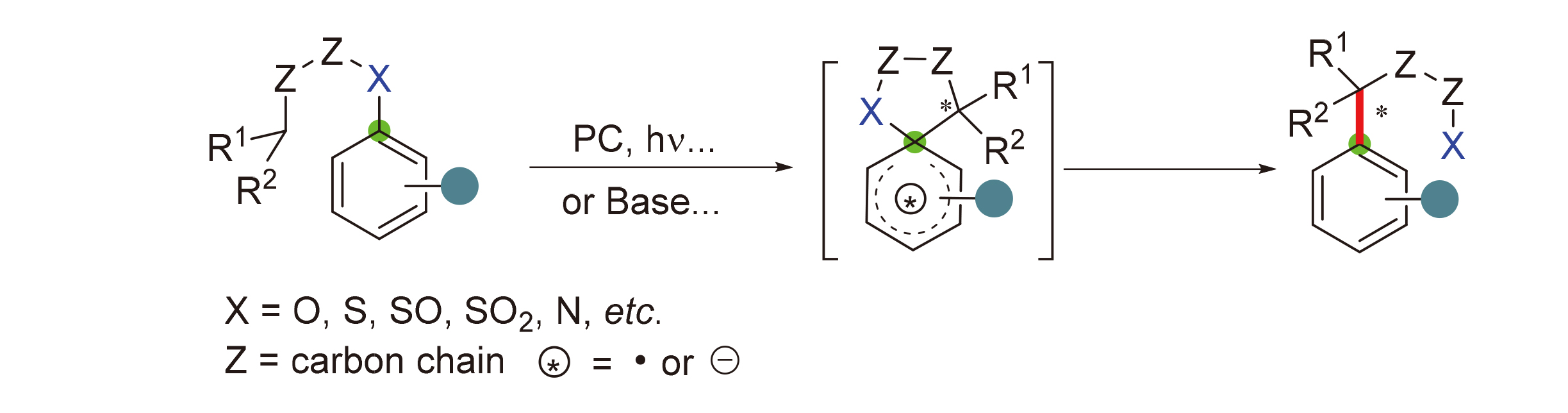
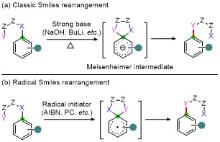
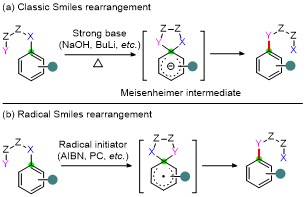
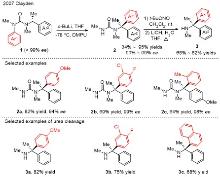
Smiles重排反应是一类通过分子内芳基迁移实现碳-碳键高效构建的重要合成策略, 广泛应用于药物分子、天然产物与功能材料的合成中, 但其不对称转化发展相对滞后, 目前尚无系统综述. 此文以反应机理为主线, 将不对称Smiles重排反应划分为离子型与自由基型两大类型, 并从手性底物诱导、手性试剂介导、手性催化三大立体控制策略出发, 系统总结了各反应体系的设计原理、反应特点与适用范围. 最后, 总结了当前该领域面临的核心挑战, 并对其未来发展方向与应用前景进行了展望, 旨在为相关手性合成方法学研究提供有益参考.
郭振广, 高登元, 葛洛, 邓卫平. 不对称Smiles重排反应研究进展[J]. 有机化学, 2026, 46(9): 3523-3545.
Zhenguang Guo, Dengyuan Gao, Luo Ge, Weiping Deng. Research Progress on Asymmetric Smiles Rearrangement[J]. Chinese Journal of Organic Chemistry, 2026, 46(9): 3523-3545.
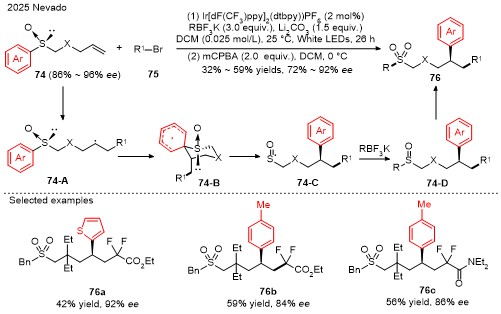
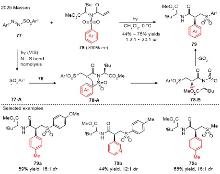
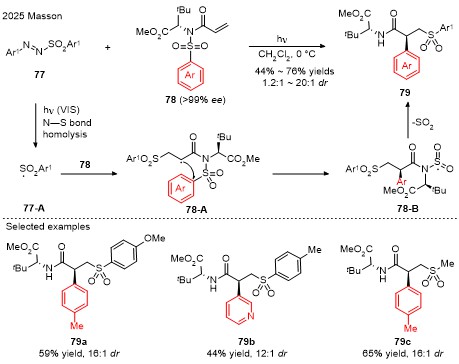
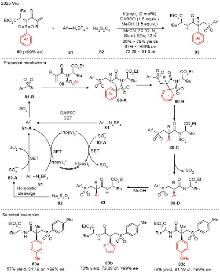
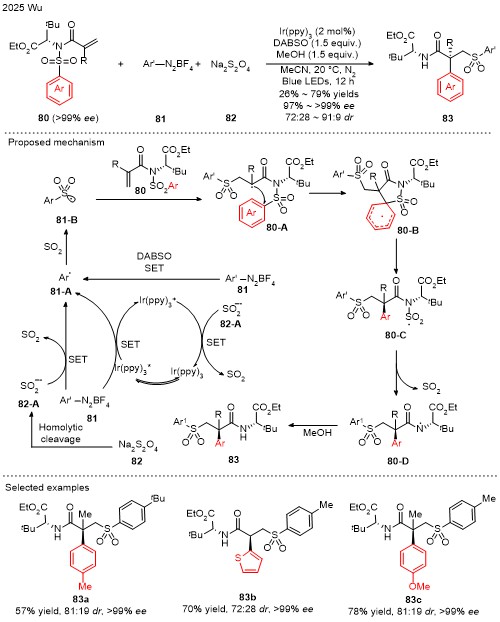
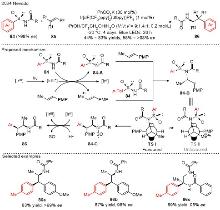
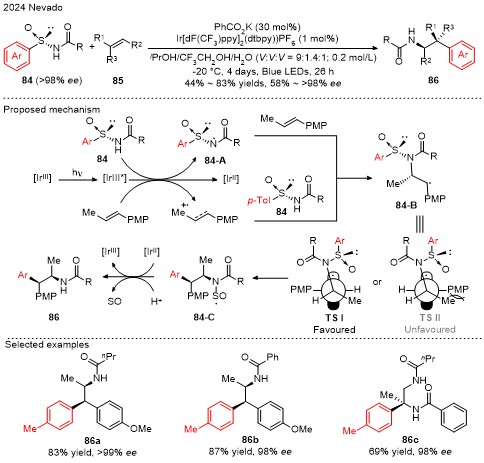
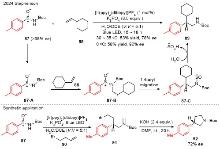
| [1] |
(a)
|
|
(b)
|
|
|
(c)
|
|
| [2] |
(a)
doi: 10.1039/C4CS00467A pmid: 27513700 |
|
(b)
doi: 10.1021/acs.orglett.6b02105 pmid: 27513700 |
|
|
(c)
doi: 10.6023/cjoc201701012 pmid: 27513700 |
|
|
(蔺松波, 何兴瑞, 孟金鹏, 顾海宁, 张培志, 吴军, 有机化学, 2017, 37, 1864.)
doi: 10.6023/cjoc201701012 pmid: 27513700 |
|
|
(d)
doi: 10.1002/chem.v23.38 pmid: 27513700 |
|
|
(e)
doi: 10.1002/anie.v61.42 pmid: 27513700 |
|
|
(f)
doi: 10.1021/acs.orglett.2c01878 pmid: 27513700 |
|
| [3] |
(a)
doi: 10.1021/ja01547a038 |
|
(b)
doi: 10.1039/b808960d |
|
|
(c)
doi: 10.2174/15701794113106660081 |
|
|
(d)
doi: 10.3390/molecules21070878 |
|
|
(e)
doi: 10.1055/a-1710-6289 |
|
|
(f)
doi: 10.1055/s-0040-1720035 |
|
| [4] |
(a)
doi: 10.6023/A19050179 |
|
(陈奕霖, 常亮, 左智伟, 化学学报, 2019, 77, 794.)
doi: 10.6023/A19050179 |
|
|
(b)
doi: 10.1021/acs.chemrev.1c00388 |
|
|
(c)
doi: 10.6023/cjoc202408025 |
|
|
(d)
doi: 10.1039/D5QO00360A |
|
|
(e)
doi: 10.1016/j.cclet.2025.111556 |
|
| [5] |
(a)
doi: 10.1021/acs.accounts.2c00184 |
|
(b)
|
|
| [6] |
doi: 10.1021/ja071523a |
| [7] |
doi: 10.1021/ol801332n |
| [8] |
|
| [9] |
doi: 10.1021/ja808959e |
| [10] |
doi: 10.1021/ol100627c pmid: 20405879 |
| [11] |
doi: 10.1002/chem.v16:35 |
| [12] |
doi: 10.1039/c0cc04912c |
| [13] |
doi: 10.1021/ja406653n pmid: 23957387 |
| [14] |
doi: 10.1021/ol5002522 |
| [15] |
doi: 10.1002/anie.201502569 pmid: 26083236 |
| [16] |
doi: 10.1021/acs.joc.5b01912 |
| [17] |
doi: 10.1038/s41586-018-0553-9 |
| [18] |
doi: 10.1039/C8CC06833J |
| [19] |
doi: 10.1021/jacs.8b11891 |
| [20] |
doi: 10.1021/acs.orglett.9b01848 |
| [21] |
|
| [22] |
doi: 10.1021/ol102155h |
| [23] |
doi: 10.1021/ol3029324 |
| [24] |
|
| [25] |
|
| [26] |
doi: 10.1038/s41557-021-00668-4 pmid: 33833448 |
| [27] |
doi: 10.1038/s41467-022-34836-y |
| [28] |
doi: 10.1039/D2GC00960A |
| [29] |
|
| [30] |
|
| [31] |
doi: 10.1021/acs.orglett.4c04484 pmid: 39693505 |
| [32] |
|
| [33] |
doi: 10.1021/jacsau.5c00919 |
| [34] |
doi: 10.1039/D5QO00383K |
| [35] |
doi: 10.1038/s41557-023-01414-8 |
| [36] |
doi: 10.1038/s41557-023-01404-w |
| [37] |
|
| [38] |
doi: 10.1021/jacs.5c01179 |
| [1] | 王桂霞, 龚木兰, 杜金龙, 程啟明, 苗力文, 孔翔飞. 具有生物活性的C(2)手性-4-色满酮衍生物的不对称合成研究进展[J]. 有机化学, 2026, 46(8): 2949-2968. |
| [2] | 刘如灿, 唐杰, 朱立军, 马明, 胡旭东, 刘文博. 手性香料(–)-薄荷醇的不对称合成进展[J]. 有机化学, 2026, 46(6): 2267-2274. |
| [3] | 董梅, 林国强, 洪然, 黄莎华, 谢昌敏. 强效神经毒剂Anatoxin-a的不对称合成研究进展[J]. 有机化学, 2026, 46(6): 2193-2206. |
| [4] | 许俊华, 张珂瑗, 贺重隆, 段新华, 刘乐. 磺酰基衍生物介导的自由基型芳基迁移反应进展[J]. 有机化学, 2026, 46(4): 1255-1283. |
| [5] | 夏颖, 朱辰龙, 孙炳峰. 抗乙肝病毒药物恩替卡韦的全合成研究进展★[J]. 有机化学, 2025, 45(9): 3186-3202. |
| [6] | 吕亚, 何贵含, 刘剑剑, 陈永正. 细微差别取代化合物的手性识别及不对称催化反应研究进展★[J]. 有机化学, 2025, 45(9): 3163-3174. |
| [7] | 高峰, 张万斌. 贝达喹啉类抗结核药物的合成进展★[J]. 有机化学, 2025, 45(9): 3113-3127. |
| [8] | 张经明, 何智涛. 过渡金属催化远程二烯的不对称迁移烯丙位碳氢键官能团化[J]. 有机化学, 2025, 45(2): 592-601. |
| [9] | 朱瑞卿, 朱婷, 王超, 宗利利. 机械手性轮烷研究进展[J]. 有机化学, 2025, 45(12): 4239-4256. |
| [10] | 黄胜兰, 杨留攀, 王力立, 姚欢. 手性大环化合物在超分子催化中的研究进展及应用[J]. 有机化学, 2025, 45(10): 3624-3643. |
| [11] | 曾涛, 张曙盛, 付建国, 冯陈国. 防风中亥茅酚及亥茅酚苷的不对称合成[J]. 有机化学, 2024, 44(9): 2862-2868. |
| [12] | 梁蕾蕾, 姚家灿, 丁凡, 徐畅, 刘丹丹. 水鬼蕉碱Pancratistatin的合成方法研究进展[J]. 有机化学, 2024, 44(6): 1793-1810. |
| [13] | 陈远航, 何劲宇, 张博, 王延钊, 孔令轩, 钱伟烽, 王娜娜, 段闻喜, 欧阳妍妍, 朱翠菊, 徐浩. 不对称电化学有机合成[J]. 有机化学, 2024, 44(3): 748-779. |
| [14] | 于士航, 刘嘉威, 安碧玉, 边庆花, 王敏, 钟江春. 黑腹尼虎天牛接触性信息素的不对称合成[J]. 有机化学, 2024, 44(1): 301-308. |
| [15] | 王化坤, 任晓龙, 宣宜宁. 卤盐催化的α,β-环氧羧酸酯与异氰酸酯[3+2]环加成反应研究[J]. 有机化学, 2024, 44(1): 251-258. |
| 阅读次数 | ||||||
|
全文 |
|
|||||
|
摘要 |
|
|||||


