



1 Introduction
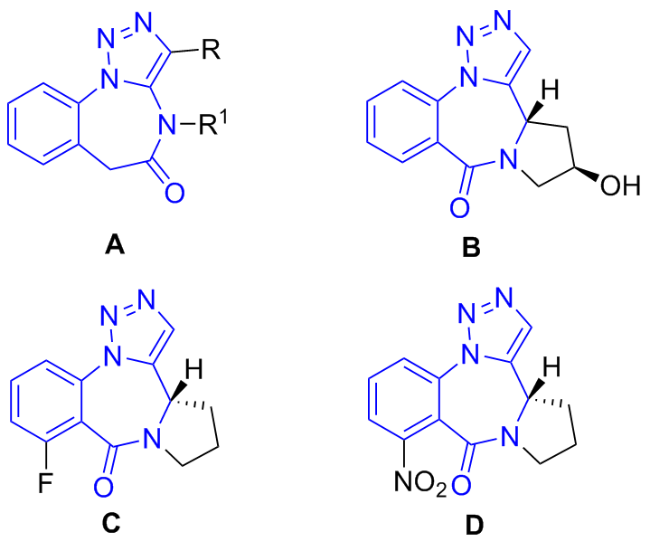
Owing to their interesting biological properties found in a number of bioactive natural products and therapeutic agents, the seven-membered nitrogen heterocyclic compounds have emerged as significant target molecules.[1] Notably, fused 1,2,3-triazolobenzodiazepine scaffolds are extensively found in numerous drugs and drug candidates with a wide array of pharmacological activities, such as tranquilizing, muscular relaxant, anticonvulsant, sedative effects and antitumor activities.[2-3] It is important to note that 1,2,3-triazolobenzodiazepinones exhibit the similar properties with all main categories of 1,2,3-triazolobenzo- diazepine based drugs.[4] Several representative biologically molecules containing 1,2,3-triazolobenzodiazepino- nes skeleton are illustrated in Figure 1. For example, compound A has been identified as a potent agonist for benzodiazepinone receptor in 1996,[5] while compound B demon- strates robust antitumor activity which can be used as promising anticancer drugs. Compounds C and D, on the other hand, display protease inhibitory activity.[6] Not surprisingly, considerable research efforts have been focused on the development of efficient synthetic methodologies for 1,2,3-triazolobenzodiazepinones.
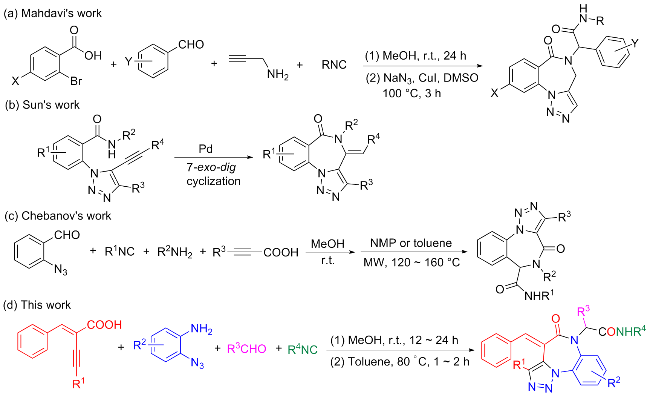
Significant advancements have been achieved in the development of synthetic methodologies for 1,2,3-triazolo- benzodiazepinones, employing diverse and innovative strategies.[7-10] Notably, Mahdavi’s group[8] documented a novel and efficient protocol for the preparation of 1,2,3- triazolobenzodiazepinone analogues via a sequential Ugi 4CR/click/intramolecular C—N arylation reactions starting from 2-bromobenzoic acid, propargylamine, aldehydes and isocyanides, catalyzed by CuI (Scheme 1a). Meanwhile, Sun’s group[9] disclosed the synthesis of substituted 1,2,3- triazolobenzodiazepinones through intramolecular insertion of a palladium into C—C triple bond in a 7-exo-dig way of triazo-1-ylbenzamides (Scheme 1b). Furthermore, Chebanov and co-workers[10] developed a microwave assi-sted approach to 1,2,3-triazolobenzodiazepinones by tandem Ugi reaction/intramolecular azide-alkyne cycloaddition (IAAC) under elevated temperature (Scheme 1c). Despite these advancements, the synthesis of novel 1,2,3-triazolobenzodiazepinones with potential applications toward the development of many approved drugs hold significant importance. Therefore, there remains a need for a robust access to new 1,2,3-triazolobenzodiaze- pinones with amplified molecular complexity under mild conditions from readily available starting materials.
Opposite to classical organic reactions, multicomponent reactions (MCRs) have enormous capabilities to increase the complexity as well as diversity of organic molecules by mixing three or more reactants in a one-step approach.[11] Notably, MCRs have emerged as highly efficient tools for diversity-oriented synthesis across various fields, including drug discovery, natural products synthesis, biology research, and material science starting from relatively simple building blocks.[12] In particular, isocyanide-based multicomponent reactions (IMCRs) have attracted increasing attention from the synthetic community.[13] Among the wide diversity of IMCRs, Ugi 4CR has received particular attention due to its high versatility, exceptional efficiency, high levels of atom efficiency, and convenient one-pot operation which converts isocyanides, aldehydes, amines, and carboxylic acids to α-acetamido carboxamides.[14] Furthermore, the Ugi-post cyclization strategy, which combined the Ugi 4CR with appropriate postmodification has been a green manner to create structurally diverse heterocycles.[15] In our previous work, we have prepared multisubstituted spiroimidazolidinones, 2,3-dihydrobenzo[f]- isoindolones, benzimidazoles, [1,2,3]triazolo[1,5-a]quin- oxalin-4(5H)-ones, and γ-lactams by combining Ugi 4CR and postcondensation.[16]
Over the past decades, the sequential Ugi 4CR/IAAC has emerged as a powerful strategy for the synthesis of triazole-fused heterocycles,[17] for instance, 1,2,3-triazolo- benzodiazepinones,[10] cyclic peptoids,[18] macrocyclic peptidomimetics,[19] triazolobenzodiazepine-fused diketopiperazines,[20] and so on. Continuing our interest in the development of a rapid and straightforward protocol to the synthesis of high relevance compounds through sequential Ugi 4CR/IAAC, herein we envisioned a simple, one-pot, catalyst-free, efficient and atom economical approach to the synthesis of functionalized 1,2,3-triazolobenzodiaze- pinones through sequential Ugi 4CR/IAAC (Scheme 1d). To the best of our knowledge, there is no report previously on the sequential Ugi 4CR/IAAC to prepare 1,2,3-triazolo- benzodiazepinones by using (E)-2-(1-alkynyl)-3-arylpro- penoic acids as acid component in the Ugi reaction. It is worth mentioning that (E)-2-(1-alkynyl)-3-arylpropenoic acids possess a large π-π conjugated system, which enhances the reactivity of reaction even under metal-free and mild conditions compared to Chebanov’s work.[10] Moreover, no literature reports have documented the synthesis of 1,2,3-triazolobenzodiazepinones with this structural motif to date.
2 Results and discussion
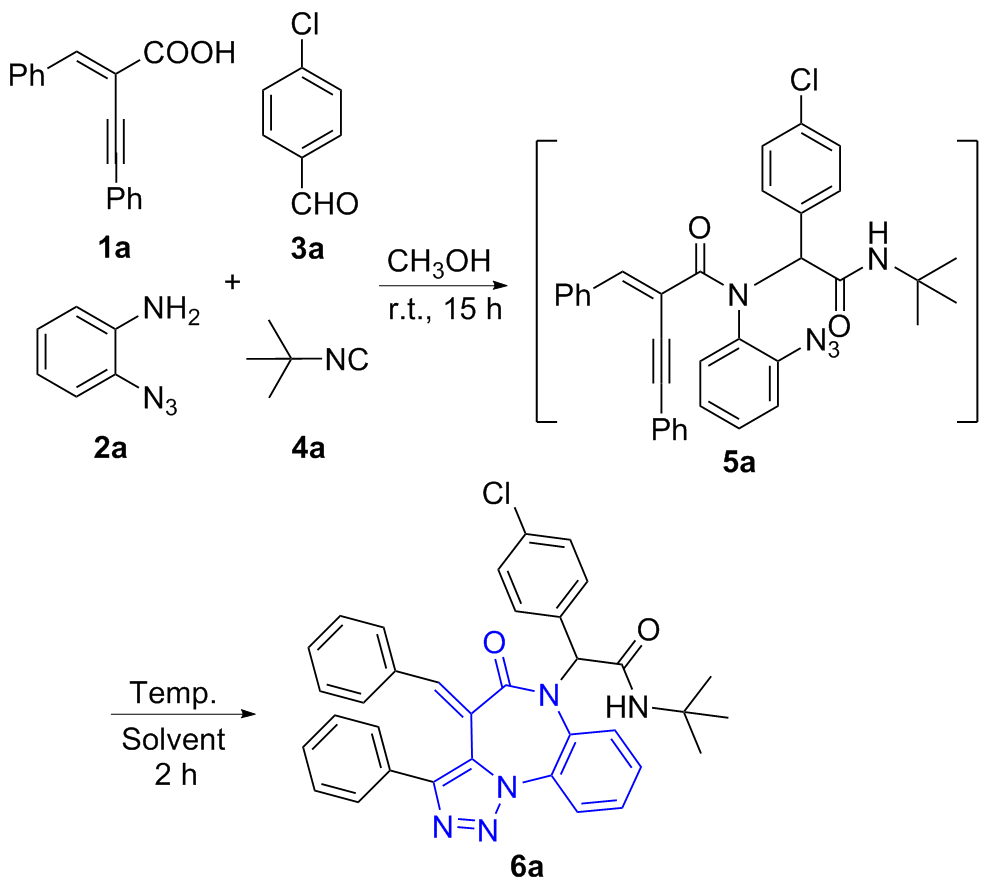
As the starting point of our work, equimolar quantities of (E)-2-(1-alkynyl)-3-phenylpropenoic acid (1a),[16b,16d,21] 2-azidobenzenamine (2a), 4-chlorobenzaldehyde (3a), and tert-butylisocyanide (4a) were employed as standard substrates to optimize the model Ugi reaction in MeOH (Table 1). As expected, the Ugi 4CR proceeded smoothly to afford the Ugi adduct 5a at room temperature. Our research was initiated with an attempted one-pot and metal-free reaction, Ugi product 5a was used directly without purification in the subsequent IAAC reaction. Unfortunately, no expected product could be obtained even the temperature increased to 65 ℃ in MeOH for another 5 h (Table 1, Entries 1 and 2). Considering a higher reaction temperature maybe give a slightly better yield, then switching CH3OH to toluene under heating conditions (80 ℃) for an additional 2 h. Gratefully, it was found that the yield of 6a increased to 88% yield (Table 1, Entry 3). To further assess the impact of different solvents on reaction efficiency, the reaction in a variety of solvents, including dimethyl sulfoxide (DMSO), N,N-dimethylformamide (DMF), water, i-PrOH, 1,4-dioxane, CH3CN, and EtOH, was carried out. However, these solvents yielded lower amounts of 6a, confirming toluene as the optimal choice (Table 1, Entries 4~10). Notably, no cycloaddition product 6a was formed in protonic solvents, leading us to hypothesize that such solvents may compromise the stability of the transition state. In addition, when the temperature was increased to 110 ℃, the generation of by-products led to a decrease in yield (Table 1, Entry 11). Interestingly, product 6a could be directly precipitated from toluene, facilitating efficient separation and purification.
Table 1 Optimization of the reaction conditiona |
| Entry | Solvent | Temp./℃ | Yielda/% |
|---|---|---|---|
| 1 | MeOH | r.t. | 0 |
| 2 | MeOH | 65 | 0 |
| 3 | Toluene | 80 | 88 |
| 4 | DMSO | 80 | 70 |
| 5 | DMF | 80 | 80 |
| 6 | Water | 80 | 0 |
| 7 | i-PrOH | 80 | 0 |
| 8 | 1,4-Dioxane | 80 | 60 |
| 9 | CH3CN | 80 | 0 |
| 10 | EtOH | 80 | 0 |
| 11 | Toluene | 110 | 78 |
a Isolated yield based on (E)-2-(1-alkynyl)-3-phenylpropenoic acid 1a. |
With the optimized reaction conditions in hand (Table 1, Entry 3), various (E)-2-(1-alkynyl)-3-arylpropenoic acids 1, 2-azidobenzenamines 2, aldehydes 3, and isocyanides 4 were employed for the one-pot metal-free Ugi 4CR/IAAC reaction. The reaction proceeded efficiently and afforded the corresponding 1,2,3-triazolobenzodiazepinones 6 in moderate to good yields with a wide range of functional groups (Table 2, compounds 6a~6e, 6h~6k, 6m~6o, 6q~6s). When (E)-2-(1-alkynyl)-3-arylpropenoic acids 1 carrying an electron withdrawing group (EWG) or aliphatic group, aldehydes 3 carrying an EWG (Table 2, compounds 6a, 6i, 6j, 6n and 6s), and amines 2 carrying an electron donating group (EDG) (Table 2, compounds 6o, 6q and 6r) were employed, good to high yields were achieved. It is noteworthy that the reaction was suitable for heterocyclic aldehyde (Table 2, compounds 6c and 6d), and aliphatic aldehydes (Table 2, compound 6k). However, the reaction failed to proceed when aromatic aldehyde with a strong EWG (Table 2, compounds 6f and 6g), (E)-2-(1- alkynyl)-3-arylpropenoic acid with a thiophenyl group (Table 2, compound 6l), or amines with an EWG (Table 2, compound 6p) were used. We hypothesize that the instability of the reaction intermediate, particularly when an aldehyde bears a strong EWG, contributed to the reaction failure. Additionally, the presence of a thiophenyl group on the acid or an EWG on the amine, which confers weak reactivity, likely hinders the reaction progress. Additionally, we evaluated the impact of steric hindrance in aromatic aldehydes (Table 2, compounds 6a, 6i and 6j) and isocyanides (Table 2, compounds 6q and 6r), and found that the steric hindrance has little effect.
Table 2 Preparation of 1,2,3-triazolobenzodiazepinones 6a |

| Entry | Compound | R1 | R2 | R3 | R4 | Yielda/% |
|---|---|---|---|---|---|---|
| 1 | 6a | Ph | H | 4-ClC6H4 | t-Bu | 88 |
| 2 | 6b | Ph | H | 4-CH3C6H4 | t-Bu | 80 |
| 3 | 6c | Ph | H | 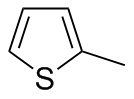 | t-Bu | 85 |
| 4 | 6d | Ph | H | 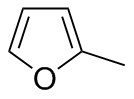 | t-Bu | 86 |
| 5 | 6e | Ph | H | C6H5 | t-Bu | 82 |
| 6 | 6f | Ph | H | 4-CF3C6H4 | t-Bu | 0 |
| 7 | 6g | Ph | H | 4-NO2C6H4 | t-Bu | 0 |
| 8 | 6h | Ph | H | 3-CH3C6H4 | t-Bu | 80 |
| 9 | 6i | Ph | H | 3-ClC6H4 | t-Bu | 87 |
| 10 | 6j | Ph | H | 2-ClC6H4 | t-Bu | 78 |
| 11 | 6k | Ph | H | CH3CH2CH2 | t-Bu | 90 |
| 12 | 6l | 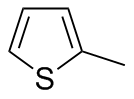 | H | 4-ClC6H4 | t-Bu | 0 |
| 13 | 6m | 4-CH3C6H4 | H | 4-ClC6H4 | t-Bu | 77 |
| 14 | 6n | 4-FC6H4 | H | 4-ClC6H4 | t-Bu | 91 |
| 15 | 6o | Ph | 4-CH3 | 4-ClC6H4 | t-Bu | 92 |
| 16 | 6p | Ph | 4-Br | 4-ClC6H4 | t-Bu | 0 |
| 17 | 6q | Ph | 4-CH3 | 4-ClC6H4 | c-C6H11 | 91 |
| 18 | 6r | Ph | 4-CH3 | 4-ClC6H4 | PhCH2 | 90 |
| 19 | 6s | n-Pr | H | 4-ClC6H4 | t-Bu | 91 |
a Isolated yield based on (E)-2-(1-alkynyl)-3-arylpropenoic acids 1. |
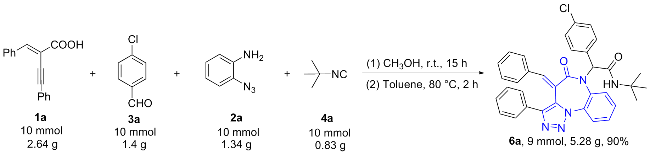
Furthermore, to evaluate the applicability of the method, a gram-scale synthesis was performed by using (E)-2-(1- alkynyl)-3-phenylpropenoic acid (1a), 2-azidobenzenami- ne (2a), 4-chlorobenzaldehyde (3a), and tert-butylisocya- nide (4a) on a 10 mmol scale. The gram-scale sequence worked well and the corresponding product 6a was obtained in 90% yield (Scheme 2).


3 Conclusions
In conclusion, we have elaborated a highly efficient approach to rapidly synthesize functionalized and new 1,2,3- triazolobenzodiazepinone scaffold under a mild condition via a metal-free Ugi 4CR/alkyne-azide cycloaddition sequence. The used (E)-2-(1-alkynyl)-3-arylpropenoic acids, 2-azidobenzenamines, aldehydes, and isocyanides can be varied broadly and produced 1,2,3-triazolobenzodiaze- pinones with excellent molecular diversity. Additionally, the operational simplicity, high atom economy, and excellent to good yields achieved render this methodology high- ly valuable in both synthetic and medicinal chemistry applications.
4 Experimental section
4.1 General Information
Melting points were determined using an X-4 model apparatus and were uncorrected. Analytical thin-layer chromatography (TLC) was carried out on silica gel 60 F254 plates, which were visualized by exposure to ultraviolet light. HRMS (ESI) was performed on a Thermo Scientific LTQ Orbitrap XL. 1H NMR spectra were recorded in CDCl3 on a Varian Mercury 400 or 600 spectrometer and resonances were relative to TMS. 13C NMR spectra were recorded on a Varian Mercury 400/600 (101/151 MHz) with complete proton decoupling spectrophotometers (CDCl3, δ 77.0). Unless otherwise noted, materials were purchased from commercial suppliers and used without further purification, such as compounds 3 and 4, solvent MeOH and toluene.
4.2 Preparation of 1,2,3-triazolobenzodiazepinone 6
A mixture of (E)-2-(1-alkynyl)-3-arylpropenoic acids 1, 2-azidobenzenamines 2, aldehydes 3, and isocyanides 4 (1 mmol) were stirred in methanol (5 mL) at room temperature for 12~24 h, then the solvent was evaporated under reduced pressure. Subsequently, toluene (5 mL) was added to the reaction system, and the reaction mixture was heated to 80 ℃ for 1~2 h to form 1,2,3-triazolobenzodiazepin- ones 6 which precipitated during the reaction. Finally, the product 6 were obtained by suction filtration.
4.3 Characterization data of compounds 6
(E)-2-(4-Benzylidene-5-oxo-3-phenyl-4,5-dihydro-6H-benzo[b][1,2,3]triazolo[1,5-d][1,4]diazepin-6-yl)-N-(tert-butyl)-2-(4-chlorophenyl)acetamide (6a): White solid (517 mg, yield 88%), m.p. 235~236 ℃; 1H NMR (CDCl3, 400 MHz) δ: 8.03 (d, J=8 Hz, 1H), 7.85 (d, J=8 Hz, 1H), 7.73 (d, J=6.8 Hz, 2H), 7.44 (s, 1H), 7.25~7.13 (m, 7H), 7.08 (t, J=7.0 Hz, 1H), 7.02~6.93 (m, 6H), 5.85 (s, 1H), 5.72 (s, 1H), 1.50 (s, 9H); 13C NMR (CDCl3, 151 MHz) δ: 171.2, 168.3, 144.0, 141.5, 134.3, 133.0, 132.1, 131.1, 130.3, 130.0, 129.6, 129.0, 128.9, 128.8, 128.4, 128.3, 127.7, 126.2, 123.4, 120.8, 66.8, 52.2, 28.7; HRMS (ESI) calcd for C35H30ClN5O2Na [M+Na]+ 610.1980, found 610.1982.
(E)-2-(4-Benzylidene-5-oxo-3-phenyl-4,5-dihydro-6H-benzo[b][1,2,3]triazolo[1,5-d][1,4]diazepin-6-yl)-N-(tert-butyl)-2-(p-tolyl)acetamide (6b): White solid (454 mg, yield 80%), m.p. 265~266 ℃; 1H NMR (CDCl3, 600 MHz) δ: 8.06 (d, J=8.4 Hz, 1H), 7.82 (d, J=7.8 Hz, 1H), 7.74 (d, J=7.2 Hz, 2H), 7.43 (s, 1H), 7.21~7.16 (m, 5H), 7.07 (t, J=7.2 Hz, 1H), 7.00~6.94 (m, 6H), 6.90 (d, J=8.4 Hz, 2H), 5.75 (s, 2H), 2.21 (s, 3H), 1.50 (s, 9H); 13C NMR (CDCl3, 101 MHz) δ: 171.1, 168.8, 144.0, 141.1, 138.1, 133.2, 131.1, 130.6, 130.5, 129.8, 129.3, 128.9, 128.8, 128.7, 128.3, 128.2, 127.4, 126.3, 123.2, 121.2, 67.5, 52.0, 28.7, 21.0; HRMS (ESI) calcd for C36H33- N5O2Na [M+Na]+ 590.2526, found 590.2530.
(E)-2-(4-Benzylidene-5-oxo-3-phenyl-4,5-dihydro-6H-benzo[b][1,2,3]triazolo[1,5-d][1,4]diazepin-6-yl)-N-(tert-but yl)-2-(thiophen-2-yl)acetamide (6c): White solid (475 mg, yield 85%), m.p. 232~233 ℃; 1H NMR (CDCl3, 600 MHz) δ: 7.97 (d, J=7.2 Hz, 1H), 7.91 (d, J=6.0 Hz, 1H), 7.72 (d, J=7.2 Hz, 2H), 7.44 (s, 1H), 7.34~7.30 (q, J=7.8 Hz, 2H), 7.21~7.16 (m, 4H), 7.08 (t, J=6.6 Hz, 1H), 7.00 (t, J=7.2 Hz, 2H), 6.94 (t, J=6.9 Hz, 3H), 6.82 (s, 1H), 6.23 (s, 1H), 6.01 (s, 1H), 1.47 (s, 9H); 13C NMR (CDCl3, 101 MHz) δ: 171.0, 167.6, 144.1, 141.6, 135.8, 133.1, 131.3, 130.7, 130.1, 130.0, 129.7, 129.3, 129.2, 128.9, 128.4, 128.2, 128.1, 127.9, 127.2, 126.4, 126.2, 123.6, 121.0, 63.0, 52.0, 28.6; HRMS (ESI) calcd for C33H29N5O2SNa [M+Na]+ 582.1934, found 582.1937.
(E)-2-(4-Benzylidene-5-oxo-3-phenyl-4,5-dihydro-6H- benzo[b][1,2,3]triazolo[1,5-d][1,4]diazepin-6-yl)-N-(tert-butyl)-2-(furan-2-yl)acetamide (6d): White solid (467 mg, yield 86%), m.p. 233~234 ℃; 1H NMR (CDCl3, 600 MHz) δ: 7.97 (d, J=7.8 Hz, 1H), 7.93 (d, J=7.2 Hz, 1H), 7.71 (d, J=7.2 Hz, 2H), 7.42 (s, 1H), 7.36~7.31 (m, 2H), 7.21~7.14 (m, 4H), 7.08 (t, J=7.2 Hz, 1H), 7.00 (t, J=7.2 Hz, 2H), 6.94 (d, J=6.6 Hz, 2H), 6.45 (s, 1H), 6.17 (s, 1H), 6.15 (s, 1H), 5.84 (s, 1H), 1.48 (s, 9H); 13C NMR (CDCl3, 101 MHz) δ: 170.7, 166.5, 146.4, 144.1, 143.4, 141.4, 133.1, 130.8, 130.5, 130.0, 129.9, 129.8, 128.9, 128.4, 128.3, 128.2, 127.7, 127.2, 126.4, 123.6, 121.0, 112.6, 110.3, 61.6, 52.0, 28.6; HRMS (ESI) calcd for C33H29N5O3Na [M+Na]+ 566.2163, found 566.2165.
(E)-2-(4-Benzylidene-5-oxo-3-phenyl-4,5-dihydro-6H-benzo[b][1,2,3]triazolo[1,5-d][1,4]diazepin-6-yl)-N-(tert-butyl)-2-phenylacetamide(6e): White solid (454 mg, yield 82%), m.p. 200~201 ℃; 1H NMR (CDCl3, 600 MHz) δ: 8.04 (d, J=7.8 Hz, 1H), 7.82 (d, J=7.2 Hz, 1H), 7.75 (d, J=7.2 Hz, 2H), 7.45 (s, 1H), 7.21~7.15 (m, 8H), 7.08~6.94 (m, 7H), 5.79 (s, 2H), 1.51 (s, 9H); 13C NMR (CDCl3, 101 MHz) δ: 171.2, 168.6, 144.0, 141.2, 133.6, 133.1, 131.2, 130.6, 130.4, 129.8, 129.0, 128.9, 128.8, 128.6, 128.4, 128.3, 128.2, 127.4, 126.3, 123.2, 121.2, 67.7, 52.1, 28.7; HRMS (ESI) calcd for C35H31N5O2Na [M+Na]+ 576.2370, found 576.2372.
(E)-2-(4-Benzylidene-5-oxo-3-phenyl-4,5-dihydro-6H-benzo[b][1,2,3]triazolo[1,5-d][1,4]diazepin-6-yl)-N-(tert-butyl)-2-(m-tolyl)acetamide (6h): White solid (454 mg, yield 80%), m.p. 205~206 ℃; 1H NMR (CDCl3, 600 MHz) δ: 8.05 (d, J=8.4 Hz, 1H), 7.82 (d, J=7.8 Hz, 1H), 7.76 (d, J=7.2 Hz, 2H), 7.44 (s, 1H), 7.22~7.15 (m, 5H), 7.08~7.03 (m, 2H), 6.99 (t, J=7.5 Hz, 2H), 6.95 (t, J=8.4 Hz, 3H), 6.83 (d, J=7.8 Hz, 1H), 6.79 (s, 1H), 5.78 (s, 1H), 5.74 (s, 1H), 2.19 (s, 3H), 1.51 (s, 9H); 13C NMR (CDCl3, 101 MHz) δ: 171.2, 168.7, 144.0, 141.2, 138.4, 133.5, 133.2, 131.3, 130.7, 130.4, 129.8, 129.7, 129.0, 128.9, 128.4, 128.3, 128.2, 127.4, 126.3, 126.0, 123.1, 121.3, 67.7, 52.1, 28.7, 21.2; HRMS (ESI) calcd for C36H33N5O2Na [M+Na]+ 590.2526, found 590.2529.
(E)-2-(4-Benzylidene-5-oxo-3-phenyl-4,5-dihydro-6H-benzo[b][1,2,3]triazolo[1,5-d][1,4]diazepin-6-yl)-N-(tert-butyl)-2-(3-chlorophenyl)acetamide (6i): White solid (511 mg, yield 87%), m.p. 203~204 ℃; 1H NMR (CDCl3, 600 MHz) δ: 8.02 (d, J=7.8 Hz, 1H), 7.86 (d, J=7.8 Hz, 1H), 7.73 (d, J=7.2 Hz, 2H), 7.44 (s, 1H), 7.25~7.16 (m, 6H), 7.12 (d, J=8.4 Hz, 1H), 7.08~7.05 (m, 2H), 6.99 (t, J=7.5 Hz, 2H), 6.95 (d, J=7.8 Hz, 2H), 6.80 (d, J=7.8 Hz, 1H), 5.89 (s, 1H), 5.72 (s, 1H), 1.50 (s, 9H); 13C NMR (CDCl3, 101 MHz) δ: 171.2, 168.0, 144.1, 141.5, 135.7, 134.5, 133.0, 131.2, 130.5, 130.3, 130.0, 129.8, 129.7, 129.2, 129.0, 128.9, 128.5, 128.4, 128.3, 128.2, 127.8, 127.1, 126.3, 123.5, 120.9, 67.0, 52.2, 28.7; HRMS (ESI) calcd for C35H30ClN5O2Na [M+Na]+ 610.1980, found 610.1981.
(E)-2-(4-Benzylidene-5-oxo-3-phenyl-4,5-dihydro-6H-benzo[b][1,2,3]triazolo[1,5-d][1,4]diazepin-6-yl)-N-(tert-butyl)-2-(2-chlorophenyl)acetamide (6j): White solid (458 mg, yield 78%), m.p. 260~261 ℃; 1H NMR (CDCl3, 600 MHz) δ: 8.13 (d, J=7.8 Hz, 1H), 7.83 (d, J=7.8 Hz, 1H), 7.74 (d, J=7.8 Hz, 2H), 7.50 (d, J=7.8 Hz, 1H), 7.43 (s, 1H), 7.20 (t, J=6.9 Hz, 3H), 7.17~7.05 (m, 6H), 6.99 (t, J=7.5 Hz, 2H), 6.95 (d, J=7.2 Hz, 2H), 5.94 (s, 1H), 5.84 (s, 1H), 1.51 (s, 9H); 13C NMR (CDCl3, 101 MHz) δ: 170.8, 168.5, 143.9, 140.9, 135.1, 133.1, 131.5, 131.2, 131.1, 130.1, 130.0, 129.9, 129.8, 129.0, 128.9, 128.5, 128.3, 128.1, 127.6, 126.4, 123.5, 121.2, 65.3, 52.2, 28.7; HRMS (ESI) calcd for C35H30ClN5O2Na [M+Na]+ 610.1980, found 610.1982.
(E)-2-(4-Benzylidene-5-oxo-3-phenyl-4,5-dihydro-6H-benzo[b][1,2,3]triazolo[1,5-d][1,4]diazepin-6-yl)-N-(tert-butyl)pentanamide (6k): White solid (467 mg, yield 90%), m.p. 135~136 ℃; 1H NMR (CDCl3, 600 MHz) δ: 8.06 (d, J=7.8 Hz, 1H), 7.84 (d, J=7.8 Hz, 1H), 7.68 (d, J=7.8 Hz, 2H), 7.55~7.50 (m, 2H), 7.39 (s, 1H), 7.29 (s, 1H), 7.21~7.15 (m, 3H), 7.09 (t, J=7.5 Hz, 1H), 7.01 (t, J=7.5 Hz, 2H), 6.94 (d, J=7.8 Hz, 2H), 4.77 (t, J=7.5 Hz, 1H), 1.78~1.72 (m, 1H), 1.47 (s, 9H), 1.28~1.23 (m, 1H), 1.02~0.94 (m, 1H), 0.89~0.81 (m, 1H), 0.65 (t, J=7.2 Hz, 3H); 13C NMR (CDCl3, 101 MHz) δ: 172.7, 170.4, 143.9, 141.9, 132.9, 131.0, 130.2, 130.1, 130.0, 129.7, 129.6, 128.8, 128.4, 128.3, 128.2, 128.1, 126.4, 126.3, 124.3, 121.1, 61.3, 51.3, 29.8, 28.7, 18.9, 13.4; HRMS (ESI) calcd for C32H33N5O2Na [M+Na]+ 542.2526, found 542.2529.
(E)-2-(4-Benzylidene-5-oxo-3-(p-tolyl)-4,5-dihydro-6H-benzo[b][1,2,3]triazolo[5-d][1,4]diazepin-6-yl)-N-(tert-butyl)-2-(4-chlorophenyl)acetamide (6m): White solid (463 mg, yield 77%), m.p. 221~222 ℃; 1H NMR (CDCl3, 600 MHz) δ: 8.02 (d, J=8.4 Hz, 1H), 7.83 (d, J=7.8 Hz, 1H), 7.64 (d, J=7.8 Hz, 2H), 7.41 (s, 1H), 7.24 (d, J=7.8 Hz, 1H), 7.19 (t, J=8.1 Hz, 1H), 7.13 (d, J=8.4 Hz, 2H), 7.09 (t, J=7.2 Hz, 1H), 7.01 (t, J=7.5 Hz, 4H), 6.98~6.96 (m, 4H), 5.86 (s, 1H), 5.71 (s, 1H), 2.25 (s, 3H), 1.49 (s, 9H); 13C NMR (CDCl3, 101 MHz) δ: 171.3, 168.3, 144.3, 141.2, 138.1, 134.3, 133.1, 132.2, 131.2, 130.5, 130.3, 130.0, 129.9, 129.1, 129.0, 128.8, 128.4, 128.3, 127.7, 126.8, 126.2, 123.5, 121.0, 66.8, 52.2, 28.7, 21.2; HRMS (ESI) calcd for C36H32ClN5O2Na [M+Na]+ 624.2137, found 624.2138.
(E)-2-(4-Benzylidene-3-(4-fluorophenyl)-5-oxo-4,5-dihydro-6H-benzo[b][1,2,3]triazolo[1,5-d][1,4]diazepin-6-yl)-N-(tert-butyl)-2-(4-chlorophenyl)acetamide (6n): White solid (551 mg, yield 91%), m.p. 170~171 ℃; 1H NMR (CDCl3, 600 MHz) δ: 8.03 (d, J=8.4 Hz, 1H), 7.85 (d, J=7.8 Hz, 1H), 7.69 (dd, J=9.0, 5.4 Hz, 2H), 7.44 (s, 1H), 7.21 (t, J=8.7 Hz, 1H), 7.14 (d, J=8.4 Hz, 2H), 7.10 (t, J=7.2 Hz, 1H), 7.03~6.87 (m, 9H), 5.83 (s, 1H), 5.71 (s, 1H), 1.50 (s, 9H); 13C NMR (CDCl3, 101 MHz) δ: 171.1, 168.2, 162.7 (d, J=249.5 Hz), 143.1, 141.6, 134.4, 133.0, 132.1, 131.1, 130.4, 130.3, 130.1, 129.1, 128.8, 128.6, 128.4, 128.2 (d, J=9.1 Hz), 127.8, 125.9 (d, J=3.0 Hz), 123.4, 120.9, 115.4 (d, J=21.2 Hz), 66.9, 52.2, 28.7; HRMS (ESI) calcd for C35H29ClFN5O2Na [M+Na]+ 628.1886, found 628.1887.
(E)-2-(4-Benzylidene-9-methyl-5-oxo-3-phenyl-4,5-dihydro-6H-benzo[b][1,2,3]triazolo[1,5-d][1,4]diazepin-6-yl)-N-(tert-butyl)-2-(4-chlorophenyl)acetamide (6o): White solid (553 mg, yield 92%), m.p. 236~237 ℃; 1H NMR (CDCl3, 600 MHz) δ: 7.88 (d, J=8.4 Hz, 1H), 7.73 (d, J=7.2 Hz, 2H), 7.65 (s, 1H), 7.42 (s, 1H), 7.21~7.14 (m, 5H), 7.08 (t, J=7.2 Hz, 1H), 7.01~6.93 (m, 7H), 5.83 (s, 1H), 5.70 (s, 1H), 2.33 (s, 3H), 1.49 (s, 9H); 13C NMR (CDCl3, 101 MHz) δ: 171.3, 168.3, 144.0, 141.3, 138.1, 134.3, 133.1, 132.2, 130.8, 130.4, 130.3, 129.9, 129.7, 128.9, 128.8, 128.4, 128.3, 128.2, 128.0, 126.3, 123.8, 121.2, 66.7, 52.1, 28.7, 20.8; HRMS (ESI) calcd for C36H32ClN5O2Na [M+Na]+ 624.2137, found 624.2138.
(E)-2-(4-Benzylidene-9-methyl-5-oxo-3-phenyl-4,5-dihydro-6H-benzo[b][1,2,3]triazolo[1,5-d][1,4]diazepin-6-yl)-2-(4-chlorophenyl)-N-cyclohexylacetamide (6q): White solid (571 mg, yield 91%), m.p. 219~220 ℃; 1H NMR (CDCl3, 600 MHz) δ: 7.91 (d, J=8.4 Hz, 1H), 7.72 (d, J=7.8 Hz, 2H), 7.65 (s, 1H), 7.40 (s, 1H), 7.22~7.13 (m, 6H), 7.07 (t, J=6.6 Hz, 1H), 7.00~6.93 (m, 6H), 5.93 (d, J=7.8 Hz, 1H), 5.79 (s, 1H), 4.00 (s, 1H), 2.32 (s, 3H), 2.10~2.01 (m, 2H), 1.75 (t, J=12.6 Hz, 3H), 1.46~1.40 (q, J=12 Hz, 2H), 1.29 (t, J=10.5 Hz, 1H), 1.22~1.19 (m, 2H); 13C NMR (CDCl3, 101 MHz) δ: 171.4, 168.1, 144.0, 141.3, 138.1, 134.3, 133.1, 132.1, 130.8, 130.3, 130.2, 129.9, 129.7, 128.9, 128.8, 128.4, 128.3, 128.2, 128.0, 127.9, 126.3, 123.8, 121.1, 66.2, 49.1, 32.9, 25.4, 24.7, 20.8; HRMS (ESI) calcd for C38H34ClN5O2Na [M+Na]+ 650.2293, found 650.2294.
(E)-N-Benzyl-2-(4-benzylidene-9-methyl-5-oxo-3-phenyl-4,5-dihydro-6H-benzo[b][1,2,3]triazolo[1,5-d]-[1,4]diazepin-6-yl)-2-(4-chlorophenyl)acetamide (6r): White solid (572 mg, yield 90%), m.p. 202~203 ℃; 1H NMR (CDCl3, 600 MHz) δ: 7.88 (d, J=8.4 Hz, 1H), 7.72 (d, J=7.2 Hz, 2H), 7.65 (s, 1H), 7.40 (s, 1H), 7.37 (d, J=4.2 Hz, 4H), 7.30 (t, J=4.2 Hz, 1H), 7.21~7.16 (m, 3H), 7.13~7.07 (m, 3H), 7.02~6.94 (m, 7H), 6.42 (t, J=5.4 Hz, 1H), 5.90 (s, 1H), 4.70 (dd, J=14.7, 5.6 Hz, 1H), 4.62 (dd, J=14.4, 5.4 Hz, 1H), 2.33 (s, 3H); 13C NMR (CDCl3, 101 MHz) δ: 171.3, 169.2, 143.9, 141.3, 138.2, 137.6, 134.4, 133.1, 131.9, 130.4, 130.2, 129.9, 129.7, 128.9, 128.8, 128.3, 128.2, 127.9, 127.8, 127.7, 127.6, 126.3, 123.9, 121.1, 65.9, 44.1, 20.8; HRMS (ESI) calcd for C39H30ClN5O2Na [M+Na]+ 658.1980, found 658.1980.
(E)-2-(4-Benzylidene-3-butyl-5-oxo-4,5-dihydro-6H-benzo[b][1,2,3]triazolo[1,5-d][1,4]diazepin-6-yl)-N-(tert-butyl)-2-(4-chlorophenyl)acetamide (6s): White solid (528 mg, yield 91%), m.p. 140~141 ℃; 1H NMR (CDCl3, 600 MHz) δ: 7.98 (d, J=8.4 Hz, 1H), 7.82 (d, J=7.2 Hz, 1H), 7.54 (s, 1H), 7.32~7.28 (m, 2H), 7.25~7.20 (m, 3H), 7.16 (d, J=7.8 Hz, 2H), 7.10 (d, J=7.2 Hz, 2H), 6.97 (d, J=8.4 Hz, 2H), 5.82 (s, 1H), 5.67 (s, 1H), 2.32~2.27 (m, 1H), 2.15~2.10 (m, 1H), 1.48 (s, 9H), 1.40~1.36 (m, 1H), 1.23~1.15 (m, 2H), 0.91~0.88 (m, 1H), 0.79 (t, J=7.2 Hz, 3H); 13C NMR (CDCl3, 151 MHz) δ: 171.0, 168.2, 145.1, 141.3, 134.3, 133.5, 132.3, 131.6, 131.5, 130.4, 130.3, 130.0, 129.0, 128.8, 128.2, 127.7, 123.4, 121.3, 67.0, 52.1, 29.9, 28.6, 25.0, 22.4, 13.6. HRMS (ESI) calcd for C33H34ClN5O2Na [M+Na]+ 590.2293, found 590.2294.
Supporting Information Experimental procedures along with copies of NMR spectra and HRMS data (6a~6e, 6h~6k, 6m~6o, 6q~6s). The Supporting Information is available free of charge via the Internet at http://sioc-journal.cn/.
(Cheng, F.)