

化学学报 ›› 2026, Vol. 84 ›› Issue (9): 1507-1524.DOI: 10.6023/A26070242 上一篇 下一篇
综述
高皓炜, 杨惜晖, 闫甲乐, 曾超, 史雷*( )
)
投稿日期:2026-07-10
发布日期:2026-08-22
通讯作者:
史雷
作者简介: |
高皓炜, 于2023年在哈尔滨工业大学获得硕士学位. 现为哈尔滨工业大学(深圳)理学院材料与化工专业博士研究生, 主要从事不对称催化反应研究. |
 |
杨惜晖, 2018年获哈尔滨工业大学理学学士学位, 2024年博士毕业于哈尔滨工业大学化工与化学学院, 主要从事基于氧化策略的有机卤化物合成研究. |
 |
闫甲乐, 2021年获淮北师范大学理学学士学位, 2024年硕士毕业于哈尔滨工业大学(深圳), 主要从事金催化反应研究. |
 |
曾超, 2025年9月进入哈尔滨工业大学(深圳)攻读硕士学位, 现主要从事钯催化反应研究. |
 |
史雷, 哈尔滨工业大学(深圳)理学院教授、博士生导师. 2000年本科毕业于兰州大学, 2005年博士毕业于兰州大学. 先后在德国亚琛工业大学、德国慕尼黑大学以及英国牛津大学从事博士后研究. 2011年加入哈尔滨工业大学开展独立研究工作, 主要研究方向为基于氧化/还原策略的新试剂、新反应及机理研究, 以及基于重要优势骨架的不对称催化合成研究. |
★“纪念兰州大学化学学科创建80周年”专辑.
基金资助:
Haowei Gao, Xihui Yang, Jiale Yan, Chao Zeng, Lei Shi*()
Received:2026-07-10
Published:2026-08-22
Contact:
Lei Shi
About author:★For the VSI “Celebration of 80th Anniversary of Chemistry in Lanzhou University”.
Supported by:文章分享
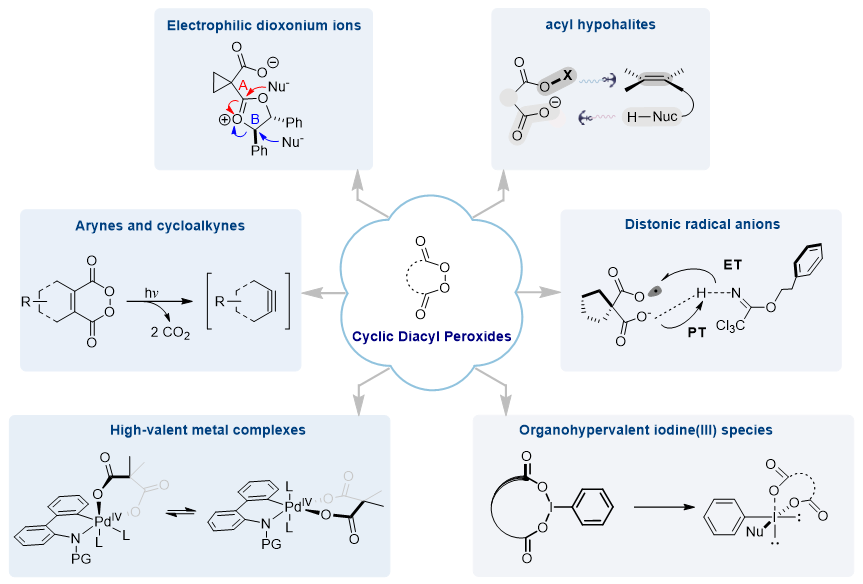
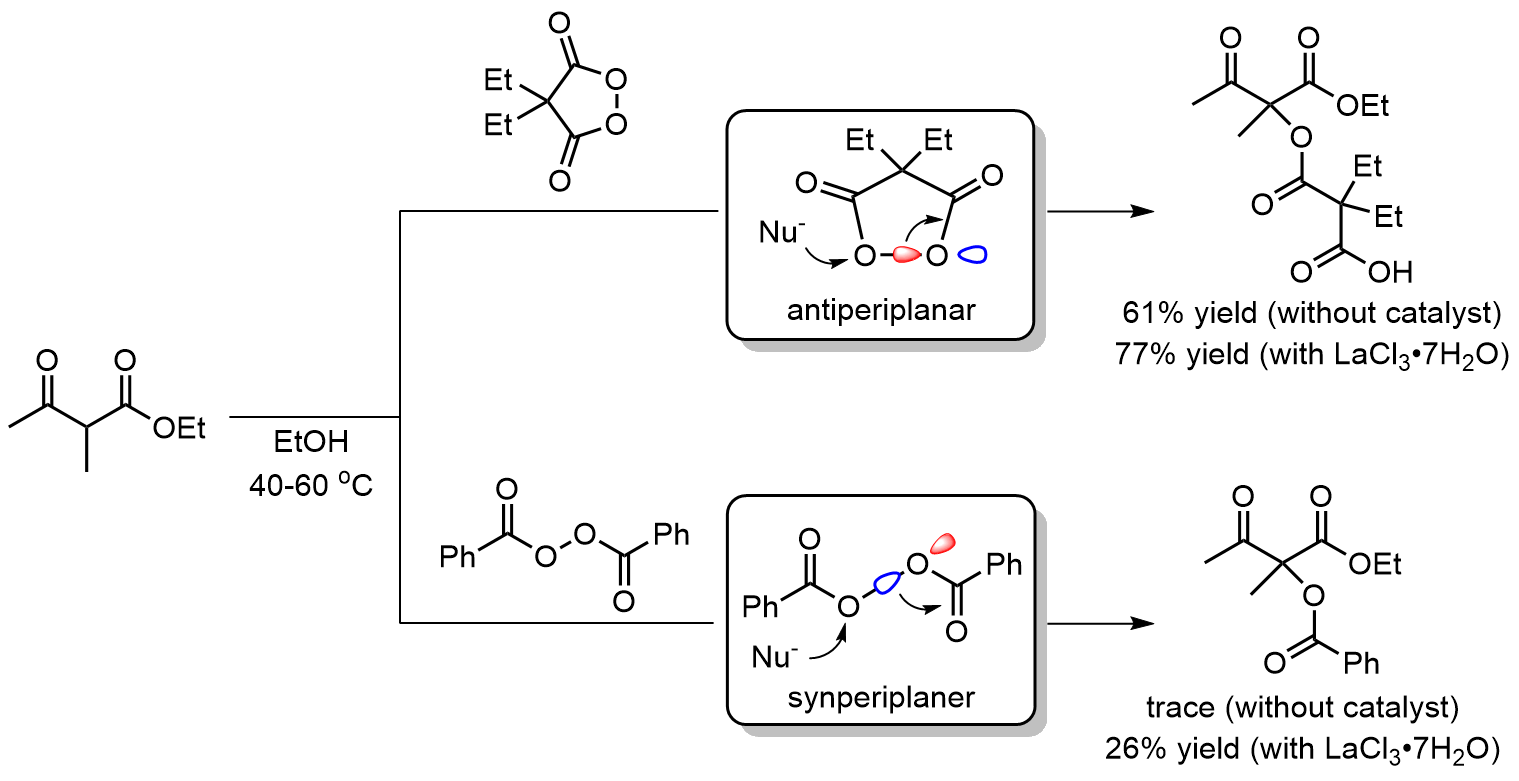
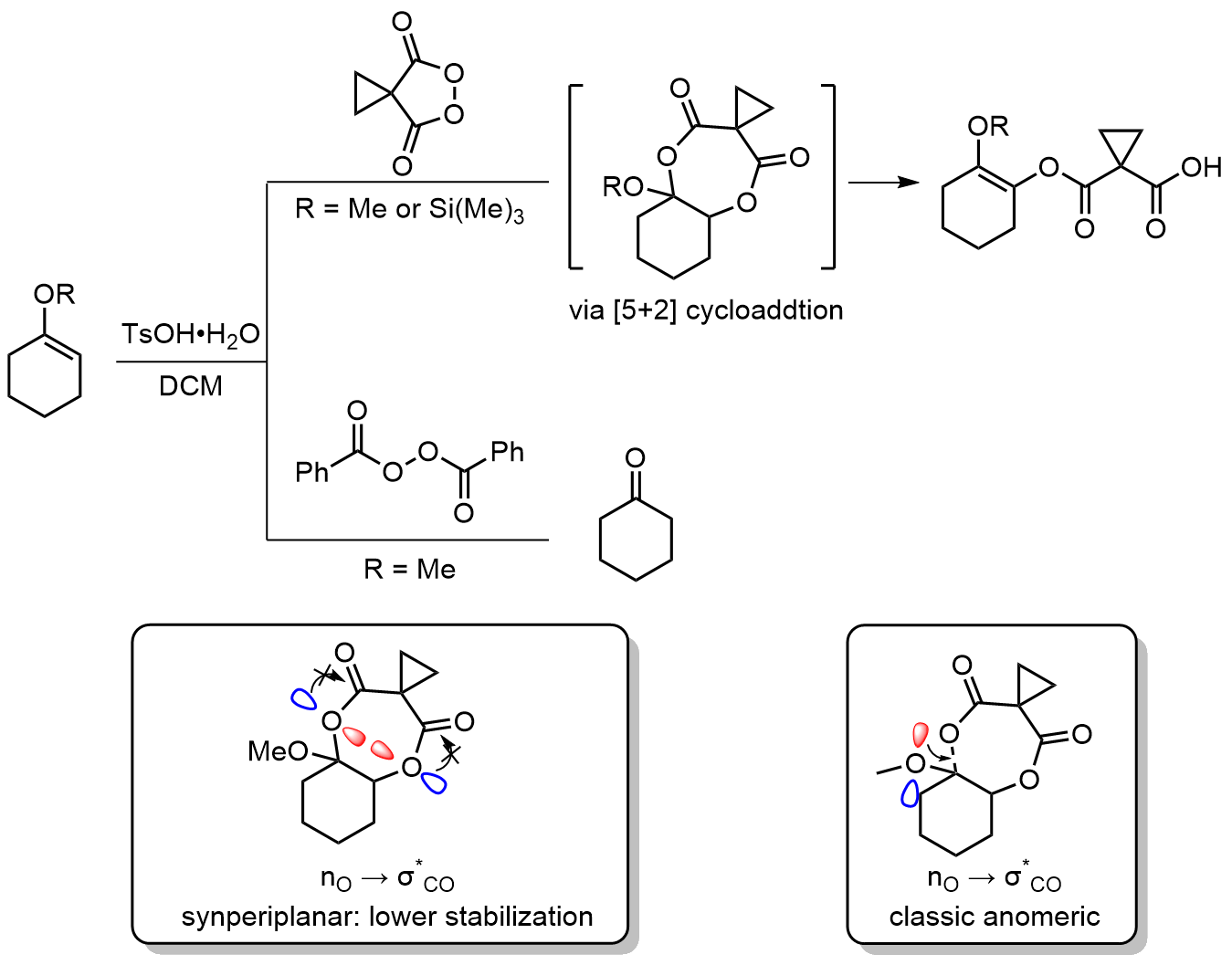
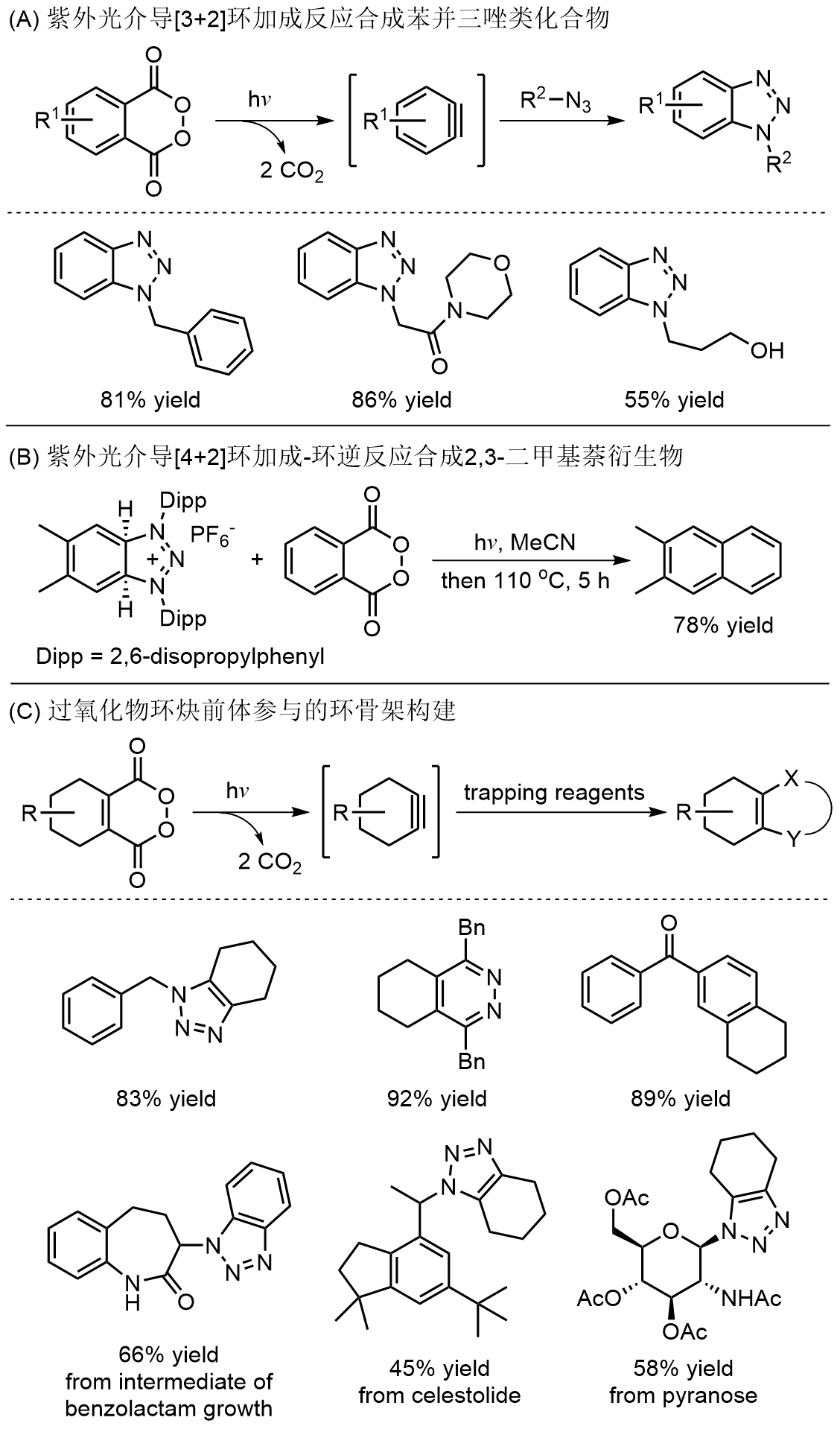
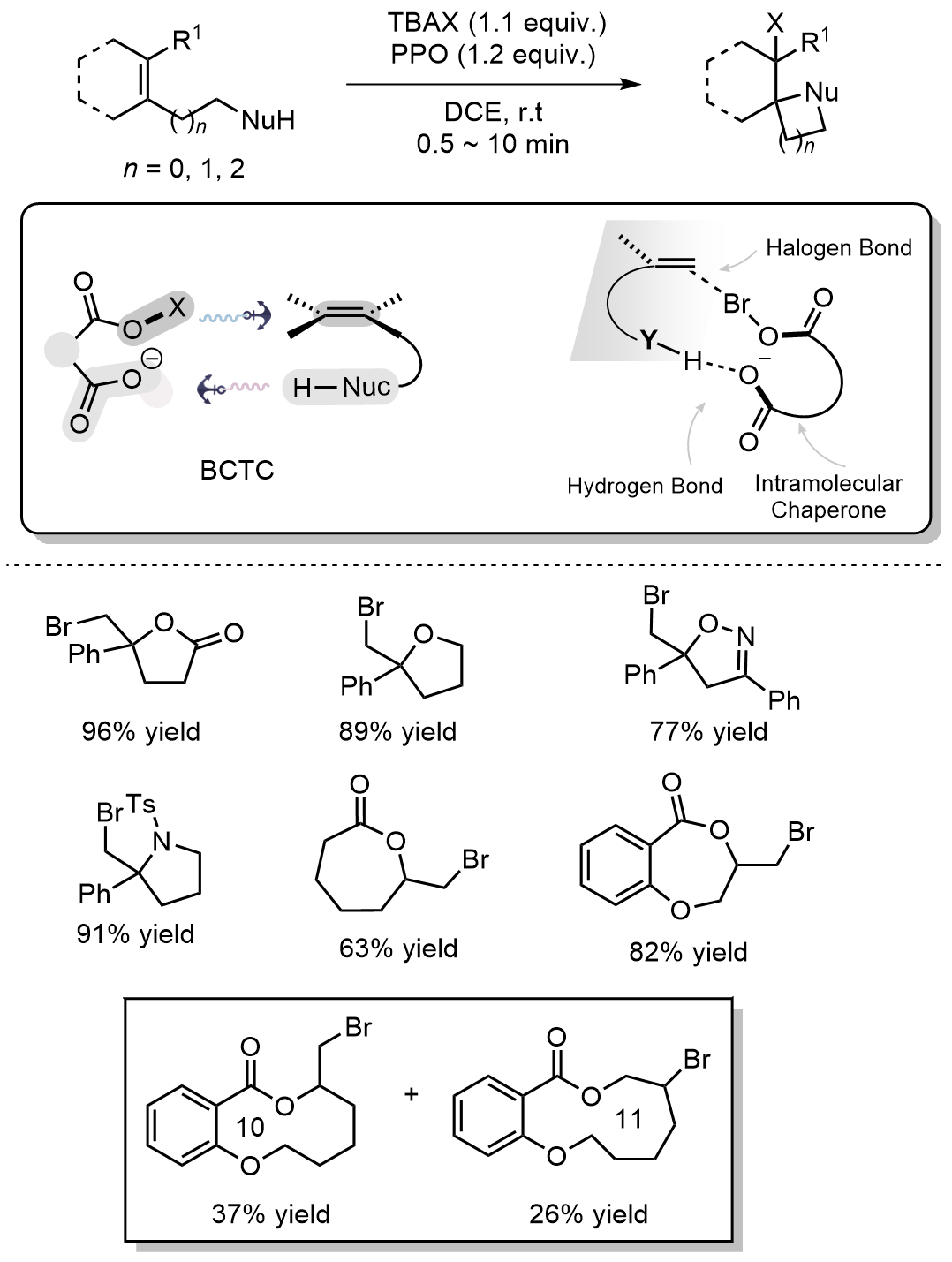
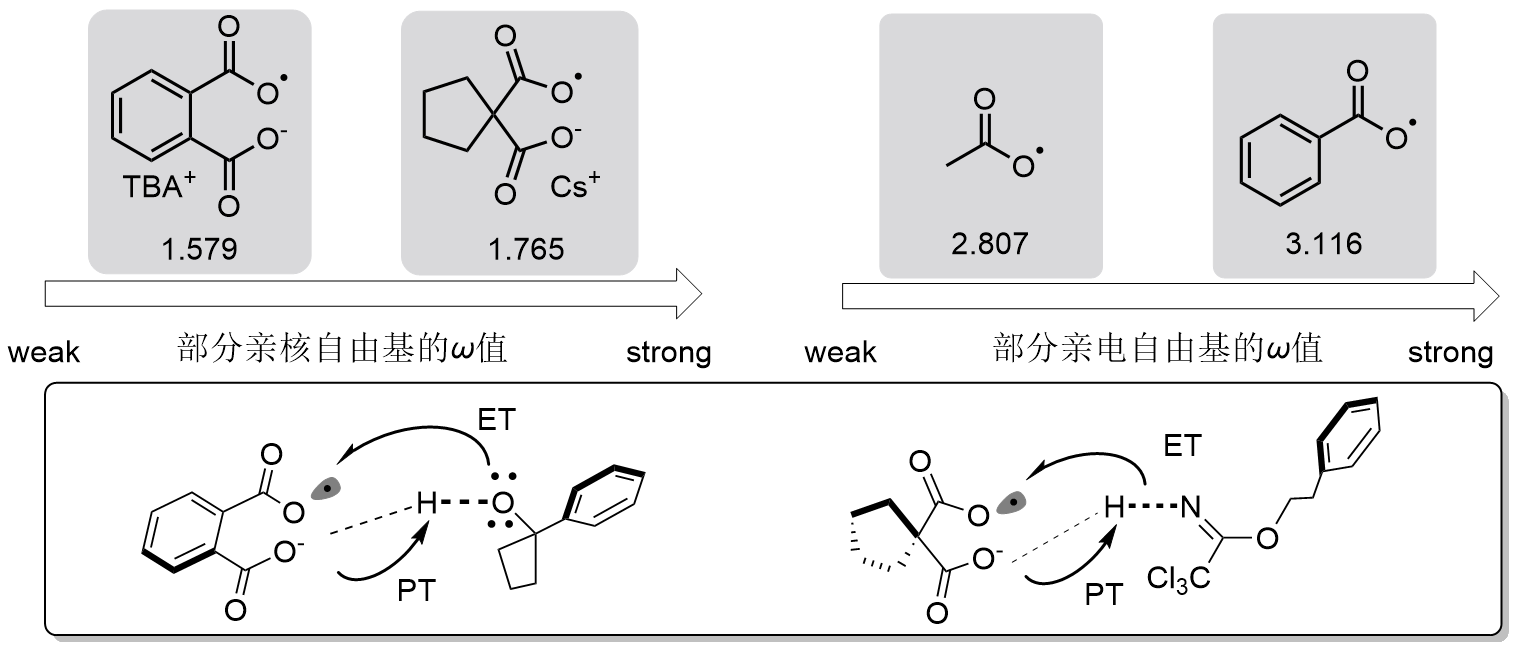
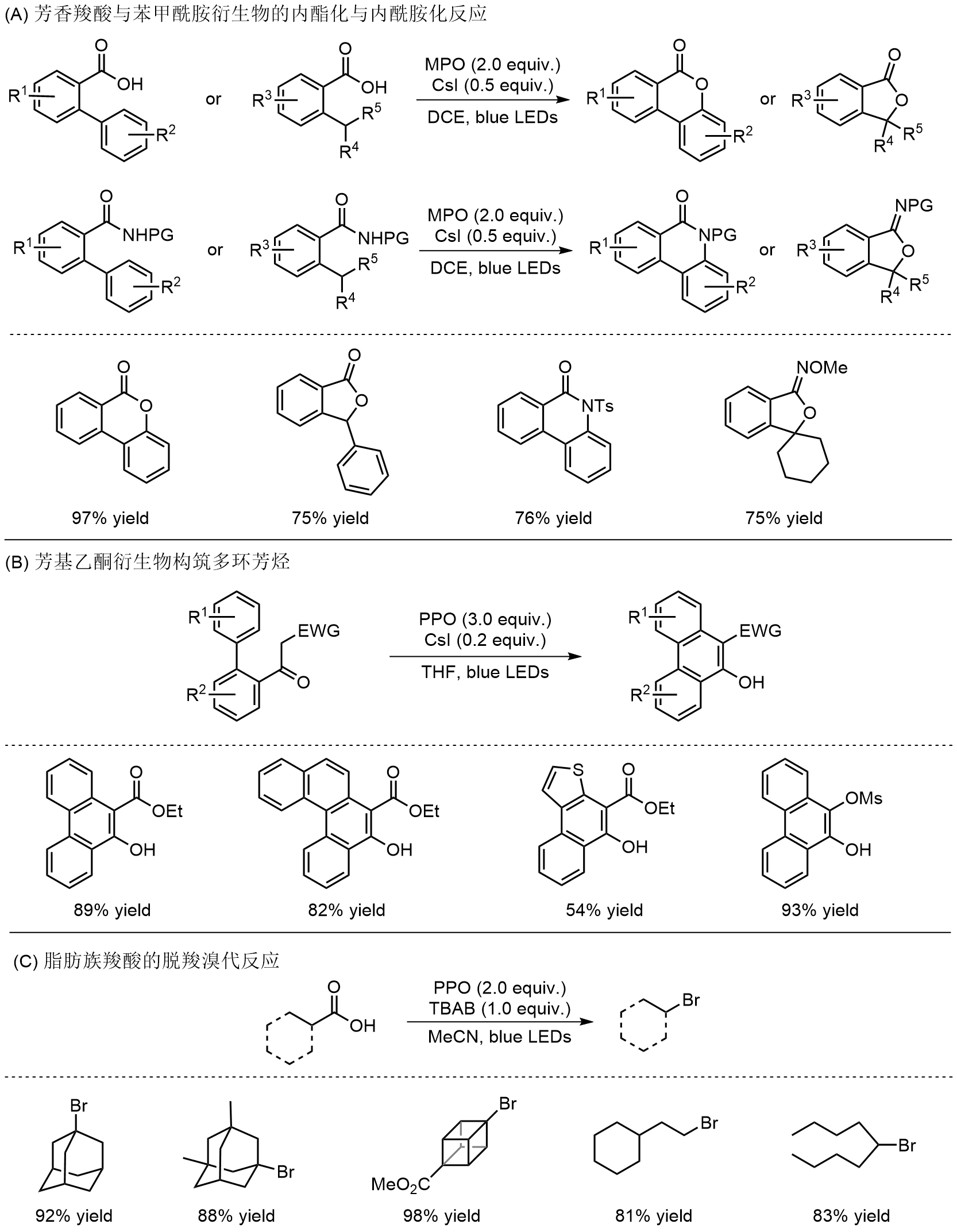
环状二酰基过氧化物受环张力与立体电子效应的协同影响, 兼具较高的热稳定性与潜在的高反应活性. 在适当外界条件或试剂作用下, 其O—O键可经均裂、异裂或氧化还原等途径活化, 生成二氧鎓离子、苯炔及环炔、含有布朗斯特碱共价拴系的酰基次卤酸盐、荷基异位自由基负离子、高价金属配合物和有机高价碘(III)物种等多种活性中间体. 以这些中间体的可控生成为主线, 综述了2010年以来环状二酰基过氧化物在氧化反应、高张力中间体生成、卤素介导的转化以及氧化还原催化等领域的研究进展, 分析了代表性转化的机理特征与选择性控制规律, 并就该领域在配体调控、不对称催化及生物正交化学等方面的发展前景进行了展望.
高皓炜, 杨惜晖, 闫甲乐, 曾超, 史雷. 环状二酰基过氧化物: 活性中间体的可控生成与合成应用★[J]. 化学学报, 2026, 84(9): 1507-1524.
Haowei Gao, Xihui Yang, Jiale Yan, Chao Zeng, Lei Shi. Cyclic Diacyl Peroxides: Controlled Generation of Reactive Intermediates and Synthetic Applications★[J]. Acta Chimica Sinica, 2026, 84(9): 1507-1524.
| [1] |
doi: 10.1002/jlac.v108:1 |
| [2] |
|
| [3] |
doi: 10.1021/acs.jpca.0c02859 |
| [4] |
|
| [5] |
|
|
(金红霞, 伍贻康, 有机化学, 2005, 25, 1372.)
|
|
| [6] |
doi: 10.1021/acs.chemrev.7b00649 |
| [7] |
|
| [8] |
doi: 10.1038/nprot.2014.175 |
| [9] |
doi: 10.1039/d1cs00386k pmid: 34263287 |
| [10] |
doi: 10.1055/s-0036-1588458 |
| [11] |
doi: 10.1021/ja1066674 pmid: 20866057 |
| [12] |
doi: 10.1021/om3009074 |
| [13] |
doi: 10.1021/ja01591a061 |
| [14] |
doi: 10.1021/ja00536a027 |
| [15] |
doi: 10.1016/0040-4020(80)80031-7 |
| [16] |
doi: 10.1021/cr00032a009 |
| [17] |
doi: 10.1021/jo202084w |
| [18] |
doi: 10.1039/C3SC53256A |
| [19] |
doi: 10.1021/ol3030154 |
| [20] |
doi: 10.1021/acs.orglett.5b02674 pmid: 26425839 |
| [21] |
doi: 10.1002/hlca.v28:1 |
| [22] |
doi: 10.1016/j.tetlet.2016.06.087 |
| [23] |
doi: 10.1016/j.tetlet.2011.03.005 |
| [24] |
doi: 10.1021/acs.orglett.5b02008 pmid: 26333308 |
| [25] |
doi: 10.1021/acs.orglett.6b01253 pmid: 27314605 |
| [26] |
doi: 10.1021/acs.joc.8b00392 pmid: 29812939 |
| [27] |
doi: 10.1021/acs.orglett.0c00253 |
| [28] |
doi: 10.1021/acs.joc.5b02233 |
| [29] |
doi: 10.1002/adsc.v361.13 |
| [30] |
doi: 10.1038/nature12284 |
| [31] |
doi: 10.1021/acs.joc.5b01079 pmid: 26200205 |
| [32] |
doi: 10.1021/acs.orglett.5b00953 |
| [33] |
doi: 10.1039/C7OB00021A |
| [34] |
doi: 10.1021/acs.chemrev.4c00296 |
| [35] |
doi: 10.1021/acs.joc.5b00517 |
| [36] |
doi: 10.1021/jacs.3c02314 |
| [37] |
doi: 10.1021/jacs.4c18057 |
| [38] |
doi: 10.1039/D4SC00581C |
| [39] |
doi: 10.1039/D4RA04916K |
| [40] |
doi: 10.1021/ja00332a008 |
| [41] |
doi: 10.1021/acs.orglett.8b00161 |
| [42] |
doi: 10.1021/acs.joc.8b00243 |
| [43] |
doi: 10.1002/anie.v59.46 |
| [44] |
doi: 10.1039/D4SC02602K |
| [45] |
doi: 10.1021/acs.orglett.5c00185 |
| [46] |
doi: 10.1039/D5QO00271K |
| [47] |
doi: 10.1021/acs.orglett.5c03983 |
| [48] |
doi: 10.1039/C8OB01382A |
| [49] |
doi: 10.1021/jacs.5c01988 |
| [50] |
doi: 10.1016/j.ccr.2021.213859 |
| [51] |
doi: 10.1002/tcr.v21.12 |
| [52] |
doi: 10.1039/D3CS00735A |
| [53] |
doi: 10.1038/s41929-020-0460-y |
| [54] |
doi: 10.1021/acs.orglett.6c02395 |
| [55] |
doi: 10.1002/anie.v49:10 |
| [56] |
|
| [57] |
doi: 10.1021/jacs.4c12544 |
| [58] |
doi: 10.1021/acs.organomet.2c00663 |
| [59] |
doi: 10.1039/D4QO00779D |
| [60] |
doi: 10.1021/acscatal.4c05553 |
| [61] |
|
| [62] |
doi: 10.1021/acscatal.4c07285 |
| [63] |
|
| [64] |
doi: 10.1021/acs.orglett.5c00972 |
| [1] | 贾志胜,齐陈泽,杨第伦. α-氰基-α-(2, 4-二硝基苯基)苯乙酸乙酯的分子和晶体结构及^1H NMR谱特征[J]. 化学学报, 1996, 54(6): 521-527. |
| [2] | 吴世晖,骆玉美,刘菲. 有机硅反应活性中间体的研究Ⅶ: 二(α-呋喃基)硅烯与烯烃加成反应的立体化学[J]. 化学学报, 1996, 54(2): 206-208. |
| 阅读次数 | ||||||
|
全文 |
|
|||||
|
摘要 |
|
|||||
