

化学学报 ›› 2026, Vol. 84 ›› Issue (7): 1096-1104.DOI: 10.6023/A26030071 上一篇 下一篇
研究论文
张辉, 陈玉贞*( )
)
投稿日期:2026-03-09
发布日期:2026-04-14
基金资助:
Hui Zhang, Yuzhen Chen*()
Received:2026-03-09
Published:2026-04-14
Contact:
* E-mail: yzchen@qust.edu.cn; Tel.: 0532-84022927; Fax: 0532-84022927
Supported by:文章分享
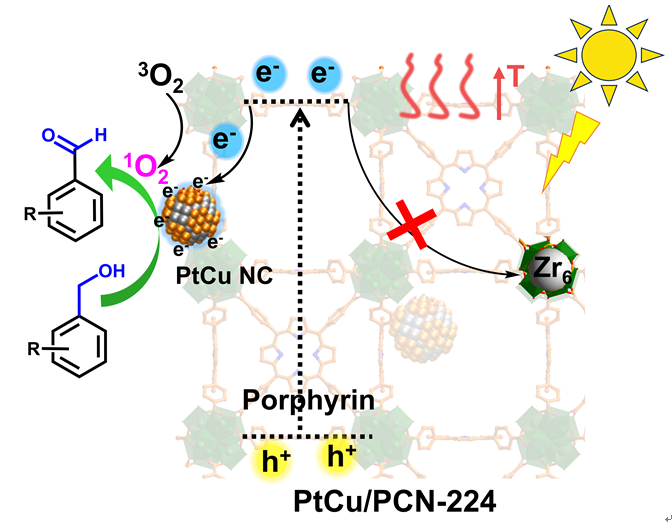
苯甲醇选择性氧化到高附加值的苯甲醛是精细化工领域的重要反应. 传统合成工艺通常需要高温、高压和强氧化剂等, 能耗高、环境污染严重且醛选择性低. 本研究将金属纳米晶和卟啉金属-有机框架材料(MOF, PCN-224)复合得到PtCu/PCN-224异质结. 该材料不仅继承了纳米晶和卟啉MOF各自的优势, 还集合了纳米晶与MOF间的主客体协同、双金属间的客体协同及二者良好的光热效应. 因此, PtCu/PCN-224在室温、可见光下实现了苯甲醇完全氧化到苯甲醛的高效转化. 其性能显著优于单金属、PtCu合金和Pt/PCN-224催化剂. 此外, 本研究通过理论计算从理论层面深入探讨了单线态氧氧化苯甲醇的可行性, 并明确了PtCu对反应能垒的降低及底物的活化机制. 该工作为单线态氧的调控合成及其醇氧化提供了重要指示和理论依据.
张辉, 陈玉贞. PtCu/PCN-224异质结光热催化苯甲醇选择性氧化[J]. 化学学报, 2026, 84(7): 1096-1104.
Hui Zhang, Yuzhen Chen. PtCu/PCN-224 Heterojunction for Photothermal-Driven Selective Oxidation of Benzyl Alcohol[J]. Acta Chimica Sinica, 2026, 84(7): 1096-1104.

| Entry | Catalyst | Time/min | T/℃ | Yieldc/% |
|---|---|---|---|---|
| 1a | Pt NCs | 30 | 34 | 39 |
| 60 | 36 | >99 | ||
| 2a | Pt1Cu1 NCs | 60 | 30 | >99 |
| 3a | Pt/PCN-224 | 20 | 32 | 68 |
| 60 | 36 | >99 | ||
| 4a | Pt2Cu1/PCN-224 | 10 | 26 | 56 |
| 25 | 34 | >99 | ||
| 5a | Pt1Cu1/PCN-224 | 10 | 25 | 70 |
| 15 | 30 | >99 | ||
| 6a | Pt1Cu2/PCN-224 | 60 | 36 | 81 |
| 80 | 36 | 95 | ||
| 7a | Cu/PCN-224 | 60 | 29 | 0 |
| 8a | PtCu+PCN-224 | 60 | 27 | 55 |
| 9a | Pt1Cu1/PCN-224 +carotene | 60 | 28 | 44 |
| 10b | Pt1Cu1/PCN-224 | 60 | 35 | 10 |
| 11a | Pt1Cu1/ZIF-8 | 60 | 26 | 66 |
| Entry | Catalyst | Time/min | T/℃ | Yieldc/% |
|---|---|---|---|---|
| 1a | Pt NCs | 30 | 34 | 39 |
| 60 | 36 | >99 | ||
| 2a | Pt1Cu1 NCs | 60 | 30 | >99 |
| 3a | Pt/PCN-224 | 20 | 32 | 68 |
| 60 | 36 | >99 | ||
| 4a | Pt2Cu1/PCN-224 | 10 | 26 | 56 |
| 25 | 34 | >99 | ||
| 5a | Pt1Cu1/PCN-224 | 10 | 25 | 70 |
| 15 | 30 | >99 | ||
| 6a | Pt1Cu2/PCN-224 | 60 | 36 | 81 |
| 80 | 36 | 95 | ||
| 7a | Cu/PCN-224 | 60 | 29 | 0 |
| 8a | PtCu+PCN-224 | 60 | 27 | 55 |
| 9a | Pt1Cu1/PCN-224 +carotene | 60 | 28 | 44 |
| 10b | Pt1Cu1/PCN-224 | 60 | 35 | 10 |
| 11a | Pt1Cu1/ZIF-8 | 60 | 26 | 66 |

| Entry | Substrate | Time/min | Yieldb/% | Selectivity/% | Entry | Substrate | Time/min | Yieldb/% | Selectivity/% |
|---|---|---|---|---|---|---|---|---|---|
| 1 |  | 15 | >99 | 100 | 7 | 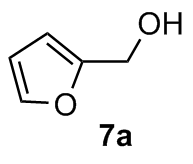 | 30 | >99 | 100 |
| 2 | 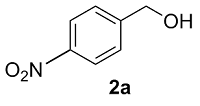 | 20 | >99 | 100 | 8 | 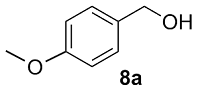 | 15 | >99 | 100 |
| 3 | 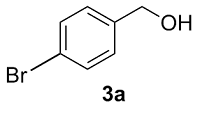 | 15 | >99 | 100 | 9 | 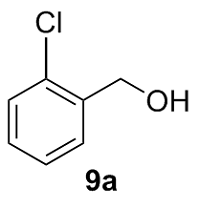 | 90 | >99 | 100 |
| 4 | 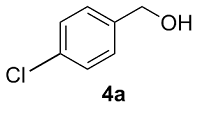 | 15 | >99 | 100 | 10 | 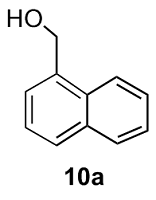 | 50 | >99 | 100 |
| 5 | 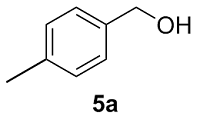 | 30 | >99 | 100 | 11 | 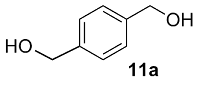 | 15 | >99 | 100 |
| 6 | 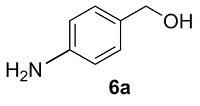 | 30 | >99 | 100 |
| Entry | Substrate | Time/min | Yieldb/% | Selectivity/% | Entry | Substrate | Time/min | Yieldb/% | Selectivity/% |
|---|---|---|---|---|---|---|---|---|---|
| 1 | | 15 | >99 | 100 | 7 | | 30 | >99 | 100 |
| 2 | | 20 | >99 | 100 | 8 | | 15 | >99 | 100 |
| 3 | | 15 | >99 | 100 | 9 | | 90 | >99 | 100 |
| 4 | | 15 | >99 | 100 | 10 | | 50 | >99 | 100 |
| 5 | | 30 | >99 | 100 | 11 | | 15 | >99 | 100 |
| 6 | | 30 | >99 | 100 |
| [1] |
doi: 10.6023/A16010036 |
|
(张婷, 蔡雪刁, 刘娜, 许春丽, 化学学报, 2016, 74, 441.)
doi: 10.6023/A16010036 |
|
| [2] |
doi: 10.1016/j.matchemphys.2019.04.053 |
| [3] |
|
| [4] |
|
| [5] |
doi: 10.1016/j.ccr.2024.216372 |
| [6] |
doi: 10.1021/acscatal.0c01432 |
| [7] |
doi: 10.1016/j.ceramint.2024.12.463 |
| [8] |
doi: 10.1021/acsomega.1c02163 pmid: 34368547 |
| [9] |
doi: 10.1016/S1872-2067(23)64451-1 |
| [10] |
doi: 10.1021/jacs.7b10997 pmid: 29319310 |
| [11] |
doi: 10.1039/C7RA11569E |
| [12] |
doi: 10.3390/molecules24224157 |
| [13] |
doi: 10.1021/ar800023v |
| [14] |
doi: 10.1021/jacs.6b12074 pmid: 28103670 |
| [15] |
doi: 10.1038/s41586-023-06485-8 |
| [16] |
doi: 10.1021/acssuschemeng.4c05654 |
| [17] |
doi: 10.6023/A24010040 |
|
(王南南, 陈玉贞, 化学学报, 2024, 82, 621.)
doi: 10.6023/A24010040 |
|
| [18] |
doi: 10.1039/C4CS90059F |
| [19] |
doi: 10.6023/A22020085 |
|
(谢晨帆, 徐玉平, 高明亮, 徐忠宁, 江海龙, 化学学报, 2022, 80, 867.)
doi: 10.6023/A22020085 |
|
| [20] |
doi: 10.1126/science.aam7232 |
| [21] |
doi: 10.1016/j.scib.2023.07.031 |
| [22] |
|
| [23] |
|
| [24] |
doi: 10.1021/acs.chemrev.2c00460 |
| [25] |
doi: 10.1021/jacs.0c09466 |
| [26] |
doi: 10.1039/D4EE01748J |
| [27] |
doi: 10.1021/ja408084j |
| [28] |
doi: 10.1021/jacs.0c05530 |
| [29] |
doi: 10.1021/jacs.5b08773 |
| [30] |
|
| [31] |
|
| [32] |
doi: 10.1021/jacs.7b09553 pmid: 29172485 |
| [33] |
doi: 10.1021/acscatal.0c05145 |
| [34] |
|
| [35] |
|
| [36] |
doi: 10.1002/adfm.v34.25 |
| [37] |
doi: 10.1021/acs.analchem.5c02165 |
| [38] |
doi: 10.1039/D5SC07319G |
| [39] |
doi: 10.1016/j.ccr.2025.216771 |
| [40] |
doi: 10.1021/ja512951e |
| [41] |
doi: 10.1038/s41929-018-0138-x |
| [42] |
doi: 10.1039/C9SC01866B |
| [43] |
doi: 10.1021/acs.chemrev.9b00443 |
| [44] |
|
| [45] |
|
| [46] |
|
| [47] |
doi: 10.3390/molecules29245834 |
| [48] |
doi: 10.1039/D4CS00317A |
| [49] |
doi: 10.1002/asia.v15.7 |
| [50] |
doi: 10.1039/D5MA00928F |
| [51] |
|
| [52] |
|
| [53] |
doi: 10.1016/j.seppur.2018.06.064 |
| [54] |
|
| [55] |
doi: 10.1016/j.bios.2025.117339 |
| [56] |
doi: 10.1016/j.jcis.2021.05.087 |
| [57] |
doi: 10.1021/acscatal.3c05454 |
| [58] |
doi: 10.1039/D4NA00528G |
| [59] |
doi: 10.1039/C9QM00633H |
| [60] |
|
| [1] | 王跃, 邹莹, 张元, 郑舒婕, 王恒宇, 刘天赋, 李仁富. 锆基金属有机框架材料在氧传感器上的应用[J]. 化学学报, 2025, 83(1): 45-51. |
| [2] | 王南南, 陈玉贞. CoNi-MOF-74/泡沫镍衍生的CoNi@C/NF复合物用于高效有机电合成[J]. 化学学报, 2024, 82(6): 621-628. |
| [3] | 田茹心, 杨苗, 陈果, 刘豇汕, 袁梦梅, 原弘, 欧阳述昕, 张铁锐. 钌/石英滤纸: 可回收型CO2甲烷化光热催化膜★[J]. 化学学报, 2023, 81(8): 869-873. |
| [4] | 孙博, 琚雯雯, 王涛, 孙晓军, 赵婷, 卢晓梅, 陆峰, 范曲立. 高分散共轭聚合物-金属有机框架纳米立方体的制备及抗肿瘤应用[J]. 化学学报, 2023, 81(7): 757-762. |
| [5] | 陈俊畅, 张明星, 王殳凹. 晶态多孔材料合成方法的研究进展[J]. 化学学报, 2023, 81(2): 146-157. |
| [6] | 徐赫, 韩鹏博, 秦安军, 唐本忠. 光热材料的发展现状及应用前景★[J]. 化学学报, 2023, 81(10): 1420-1437. |
| [7] | 李小娟, 叶梓瑜, 谢书涵, 王永净, 王永好, 吕源财, 林春香. 氮氯共掺杂多孔碳活化过一硫酸盐降解苯酚的性能及机理研究[J]. 化学学报, 2022, 80(9): 1238-1249. |
| [8] | 闫绍兵, 焦龙, 何传新, 江海龙. ZIF-67/石墨烯复合物衍生的氮掺杂碳限域Co纳米颗粒用于高效电催化氧还原[J]. 化学学报, 2022, 80(8): 1084-1090. |
| [9] | 朱鹏飞, 娄晨思, 史雨翰, 王传义. Ag/AgCl/ZIF-8复合材料的制备及其对NO光催化氧化性能的研究[J]. 化学学报, 2022, 80(10): 1385-1393. |
| [10] | 王瑞兆, 邹云杰, 洪晟, 徐铭楷, 凌岚. Pt0.01Fe0.05-g-C3N4催化剂高效光热催化二氧化碳还原[J]. 化学学报, 2021, 79(7): 932-940. |
| [11] | 刘欢, 李京哲, 李平, 张广智, 张广智, 张豪, 邱灵芳, 齐晖, 多树旺. 2D/3D ZnIn2S4/TiO2复合物的原位构筑及其提高的光催化性能[J]. 化学学报, 2021, 79(10): 1293-1301. |
| [12] | 张晋维, 李平, 张馨凝, 马小杰, 王博. 水稳定性金属有机框架材料的水吸附性质与应用[J]. 化学学报, 2020, 78(7): 597-612. |
| [13] | 郭振彬, 张媛媛, 冯霄. 金属有机框架分离纯化C4~C6碳氢化合物的研究[J]. 化学学报, 2020, 78(5): 397-406. |
| [14] | 于越, 张新波. 多孔金属有机框架材料作为锂金属负极保护层助力长寿命锂氧气电池[J]. 化学学报, 2020, 78(12): 1434-1440. |
| [15] | 张婷, 蔡雪刁, 刘娜, 许春丽. MoO3/C-N复合材料的制备条件对其结构及催化性能的影响[J]. 化学学报, 2016, 74(5): 441-449. |
| 阅读次数 | ||||||
|
全文 |
|
|||||
|
摘要 |
|
|||||
