有机化学 ›› 2025, Vol. 45 ›› Issue (8): 3017-3027.DOI: 10.6023/cjoc202412017 上一篇 下一篇
研究论文
李滢, 梁正会, 钟智薇, 韦幼迎, 刘清然, 展军颜*( ), 甘春芳*()
收稿日期:2024-12-20
修回日期:2025-02-18
发布日期:2025-03-07
基金资助:
Ying Li, Zhenghui Liang, Zhiwei Zhong, Youying Wei, Qingran Liu, Junyan Zhan*(), Chunfang Gan*()
Received:2024-12-20
Revised:2025-02-18
Published:2025-03-07
Contact:
*E-mail:gancf@nnnu.edu.cn;zhanjunyan@126.com
Supported by:文章分享

癌症是全球主要死因之一, 每年导致数百万人死亡, 因此开发高效、低毒的新型抗肿瘤药物至关重要. 本研究以雌酚酮为原料, 通过结构修饰在其17-位引入肟醚键缀合的羟肟酸基团, 合成了一系列雌甾羟肟酸衍生物, 并对其体外抗肿瘤活性进行了评估. 结果表明, 这些羟肟酸缀合的雌甾化合物对多种肿瘤细胞均表现出显著的抑制活性. 其中, O-(N-羟基-己酰胺基)-3-甲氧基-雌酚酮-17-肟(5c)表现出优异的抗肿瘤效果, 进一步研究表明, 5c能够诱导细胞凋亡, 并通过升高细胞内活性氧(ROS)水平导致线粒体损伤, 从而发挥抗肿瘤作用. 研究证实, 羟肟酸基团的引入显著增强了化合物的抗肿瘤活性, 为新型抗肿瘤药物的设计与开发提供了重要参考.
李滢, 梁正会, 钟智薇, 韦幼迎, 刘清然, 展军颜, 甘春芳. 雌甾羟肟酸衍生物的合成及体外抗肿瘤活性研究[J]. 有机化学, 2025, 45(8): 3017-3027.
Ying Li, Zhenghui Liang, Zhiwei Zhong, Youying Wei, Qingran Liu, Junyan Zhan, Chunfang Gan. Synthesis of Estradiol Hydroxamic Derivatives and Their in vitro Antitumor Activities[J]. Chinese Journal of Organic Chemistry, 2025, 45(8): 3017-3027.


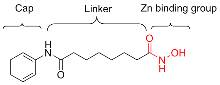


| Compd. | Skov-3 | MCF-7 | Hela | T47D | HepG-2 | 293T |
|---|---|---|---|---|---|---|
| 4a | >80 | >80 | >80 | >80 | >80 | >80 |
| 4b | >80 | >80 | >80 | >80 | >80 | >80 |
| 4c | >80 | >80 | >80 | >80 | >80 | >80 |
| 4d | >80 | 39.48±1.60 | 70.90±1.85 | >80 | >80 | >80 |
| 4e | >80 | >80 | 51.31±1.71 | >80 | >80 | >80 |
| 5a | 8.05±0.38 | 9.76±0.12 | 8.87±0.28 | 16.12±0.52 | 30.52±5.46 | 15.12±2.64 |
| 5b | 16.89±0.06 | 14.26±1.60 | 16.70±0.16 | 24.21±0.38 | 14.33±1.22 | 28.74±0.62 |
| 5c | 6.47±0.22 | 5.54±0.08 | 6.16±0.14 | 10.06±0.50 | 7.43±0.87 | 18.84±0.44 |
| 5d | 6.98±0.20 | 9.54±0.13 | 13.22±0.36 | 17.58±0.22 | 21.52±0.26 | 19.32±1.92 |
| 5e | 6.64±0.41 | 8.59±0.57 | 6.57±0.37 | 11.58±0.21 | 9.22±0.34 | 15.58±0.70 |
| SAHAb | 0.86±0.06 | 3.6±0.56 | 3.20±0.51 | — | — | 73.91±1.88 |
| Compd. | Skov-3 | MCF-7 | Hela | T47D | HepG-2 | 293T |
|---|---|---|---|---|---|---|
| 4a | >80 | >80 | >80 | >80 | >80 | >80 |
| 4b | >80 | >80 | >80 | >80 | >80 | >80 |
| 4c | >80 | >80 | >80 | >80 | >80 | >80 |
| 4d | >80 | 39.48±1.60 | 70.90±1.85 | >80 | >80 | >80 |
| 4e | >80 | >80 | 51.31±1.71 | >80 | >80 | >80 |
| 5a | 8.05±0.38 | 9.76±0.12 | 8.87±0.28 | 16.12±0.52 | 30.52±5.46 | 15.12±2.64 |
| 5b | 16.89±0.06 | 14.26±1.60 | 16.70±0.16 | 24.21±0.38 | 14.33±1.22 | 28.74±0.62 |
| 5c | 6.47±0.22 | 5.54±0.08 | 6.16±0.14 | 10.06±0.50 | 7.43±0.87 | 18.84±0.44 |
| 5d | 6.98±0.20 | 9.54±0.13 | 13.22±0.36 | 17.58±0.22 | 21.52±0.26 | 19.32±1.92 |
| 5e | 6.64±0.41 | 8.59±0.57 | 6.57±0.37 | 11.58±0.21 | 9.22±0.34 | 15.58±0.70 |
| SAHAb | 0.86±0.06 | 3.6±0.56 | 3.20±0.51 | — | — | 73.91±1.88 |




| [1] |
|
| [2] |
|
| [3] |
doi: 10.1021/acs.jmedchem.0c00567 pmid: 32815366 |
| [4] |
|
|
(张晶晶, 李慧琼, 张兴杰, 王永朋, 周学梅, 肖伟烈, 程立君, 李晓莉, 有机化学, 2025, 45, 1411.)
doi: 10.6023/cjoc202407037 |
|
| [5] |
|
|
(周骁汉, 刘小宇, 有机化学, 2021, 41, 2925.)
doi: 10.6023/cjoc202100054 |
|
| [6] |
|
| [7] |
|
|
(黄燕敏, 苏绍烊, 贾琳怡, 甘春芳, 林啟福, 孔二斌, 崔建国, 有机化学, 2014, 34, 1816.)
doi: 10.6023/cjoc201403047 |
|
| [8] |
|
| [9] |
|
| [10] |
|
| [11] |
|
| [12] |
doi: 10.1021/acs.jmedchem.1c00420 pmid: 34101461 |
| [13] |
|
|
(李佳昕, 翟宏菊, 孙德武, 关壬铨, 王岩, 齐云峰, 中国新药与临床杂志, 2019, 38, 321.)
|
|
| [14] |
pmid: 14623605 |
| [15] |
|
| [16] |
|
| [17] |
|
|
(顾依钰, 吕晓庆, 马晓东, 张浩健, 嵇媛媛, 丁婉婧, 沈立, 有机化学, 2020, 40, 95.)
doi: 10.6023/cjoc201908021 |
|
| [18] |
|
| [19] |
|
| [20] |
|
| [21] |
|
|
(于佩霞, 硕士论文, 山东大学, 济南, 2021.)
|
|
| [22] |
|
| [23] |
|
| [24] |
|
| [25] |
|
| [26] |
|
| [27] |
doi: 10.1016/s0092-8674(02)00625-6 pmid: 11832206 |
| [28] |
doi: 10.1016/j.canlet.2009.02.013 pmid: 19289255 |
| [29] |
doi: 10.1080/01926230701320337 pmid: 17562483 |
| [30] |
|
| [31] |
|
| [32] |
|
| [1] | 郑彬, 韦敏, 林雯雯, 潘成学. 茚并异喹啉酮N-杂化衍生物的合成及其拓扑异构酶I抑制和抗肿瘤活性研究[J]. 有机化学, 2025, 45(8): 2815-2824. |
| [2] | 贺甜甜, 孙立娇, 吕佳慧, 李进京, 杜永红. 新型均三嗪化合物的合成及抗肿瘤活性[J]. 有机化学, 2025, 45(7): 2577-2585. |
| [3] | 丁一鸣, 张庭荣, 张泾渭, 邓军. 三尖杉二萜类天然产物的全合成研究进展[J]. 有机化学, 2025, 45(6): 2048-2073. |
| [4] | 顾一飞, 吴彩菊, 王思琪, 张世琳, 陆远, 司鑫鑫, 蒋佰玲. 新型对苯二甲酰胺衍生物的合成及抗肿瘤活性研究[J]. 有机化学, 2024, 44(11): 3497-3504. |
| [5] | 王博珍, 张婕, 粘春惠, 金茗茗, 孔苗苗, 李物兰, 何文斐, 吴建章. 含有3,4-二氯苯基的酰胺类化合物的合成及抗肿瘤活性研究[J]. 有机化学, 2024, 44(1): 232-241. |
| [6] | 张维舒, 聂礼飞, Khurshed Bozorov, 阿吉艾克拜尔•艾萨, 赵江瑜. 2,5-二氨基噻吩-3,4-二羧酸二乙酯衍生物的合成及抗肿瘤活性研究[J]. 有机化学, 2023, 43(7): 2543-2552. |
| [7] | 庞盼杏, 宁蓉, 祝创, 黄文洁, 马献力, 蒋彩娜, 李芳耀, 周小群. 苦参碱缩氨基脲类化合物的合成及其体外抗肿瘤活性研究[J]. 有机化学, 2023, 43(6): 2126-2135. |
| [8] | 段康慧, 唐俊龙, 伍婉卿. 稠杂环化合物的合成及其抗肿瘤活性研究进展[J]. 有机化学, 2023, 43(3): 826-854. |
| [9] | 刘威琴, 邵利辉, 李成朋, 邹雅玉, 龙海洮, 李焱, 戈强胜, 王贞超, 欧阳贵平. 3-腙喹唑啉酮衍生物的合成及抗肿瘤活性研究[J]. 有机化学, 2023, 43(1): 214-222. |
| [10] | 赵静, 金辄, 王润, 张新庚, 韩英妹, 胡春, 刘晓平, 张传明, 金丽萍. 2-[(吡啶-2-基甲基)硫基]-1H-苯并咪唑类化合物的设计、合成和抗癌活性研究[J]. 有机化学, 2022, 42(7): 2172-2183. |
| [11] | 崔银, 张国富, 丁成荣. 洛森重排反应研究进展[J]. 有机化学, 2022, 42(7): 2015-2027. |
| [12] | 薛露, 张丽花, 张成玉, 赵鑫, 党伟帆, 王昭昕, 王春华, 所同川, 颜晓晖. 链霉菌CB03234-S中天赐霉素衍生物的发现[J]. 有机化学, 2022, 42(4): 1241-1247. |
| [13] | 曹亚权, 杨莹雪, 翟洪进, 王锦, 张烁, 王焕焕, 杨璞, 吴春丽. 新型5位与6位取代的吲唑类衍生物的合成及抗肿瘤活性研究[J]. 有机化学, 2022, 42(2): 590-599. |
| [14] | 曾艳, 聂礼飞, 牛超, 阿依提拉•麦麦提江, Khurshed Bozorov, 赵江瑜, 阿吉艾克拜尔•艾萨. 二氢噁唑并[5,4-d]吡咯并[1,2-a]嘧啶酮的合成及生物活性研究[J]. 有机化学, 2022, 42(2): 543-556. |
| [15] | 戴洪林, 司晓杰, 池玲玲, 王浩, 高潮, 汪正捷, 刘丽敏, 马家婕, 于富强, 刘宏民, 可钰, 张秋荣. 含噻唑结构的2,4,6-三取代喹唑啉衍生物的合成及抗肿瘤活性研究[J]. 有机化学, 2022, 42(11): 3853-3862. |
| 阅读次数 | ||||||
|
全文 |
|
|||||
|
摘要 |
|
|||||


