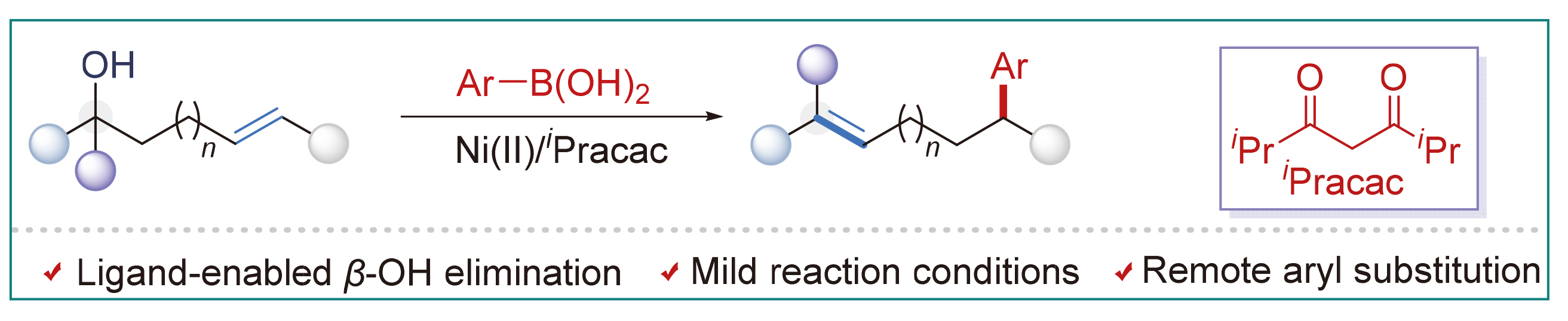
-
-
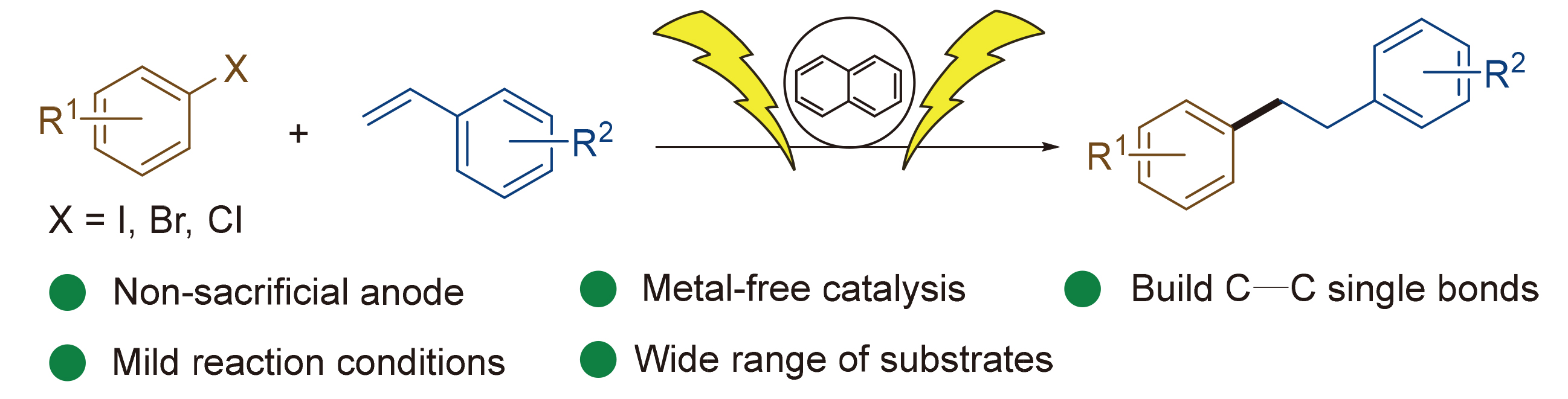
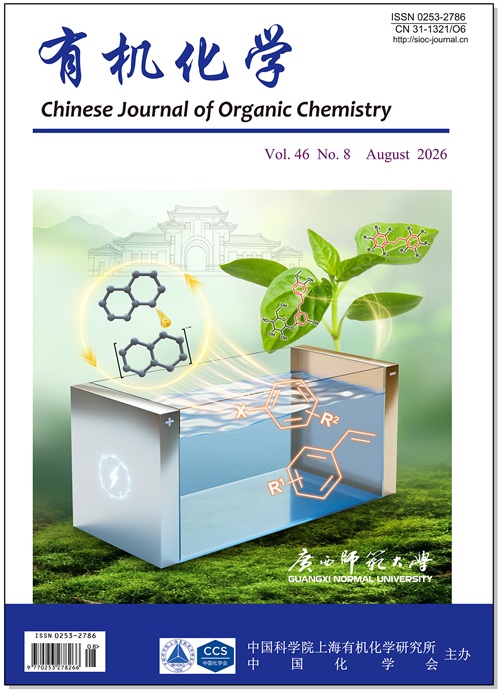 About the Cover:A novel electrochemical reductive coupling strategy without the need for exogenous redox reagents and catalysts has been successfully developed by Liu, Chen, Meng, Wang, and Tang on page 3246. Under mild reaction conditions, the authors employed naphthalene as the mediator to generate phenyl radicals via cathodic reductive dehalogenation of aryl halides, followed by radical addition with styrene. Starting from readily available multi-type aryl halides (including iodo, bromo and chloro derivatives) and styrene, a series of bibenzyl compounds were efficiently synthesized.
 -
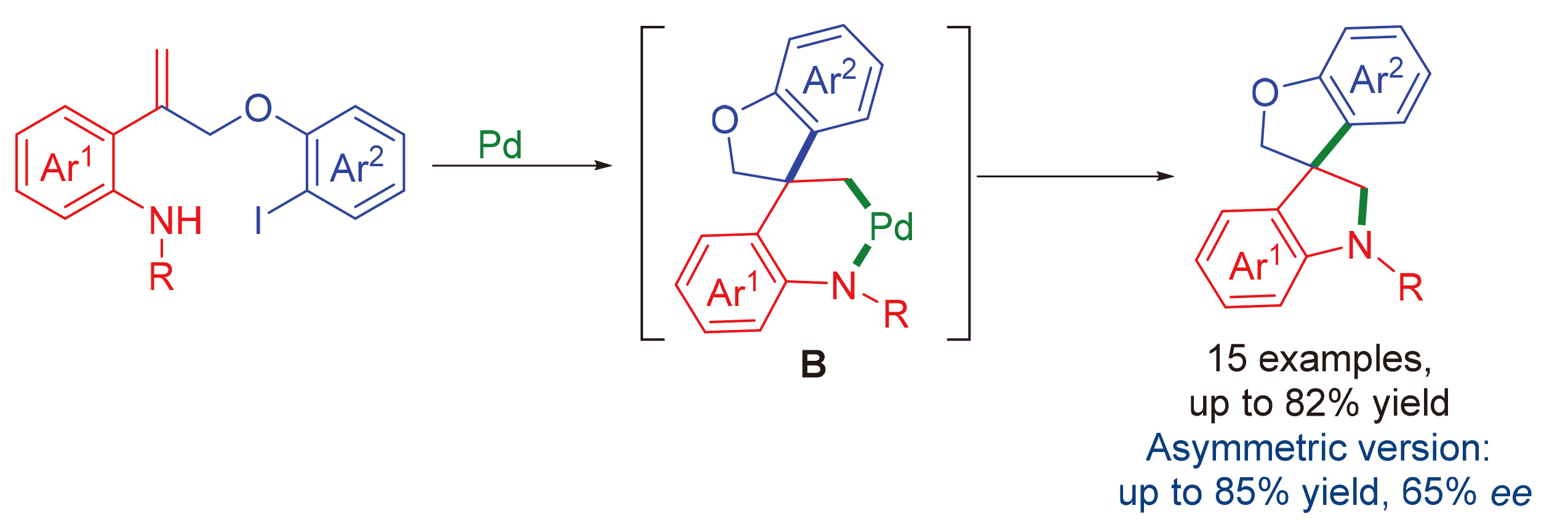
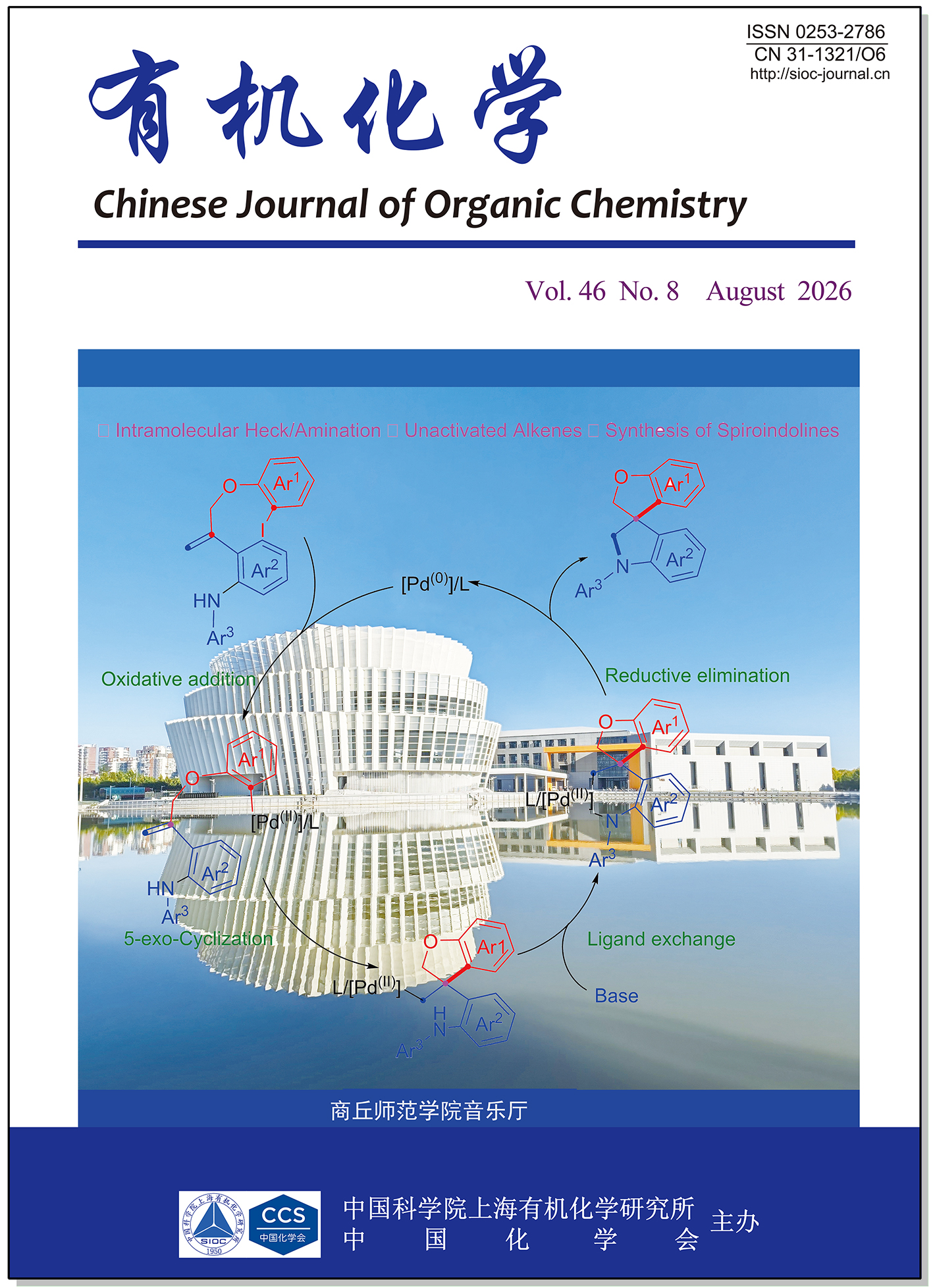 About the Cover:A palladium-catalyzed intramolecular Heck/amination reaction of unactivated alkenes, reported by Lin, Zhou, Qin, Song, Song, Gao, Bao, Li, Jiang, and Liu on page 3139, was developed for the construction of a series of spiroindolines in moderate to good yields. In addition, preliminary attempts toward an asymmetric version of this reaction have also been conducted, providing optically active spiroindolines in up to 85% yield and 65% ee which stands for novel chiral skeletons with potential applications in asymmetric catalysis.
 -
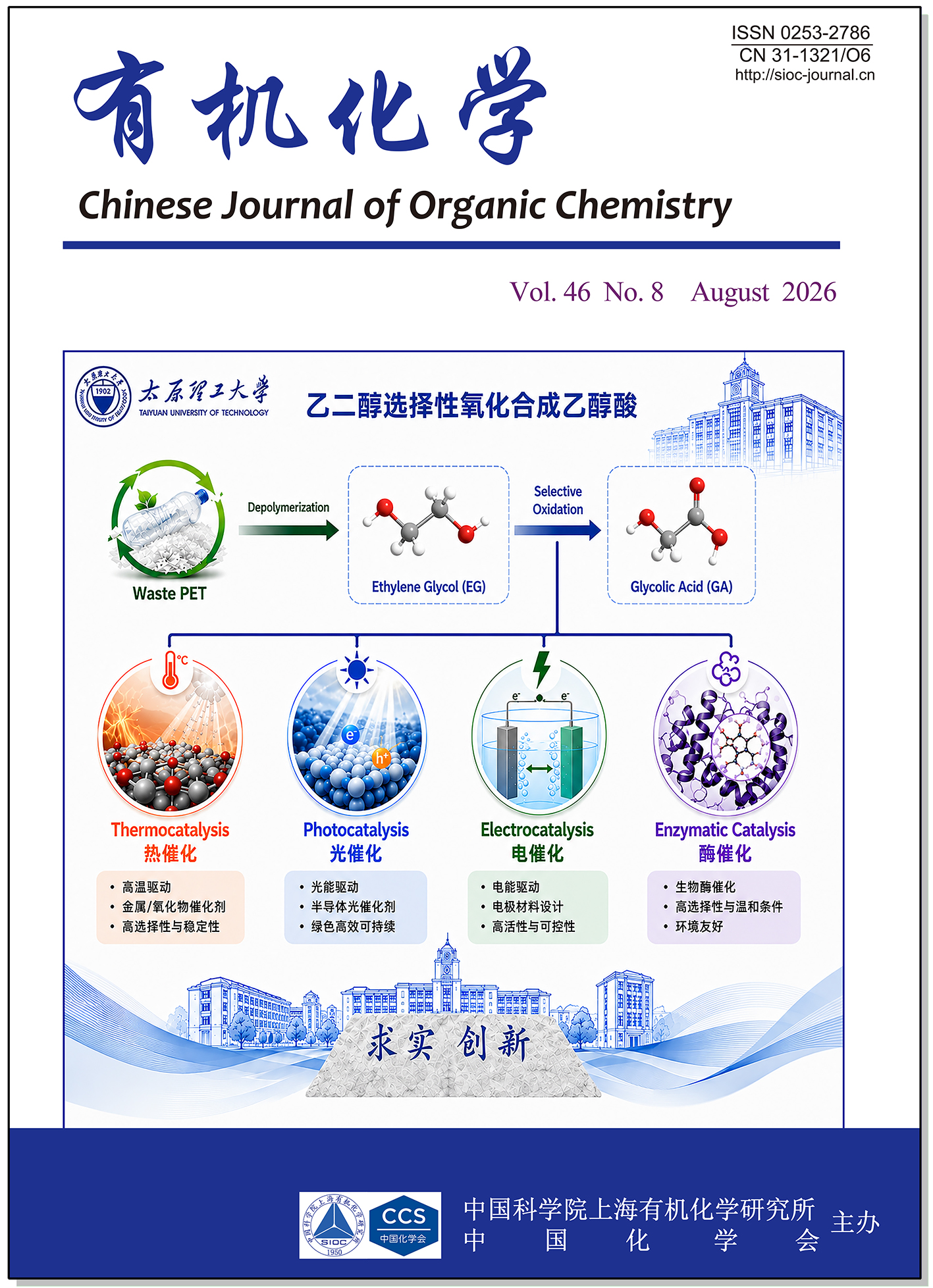 About the Cover:This review highlights recent advances in the selective oxidation of ethylene glycol to glycolic acid via four green catalytic strategies: thermocatalysis, photocatal-ysis, electrocatalysis, and enzymatic catalysis. The catalytic characteristics, representative achievements, and future prospects of these approaches are system-atically discussed by Wu, Wu, Zhang, Gao, Wang, and Chang on page 2969, providing insights for the de-velopment of efficient and sustainable pathways for polyethylene terephthalate upcycling.
 -
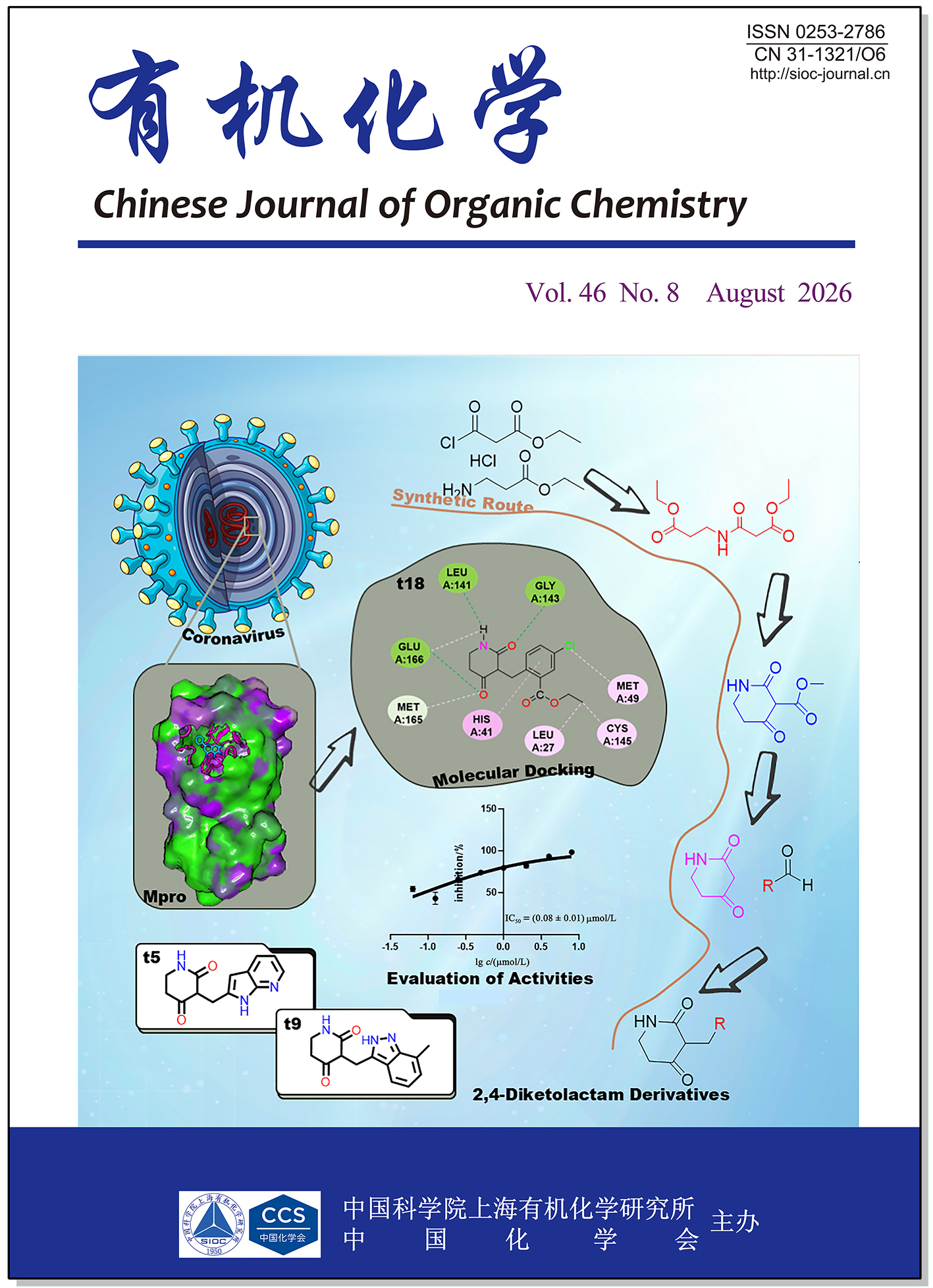 About the Cover:A method for the synthesis of Mpro inhibitory com-pounds via reductive alkylation of diketones with aldehydes was reported by Ao, Ma, Wang, He, Shang, Zhu, Li, Zhang, Zhang, and Hou on page 3104. The synthetic compounds (t5, t9, and t18) exhibit potent inhibitory activity against coronavirus Mpro and rep-resent promising candidates for the development of anti-coronavirus agents, providing a material basis for further pharmacodynamic evaluations.
-
-
Current Issue
REVIEWS
Chinese Journal of Organic Chemistry
2026, 46 (8), pp 2859-2891
DOI: 10.6023/cjoc202605015
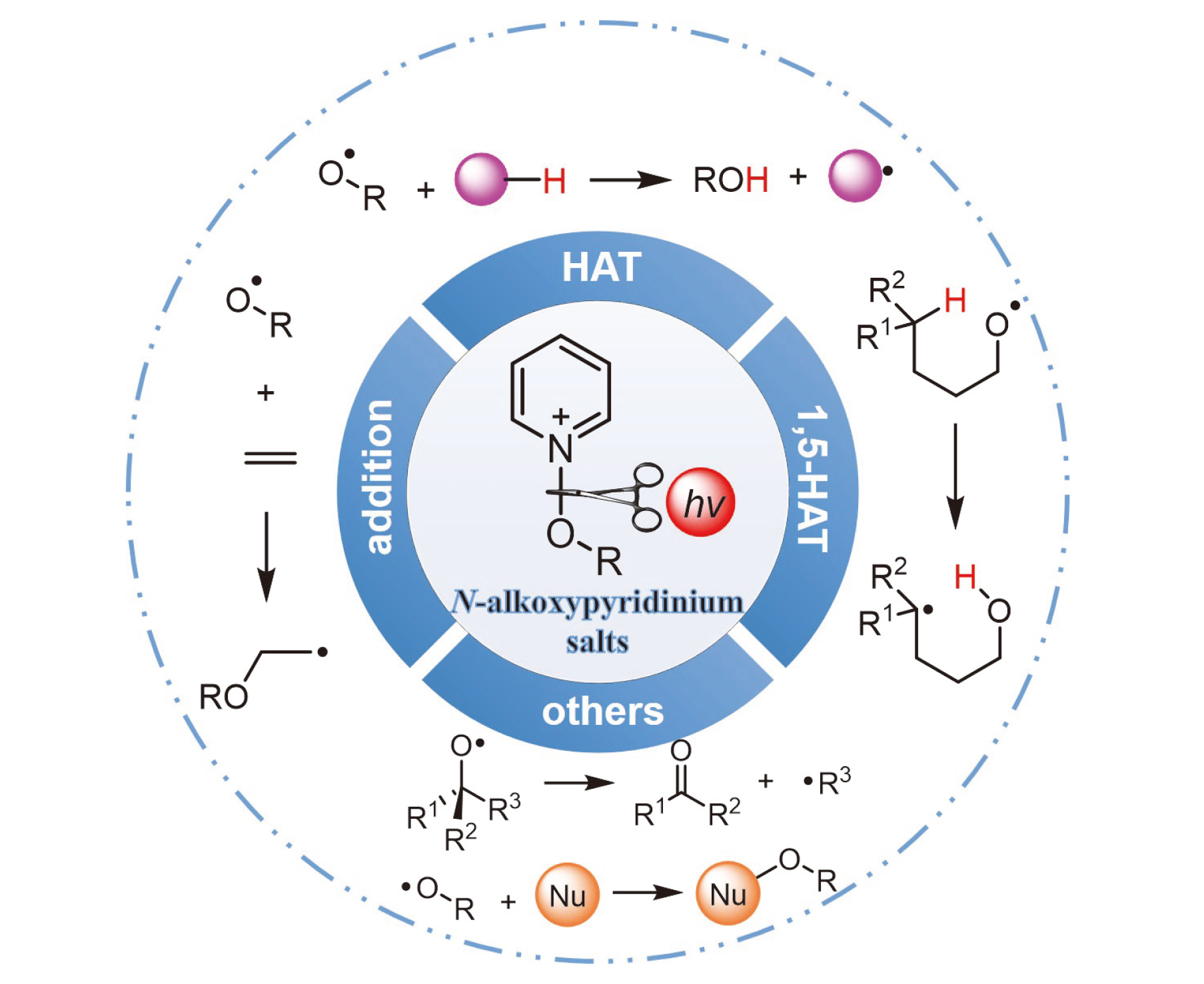
Chinese Journal of Organic Chemistry
2026, 46 (8), pp 2892-2925
DOI: 10.6023/cjoc202604011
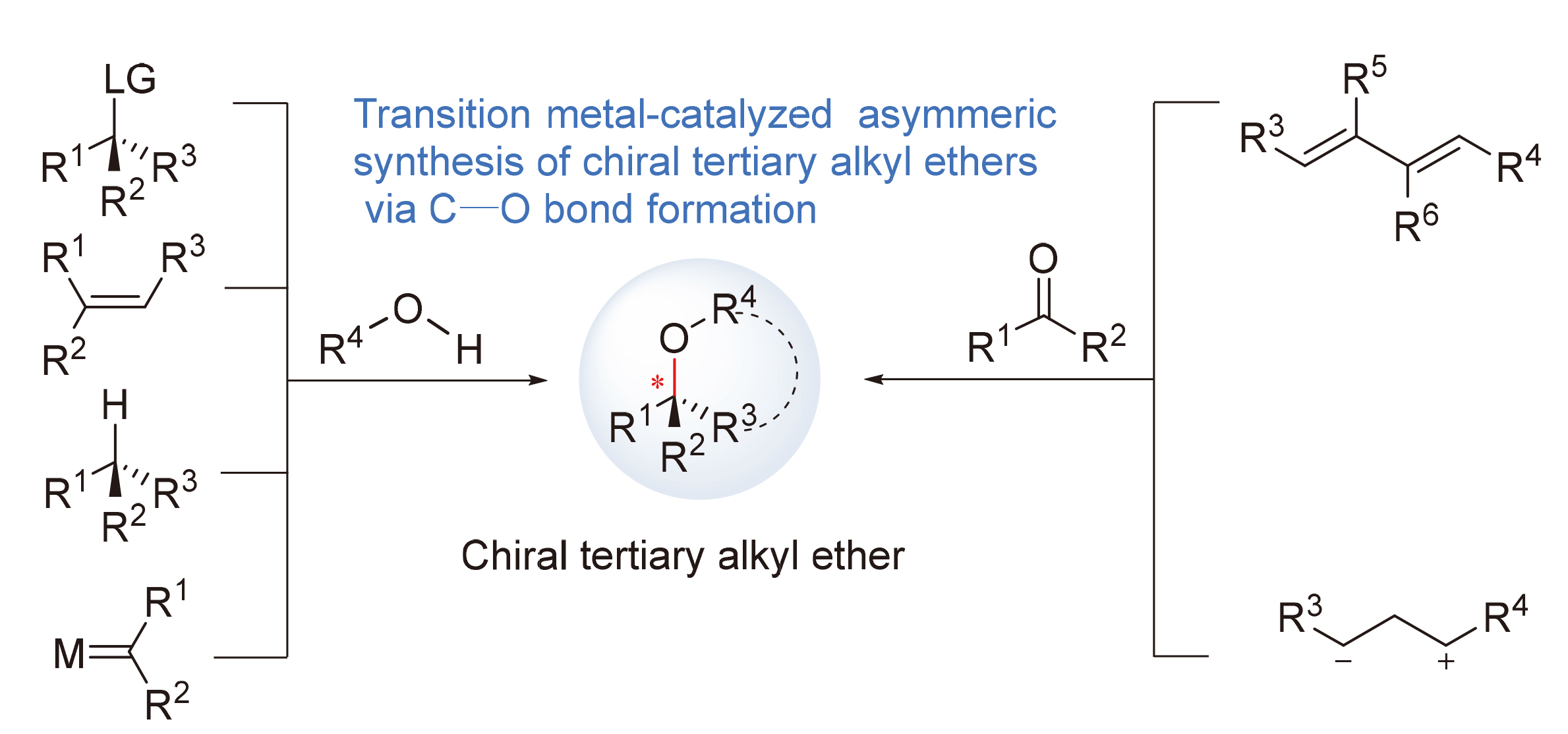
Chinese Journal of Organic Chemistry
2026, 46 (8), pp 2926-2948
DOI: 10.6023/cjoc202602018
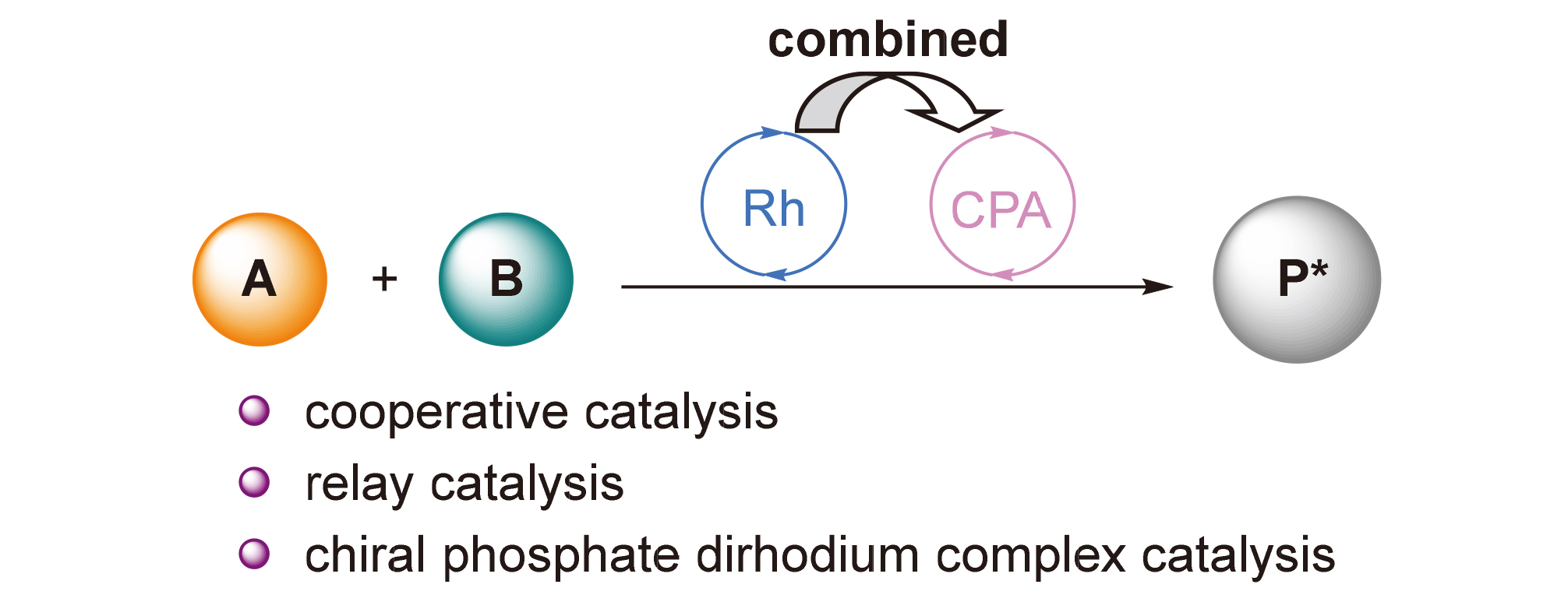
Chinese Journal of Organic Chemistry
2026, 46 (8), pp 2949-2968
DOI: 10.6023/cjoc202601039
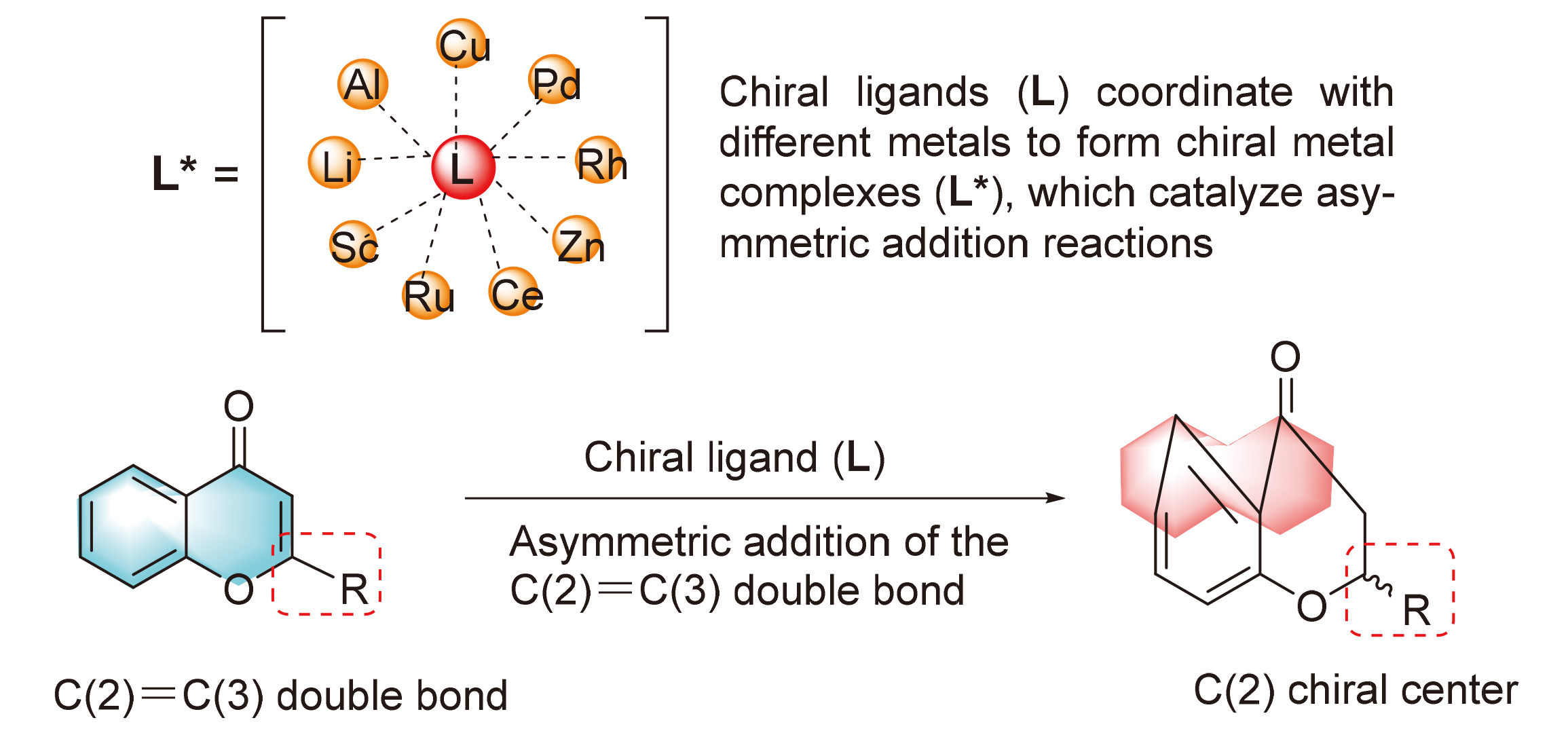
Chinese Journal of Organic Chemistry
2026, 46 (8), pp 2969-2987
DOI: 10.6023/cjoc202601006
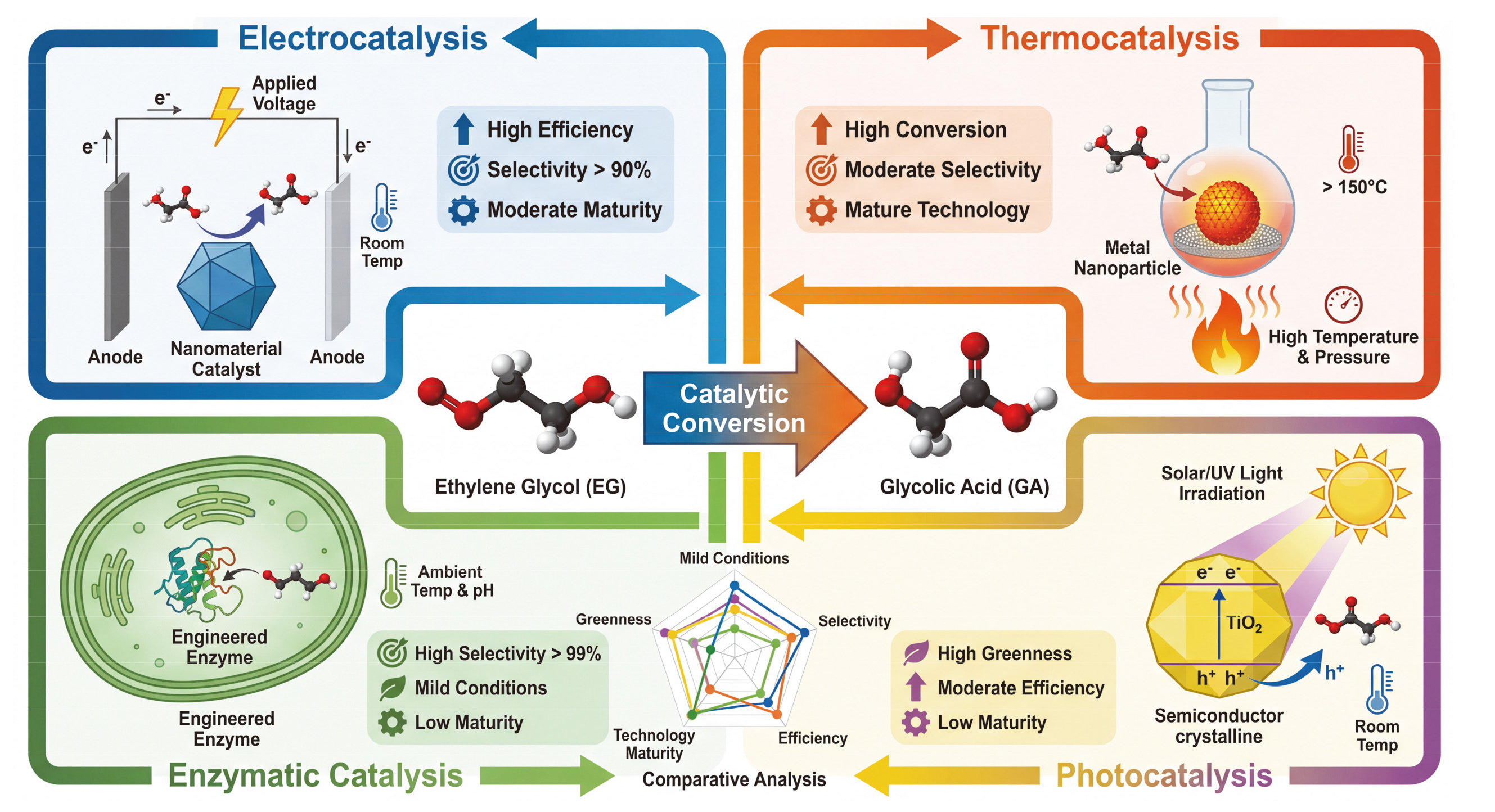
Chinese Journal of Organic Chemistry
2026, 46 (8), pp 2988-3011
DOI: 10.6023/cjoc202512025
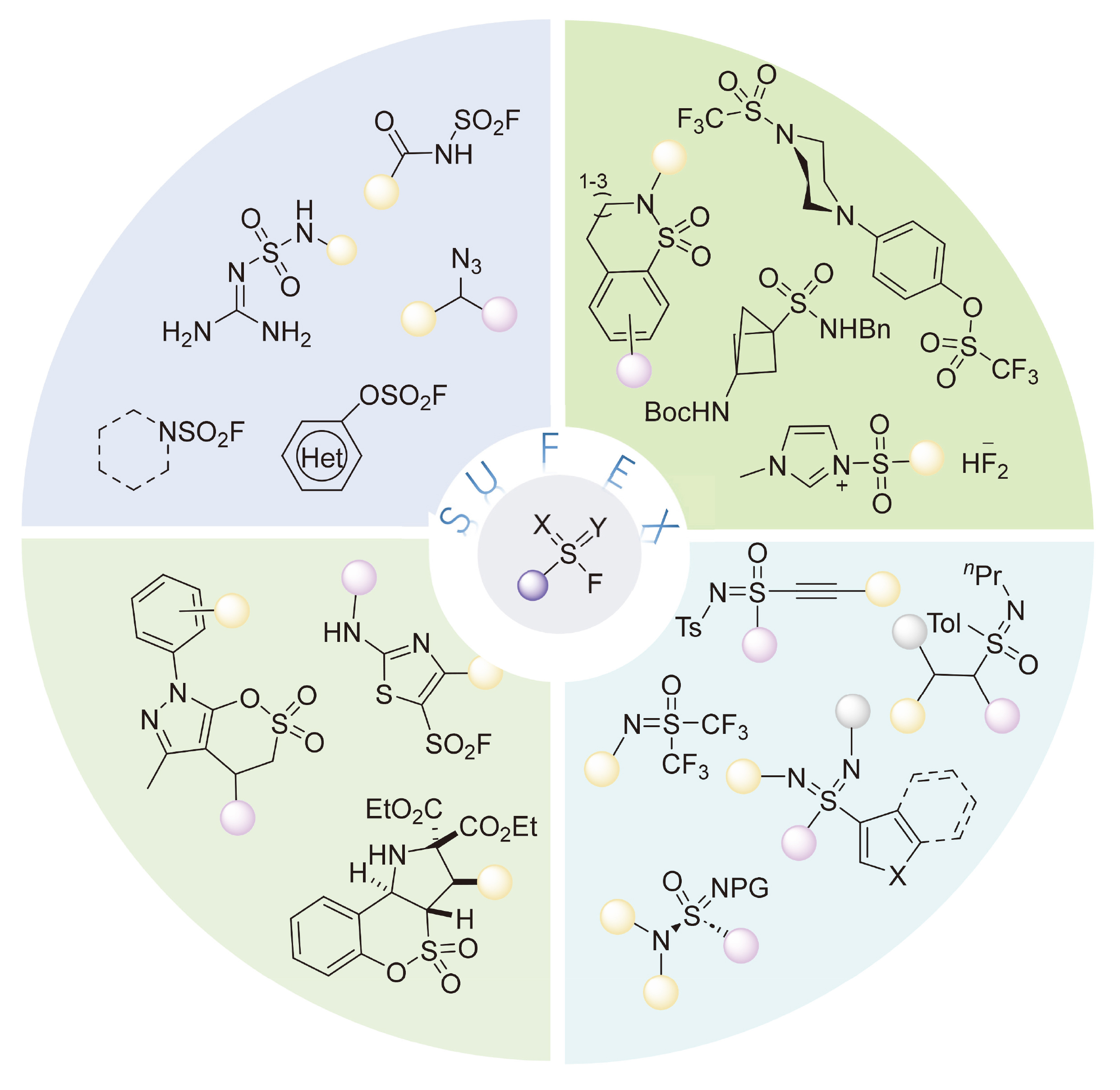
Chinese Journal of Organic Chemistry
2026, 46 (8), pp 3012-3024
DOI: 10.6023/cjoc202601025
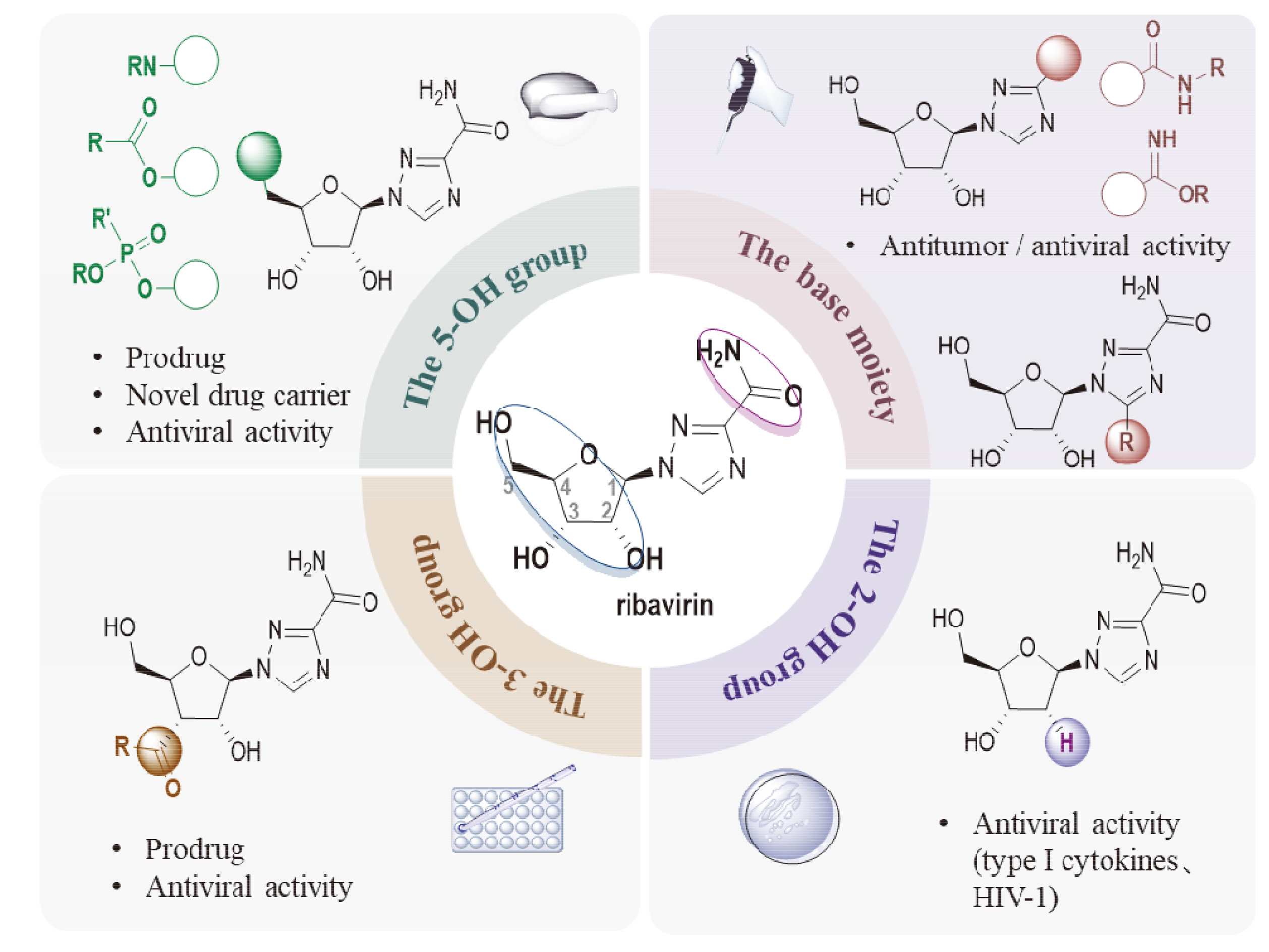
Chinese Journal of Organic Chemistry
2026, 46 (8), pp 3025-3052
DOI: 10.6023/cjoc202601019
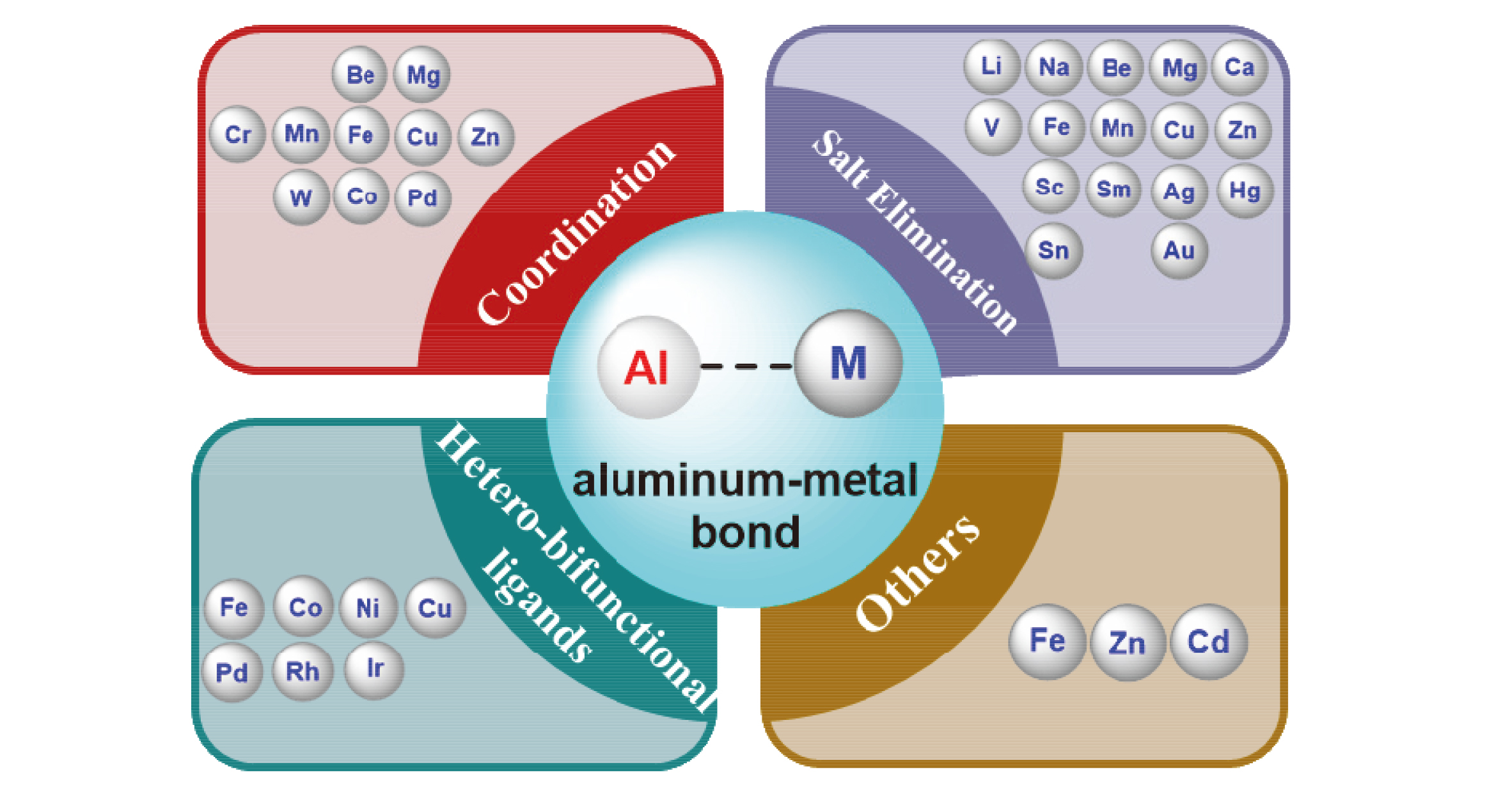
ARTICLES
Chinese Journal of Organic Chemistry
2026, 46 (8), pp 3053-3067
DOI: 10.6023/cjoc202511008
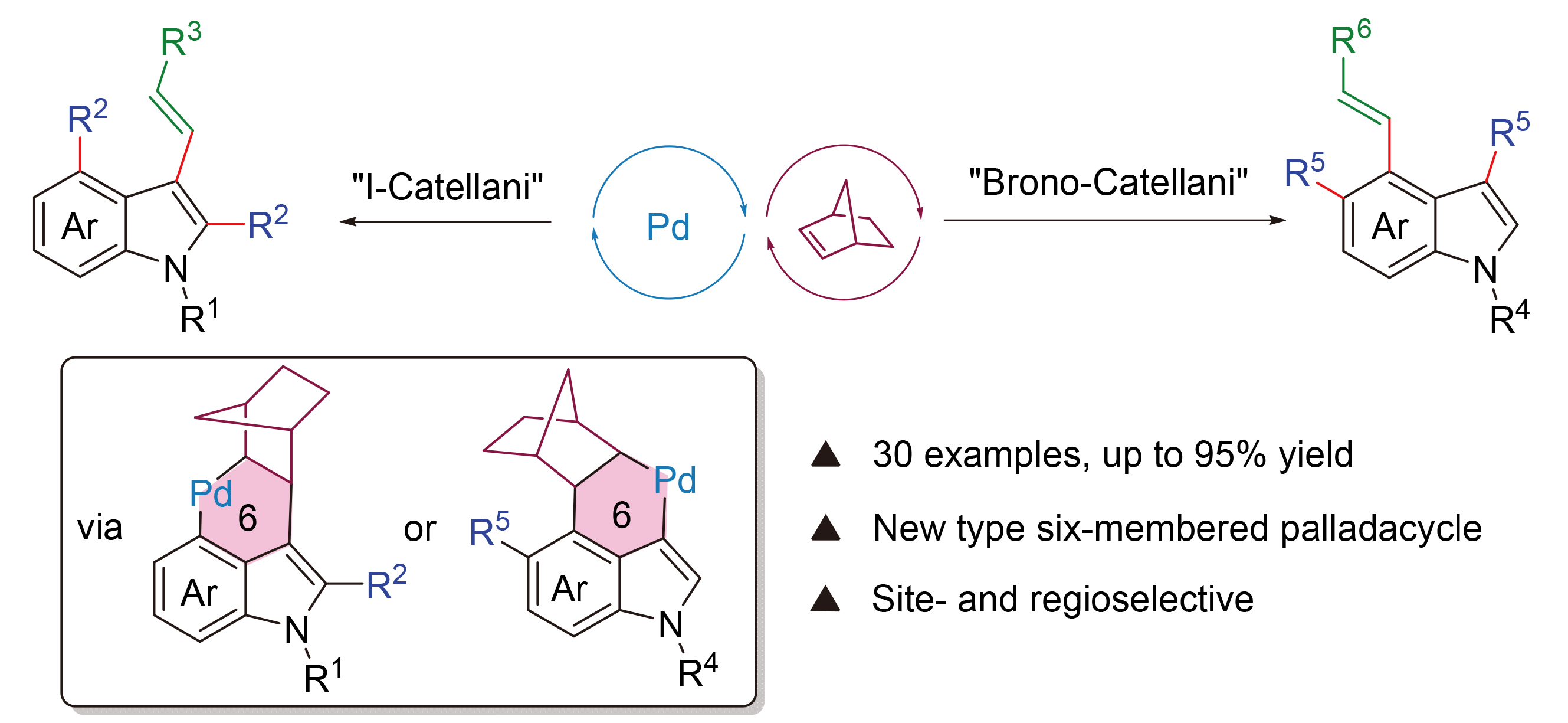
Chinese Journal of Organic Chemistry
2026, 46 (8), pp 3068-3078
DOI: 10.6023/cjoc202603043
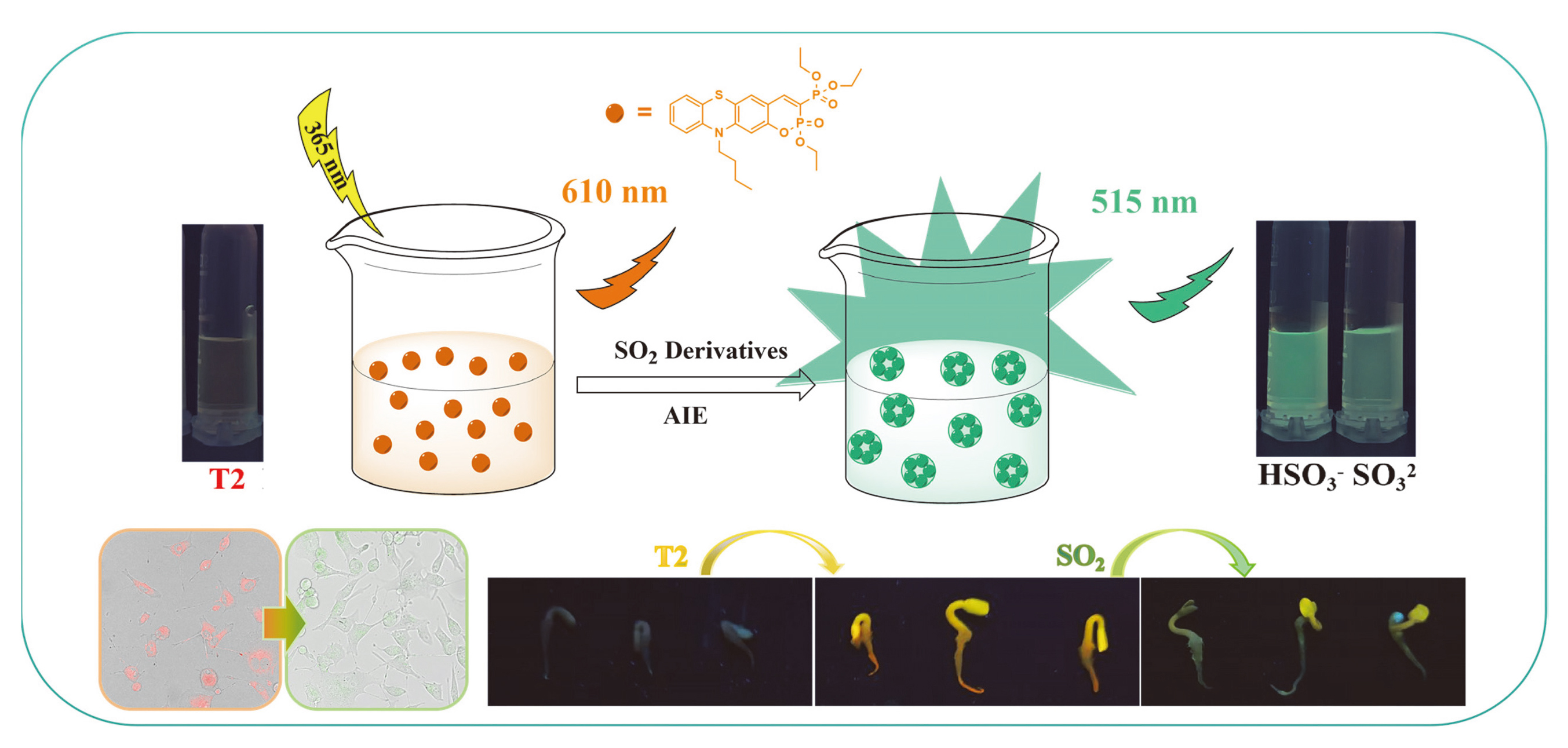
Chinese Journal of Organic Chemistry
2026, 46 (8), pp 3079-3088
DOI: 10.6023/cjoc202603042
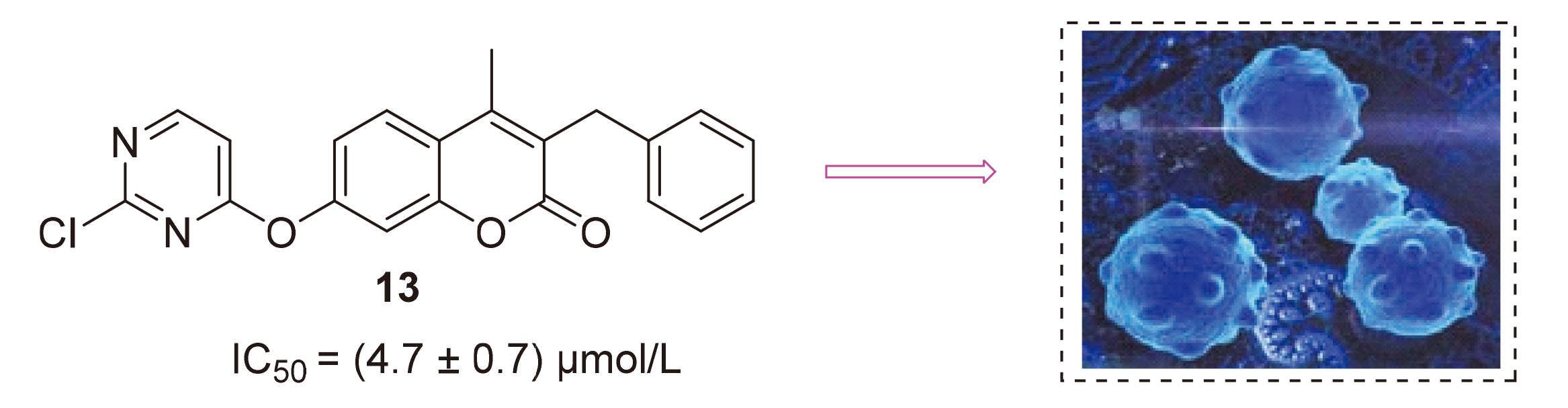
Chinese Journal of Organic Chemistry
2026, 46 (8), pp 3089-3103
DOI: 10.6023/cjoc202603026
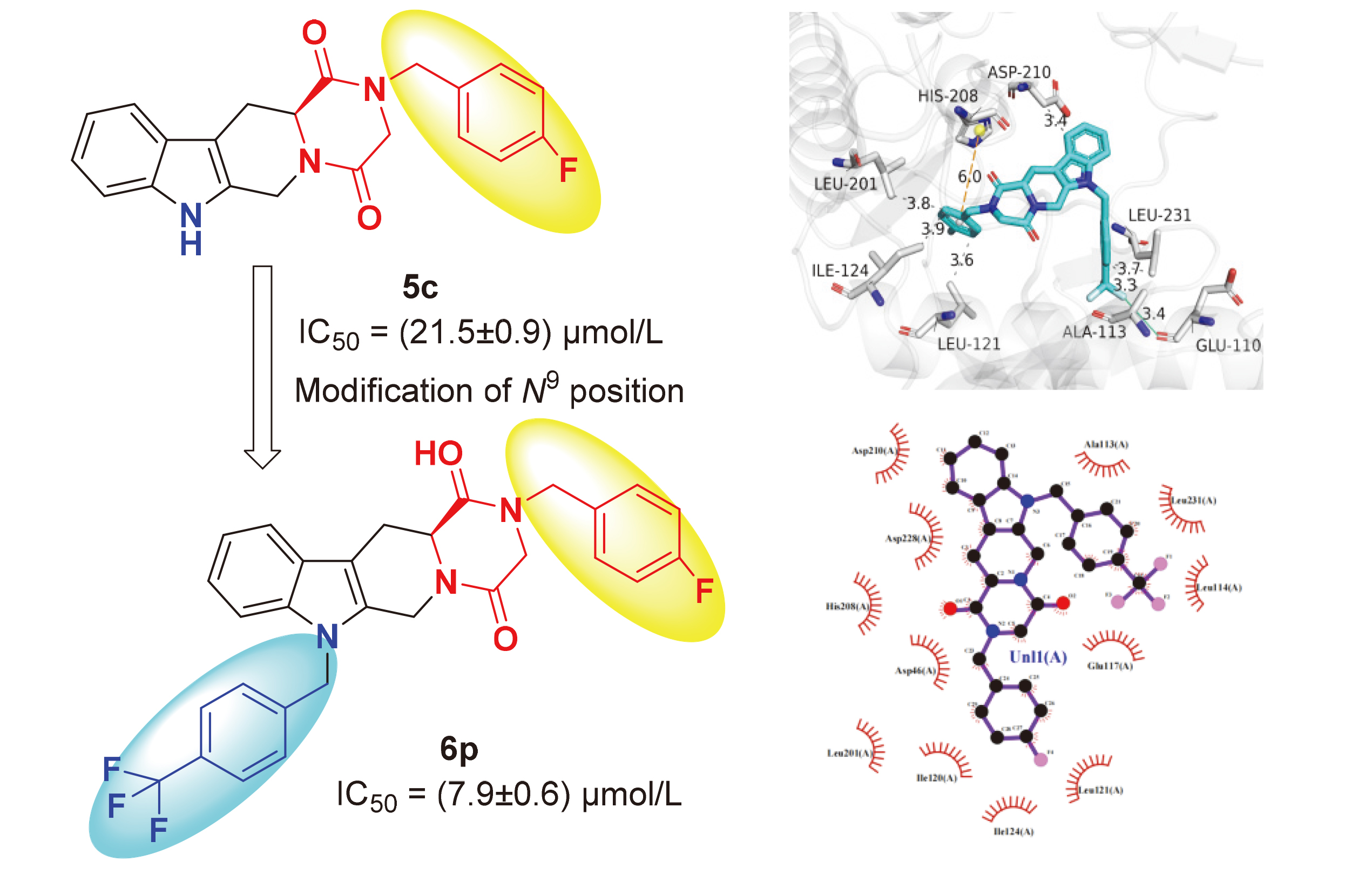
Chinese Journal of Organic Chemistry
2026, 46 (8), pp 3104-3113
DOI: 10.6023/cjoc202601032
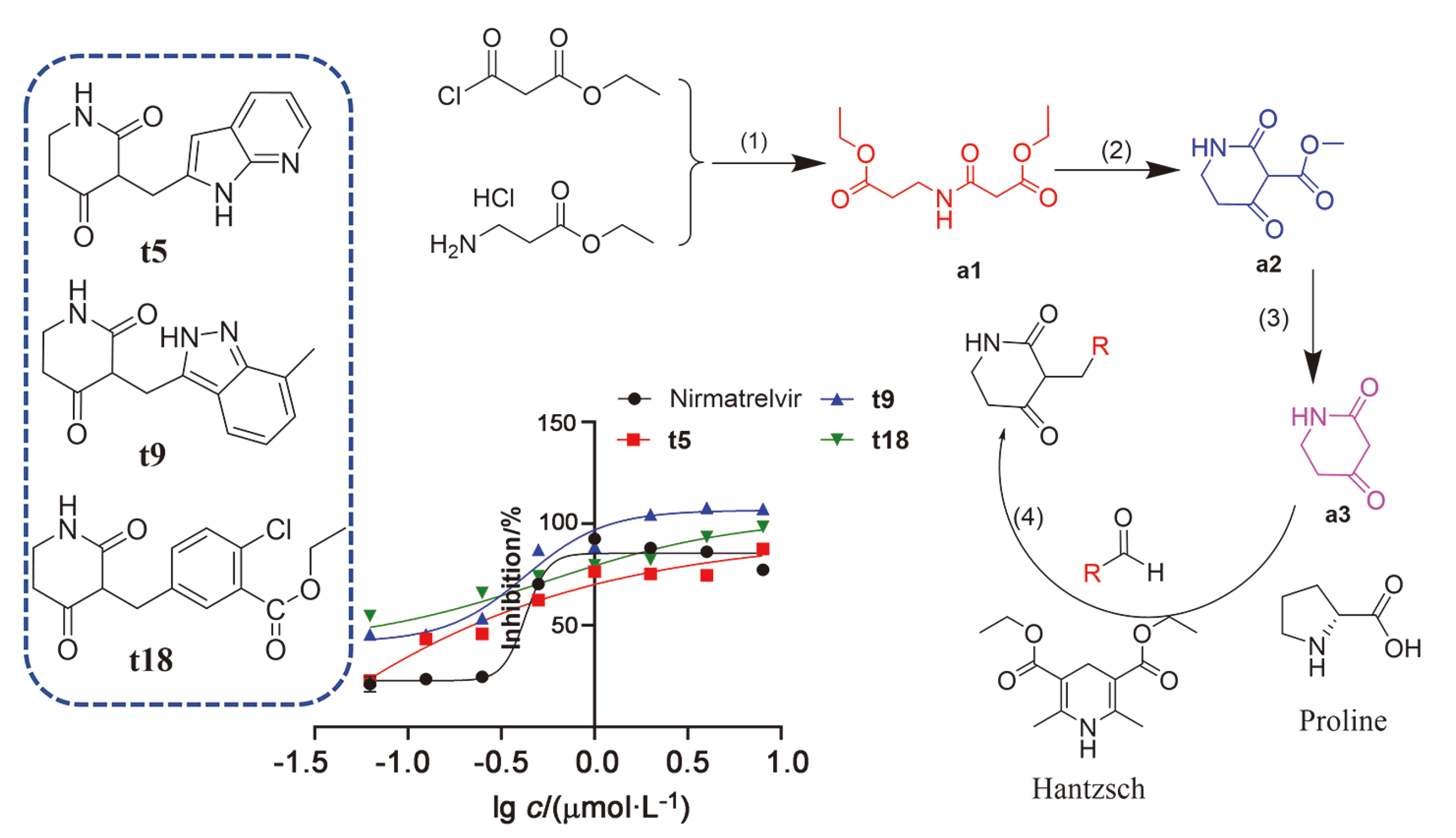
Chinese Journal of Organic Chemistry
2026, 46 (8), pp 3114-3122
DOI: 10.6023/cjoc202603003
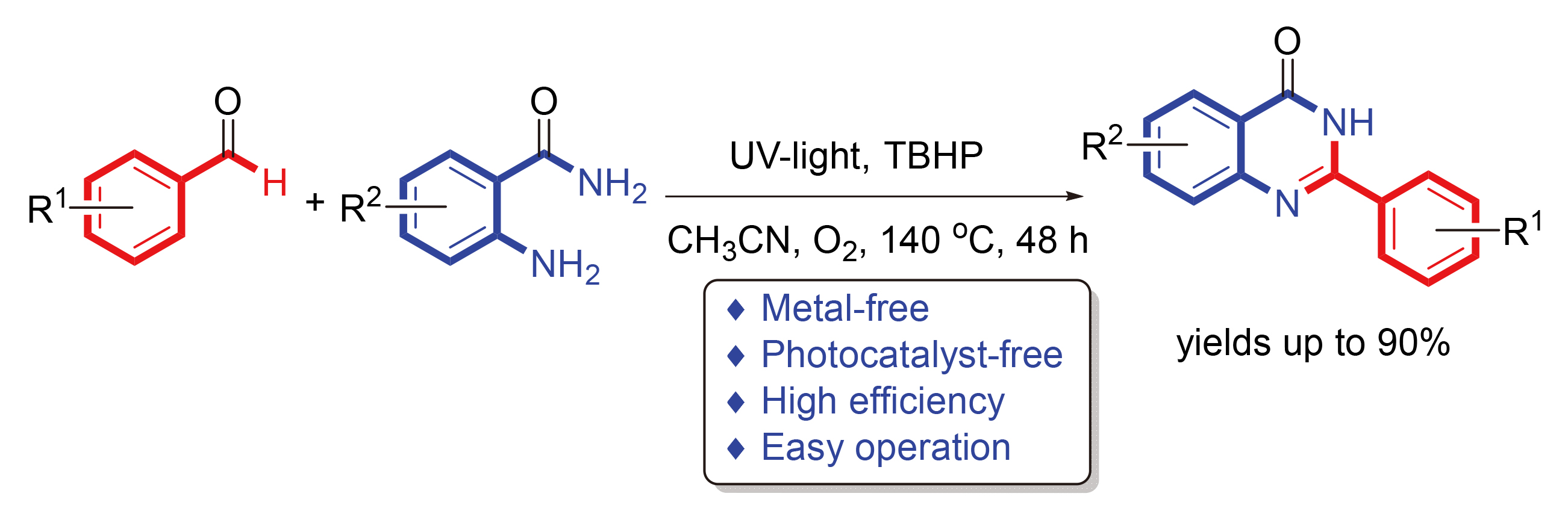
Chinese Journal of Organic Chemistry
2026, 46 (8), pp 3123-3138
DOI: 10.6023/cjoc202604010
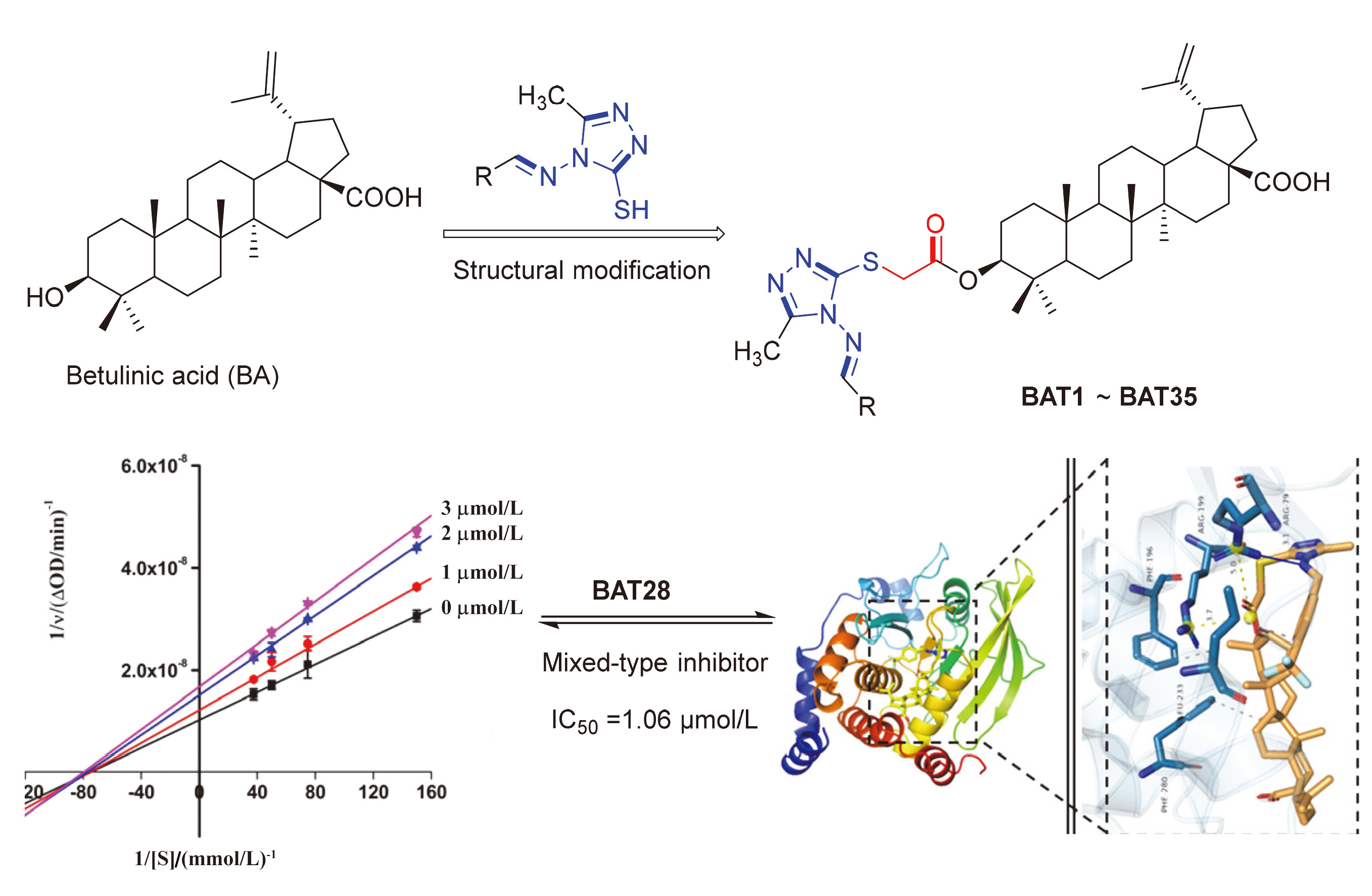
Chinese Journal of Organic Chemistry
2026, 46 (8), pp 3139-3146
DOI: 10.6023/cjoc202604014
Chinese Journal of Organic Chemistry
2026, 46 (8), pp 3147-3157
DOI: 10.6023/cjoc202602012
Chinese Journal of Organic Chemistry
2026, 46 (8), pp 3158-3168
DOI: 10.6023/cjoc202601023
Chinese Journal of Organic Chemistry
2026, 46 (8), pp 3169-3179
DOI: 10.6023/cjoc202601005
Chinese Journal of Organic Chemistry
2026, 46 (8), pp 3180-3188
DOI: 10.6023/cjoc202601024

Chinese Journal of Organic Chemistry
2026, 46 (8), pp 3189-3201
DOI: 10.6023/cjoc202512020
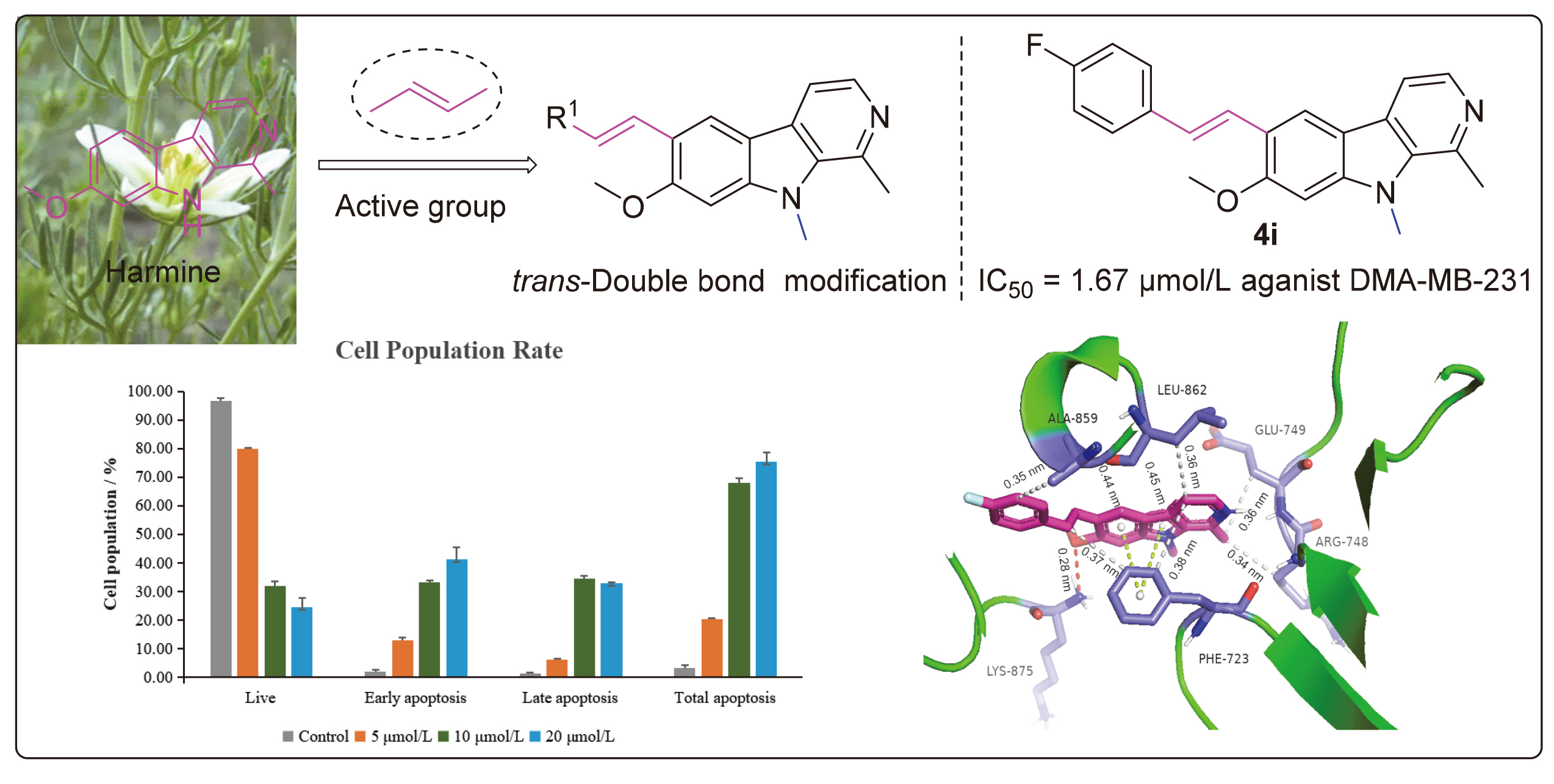
Chinese Journal of Organic Chemistry
2026, 46 (8), pp 3202-3211
DOI: 10.6023/cjoc202603005
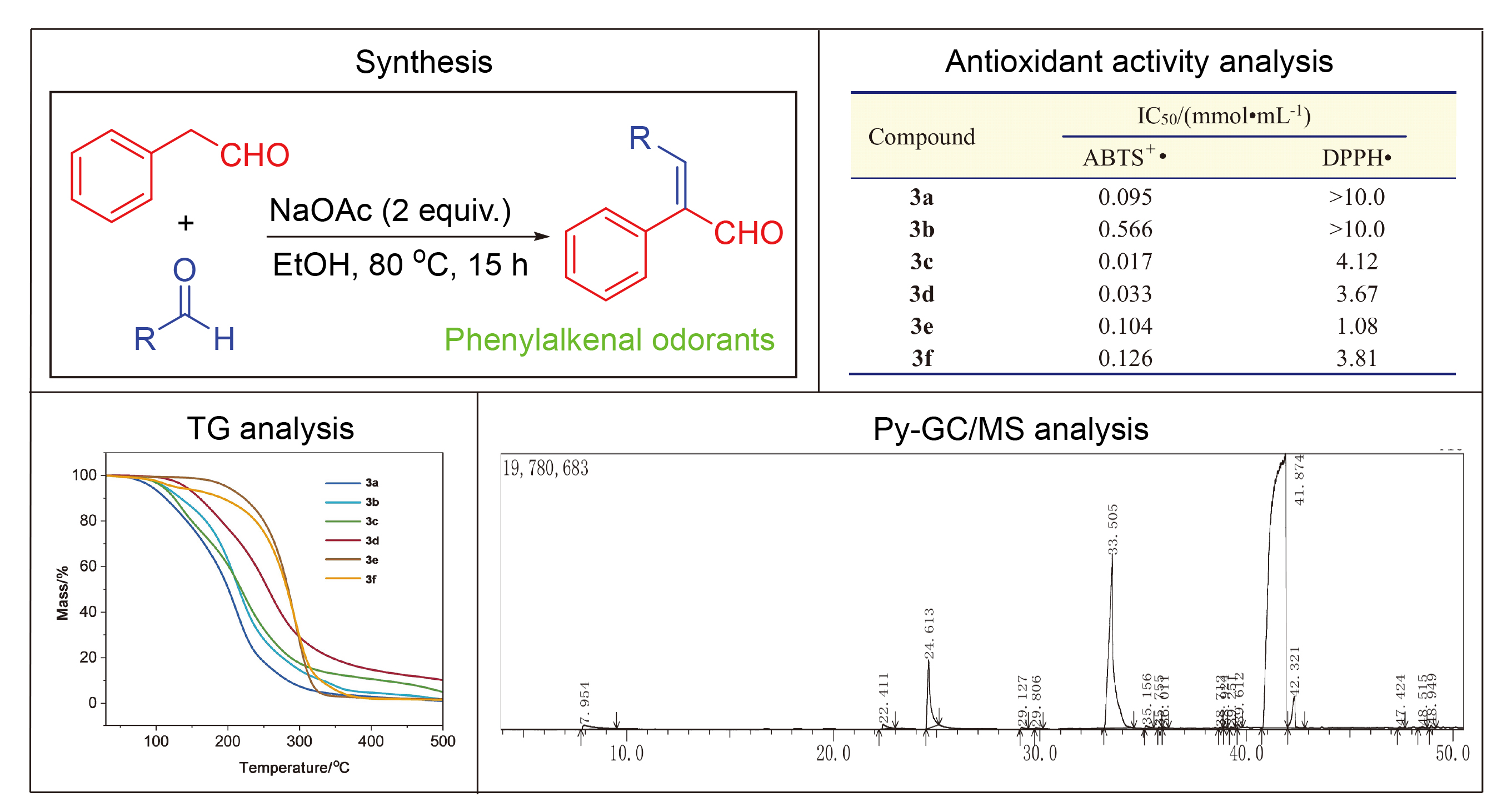
Chinese Journal of Organic Chemistry
2026, 46 (8), pp 3212-3218
DOI: 10.6023/cjoc202604007
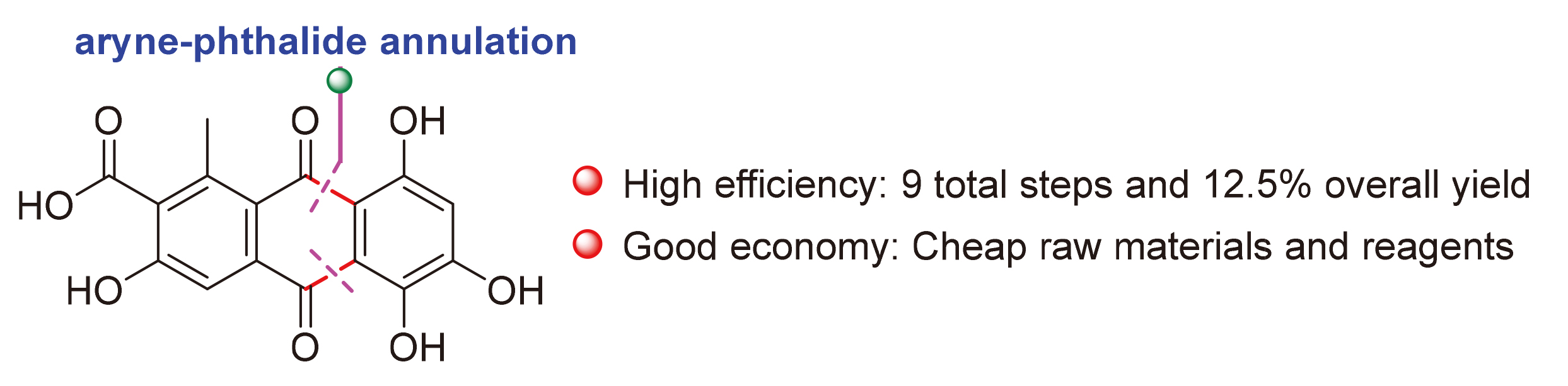
Chinese Journal of Organic Chemistry
2026, 46 (8), pp 3219-3226
DOI: 10.6023/cjoc202512002
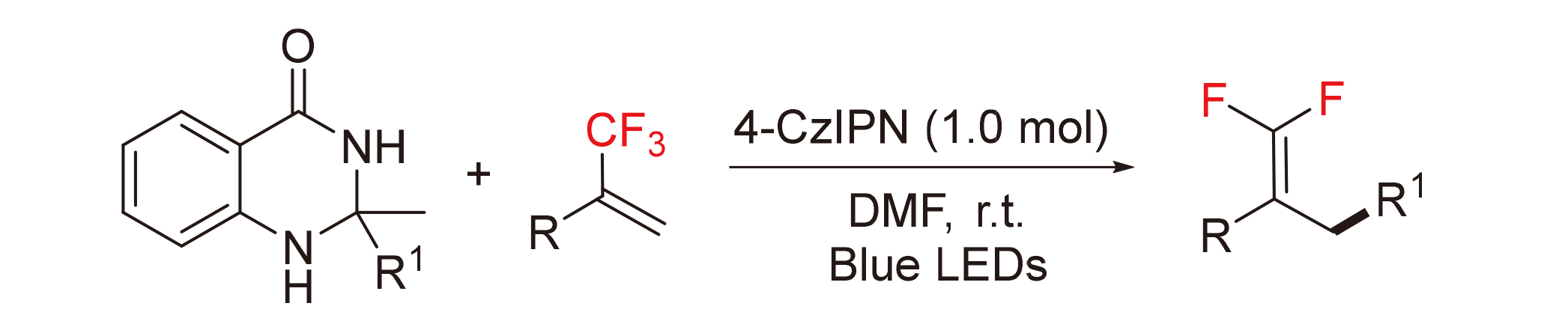
Chinese Journal of Organic Chemistry
2026, 46 (8), pp 3227-3236
DOI: 10.6023/cjoc202601029
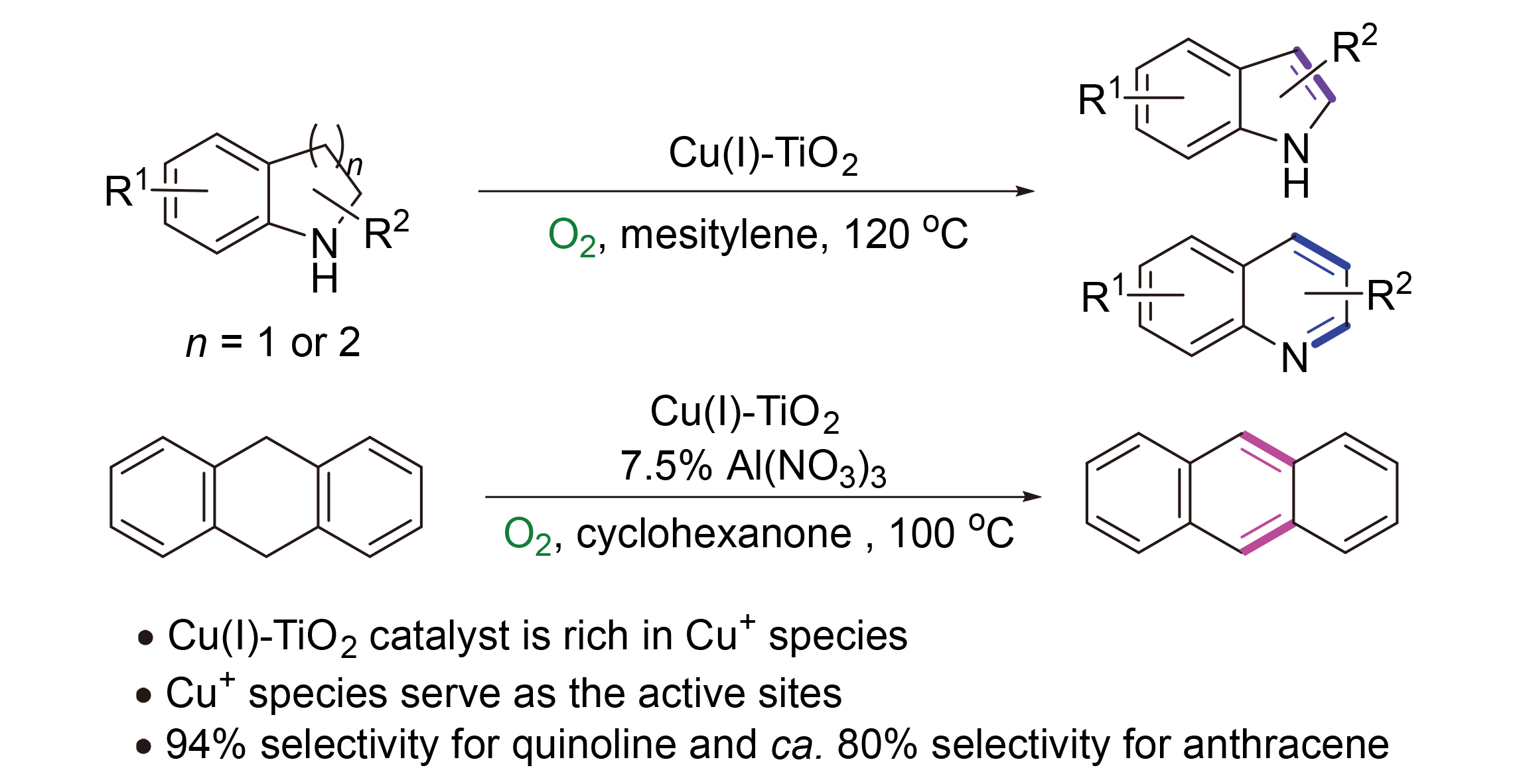
Chinese Journal of Organic Chemistry
2026, 46 (8), pp 3237-3245
DOI: 10.6023/cjoc202601021
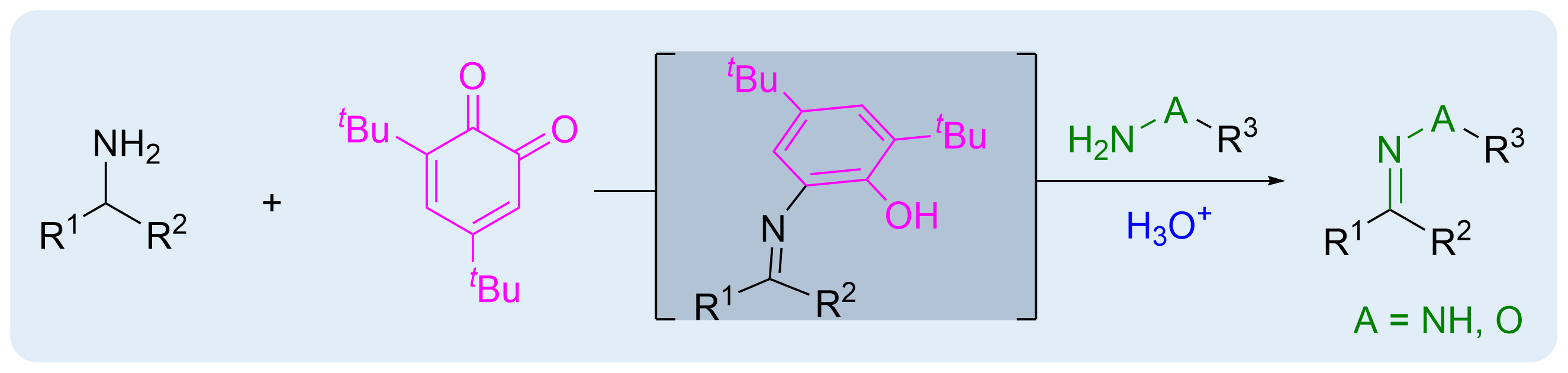
Chinese Journal of Organic Chemistry
2026, 46 (8), pp 3246-3254
DOI: 10.6023/cjoc202603011
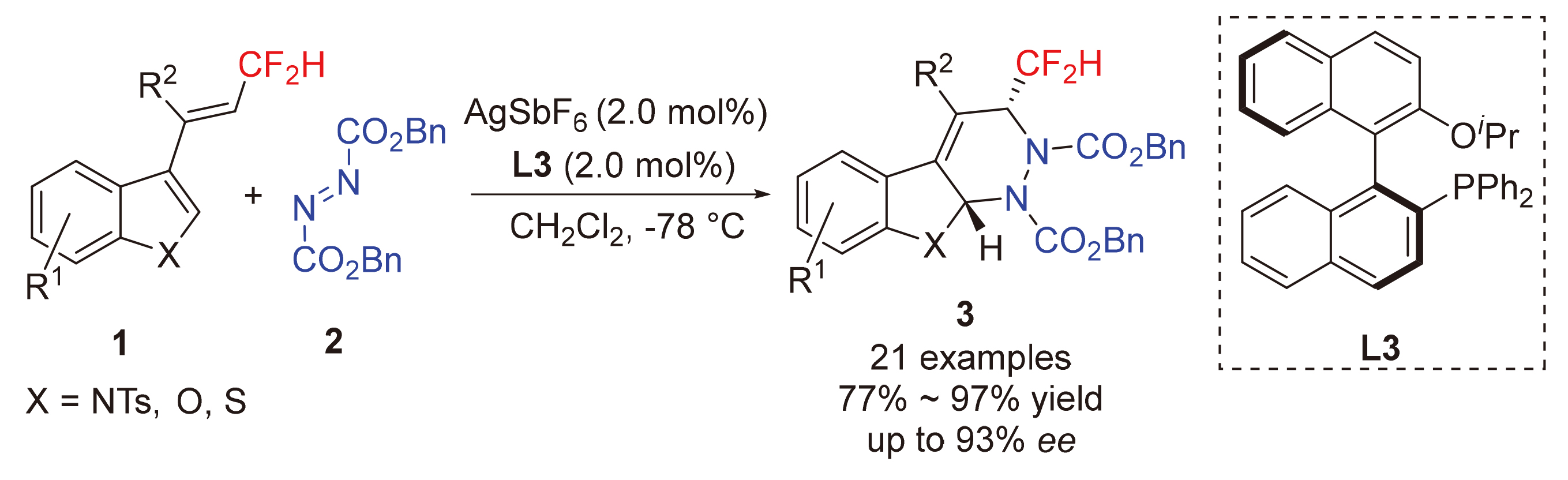
Chinese Journal of Organic Chemistry
2026, 46 (8), pp 3255-3267
DOI: 10.6023/cjoc202601043
Chinese Journal of Organic Chemistry
2026, 46 (8), pp 3268-3275
DOI: 10.6023/cjoc202601013
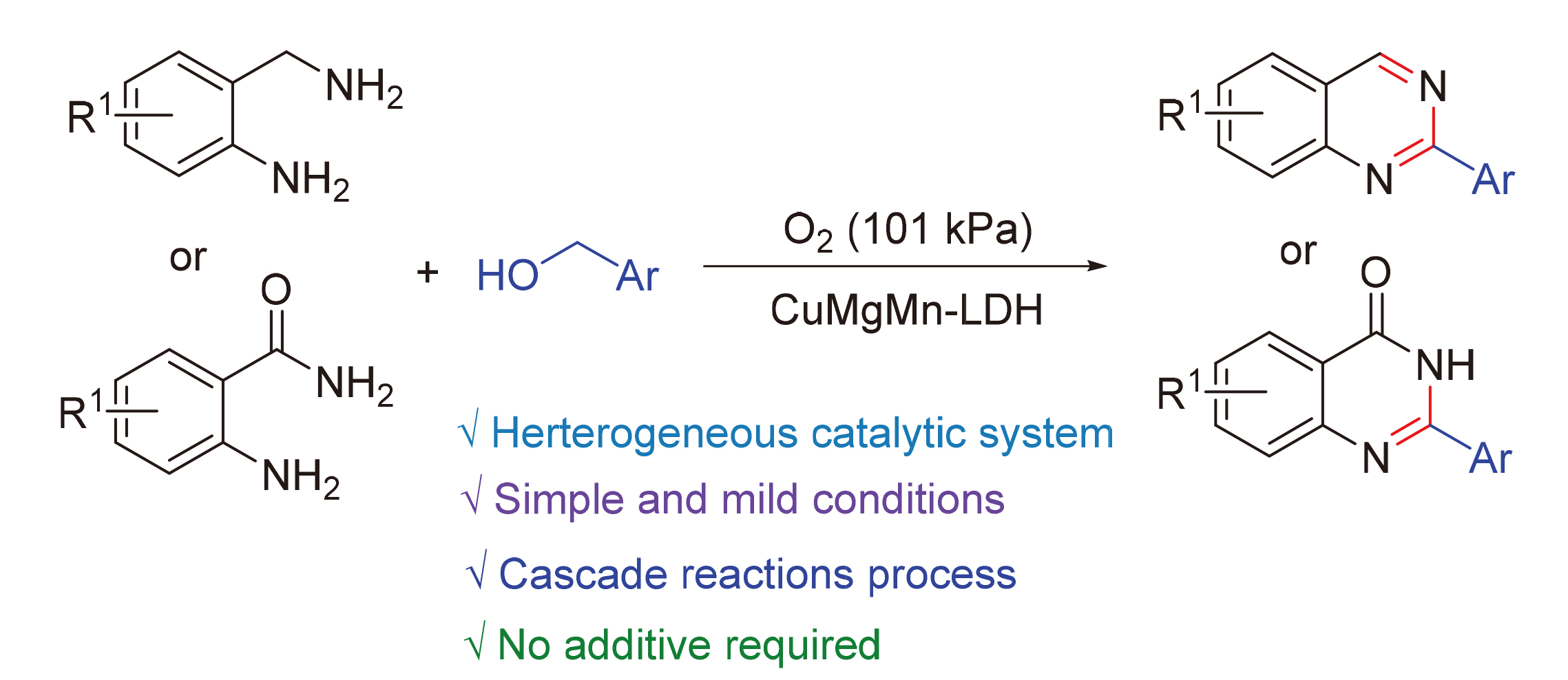
Chinese Journal of Organic Chemistry
2026, 46 (8), pp 3276-3287
DOI: 10.6023/cjoc202604018
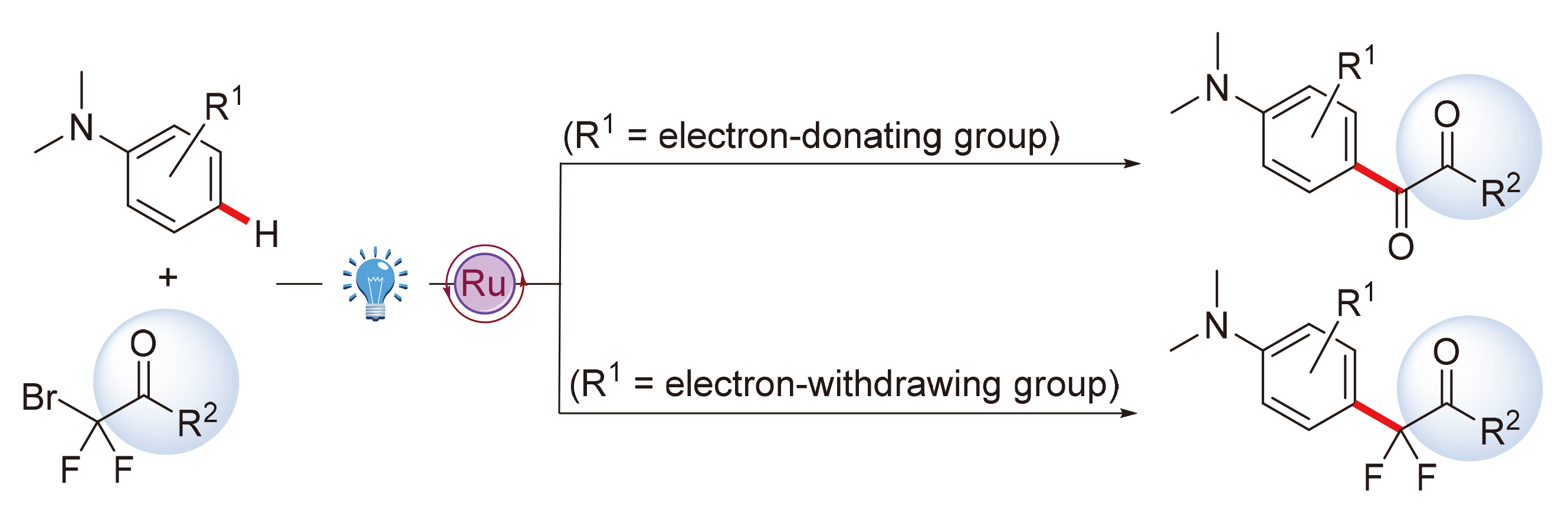
HIGHLIGHTS
Chinese Journal of Organic Chemistry
2026, 46 (8), pp 3288-3290
DOI: 10.6023/cjoc202600014
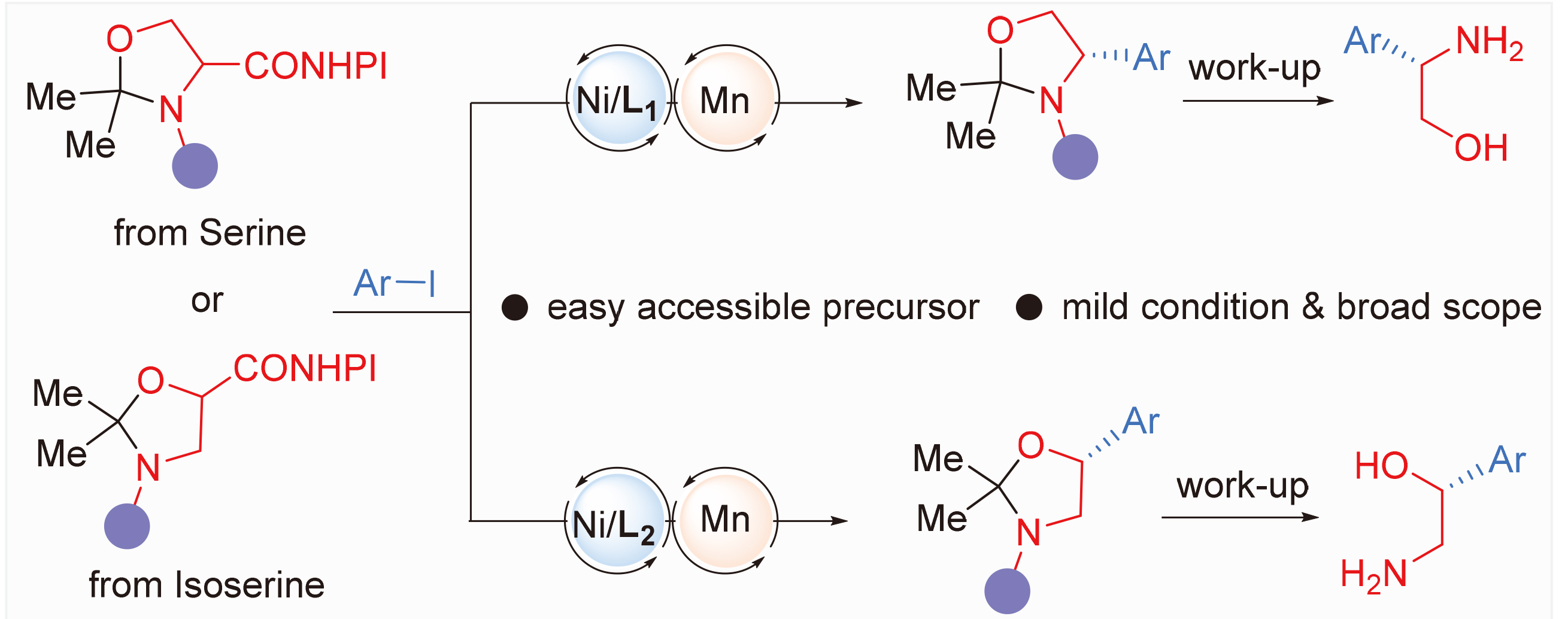
Chinese Journal of Organic Chemistry
2026, 46 (8), pp 3291-3292
DOI: 10.6023/cjoc202600015