有机化学 ›› 2026, Vol. 46 ›› Issue (7): 2622-2643.DOI: 10.6023/cjoc202602021 上一篇 下一篇
综述与进展
余品科, 刘海阳, 肖帆*( ), 董秀琴*()
收稿日期:2026-02-24
修回日期:2026-04-21
发布日期:2026-05-27
基金资助:
Pin-Ke Yu, Hai-Yang Liu, Fan Xiao*(), Xiu-Qin Dong*()
Received:2026-02-24
Revised:2026-04-21
Published:2026-05-27
Contact:
*E-mail: fanxiao@whu.edu.cn;xiuqindong@whu.edu.cn
Supported by:文章分享

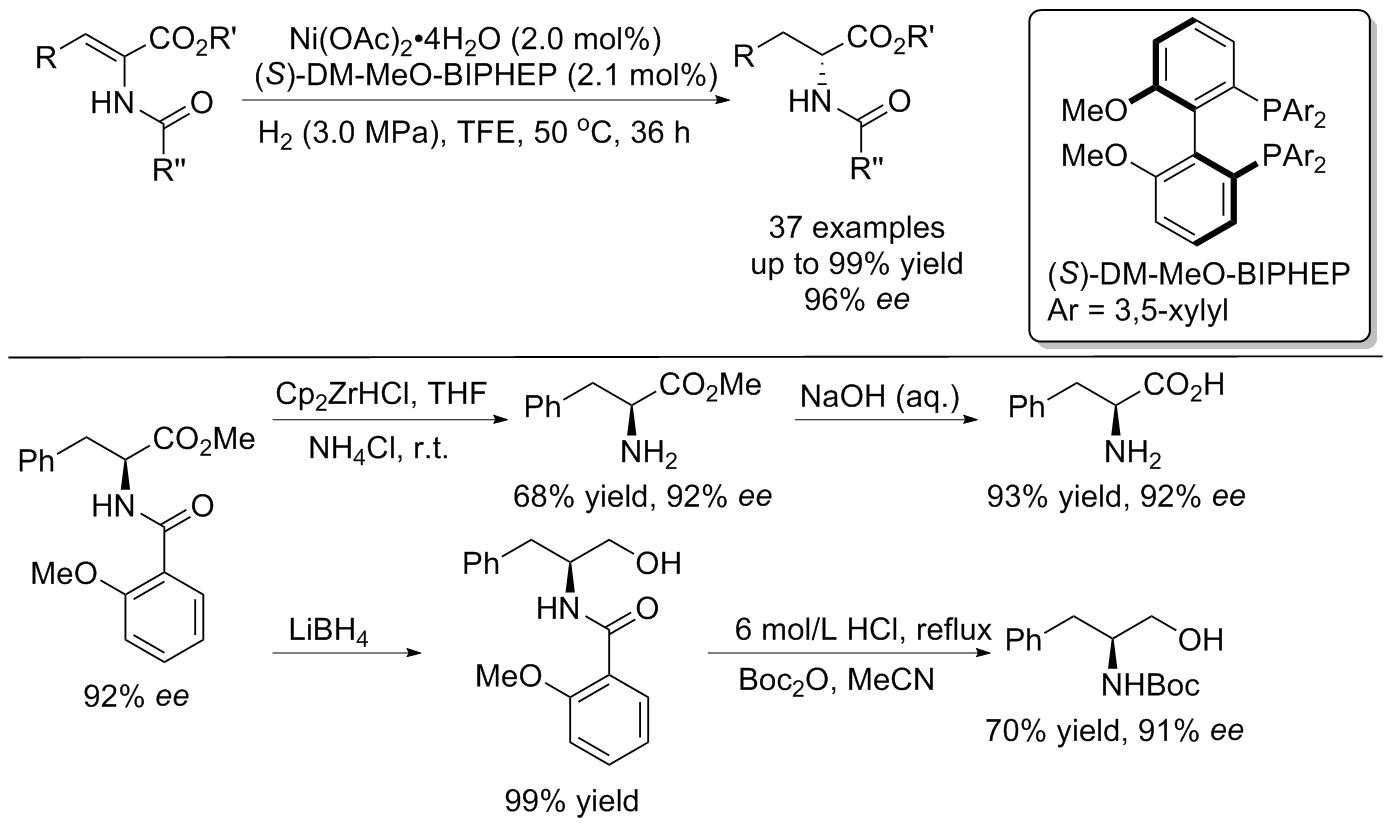
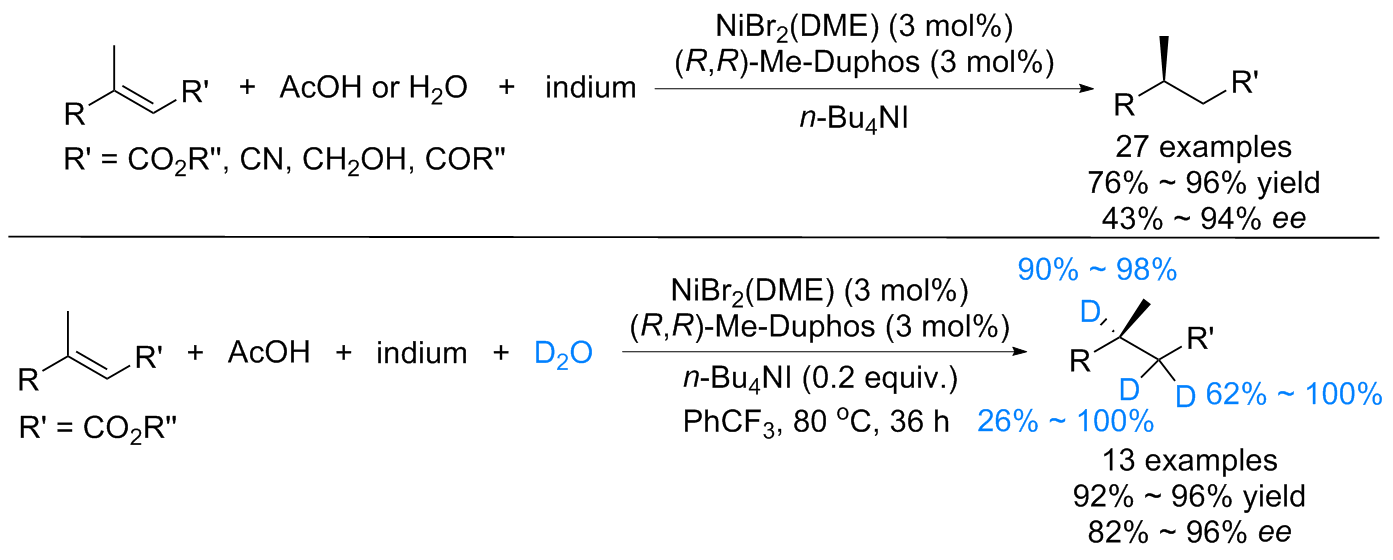
过渡金属催化前手性烯烃不对称氢化反应是构建手性化合物的重要方法之一, 因操作简便、后处理容易及原子经济性高等特点而备受关注. 该反应主要依赖钌、铑、铱及钯等贵金属催化体系, 然而这些金属资源有限、成本高昂, 且存在潜在环境风险. 为此, 过去数十年间, 研究者致力于发展以铁、钴和镍为代表的地球储量高、低毒/无毒且环境友好的廉价铁系金属催化体系, 并在不对称氢化领域取得了一系列重要突破. 简要评述了近年来铁系金属铁、钴及镍催化烯烃(C=C)不对称氢化反应的研究进展, 深入分析了该类催化体系在底物适用范围、催化效率与选择性等方面的优势与不足. 相关研究尽管已取得显著进展, 但仍面临诸多挑战, 包括反应机理尚不明晰和高效手性配体匮乏等. 未来亟需开发结构新颖、易于合成的手性配体, 并探索更具普适性的催化体系.
余品科, 刘海阳, 肖帆, 董秀琴. 铁系金属催化烯烃不对称氢化反应的研究进展[J]. 有机化学, 2026, 46(7): 2622-2643.
Pin-Ke Yu, Hai-Yang Liu, Fan Xiao, Xiu-Qin Dong. Recent Progress on Iron-Group Metal-Catalyzed Asymmetric Hydrogenation of Alkenes[J]. Chinese Journal of Organic Chemistry, 2026, 46(7): 2622-2643.
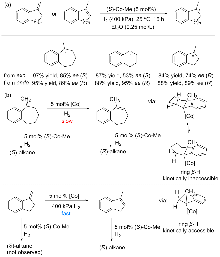
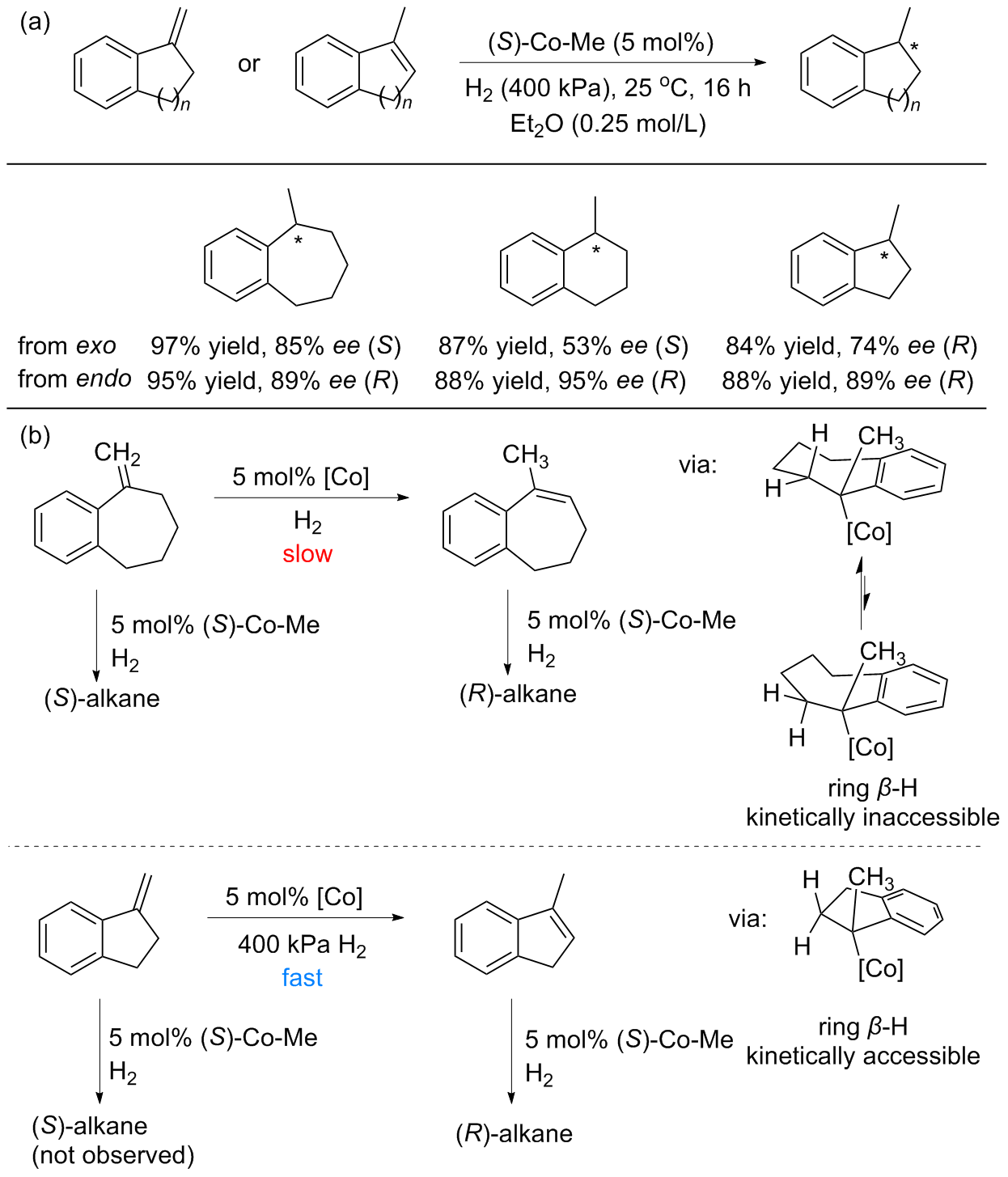
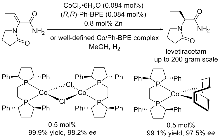
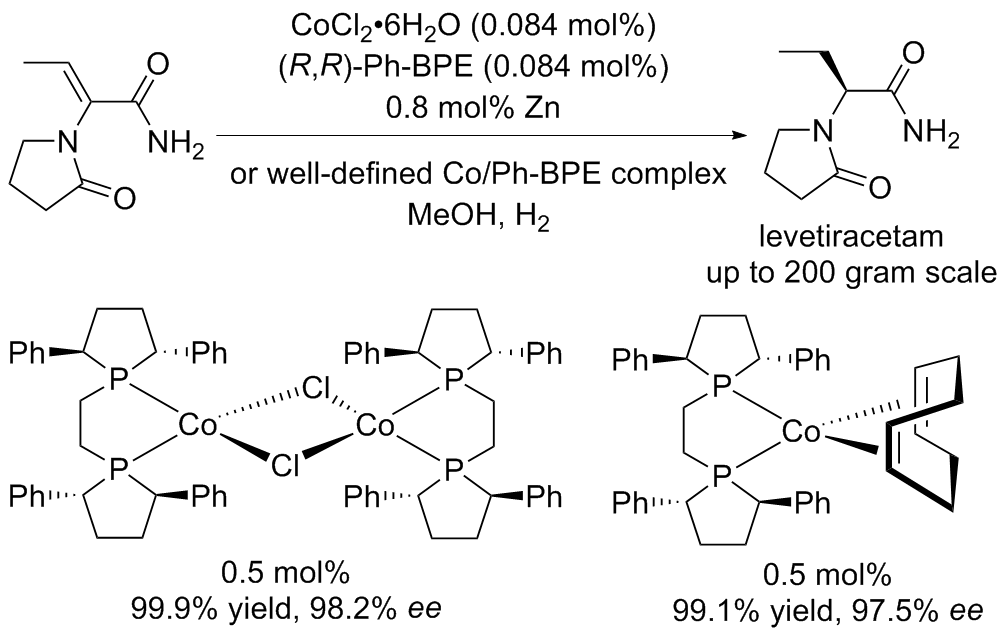
| [1] |
(a)
doi: 10.1021/cr100218m |
|
(b)
doi: 10.6023/cjoc201502017 |
|
|
(王英杰, 张振锋, 张万斌, 有机化学, 2015, 35, 528.)
doi: 10.6023/cjoc201502017 |
|
|
(c)
doi: 10.1021/cr200328h |
|
| [2] |
(a)
doi: 10.1002/cjoc.v36.9 |
|
(b)
doi: 10.1002/cjoc.v36.5 |
|
| [3] |
(a)
doi: 10.1021/acs.accounts.5b00045 |
|
(b)
doi: 10.1021/acs.accounts.5b00134 |
|
|
(c)
doi: 10.1021/acs.accounts.5b00043 |
|
| [4] |
doi: 10.1021/acs.organomet.1c00046 |
| [5] |
doi: 10.1021/jacs.1c04773 |
| [6] |
doi: 10.1021/ja300503k |
| [7] |
doi: 10.1126/science.1243550 pmid: 24288328 |
| [8] |
doi: 10.1021/jacs.5b10148 pmid: 26854359 |
| [9] |
doi: 10.1126/science.aar6117 pmid: 29798879 |
| [10] |
doi: 10.1021/jacs.9b13876 |
| [11] |
doi: 10.1021/jacs.9b12214 pmid: 32009399 |
| [12] |
doi: 10.1021/acs.orglett.3c01364 |
| [13] |
doi: 10.1021/acs.orglett.6b00453 |
| [14] |
doi: 10.1002/anie.v56.2 |
| [15] |
doi: 10.1021/jacs.7b09832 |
| [16] |
doi: 10.1021/acs.orglett.1c03110 |
| [17] |
doi: 10.1021/jacs.2c08525 |
| [18] |
doi: 10.1021/acs.organomet.9b00067 |
| [19] |
doi: 10.1038/s41467-020-17057-z |
| [20] |
doi: 10.1002/anie.v60.20 |
| [21] |
doi: 10.1002/anie.v60.31 |
| [22] |
doi: 10.1002/anie.v62.15 |
| [23] |
doi: 10.1002/chem.v28.44 |
| [24] |
doi: 10.1002/anie.v62.26 |
| [25] |
doi: 10.1002/anie.v62.26 |
| [26] |
doi: 10.1039/D3CY01292A |
| [27] |
doi: 10.1002/anie.v62.20 |
| [28] |
doi: 10.1002/anie.v53.45 |
| [29] |
doi: 10.1039/C5CC01632K |
| [30] |
doi: 10.1021/acs.orglett.6b02635 |
| [31] |
doi: 10.1021/jacs.6b00519 |
| [32] |
doi: 10.1039/C7SC02669B |
| [33] |
doi: 10.1021/acs.orglett.7b02417 |
| [34] |
doi: 10.1021/acs.orglett.8b02579 |
| [35] |
doi: 10.1021/acs.orglett.9b00994 |
| [36] |
|
| [37] |
doi: 10.1021/jacs.9b07957 |
| [38] |
|
| [39] |
doi: 10.1021/acs.orglett.0c00112 |
| [40] |
doi: 10.1021/acscatal.0c02569 |
| [41] |
doi: 10.1021/acs.orglett.0c03723 |
| [42] |
doi: 10.1039/D1CC05257H |
| [43] |
doi: 10.1039/D2QO00652A |
| [44] |
doi: 10.1002/asia.v17.1 |
| [45] |
doi: 10.1002/anie.v62.6 |
| [46] |
doi: 10.1021/acs.orglett.2c04105 |
| [47] |
doi: 10.1021/acscatal.3c04187 |
| [48] |
doi: 10.1021/jacs.3c12597 |
| [49] |
doi: 10.1038/s41467-024-49801-0 |
| [50] |
doi: 10.1021/jacs.4c10623 |
| [51] |
doi: 10.1021/jacs.4c10623 |
| [52] |
doi: 10.1021/acscatal.5c04130 |
| [53] |
|
| [1] | 王彬, 叶波, 王磊, 何红, 马永敏. 光诱导下三氟甲基烯烃C—F键断裂合成偕二氟烯烃[J]. 有机化学, 2026, 46(8): 3219-3226. |
| [2] | 任汝通, 卢诗超, 李洪爽. 丰产金属钴催化的烯烃氢酰化反应[J]. 有机化学, 2026, 46(7): 2701-2712. |
| [3] | 李凌岳, 张嘉沛, 张硕, 崔露元, 刘希功, 刘磊. 无配体铜催化四氢-β-咔啉的氧化重排反应[J]. 有机化学, 2026, 46(7): 2789-2795. |
| [4] | 严睿杰, 俞亦涵, 石宏伟, 焦宁. 丰产金属催化的聚烯烃氧化降解研究进展[J]. 有机化学, 2026, 46(7): 2544-2562. |
| [5] | 熊康宇, 陆展. 过渡金属催化1,1-二取代烯烃的不对称硼氢化反应研究进展[J]. 有机化学, 2026, 46(7): 2493-2510. |
| [6] | 房毅, 王川. 镍催化三氟甲基取代烯烃与烷基甲磺酸酯的烯丙位脱氟交叉亲电偶联[J]. 有机化学, 2026, 46(7): 2743-2750. |
| [7] | 陈丽萍, 马瑞, 池建军, 金彧帆, 王清, 汪洋, 朱雪华, 庞玉博. 钴催化1-三甲硅基-2-芳基乙炔的α位芳基化反应[J]. 有机化学, 2026, 46(7): 2760-2769. |
| [8] | 谢东, 韩维. 丰产金属催化烯的羟基叠氮化反应进展[J]. 有机化学, 2026, 46(7): 2581-2588. |
| [9] | 鄢东, 何卫保, 唐裕才, 辛翠, 杨梓, 陈祥. 自由基串联反应合成1,3-苯并恶嗪研究进展[J]. 有机化学, 2026, 46(6): 2327-2336. |
| [10] | 付明月, 董战, 陈伟, 陈铁根. 烯烃和炔烃的氘官能团化反应研究进展[J]. 有机化学, 2026, 46(6): 2207-2226. |
| [11] | 秦观宝, 赵梦龙, 韩召斌, 丁奎岭. 共轭烯酮的不对称双(转移)氢化研究进展[J]. 有机化学, 2026, 46(6): 2163-2176. |
| [12] | 张文杰, 段正超, 胡向平. 手性P-N-O配体促进的铱催化芳香酮不对称氢化反应[J]. 有机化学, 2026, 46(5): 2129-2137. |
| [13] | 崔入文, 刘晓倩, 杨亚玺, 陈超, 周兵. 钯催化Heck反应和钌催化烯烃氧化裂解反应合成氮杂二氢色原酮[J]. 有机化学, 2026, 46(5): 2072-2081. |
| [14] | 张皓然, 贾均松, 俞琼, 吴宇, 李玉龙, 舒伟. 可见光催化烯烃的氢胺化和氢(磺)酰胺化反应[J]. 有机化学, 2026, 46(4): 1166-1180. |
| [15] | 卢琳玉, 亓雨彤, 张庭珲, 金胜男, 曹中艳, 张洪伟. 自由基介导烯烃的1,2,n-三官能团化反应研究进展[J]. 有机化学, 2026, 46(4): 1540-1559. |
| 阅读次数 | ||||||
|
全文 |
|
|||||
|
摘要 |
|
|||||