有机化学 ›› 2025, Vol. 45 ›› Issue (11): 4070-4081.DOI: 10.6023/cjoc202503033 上一篇 下一篇
综述与进展
吕朦朦, 贾宵雪, 王建国*( )
)
收稿日期:2025-03-31
修回日期:2025-05-25
发布日期:2025-06-30
基金资助:
Mengmeng Lü, Xiaoxue Jia, Jianguo Wang*()
Received:2025-03-31
Revised:2025-05-25
Published:2025-06-30
Contact:
*E-mail: wangjg@iccas.ac.cn
Supported by:文章分享

G-四链体(G-quadruplex, G4)作为富含鸟嘌呤的非经典核酸结构, 在基因组中广泛存在, 尤其是端粒、启动子以及病毒基因组中. 在脱氧核糖核酸(DNA)复制、转录和翻译等关键生命进程中起关键调控作用. G4的结构、含量或分布状态与多种疾病的发生和发展密切相关. 因此, 实现对G4的高灵敏度精准检测, 对于疾病的早期诊断与有效治疗具有极为深远的意义. 近年来, 科研人员开发了多种与G4高特异性结合的荧光配体, 这些荧光配体不仅在构建各类分析物传感平台方面展现出广泛的应用潜力, 而且凭借其独特且优异的荧光性能, 在细胞成像技术以及疾病精准诊断等前沿研究领域中发挥着重要作用. 对近年来G4荧光探针在上述领域所取得的最新突破性研究进展进行全面且系统的梳理与总结, 并基于当前的研究现状和未来的发展趋势, 对G4荧光探针的未来研究方向提出前瞻性的展望与思考, 以期为相关领域的科研工作者提供有益的参考和启示.
吕朦朦, 贾宵雪, 王建国. G-四链体荧光探针的应用进展[J]. 有机化学, 2025, 45(11): 4070-4081.
Mengmeng Lü, Xiaoxue Jia, Jianguo Wang. Progress in the Application of G-Quadruplex Fluorescent Probes[J]. Chinese Journal of Organic Chemistry, 2025, 45(11): 4070-4081.


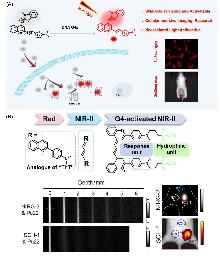
| Fluorescent ligand | G4 name | G4 topology | Ex/Em/nm | Kd/(µmol•L-1) | References |
|---|---|---|---|---|---|
| NIRG-2 | Pu22 | Parallel | 850/940 | 1.71±1.13 | [ |
| 5a | Pu22 | Parallel | 575/650 | 1.549±0.080 | [ |
| 5b | Pu22 | Parallel | 550/630 | 1.783±0.210 | [ |
| AI7 | 21CTA | Hybrid | 389/500 | 1.3 | [ |
| IZIN-1 | mt6363 | Parallel | 538/660 | — | [ |
| ISAP | c-Myc | Parallel | 640/702 | 1.09 | [ |
| SF3 | mt6363 | Parallel | 550/650 | 3.5 | [ |
| Fluorescent ligand | G4 name | G4 topology | Ex/Em/nm | Kd/(µmol•L-1) | References |
|---|---|---|---|---|---|
| NIRG-2 | Pu22 | Parallel | 850/940 | 1.71±1.13 | [ |
| 5a | Pu22 | Parallel | 575/650 | 1.549±0.080 | [ |
| 5b | Pu22 | Parallel | 550/630 | 1.783±0.210 | [ |
| AI7 | 21CTA | Hybrid | 389/500 | 1.3 | [ |
| IZIN-1 | mt6363 | Parallel | 538/660 | — | [ |
| ISAP | c-Myc | Parallel | 640/702 | 1.09 | [ |
| SF3 | mt6363 | Parallel | 550/650 | 3.5 | [ |

| Name | Sequence (5'-3') |
|---|---|
| Pu27 | TTATGGGGAGGGTGGGGAGGGTGGGGAAGG |
| Myc-2345 | TGAGGGTGGGGAGGGTGGGGAA |
| Myc-1245 | TGGGGAGGGTTTTTAGGGTGGGGA |
| Myc-22 | TGAGGGTGGGTAGGGTGGGTAA |
| Pu241 | TGAGGGTGGIGAGGGTGGGGAA GG |
| ckit1 | CAGAGGGAGGGCGCTGGGAGGAGGGGCTG |
| ckit2 | CCCCGGGCGGGCGCGAGGGGAGGGGAGGC |
| bcl-2 | GTCGGGGCGAGGGCGGGGGAAGGAGGGCGCGGGCGGGGA |
| K-ras | GGGAGGGAGGGAAGGAGGGAGGGAGGGA |
| VEGF | CCCGGGGCGGGCCGGGGGCGGGGTCCCGGCGGGGCGGAG |
| HIF-1α | GCGAGGGCGGGGGAGAGGGGAGGGGCGCG |
| Name | Sequence (5'-3') |
|---|---|
| Pu27 | TTATGGGGAGGGTGGGGAGGGTGGGGAAGG |
| Myc-2345 | TGAGGGTGGGGAGGGTGGGGAA |
| Myc-1245 | TGGGGAGGGTTTTTAGGGTGGGGA |
| Myc-22 | TGAGGGTGGGTAGGGTGGGTAA |
| Pu241 | TGAGGGTGGIGAGGGTGGGGAA GG |
| ckit1 | CAGAGGGAGGGCGCTGGGAGGAGGGGCTG |
| ckit2 | CCCCGGGCGGGCGCGAGGGGAGGGGAGGC |
| bcl-2 | GTCGGGGCGAGGGCGGGGGAAGGAGGGCGCGGGCGGGGA |
| K-ras | GGGAGGGAGGGAAGGAGGGAGGGAGGGA |
| VEGF | CCCGGGGCGGGCCGGGGGCGGGGTCCCGGCGGGGCGGAG |
| HIF-1α | GCGAGGGCGGGGGAGAGGGGAGGGGCGCG |

| [1] |
doi: 10.1093/nar/gki609 pmid: 15914667 |
| [2] |
doi: 10.1021/acs.accounts.2c00519 |
| [3] |
doi: 10.1093/nar/gkab609 pmid: 34255847 |
| [4] |
doi: 10.1002/anie.v55.35 |
| [5] |
doi: 10.1039/C8CC03614D |
| [6] |
doi: 10.1021/acsnano.0c04727 |
| [7] |
doi: 10.1016/j.jelechem.2020.114017 |
| [8] |
|
| [9] |
doi: 10.1073/pnas.48.12.2013 |
| [10] |
doi: 10.1073/pnas.85.20.7652 |
| [11] |
doi: 10.1038/334364a0 |
| [12] |
doi: 10.1038/350718a0 |
| [13] |
doi: 10.1021/ja309588h |
| [14] |
doi: 10.1021/ja803507d |
| [15] |
doi: 10.1016/j.ccr.2024.216157 |
| [16] |
|
|
(黄子恒, 邹建梅, 李小青, 何庆, 聂瑾芳, 分析化学, 2021, 49, 1258.)
|
|
| [17] |
doi: 10.2174/138161212799958431 |
| [18] |
doi: 10.1021/acs.analchem.3c01153 pmid: 37290004 |
| [19] |
doi: 10.1021/jacs.3c13851 |
| [20] |
doi: 10.1002/cmdc.v3:5 |
| [21] |
doi: 10.1134/S1068162023330014 |
| [22] |
doi: 10.7150/ijbs.10190 |
| [23] |
doi: 10.1002/cmdc.v9.5 |
| [24] |
doi: 10.1016/S1074-5521(98)90006-0 |
| [25] |
|
| [26] |
doi: 10.1021/acssensors.2c00992 |
| [27] |
doi: 10.1021/ac802558f |
| [28] |
doi: 10.1093/nar/gkz749 |
| [29] |
doi: 10.1039/C4AN02282C |
| [30] |
doi: 10.1039/c0cc01695k |
| [31] |
doi: 10.1021/ac101894b |
| [32] |
doi: 10.1039/c3cc39020a |
| [33] |
doi: 10.1016/j.talanta.2021.122405 |
| [34] |
doi: 10.1021/ja105849m |
| [35] |
doi: 10.3390/ijms241411556 |
| [36] |
doi: 10.1039/C3AY42023J |
| [37] |
doi: 10.1016/j.bios.2013.12.019 |
| [38] |
doi: 10.1016/j.bbrc.2020.02.178 |
| [39] |
doi: 10.3390/molecules24030396 |
| [40] |
doi: 10.1016/j.snb.2019.127351 |
| [41] |
doi: 10.1046/j.1365-2141.2003.04625.x |
| [42] |
doi: 10.1039/C6SC00001K |
| [43] |
doi: S0956-5663(18)30776-0 pmid: 30308421 |
| [44] |
doi: 10.1016/j.bios.2017.05.027 |
| [45] |
doi: 10.1007/s00604-017-2620-6 |
| [46] |
doi: 10.1016/S1872-2040(20)60051-2 |
|
(李海银, 常加富, 吕文欣, 李峰, 分析化学, 2020, 48, 1325.)
|
|
| [47] |
doi: 10.1016/j.bios.2018.07.029 |
| [48] |
|
| [49] |
doi: 10.1016/j.jim.2004.04.013 |
| [50] |
doi: 10.1002/jcla.v17:5 |
| [51] |
doi: 10.3390/biom12050648 |
| [52] |
|
| [53] |
doi: 10.1016/j.cclet.2022.02.048 |
| [54] |
doi: 10.1016/j.snb.2017.07.181 |
| [55] |
doi: 10.1039/D2AN01057G |
| [56] |
doi: 10.1039/D0AN02188A |
| [57] |
doi: 10.1021/acssensors.4c01233 |
| [58] |
doi: 10.1021/acssensors.1c02113 pmid: 35084824 |
| [59] |
doi: 10.1039/D3SC06862E |
| [60] |
doi: 10.1016/j.talanta.2017.10.023 |
| [61] |
doi: S0003-2670(20)30308-1 pmid: 32370870 |
| [62] |
doi: 10.3390/molecules29194737 |
| [63] |
doi: 10.3390/v16101548 |
| [64] |
|
| [65] |
pmid: 15225096 |
| [66] |
doi: 10.1039/D4AY01106F |
| [67] |
doi: 10.1016/j.microc.2025.112737 |
| [68] |
|
| [69] |
doi: 10.1016/j.snb.2025.137372 |
| [70] |
doi: 10.1016/S1872-2040(20)60048-2 |
| [71] |
doi: 10.1016/j.bios.2020.112494 |
| [72] |
doi: 10.1039/D3CC00740E |
| [73] |
doi: 10.1016/j.cmet.2019.07.011 |
| [74] |
doi: 10.1016/j.tig.2021.10.002 |
| [75] |
doi: 10.18632/oncotarget.v7i6 |
| [76] |
doi: 10.1039/C8RA01605D |
| [77] |
doi: 10.1016/j.ijbiomac.2020.04.171 |
| [78] |
doi: 10.1021/jacs.4c07698 |
| [79] |
doi: 10.1039/D3SC00022B |
| [80] |
doi: 10.1039/c7cs00774d pmid: 29264610 |
| [81] |
doi: 10.1021/acsabm.9b01243 |
| [82] |
doi: 10.1016/j.rechem.2024.102005 |
| [83] |
doi: 10.1039/D2RA01433E |
| [84] |
doi: 10.1016/j.saa.2021.120518 |
| [85] |
doi: 10.1093/nar/gkw006 pmid: 26792894 |
| [86] |
doi: 10.1007/s00018-021-03921-8 |
| [87] |
doi: 10.1093/nar/gkl529 |
| [88] |
doi: 10.1093/nar/gkm986 pmid: 17999996 |
| [89] |
doi: 10.1016/j.aca.2021.338600 |
| [90] |
doi: 10.1016/j.dyepig.2023.111286 |
| [91] |
doi: 10.1016/j.saa.2024.124489 |
| [92] |
doi: 10.1021/acs.analchem.4c03722 pmid: 39412418 |
| [93] |
doi: 10.1016/j.ijbiomac.2025.140556 |
| [94] |
doi: 10.1016/j.biomaterials.2025.123237 |
| [1] | 彭澳霈, 李扬, 朱园园, 吴广文, 古双喜. 席夫碱型荧光探针对氨基酸化学选择性识别研究进展[J]. 有机化学, 2025, 45(9): 3301-3313. |
| [2] | 朱俊宇, 廖金龙, 戴雷, 陈文铖, 霍延平. 基于间三联苯修饰的热活化延迟荧光主体材料的设计、合成及电致发光性能研究[J]. 有机化学, 2025, 45(9): 3390-3400. |
| [3] | 郭浩哲, 李玉银, 汤培琛, 樊江莉. 机器学习设计有机荧光诊疗分子的研究进展★[J]. 有机化学, 2025, 45(9): 3203-3212. |
| [4] | 江小妹, 谭海军, 平力文, 胡振光. 苯并咪唑类受体(A)-π-供体(D)型小分子蓝紫色传统荧光材料[J]. 有机化学, 2025, 45(8): 2896-2906. |
| [5] | 尹烨, 王惠, 吴建芳, 王力立, 杨留攀, 赵承达, 姚欢. 基于酰胺萘管的指示剂置换法对琥珀酰胆碱的荧光检测[J]. 有机化学, 2025, 45(8): 2953-2959. |
| [6] | 李兆周, 谢亚芳, 陶健, 魏雪冰, 黎乐乐, 李亚娟, 唐嘉敏, 牛华伟, 陈秀金, 高红丽, 李芳, 于慧春, 袁云霞, 古绍彬, 康怀彬, 孙晓菲, 任国艳, 吴影. 半胱氨酸荧光探针的构建及其在病理学检验中的应用[J]. 有机化学, 2025, 45(7): 2335-2349. |
| [7] | 令小鹏, 陶绍平, 林奇, 史兵兵, 姚虹, 魏太保, 陈进发. 基于π-共轭柱[5]芳烃的荧光传感器用于L-精氨酸识别[J]. 有机化学, 2025, 45(7): 2480-2485. |
| [8] | 邢皖晋, 张逸蓉, 陈军伟, 励扬, 徐缓, 王卫, 楼开炎. 绿光光控释放和荧光增强响应的CO给体设计、合成及应用[J]. 有机化学, 2025, 45(5): 1698-1706. |
| [9] | 张文博, 苏思铭, 杨鹏. 新型杯[3]咔唑衍生物的合成及其对羟喜树碱识别与检测研究[J]. 有机化学, 2025, 45(4): 1395-1401. |
| [10] | 相韩悦, 魏少荫, 王玉记, 肖猱. 基于N-氧化物结构Fe2+荧光探针的研究进展[J]. 有机化学, 2025, 45(4): 1137-1152. |
| [11] | 冬海洋, 蒲佳欣, 李珂珂, 张昊文, 耿晓晴, 梁停停, 王建红. 兼具荧光自标记和微管蛋白聚合抑制作用的苯并咪唑衍生物的合成及生物活性研究[J]. 有机化学, 2025, 45(4): 1315-1324. |
| [12] | 沈晴, 曾玉, 黎忠昊, 曹西颖, 郭玉婷, 叶蕴仪, 汪朝阳. 基于共价键形成与切断的反应型小分子荧光探针的研究进展[J]. 有机化学, 2025, 45(4): 1194-1205. |
| [13] | 朱惠芬, 裴海洲, 刘杰, 黄伟国. 刚致荧光变色分子的研究进展[J]. 有机化学, 2025, 45(11): 3974-3997. |
| [14] | 程晓红, 张仁杰, 游军, 付文斌, 沈文洁, 罗运强, 王松. 基于催化反应的荧光探针及其在气体发生剂中铜含量的检测应用[J]. 有机化学, 2025, 45(11): 4195-4201. |
| [15] | 杨建业, 周佩, 申起飞, 张珮娟, 胥艳子, 赵炳捷, 党东锋. 有机自由基材料在生物医学领域的研究进展[J]. 有机化学, 2025, 45(11): 4013-4025. |
| 阅读次数 | ||||||
|
全文 |
|
|||||
|
摘要 |
|
|||||


