

化学学报 ›› 2025, Vol. 83 ›› Issue (10): 1252-1266.DOI: 10.6023/A25050200 上一篇 下一篇
综述
孟倩a, 张琪伟a,b,*( )
)
投稿日期:2025-05-31
发布日期:2025-08-12
通讯作者:
张琪伟
作者简介: |
孟倩, 2024年毕业于阜阳师范大学, 获硕士学位. 现为华东师范大学博士研究生, 导师为张琪伟教授. 主要从事有机发光材料的设计合成及其分析与成像应用研究. |
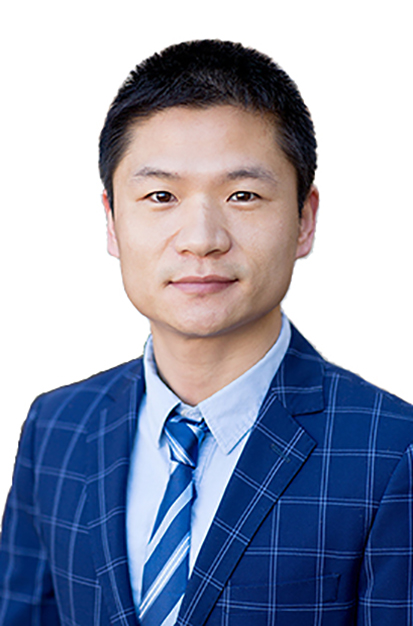 |
张琪伟, 华东师范大学化学与分子工程学院教授、博士生导师, 国家自然科学基金优秀青年科学基金获得者. 2005~2014年在华东理工大学获得学士与博士学位, 师从田禾院士. 2014~2018年, 先后在荷兰奈梅亨大学(Radboud University, 合作导师Roeland J.M. Nolte院士)和美国圣母大学(University of Notre Dame, 合作导师Bradley D. Smith教授)从事博士后研究. 2018年回国入职华东师范大学, 主要从事有机光功能材料、荧光传感与生物成像和光学诊疗等领域的研究. |
★ “中国青年化学家”专辑.
基金资助:
Qian Menga, Qiwei Zhanga,b,*()
Received:2025-05-31
Published:2025-08-12
Contact:
Qiwei Zhang
About author:★ For the VSI “Rising Stars in Chemistry”.
Supported by:文章分享

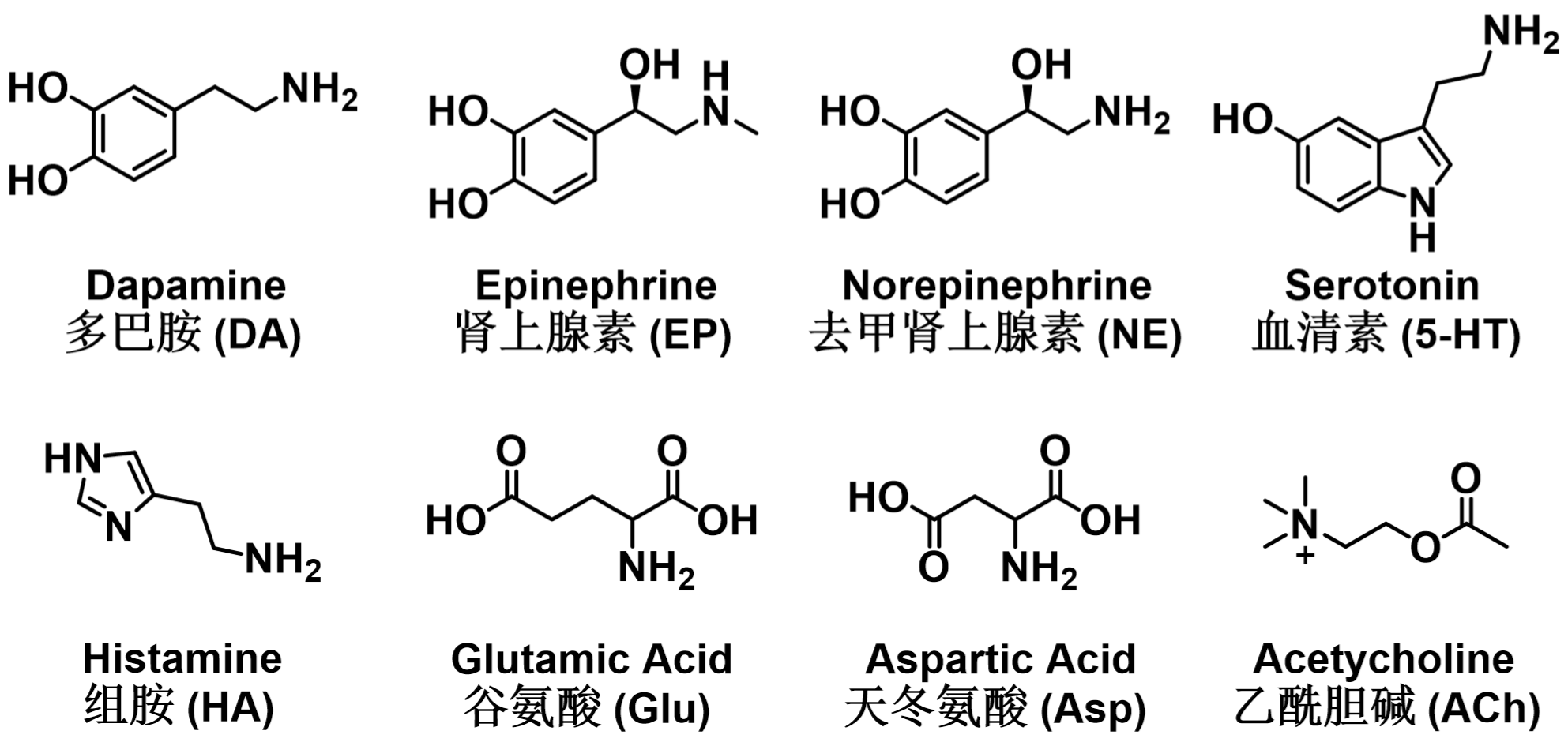
神经递质作为介导神经元间信息传递、调控神经环路及维持脑功能稳态的关键信使分子, 其动态监测对解析神经生理/病理机制具有重要意义. 有机小分子荧光探针以其优异的结构稳定性、生物相容性、识别机制的可设计性, 以及发光特性的灵活可调性, 为神经递质的检测和成像提供了理想的方式. 此文从有机小分子荧光探针的分子设计策略、共价/非共价识别原理、信号转导机制, 以及生物成像性能等方面出发, 对神经递质荧光探针的最新研究进展进行综述. 在此基础上, 对当前探针的局限性进行了深入分析, 并对未来新型探针的设计方向进行了展望, 旨在为新一代高性能神经化学探针的研发提供理论框架与路线图, 以促进神经科学和临床诊断技术的发展.
孟倩, 张琪伟. 用于神经递质检测与生物成像的有机小分子荧光探针★[J]. 化学学报, 2025, 83(10): 1252-1266.
Qian Meng, Qiwei Zhang. Organic Small-Molecule Fluorescent Probes for Neurotransmitter Sensing and Bioimaging★[J]. Acta Chimica Sinica, 2025, 83(10): 1252-1266.











| [1] |
|
| [2] |
doi: 10.1039/c3cs60477b pmid: 24736802 |
| [3] |
|
| [4] |
|
| [5] |
|
| [6] |
doi: 10.1159/000356521 pmid: 24504147 |
| [7] |
|
| [8] |
|
| [9] |
doi: 10.1039/c6cs00154h pmid: 28059423 |
| [10] |
|
| [11] |
|
| [12] |
|
| [13] |
doi: 10.1016/j.neuropharm.2010.01.008 pmid: 20096294 |
| [14] |
doi: 10.1007/s43440-021-00242-2 pmid: 33713315 |
| [15] |
|
| [16] |
doi: S1347-8613(20)30076-1 pmid: 32807662 |
| [17] |
|
| [18] |
|
| [19] |
|
| [20] |
|
| [21] |
doi: 10.1021/jacs.2c07053 pmid: 36650713 |
| [22] |
|
| [23] |
|
| [24] |
|
| [25] |
|
| [26] |
doi: 10.1021/ac4023605 pmid: 24020786 |
| [27] |
doi: 10.1021/ac401920v pmid: 23915325 |
| [28] |
|
| [29] |
|
| [30] |
|
| [31] |
|
| [32] |
doi: 10.1021/acs.analchem.0c03764 pmid: 33136382 |
| [33] |
|
| [34] |
|
| [35] |
|
|
(吴志芬, 柯建熙, 刘永升, 孙蓬明, 洪茂椿, 化学学报, 2022, 80, 542.)
doi: 10.6023/A21120571 |
|
| [36] |
|
| [37] |
|
| [38] |
|
| [39] |
|
|
(闫英红, 梁平兆, 邹杨, 袁林, 彭孝军, 樊江莉, 张晓兵, 化学学报, 2023, 81, 1642.)
doi: 10.6023/A23050243 |
|
| [40] |
|
| [41] |
doi: 10.1021/acs.analchem.2c00415 pmid: 35412308 |
| [42] |
|
|
(孟子翔, 田秀梅, 张天富, 有机化学, 2024, 44, 2441.)
doi: 10.6023/cjoc202403058 |
|
| [43] |
|
|
(李娜, 谭啸峰, 杨晴来, 有机化学, 2022, 42, 1375.)
doi: 10.6023/cjoc202112022 |
|
| [44] |
|
| [45] |
|
| [46] |
|
| [47] |
doi: 10.1016/s0149-7634(99)00063-9 pmid: 10654668 |
| [48] |
|
| [49] |
|
| [50] |
|
| [51] |
|
| [52] |
|
| [53] |
|
| [54] |
|
| [55] |
|
| [56] |
|
| [57] |
|
| [58] |
|
| [59] |
|
| [60] |
|
| [61] |
|
| [62] |
|
| [63] |
doi: 10.1002/anie.201810919 pmid: 30791180 |
| [64] |
|
| [65] |
|
| [66] |
|
| [67] |
|
| [68] |
|
| [69] |
|
| [70] |
|
| [71] |
|
| [72] |
|
| [73] |
|
| [74] |
|
| [75] |
|
| [76] |
doi: 10.1021/acs.chemrev.5b00099 pmid: 25996028 |
| [77] |
|
| [78] |
|
| [79] |
|
| [80] |
doi: 10.1021/jacs.3c10295 pmid: 38032103 |
| [81] |
|
| [82] |
|
|
(何雨晴, 陈琳, 贺瑞丽, 钟克利, 汤立军, 有机化学, 2022, 42, 785.)
doi: 10.6023/cjoc202108024 |
|
| [83] |
|
| [84] |
|
| [85] |
|
| [86] |
doi: 10.1039/d1cs00550b pmid: 35670434 |
| [87] |
|
|
(郭煜静, 张梦盼, 巩子彤, 赵云莉, 石康琦, 何磊良, 化学学报, 2025, 83, 309.)
doi: 10.6023/A24110357 |
|
| [88] |
|
| [89] |
|
| [90] |
doi: 10.1021/acs.analchem.4c01309 pmid: 38847356 |
| [91] |
|
| [92] |
|
| [93] |
|
|
(车飞达, 赵晓茗, 张馨, 丁琪, 王昕, 李平, 唐波, 化学学报, 2023, 81, 1255.)
doi: 10.6023/A23040191 |
|
| [94] |
|
| [95] |
|
| [96] |
doi: 10.1016/j.neuron.2023.02.024 pmid: 36924772 |
| [97] |
doi: 10.1038/s41467-024-52585-y pmid: 39333117 |
| [98] |
|
| [99] |
|
| [100] |
|
| [101] |
doi: 10.1038/nbt.4184 |
| [102] |
|
| [103] |
doi: 10.1039/d0nj02794d |
| [104] |
doi: 10.1002/anie.201407808 pmid: 25430503 |
| [105] |
|
| [106] |
|
| [107] |
|
| [108] |
|
| [109] |
doi: 10.1161/01.str.28.4.708 pmid: 9099183 |
| [110] |
|
| [111] |
pmid: 10416506 |
| [112] |
D'Aniello, A.; Lee, J. M.; Petrucelli, L.;
pmid: 9697936 |
| [113] |
|
| [114] |
|
| [115] |
|
| [116] |
|
| [117] |
|
| [118] |
|
| [119] |
|
| [120] |
|
| [121] |
|
| [122] |
doi: 10.6023/A24070218 |
|
(蒋励, 陈子晗, 凡勇, 化学学报, 2024, 82, 1069.)
doi: 10.6023/A24070218 |
| [1] | 赵玉强, 那迪, 和晓波, 朱立平, 周莹, 曾广智, 樊保敏. 无需催化剂的光介导生物正交荧光探针实例[J]. 化学学报, 2025, 83(8): 816-826. |
| [2] | 潘禹州, 殷炜杰, 张雨霞. 手性超分子组装圆偏振室温磷光材料的研究进展[J]. 化学学报, 2025, 83(6): 639-654. |
| [3] | 李菲, 伊思静, 王姣, 刘晓霞, 高文梅, 李婧婧, 张海峰. 稀土超分子荧光有序聚集体在离子液体中聚集及荧光性能的研究[J]. 化学学报, 2025, 83(5): 453-462. |
| [4] | 郭煜静, 张梦盼, 巩子彤, 赵云莉, 石康琦, 何磊良. 基于大环主体分子的核酸探针设计策略及生物应用[J]. 化学学报, 2025, 83(3): 309-318. |
| [5] | 刘童, 皮慧慧, 陈冰昆, 张小玲. 近红外二区硫系银量子点制备方法及癌症诊疗应用研究进展[J]. 化学学报, 2024, 82(9): 1001-1012. |
| [6] | 王丹钰, 郭子涵, 郭梦珂, 易桦, 黄梦雨, 段捷, 张开翔. DNA纳米花生物医学研究进展概述[J]. 化学学报, 2024, 82(6): 677-689. |
| [7] | 王博, 蔡向东, 肖建喜. 肿瘤特异性多肽探针及其在生物成像中的应用[J]. 化学学报, 2024, 82(3): 367-376. |
| [8] | 王敏, 陈帮塘, 陈桥林, 王俊, 陈名钊, 蒋志龙, 王平山. 6,6″-二(2,6-二甲氧基苯)-三联吡啶及其衍生物金属配位自组装的研究进展[J]. 化学学报, 2024, 82(3): 336-347. |
| [9] | 蒋励, 陈子晗, 凡勇. 近红外二区荧光探针在活体多重成像中的研究进展[J]. 化学学报, 2024, 82(10): 1069-1085. |
| [10] | 车飞达, 赵晓茗, 张馨, 丁琪, 王昕, 李平, 唐波. 抑郁症相关活性分子的荧光成像★[J]. 化学学报, 2023, 81(9): 1255-1264. |
| [11] | 洪梅, 高金强, 李彤, 杨世和. 原位刻蚀调控多级孔分子筛策略及其应用进展★[J]. 化学学报, 2023, 81(8): 937-948. |
| [12] | 李永雪, 刘育. 基于两亲性杯[4]芳烃的超分子二级组装及其生物应用★[J]. 化学学报, 2023, 81(8): 928-936. |
| [13] | 武虹乐, 郭锐, 迟涵文, 唐永和, 宋思睿, 葛恩香, 林伟英. 喹啉基粘度荧光探针的合成及其检测应用[J]. 化学学报, 2023, 81(8): 905-911. |
| [14] | 谌业勤, 陈金平, 于天君, 曾毅, 李嫕. 多糖基质诱导有机小分子室温磷光研究[J]. 化学学报, 2023, 81(5): 450-455. |
| [15] | 贺晓梦, 袁方, 张素雅, 张健健. 基于尼罗红类ONOO–近红外荧光探针的开发及其成像应用[J]. 化学学报, 2023, 81(11): 1515-1521. |
| 阅读次数 | ||||||
|
全文 |
|
|||||
|
摘要 |
|
|||||
