

化学学报 ›› 2026, Vol. 84 ›› Issue (5): 673-681.DOI: 10.6023/A26010035 上一篇 下一篇
所属专题: “框架材料化学”合集
研究论文
冯超越a, 薛波a, 车国强a, 刘大欢a,b,*( )
)
投稿日期:2026-01-30
发布日期:2026-04-03
作者简介:★“框架材料化学”专辑
基金资助:
Chaoyue Fenga, Bo Xuea, Guoqiang Chea, Dahuan Liua,b,*()
Received:2026-01-30
Published:2026-04-03
Contact:
* E-mail: liudh@mail.buct.edu.cn
About author:★ For the VSI “Chemistry of Framework Materials”.
Supported by:文章分享
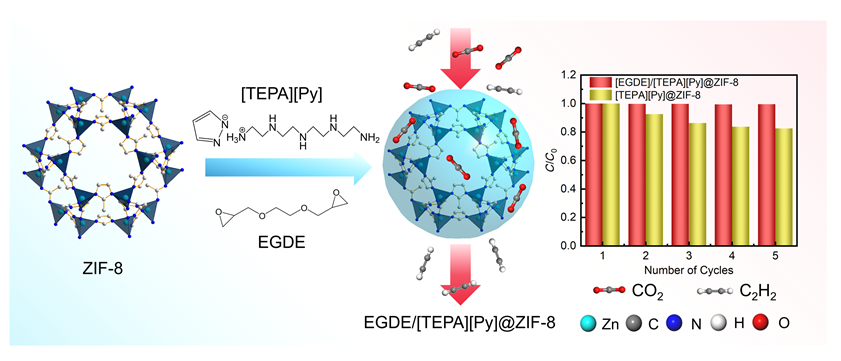
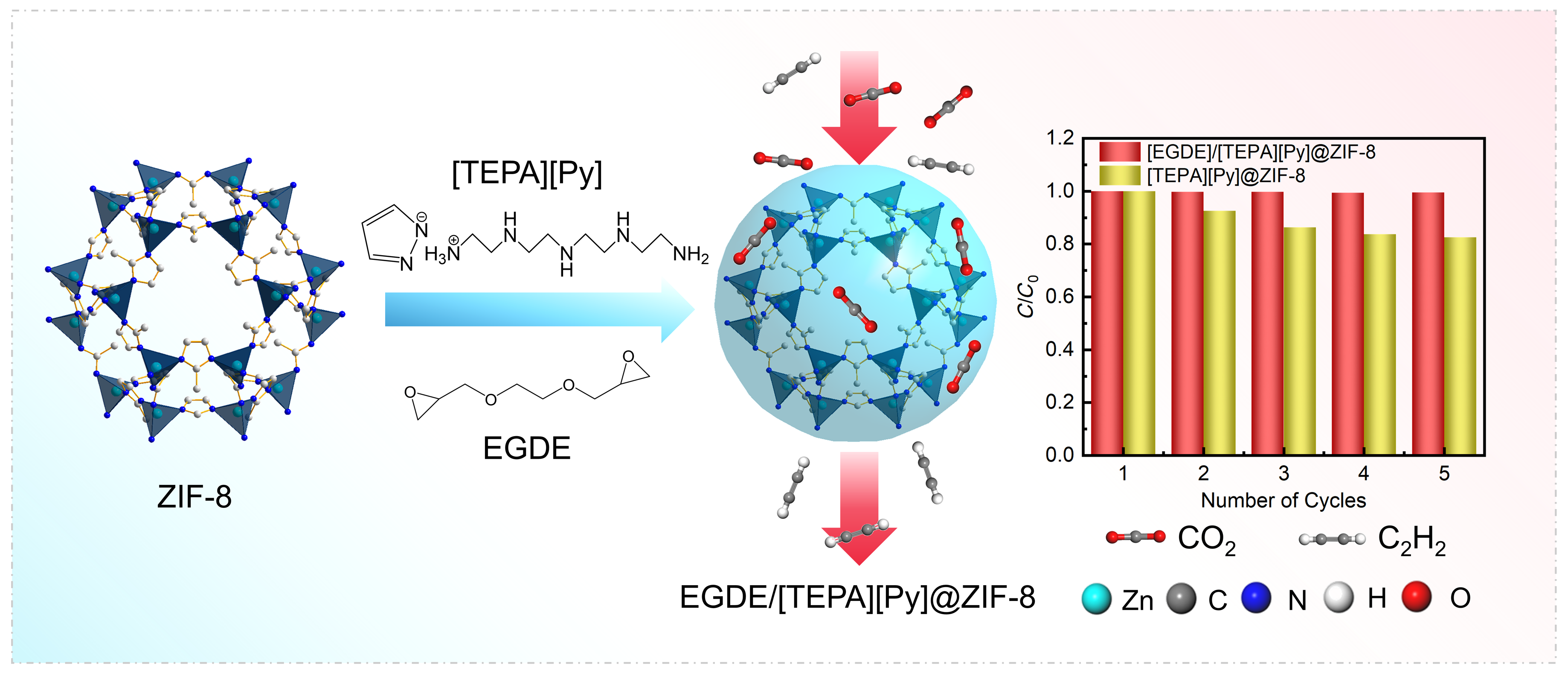
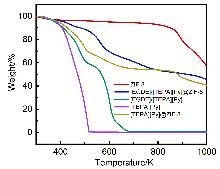
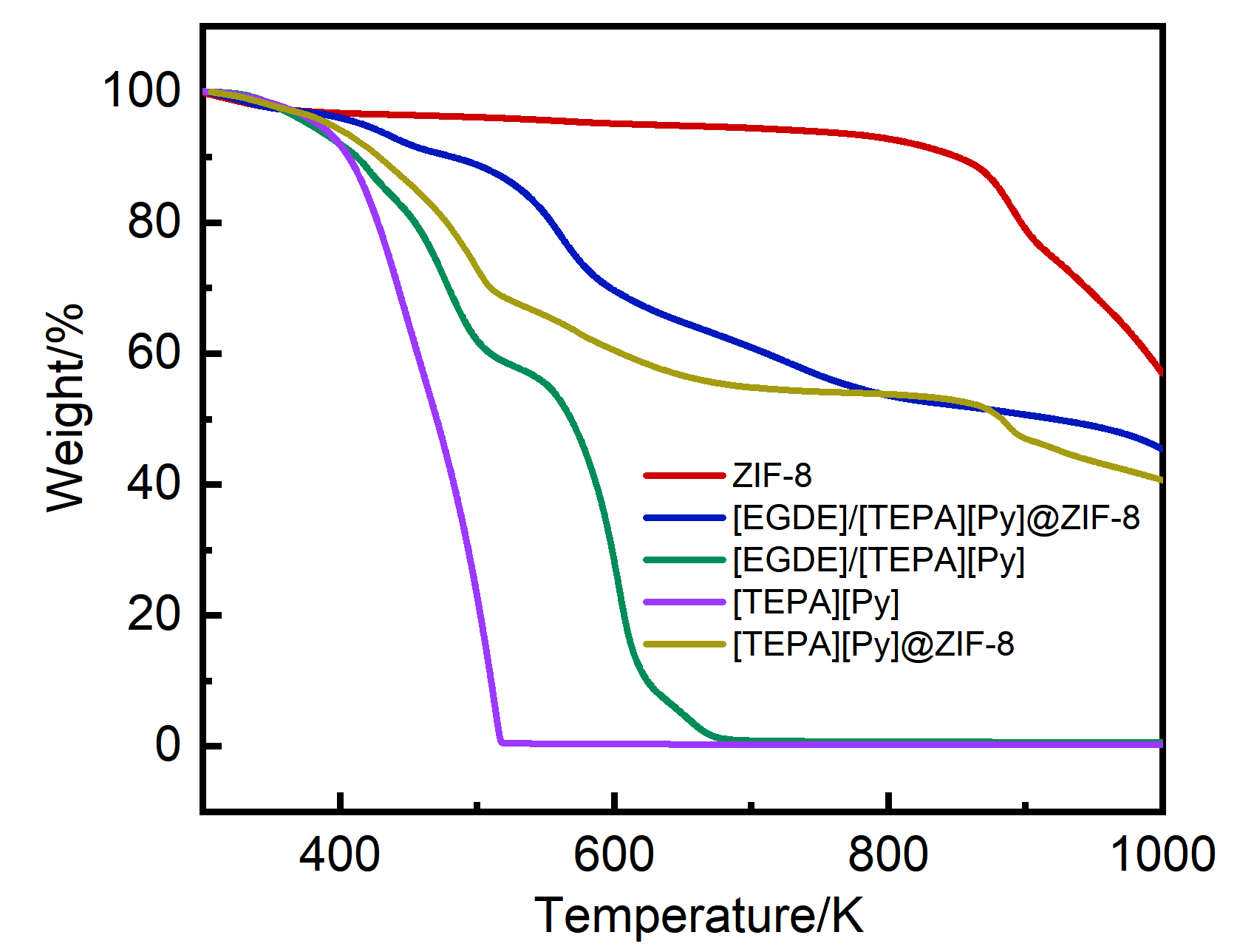
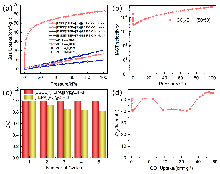
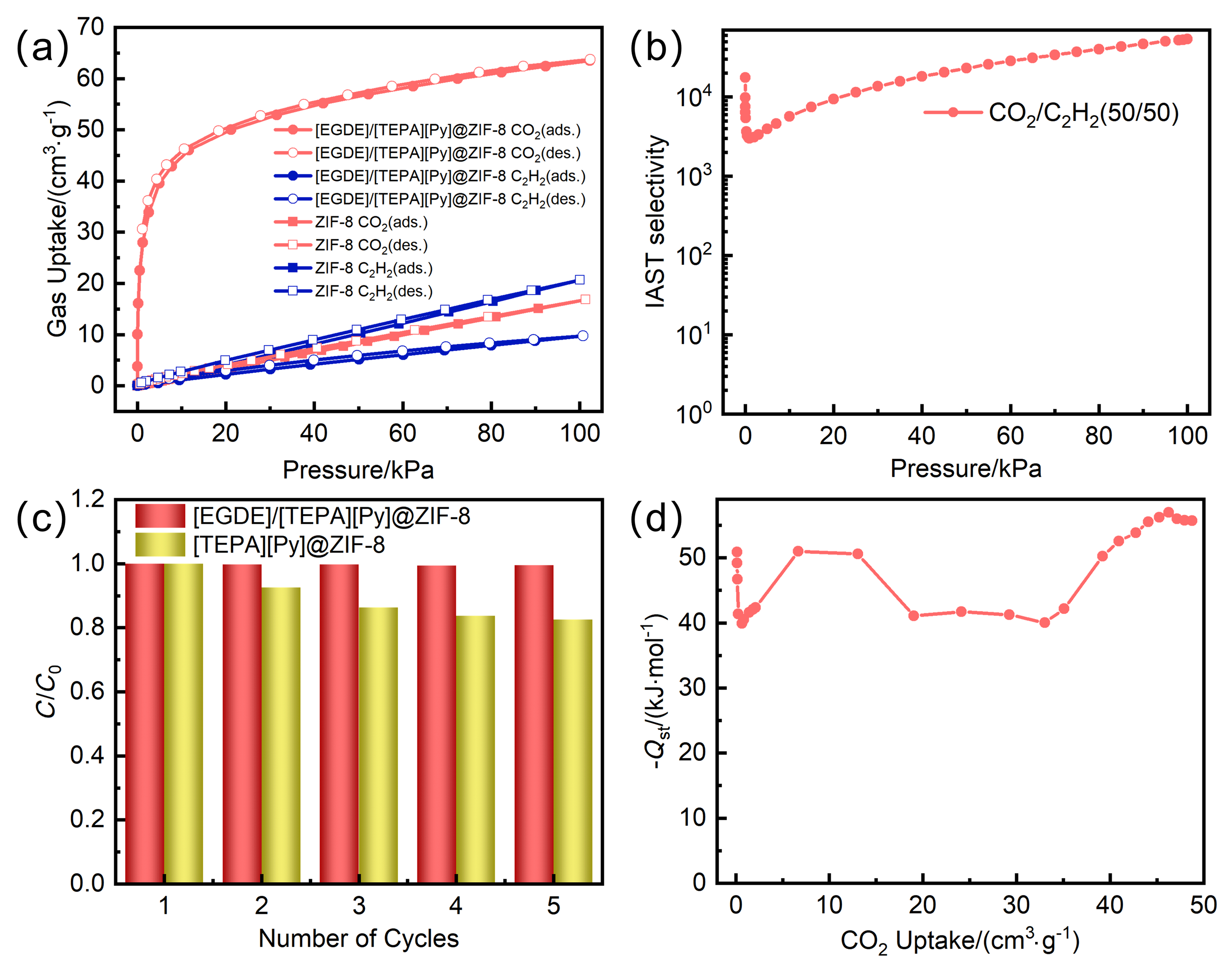
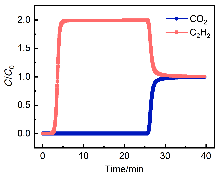
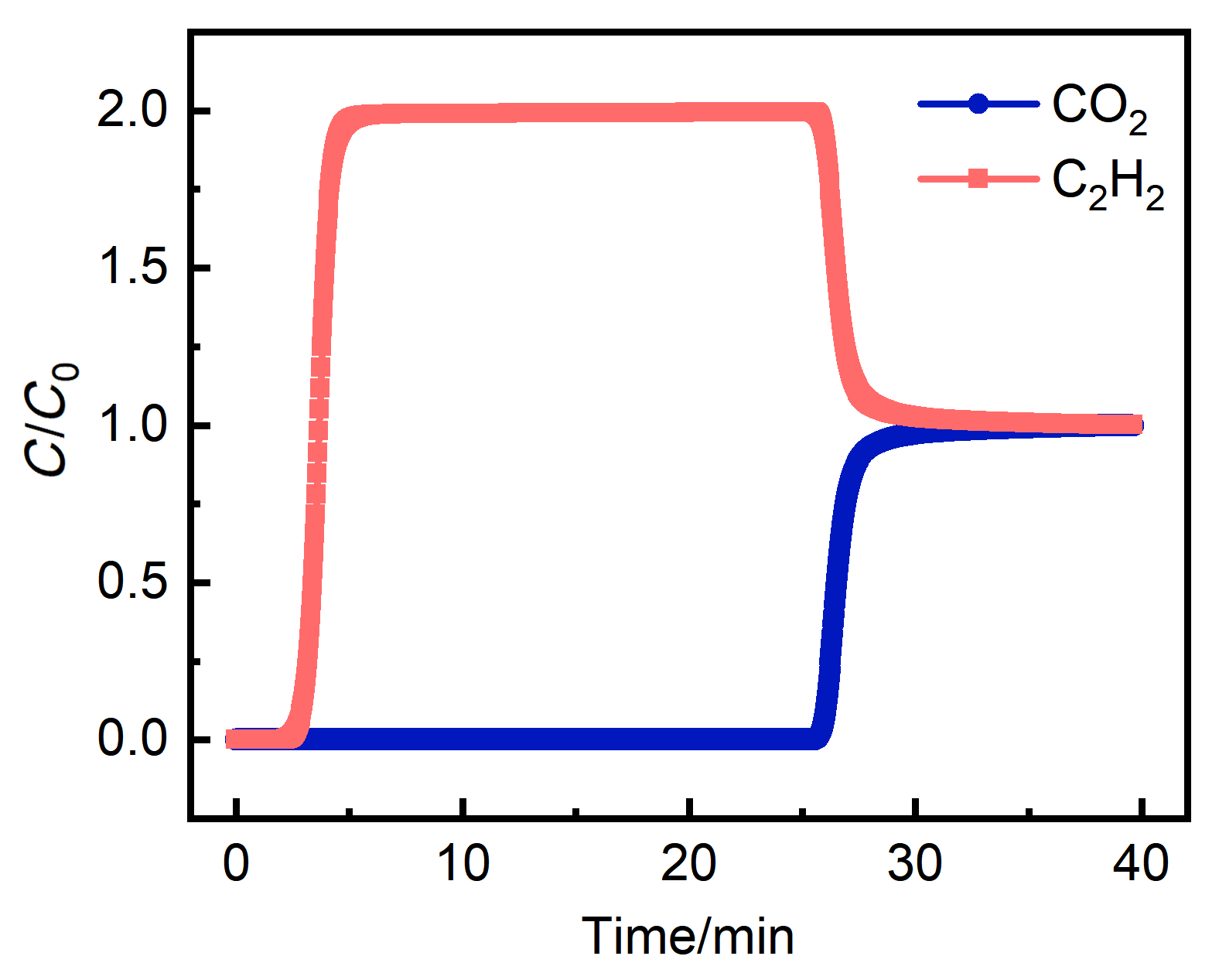
发展新型固体吸附剂从CO2/C2H2混合物中高效分离C2H2具有重要的工业价值. 本工作针对离子液体负载金属-有机骨架(MOF)复合材料中活性组分易流失、稳定性差的问题, 提出一种采用双环氧基团交联剂对离子液体进行共价交联的策略. 该策略基于环氧基团与胺基的开环聚合反应, 在离子液体内构筑稳定的共价网络, 进而将其牢固负载于ZIF-8表面形成具有核壳结构的[乙二醇缩水甘油醚]/[四乙烯五胺][吡唑]@ZIF-8 ([EGDE]/[TEPA][Py]@ZIF-8)吸附剂, 可实现CO2/C2H2的高效分离. 交联后的复合材料仍保留良好的CO2吸附能力(63.75 cm3•g−1)和CO2/C2H2选择性(>104), 并且热稳定性相较于原始复合材料得到了显著提升. 经5次吸附-脱附循环后CO2吸附容量并未出现明显变化. 此外, 穿透实验进一步验证了在动态条件下复合材料具有优异的CO2/C2H2分离性能.
冯超越, 薛波, 车国强, 刘大欢. 共价交联策略强化CO2/C2H2高效分离用IL@MOF复合材料的稳定性★[J]. 化学学报, 2026, 84(5): 673-681.
Chaoyue Feng, Bo Xue, Guoqiang Che, Dahuan Liu. Covalent Cross‑Linking Strategy for Enhancing the Stability of IL@MOF Composites for Efficient CO2/C2H2 Separation★[J]. Acta Chimica Sinica, 2026, 84(5): 673-681.

| [1] |
doi: 10.1002/anie.v61.43 |
| [2] |
doi: 10.1016/j.cclet.2022.108039 |
| [3] |
doi: 10.1126/science.aax8666 |
| [4] |
doi: 10.1021/acsami.2c17196 |
| [5] |
doi: 10.1021/jacs.1c10620 |
| [6] |
doi: 10.1002/anie.v60.29 |
| [7] |
doi: 10.1021/jacs.9b00232 |
| [8] |
|
| [9] |
doi: 10.1021/acs.cgd.0c01701 |
| [10] |
doi: 10.1002/anie.v54.2 |
| [11] |
doi: 10.1039/C6EE01886F |
| [12] |
doi: 10.1021/jacs.1c07191 |
| [13] |
doi: 10.1021/jacs.0c02594 pmid: 32406682 |
| [14] |
doi: 10.1016/j.inoche.2025.114381 |
| [15] |
doi: 10.1126/science.aaf2458 |
| [16] |
doi: 10.1002/anie.v59.43 |
| [17] |
doi: 10.1021/jacs.6b10455 |
| [18] |
doi: 10.1021/jacs.9b12879 |
| [19] |
doi: 10.1002/cjoc.v44.4 |
| [20] |
doi: 10.1002/adma.v32.3 |
| [21] |
doi: 10.1016/j.cej.2026.172873 |
| [22] |
doi: 10.6023/A25050193 |
|
(江惠星, 郑丽彬, 陈小丰, 张珍珍, 陈秋水, 杨黄浩, 化学学报, 2025, 83, 987.)
doi: 10.6023/A25050193 |
|
| [23] |
doi: 10.1002/anie.v58.30 |
| [24] |
doi: 10.1002/adma.v37.52 |
| [25] |
doi: 10.6023/A22020074 |
|
(刘芳, 潘婷婷, 任秀蓉, 鲍卫仁, 王建成, 胡江亮, 化学学报, 2022, 80, 879.)
doi: 10.6023/A22020074 |
|
| [26] |
doi: 10.6023/A19120449 |
|
(刘洋, 夏潇潇, 谭媛元, 李松, 化学学报, 2020, 78, 250.)
doi: 10.6023/A19120449 |
|
| [27] |
doi: 10.6023/A25040140 |
|
(吴子林, 张璐, 陈杨, 李晋平, 李立博, 化学学报, 2025, 83, 917.)
doi: 10.6023/A25040140 |
|
| [28] |
|
| [29] |
doi: 10.6023/A20040130 |
|
(陈杨, 杜亚丹, 王勇, 刘普旭, 李立博, 李晋平, 化学学报, 2020, 78, 534.)
doi: 10.6023/A20040130 |
|
| [30] |
doi: 10.1016/j.jcis.2025.139643 |
| [31] |
doi: 10.1021/jacs.5c05650 |
| [32] |
doi: 10.1002/anie.v65.12 |
| [33] |
doi: 10.1038/s41467-022-27975-9 |
| [34] |
doi: 10.1021/acsami.5c10971 |
| [35] |
doi: 10.6023/A17070319 |
|
(王引航, 李伟, 罗沙, 刘守新, 马春慧, 李坚, 化学学报, 2018, 76, 85.)
doi: 10.6023/A17070319 |
|
| [36] |
|
| [37] |
doi: 10.1016/j.seppur.2024.128443 |
| [38] |
doi: 10.1039/D5SU00108K |
| [39] |
doi: 10.1016/j.seppur.2024.130981 |
| [40] |
doi: 10.1039/D4CC00478G |
| [41] |
doi: 10.1016/j.rineng.2025.104140 |
| [42] |
doi: 10.1002/adfm.v33.15 |
| [43] |
doi: 10.1016/j.ces.2024.119983 |
| [44] |
doi: 10.1021/acs.iecr.5c01660 |
| [45] |
|
| [46] |
doi: 10.1002/anie.v62.37 |
| [47] |
doi: 10.1021/jacs.4c03442 |
| [48] |
doi: 10.1002/anie.v60.42 |
| [49] |
doi: 10.1002/adma.v32.3 |
| [50] |
doi: 10.1002/anie.v60.33 |
| [51] |
doi: 10.1002/anie.v61.39 |
| [52] |
doi: 10.3390/molecules26175124 |
| [53] |
doi: 10.1016/j.seppur.2024.128016 |
| [54] |
doi: 10.1021/cm900166h |
| [55] |
doi: 10.1021/acssuschemeng.9b00420 |
| [1] | 丁宝童, 蔡俊凯, 郭绍杰, 段春迎. 基于拓扑固定的铜卤簇金属有机框架的稳定性与发光调控研究★[J]. 化学学报, 2026, 84(5): 682-688. |
| [2] | 张伟宏, 马亚男, 方翰, 薛东旭. 面向乙烯一步纯化的多组分金属有机框架: 金属配体导向合成与C2混合气高效分离★[J]. 化学学报, 2026, 84(5): 659-666. |
| [3] | 叶舣, 黄正义, 赵兴雷, 赵娅俐, 刘龙杰, 吴武凤, 魏嫣莹. 垂直排列金属有机框架纳米片膜实现高效H2传输[J]. 化学学报, 2026, 84(1): 129-134. |
| [4] | 黄静, 赵乐妍, 徐勃. 基于发光太阳能聚光器的透明光伏技术: 效率瓶颈、材料设计与前景展望[J]. 化学学报, 2026, 84(1): 160-172. |
| [5] | 武传硕, 程靓. 5-甲基尿苷(m5U)RNA修饰的生物学功能研究进展★[J]. 化学学报, 2025, 83(9): 1046-1054. |
| [6] | 薛兰, 刘爽, 章硕, 伽龙. Ni2+掺杂改性对LiMn0.75Fe0.25PO4正极材料电化学性能的影响[J]. 化学学报, 2025, 83(8): 853-860. |
| [7] | 高春, 张松涛, 庞欢. 金属有机框架复合材料★[J]. 化学学报, 2025, 83(8): 962-980. |
| [8] | 张智强, 董德锐, 曹柳悦, 张斌伟. 三维碳基集流体在高比能钠金属电池中的应用与展望★[J]. 化学学报, 2025, 83(11): 1386-1396. |
| [9] | 马莹, 陈维希, 刘羽辰, 刘子义, 吴涛, 陆安慧, 王东琪. 六方氮化硼氧化模式的密度泛函理论研究[J]. 化学学报, 2025, 83(1): 52-59. |
| [10] | 马金珠, 李阳, 高珊, 赵越, 丁磊, 周东营, 樊健. 基于吩嗪受体单元的高效近红外热激活延迟荧光[J]. 化学学报, 2025, 83(1): 17-24. |
| [11] | 康健, 石梓煊, 李景梅. 高抗菌性光催化材料的制备及LED光驱动其抗菌性能研究[J]. 化学学报, 2024, 82(9): 962-970. |
| [12] | 郭云凤, 王俊贤, 王泽星, 李家茂, 刘畅. (1-x)NaNbO3-x(0.3Bi0.5Na0.5TiO3-0.7BiFeO3)陶瓷的介电以及储能性能研究[J]. 化学学报, 2024, 82(5): 511-519. |
| [13] | 刘雪朋, 李博桐, 韩明远, 张先付, 陈建林, 戴松元. 自组装单分子空穴传输层在反式钙钛矿太阳电池的研究进展[J]. 化学学报, 2024, 82(3): 348-366. |
| [14] | 何文, 王波, 冯晗俊, 孔祥如, 李桃, 肖睿. CO2捕集膜分离的Pebax基材料研究进展[J]. 化学学报, 2024, 82(2): 226-241. |
| [15] | 王华高, 程群峰. 冰模板技术仿生构筑层状高分子纳米复合材料的研究进展★[J]. 化学学报, 2023, 81(9): 1231-1239. |
| 阅读次数 | ||||||
|
全文 |
|
|||||
|
摘要 |
|
|||||
