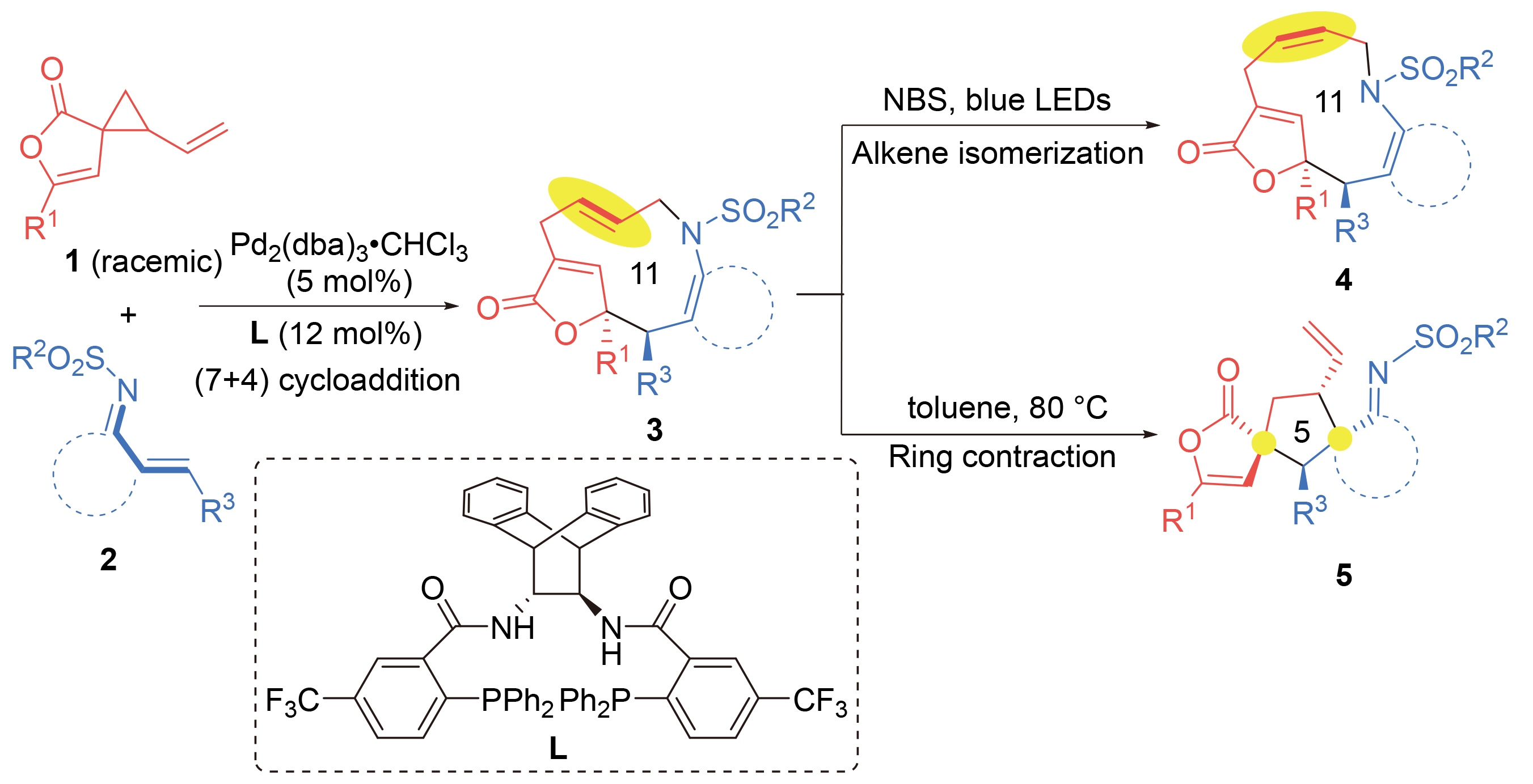
-
-
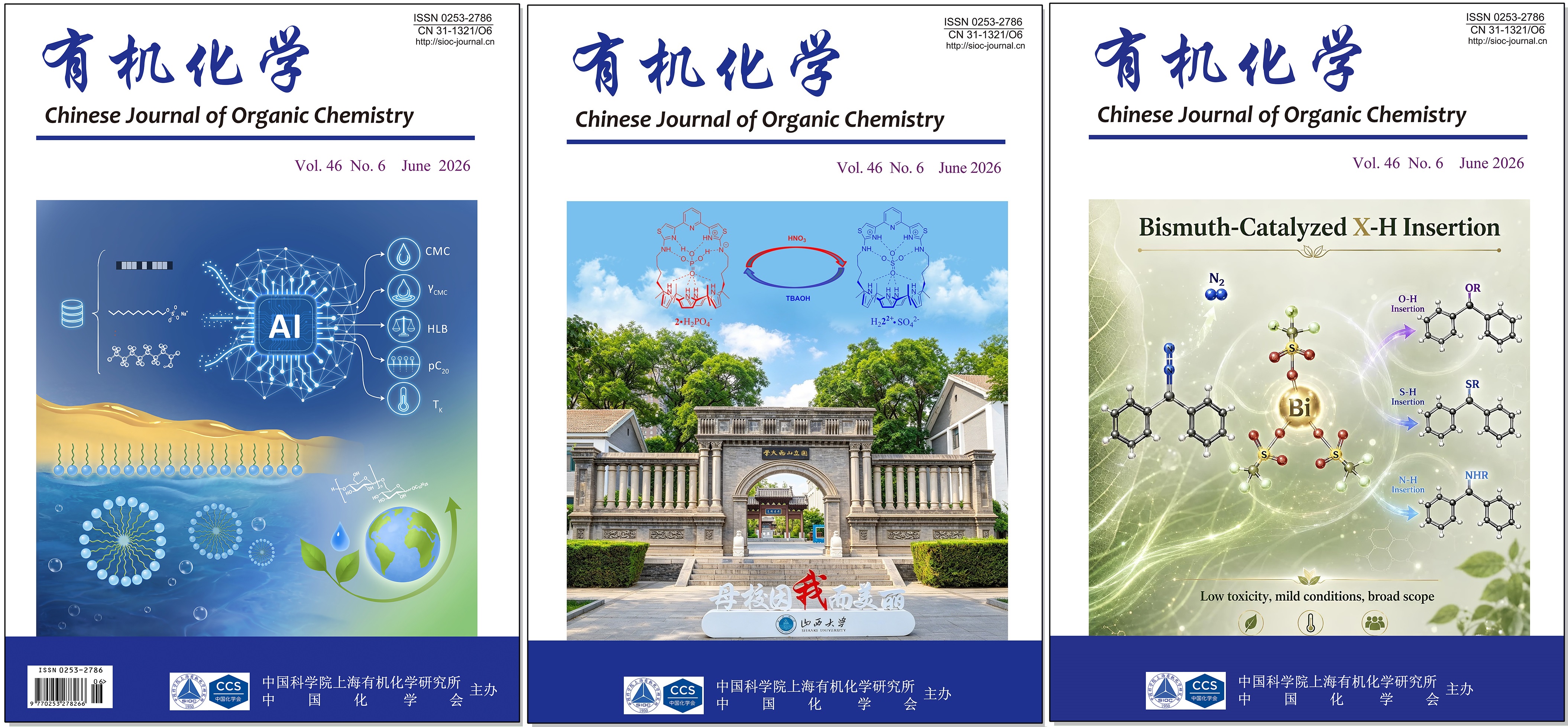
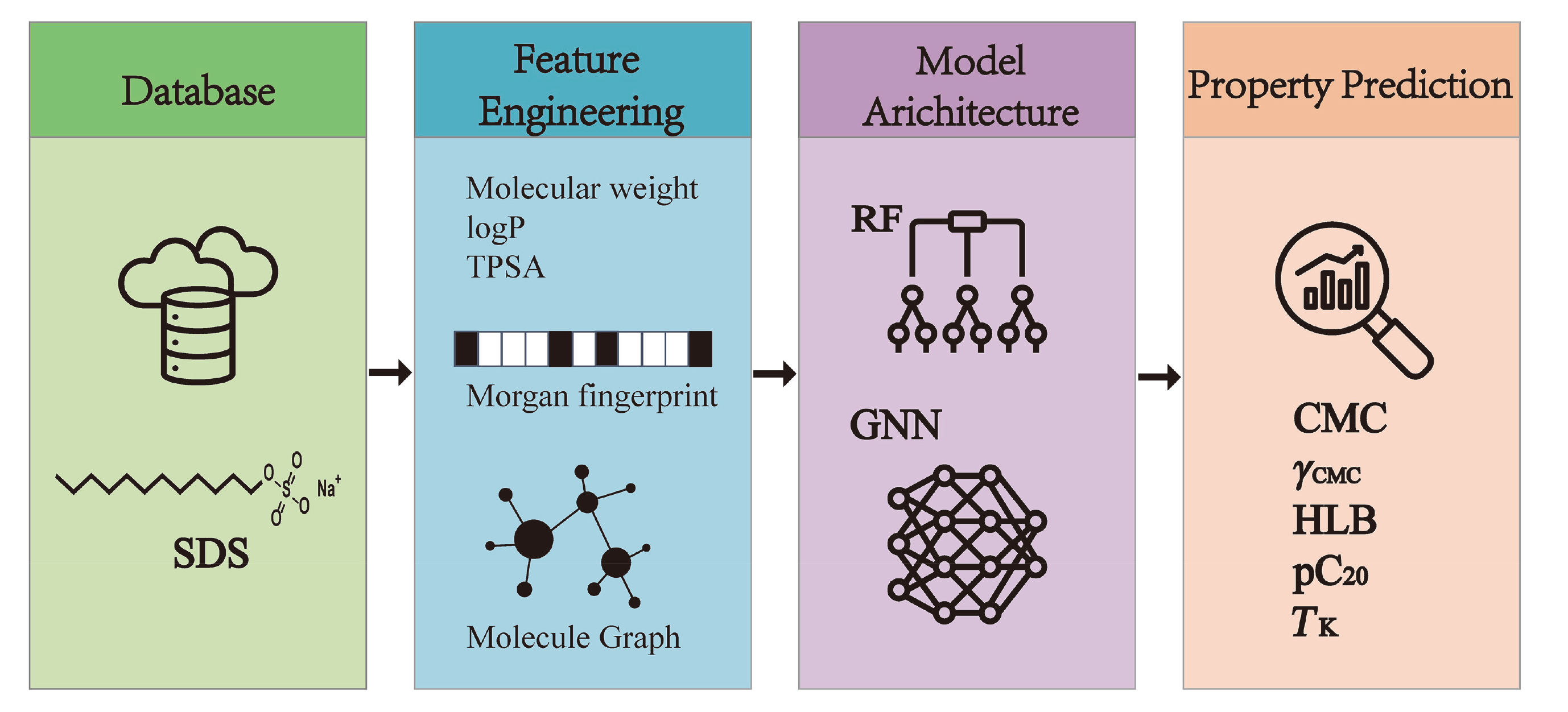
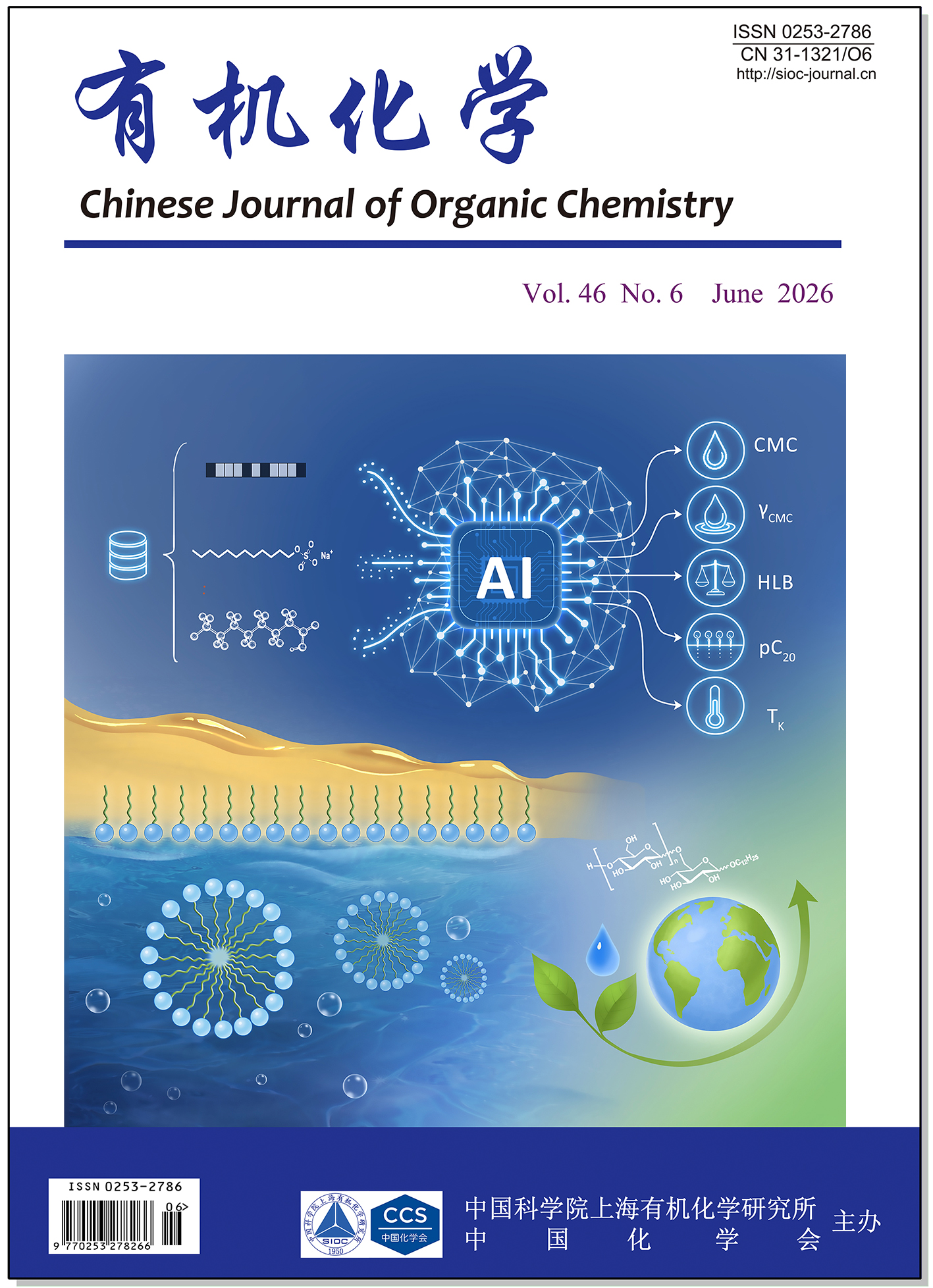 封面介绍Machine learning bridges molecular structures and sur-factant performance. The advances in machine learning for predicting key surfactant properties (e.g., critical micelle concentration, surface tension, hydrophilic-lipo- philic balance, adsorption efficiency, and Krafft point) are systematically reviewed by Zhang, Ding, Guo, Li, and Xue on page 2310. Furthermore, preliminary applications and prospects of this technology in predicting environmental safety parameters such as biodegradability and ecotoxicity are examined.
 -
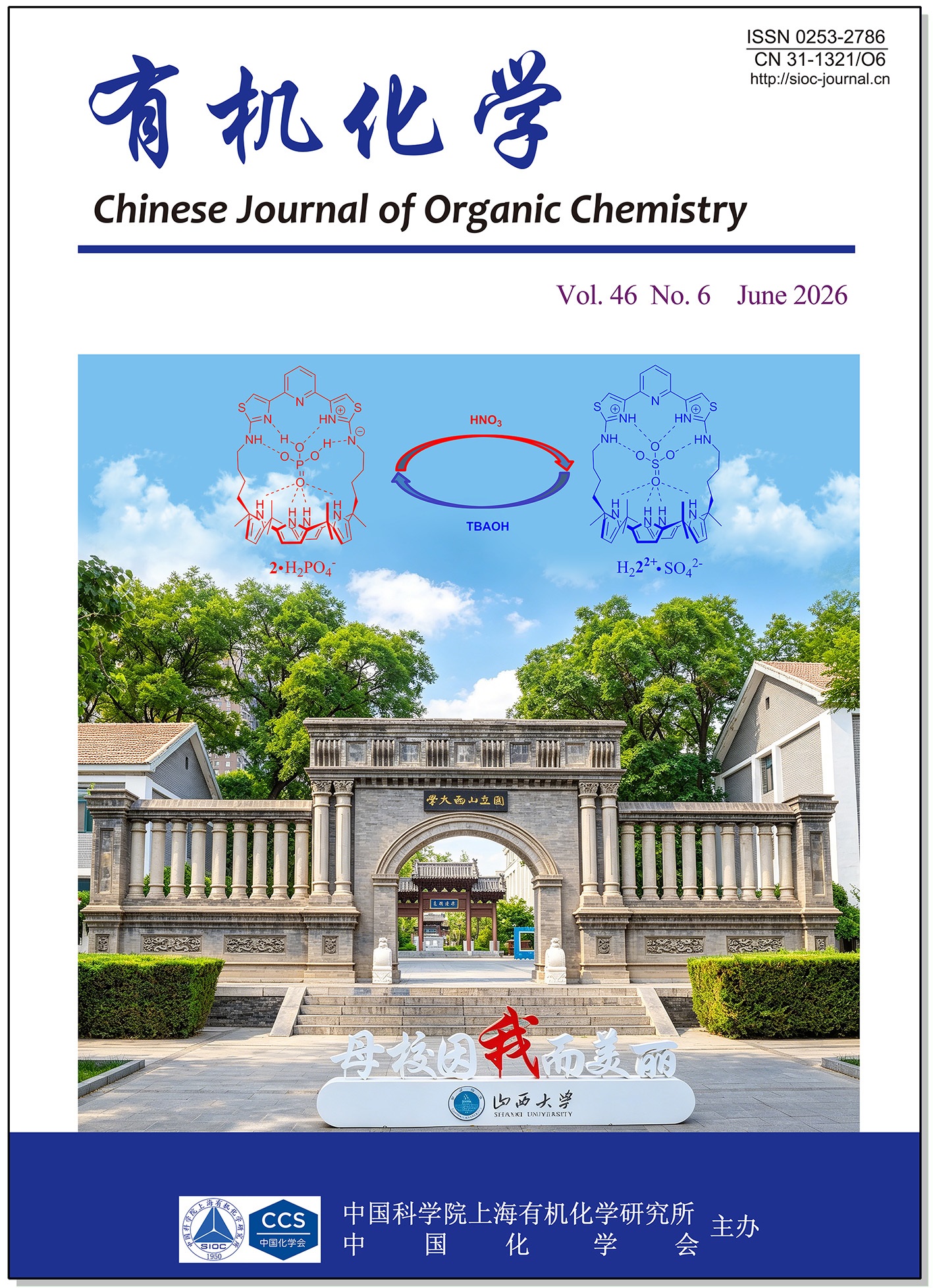 封面介绍The selective anion recognition of pyridinebisthiazola-mine-strapped calix[4]pyrrole 2 is reported by Yan, Huo and He on page 2442. This receptor strongly binds H2PO4- via simultaneous proton transfer between its thiazole units and H2PO4-. Relying on pH-responsive protonation-deprotonation of the bridging strap, the macrocycle serves as a pH-tunable molecular switch, selectively trapping H2PO4- under neutral conditions and switching its binding affinity to H2PO4- in acidic media.
 -
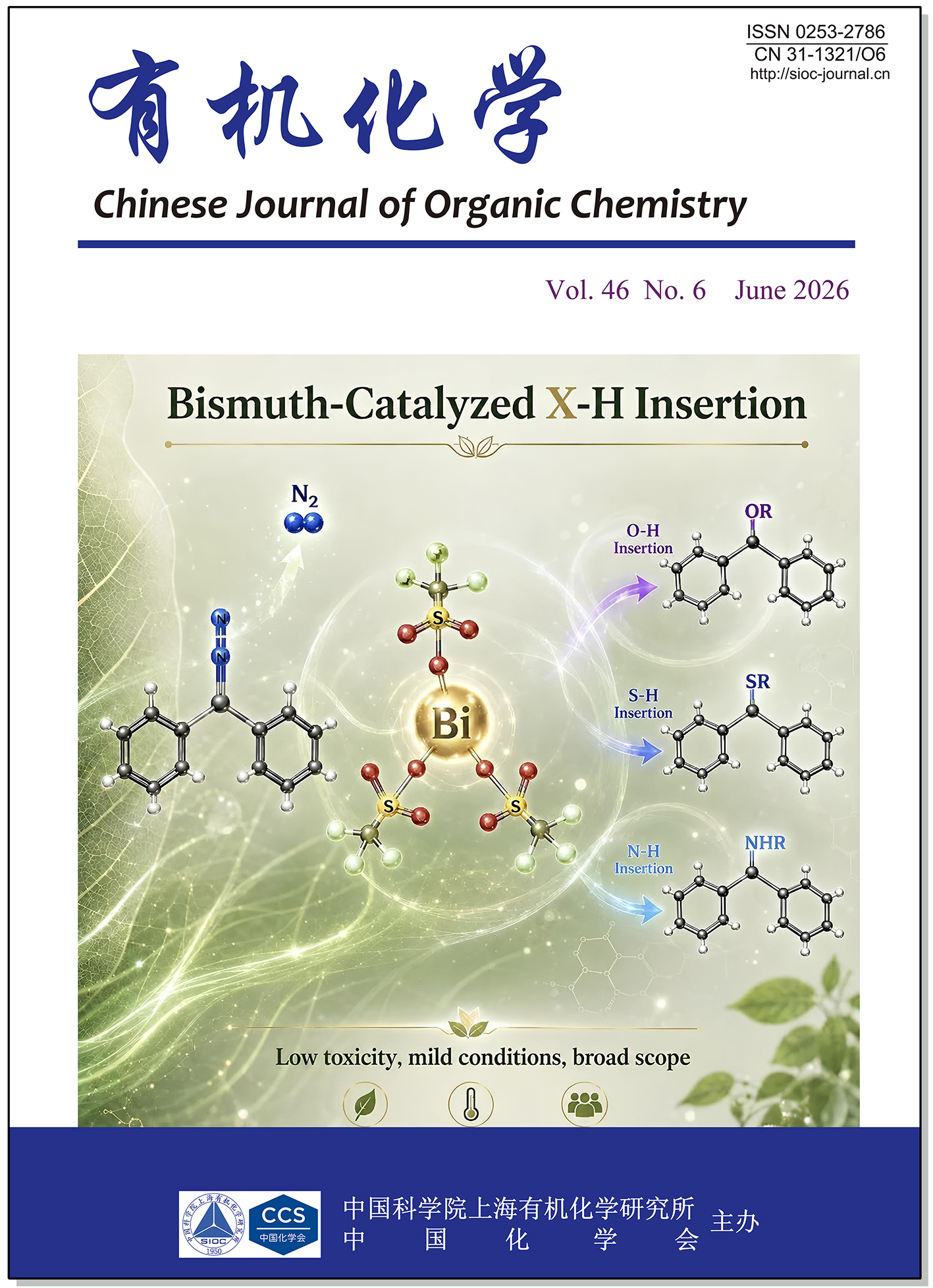 封面介绍The X—H (X=O, N, S) bond insertion reaction catalyzed by bismuth for diaryl diazomethanes is reported by Lü, Liu, Liu, Si, Li, Chen, and Liu on page 2409. This reaction is applicable to various compounds containing X—H bonds. This method has the characteristics of simple operation, mild conditions, and wide substrate range, providing an alternative solution for reactions involving transition metals and expanding the application of bismuth metal in carbene chemistry.
-
-
本期栏目
目录
综述与进展
有机化学
2026, 46 (6), pp 2163-2176
DOI: 10.6023/cjoc202603008

有机化学
2026, 46 (6), pp 2177-2192
DOI: 10.6023/cjoc202601034

有机化学
2026, 46 (6), pp 2193-2206
DOI: 10.6023/cjoc202601017
有机化学
2026, 46 (6), pp 2207-2226
DOI: 10.6023/cjoc202602008
有机化学
2026, 46 (6), pp 2227-2240
DOI: 10.6023/cjoc202512034
有机化学
2026, 46 (6), pp 2241-2248
DOI: 10.6023/cjoc202601015
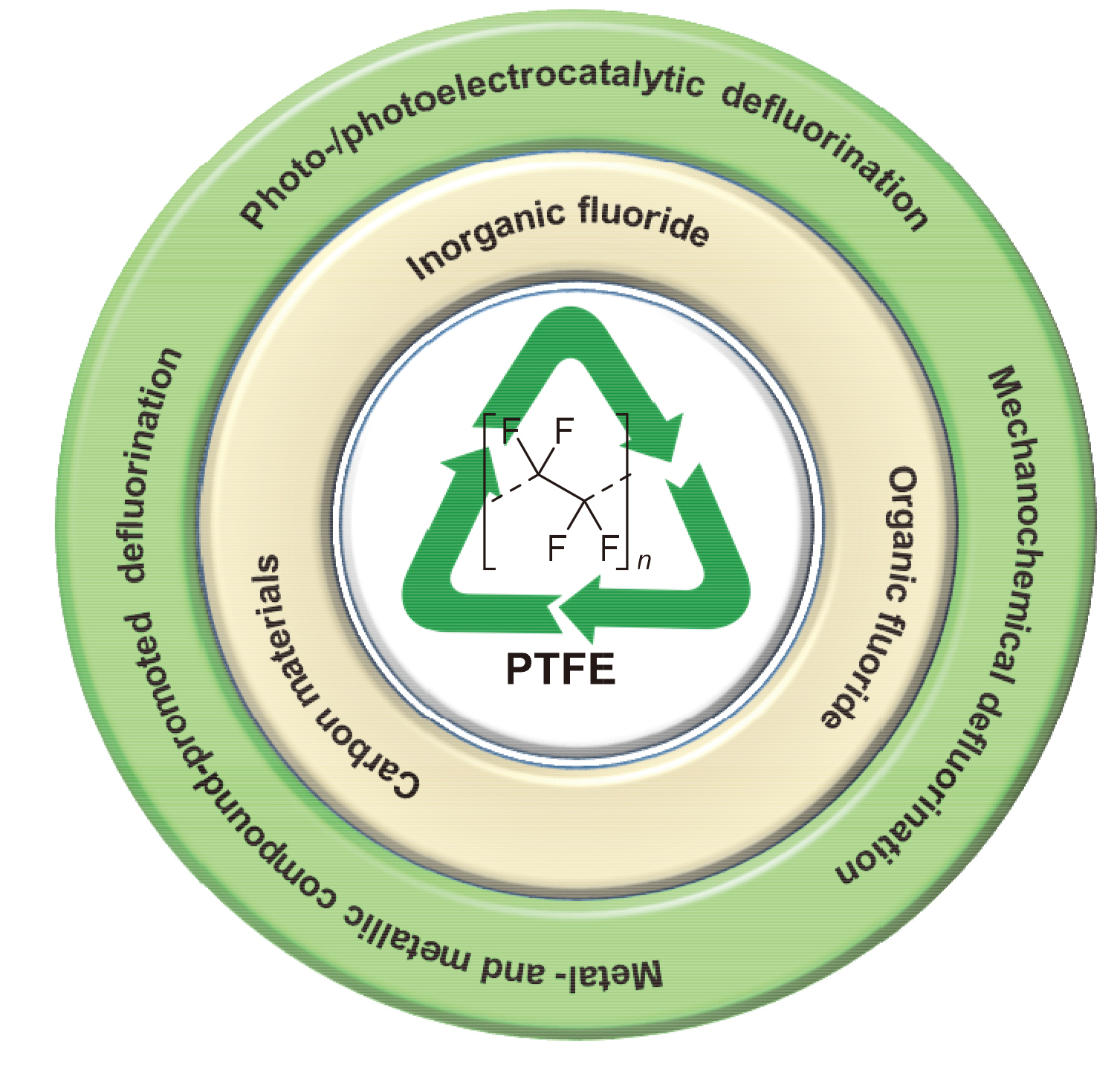
有机化学
2026, 46 (6), pp 2249-2266
DOI: 10.6023/cjoc202601002
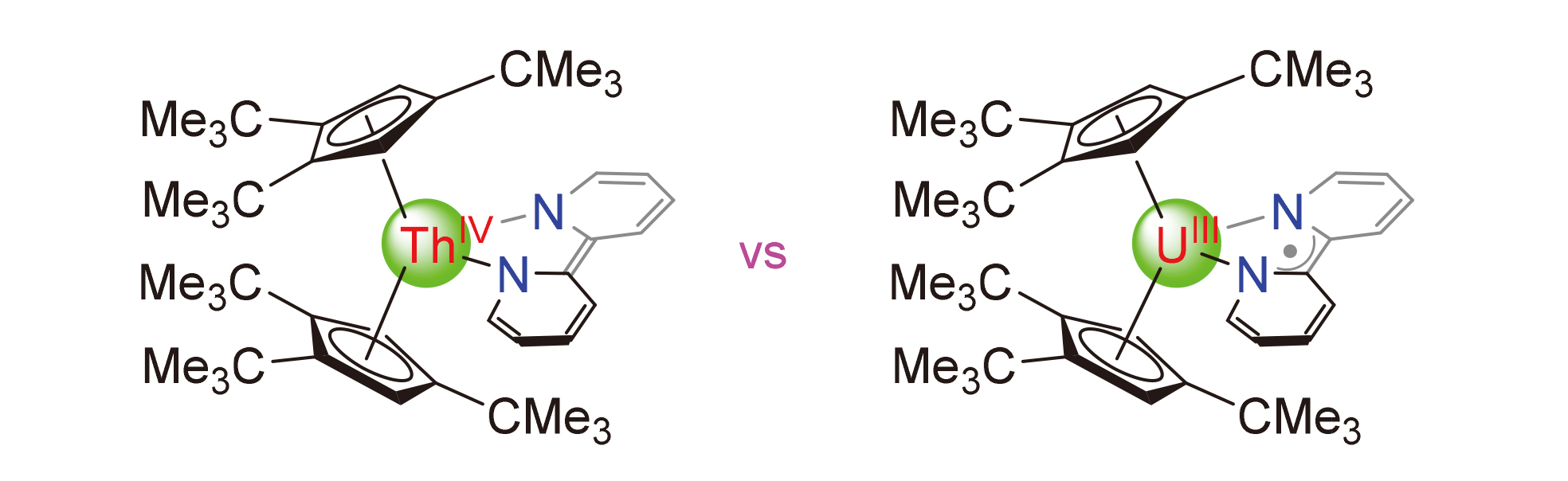
有机化学
2026, 46 (6), pp 2267-2274
DOI: 10.6023/cjoc202512024
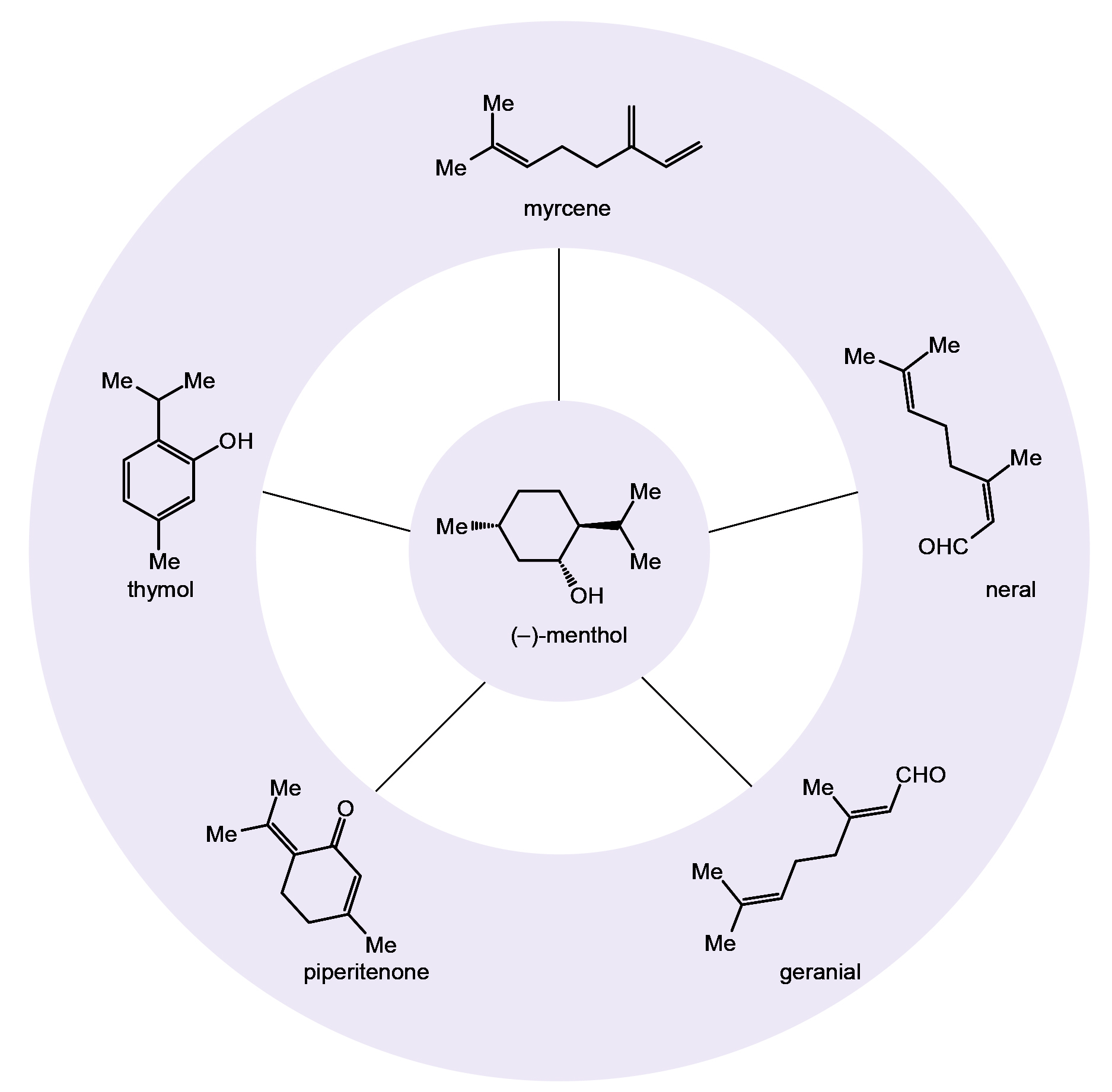
有机化学
2026, 46 (6), pp 2275-2309
DOI: 10.6023/cjoc202512014
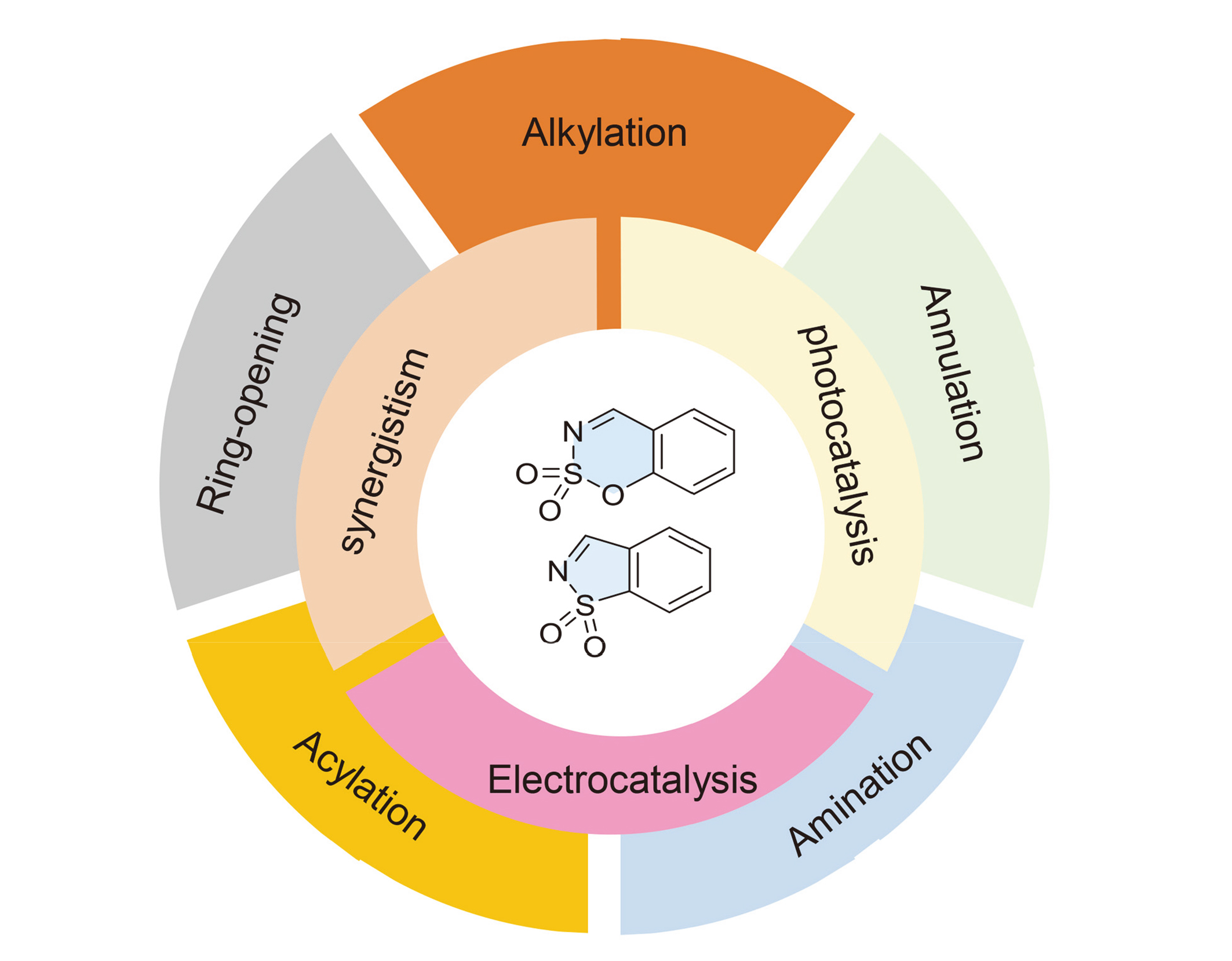
有机化学
2026, 46 (6), pp 2310-2326
DOI: 10.6023/cjoc202512023
有机化学
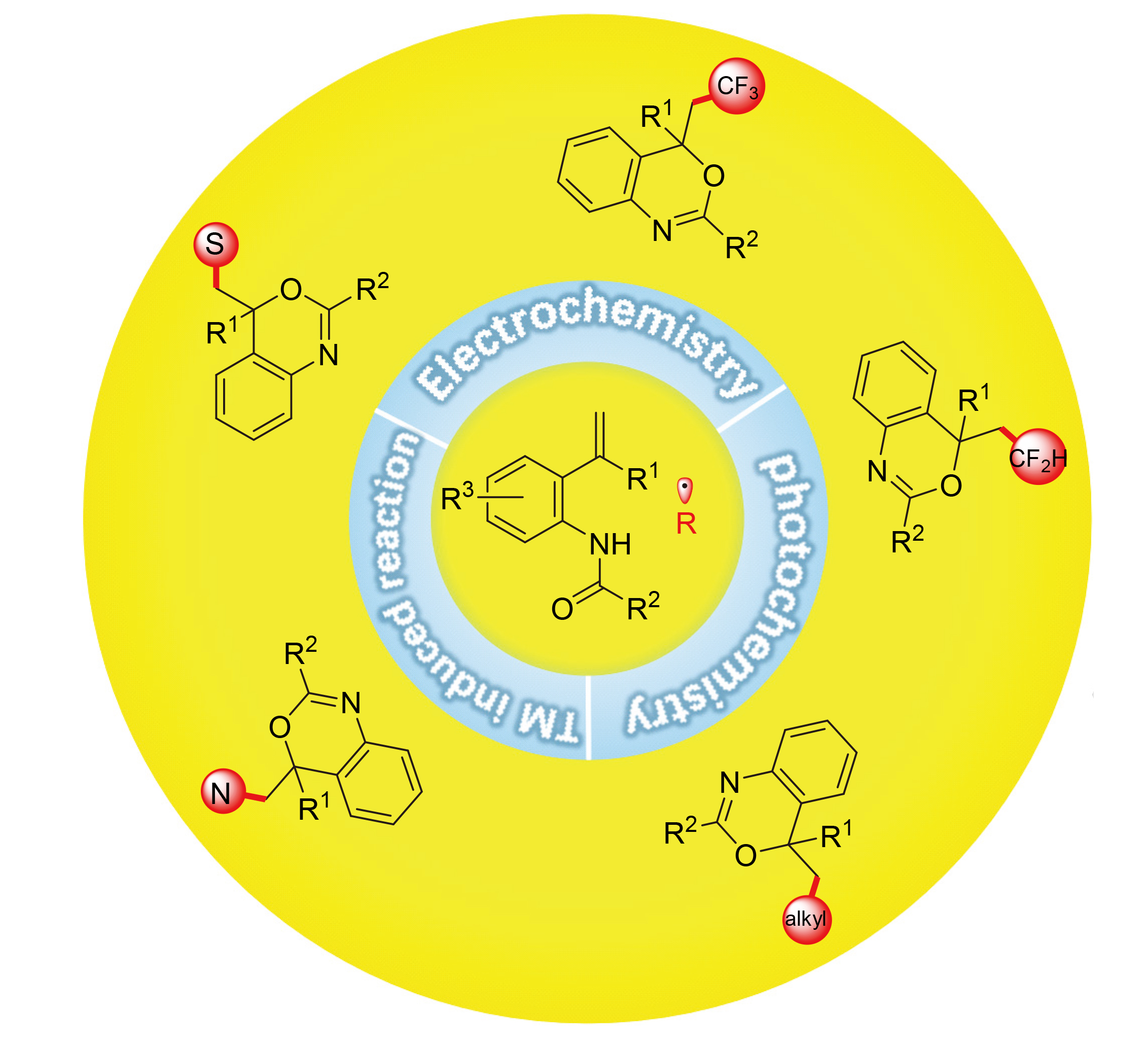
2026, 46 (6), pp 2327-2336
DOI: 10.6023/cjoc202511006
研究论文
有机化学
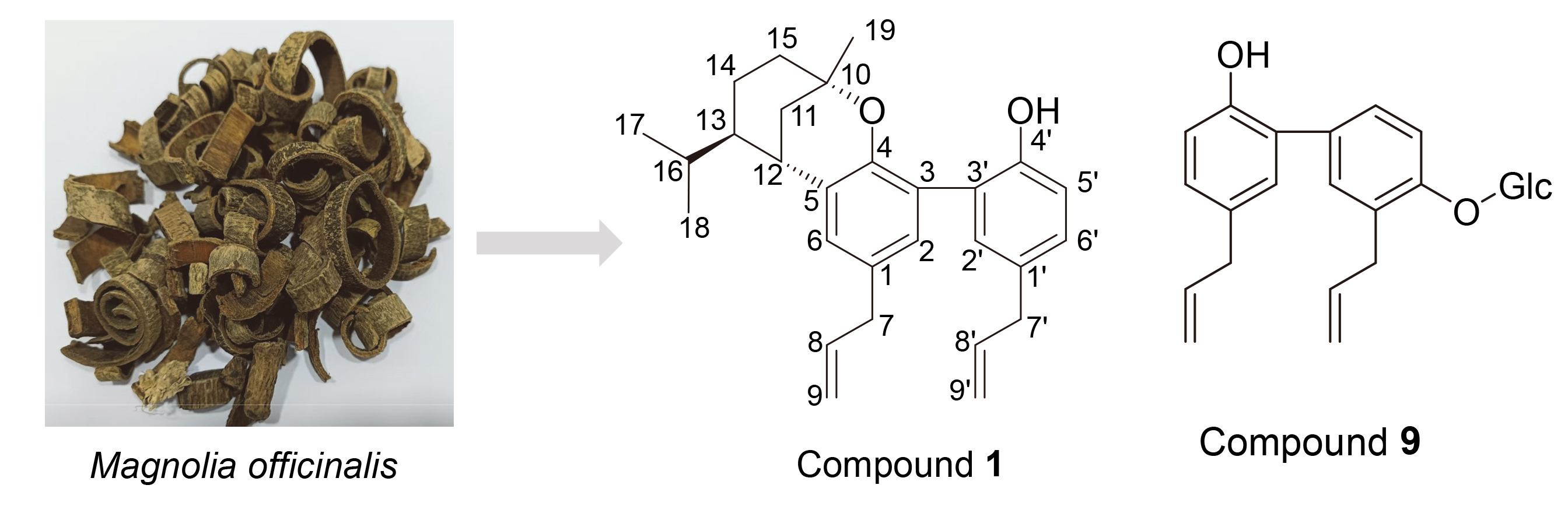
2026, 46 (6), pp 2337-2345
DOI: 10.6023/cjoc202512009
有机化学
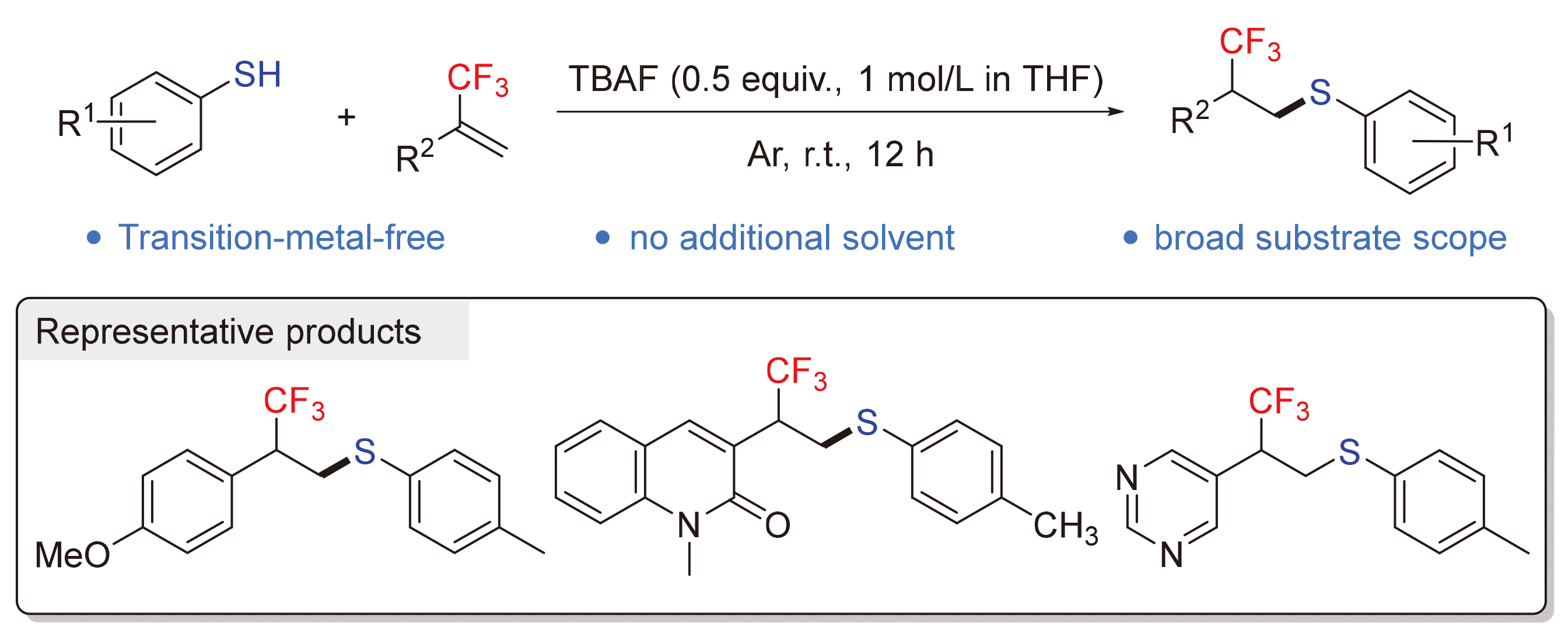
2026, 46 (6), pp 2346-2357
DOI: 10.6023/cjoc202512026
有机化学
2026, 46 (6), pp 2358-2368
DOI: 10.6023/cjoc202512006
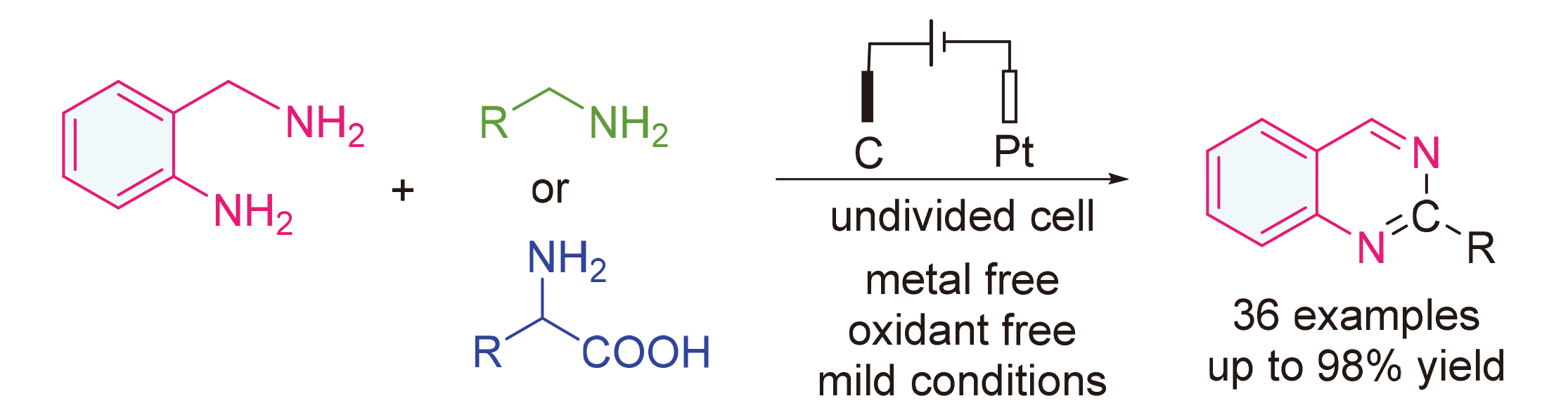
有机化学
2026, 46 (6), pp 2369-2378
DOI: 10.6023/cjoc202510030
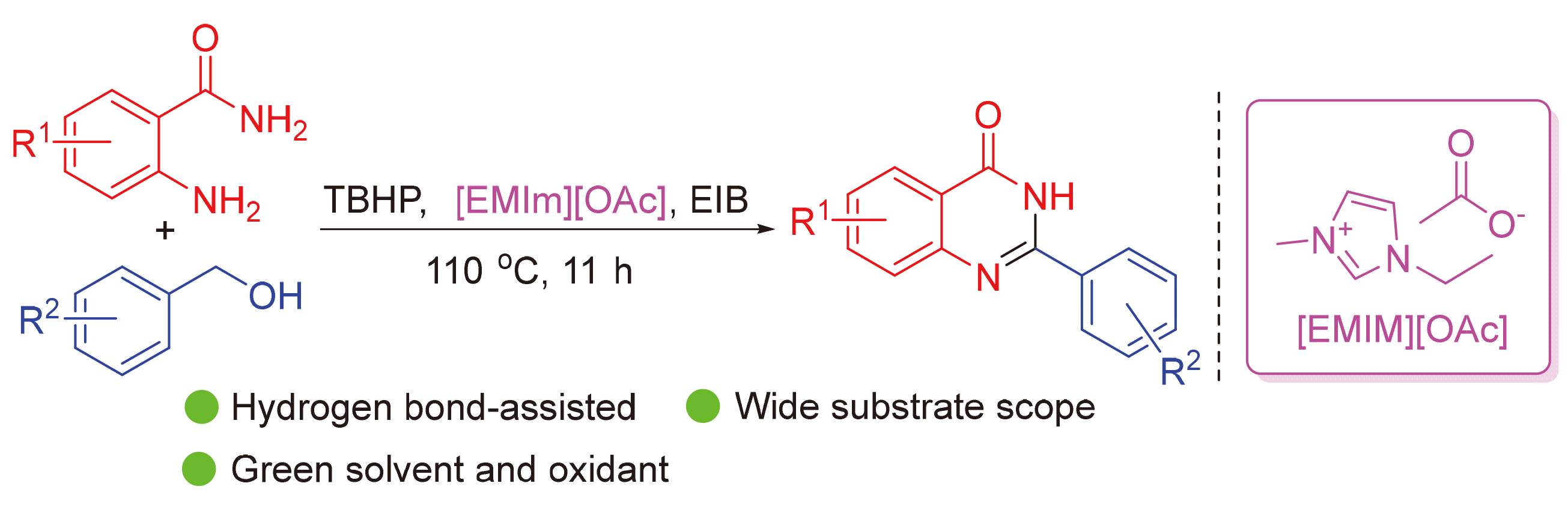
有机化学
2026, 46 (6), pp 2379-2386
DOI: 10.6023/cjoc202512017
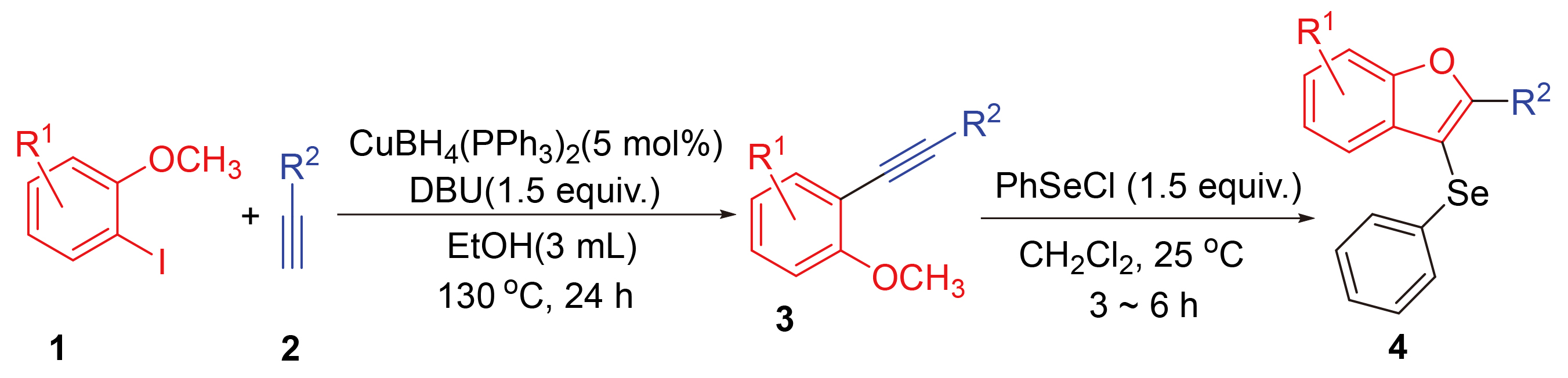
有机化学
2026, 46 (6), pp 2387-2398
DOI: 10.6023/cjoc202510022
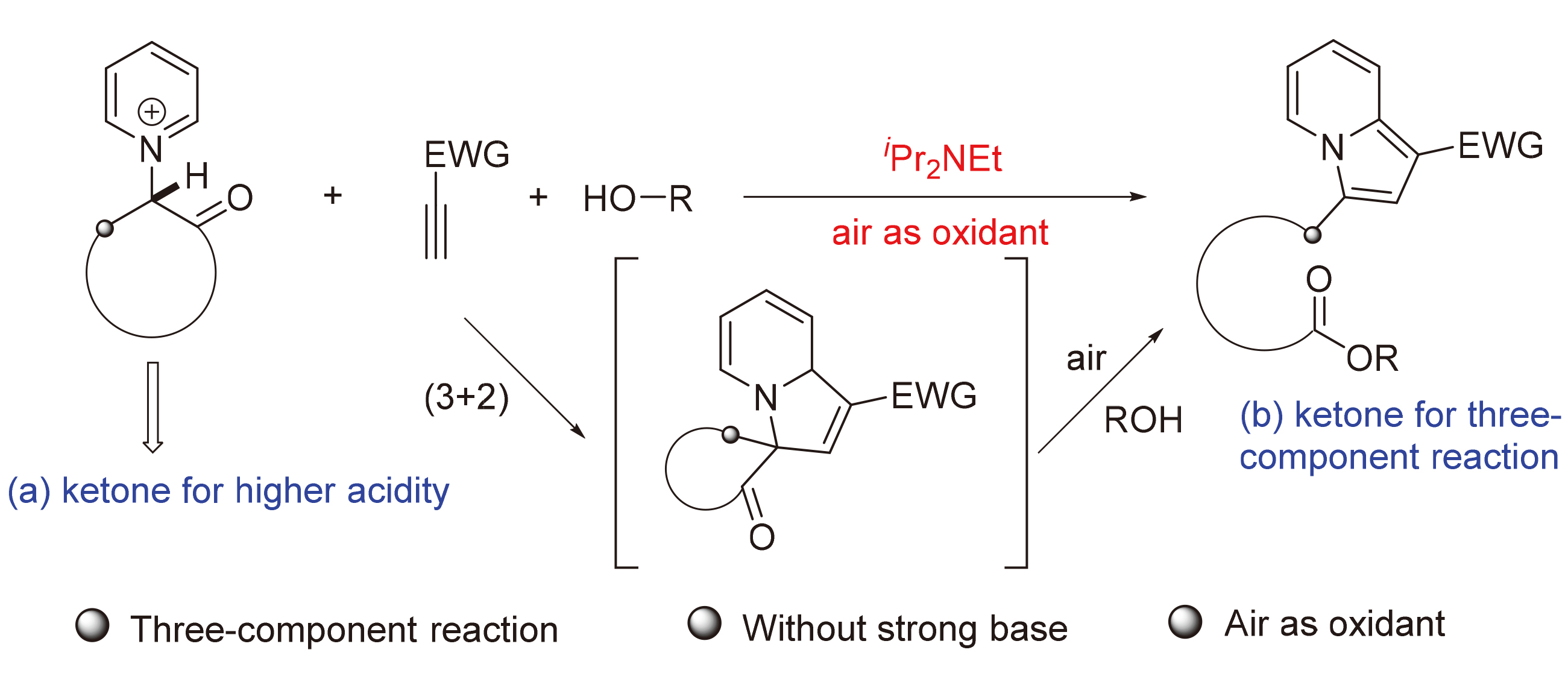
有机化学
2026, 46 (6), pp 2399-2408
DOI: 10.6023/cjoc202602004
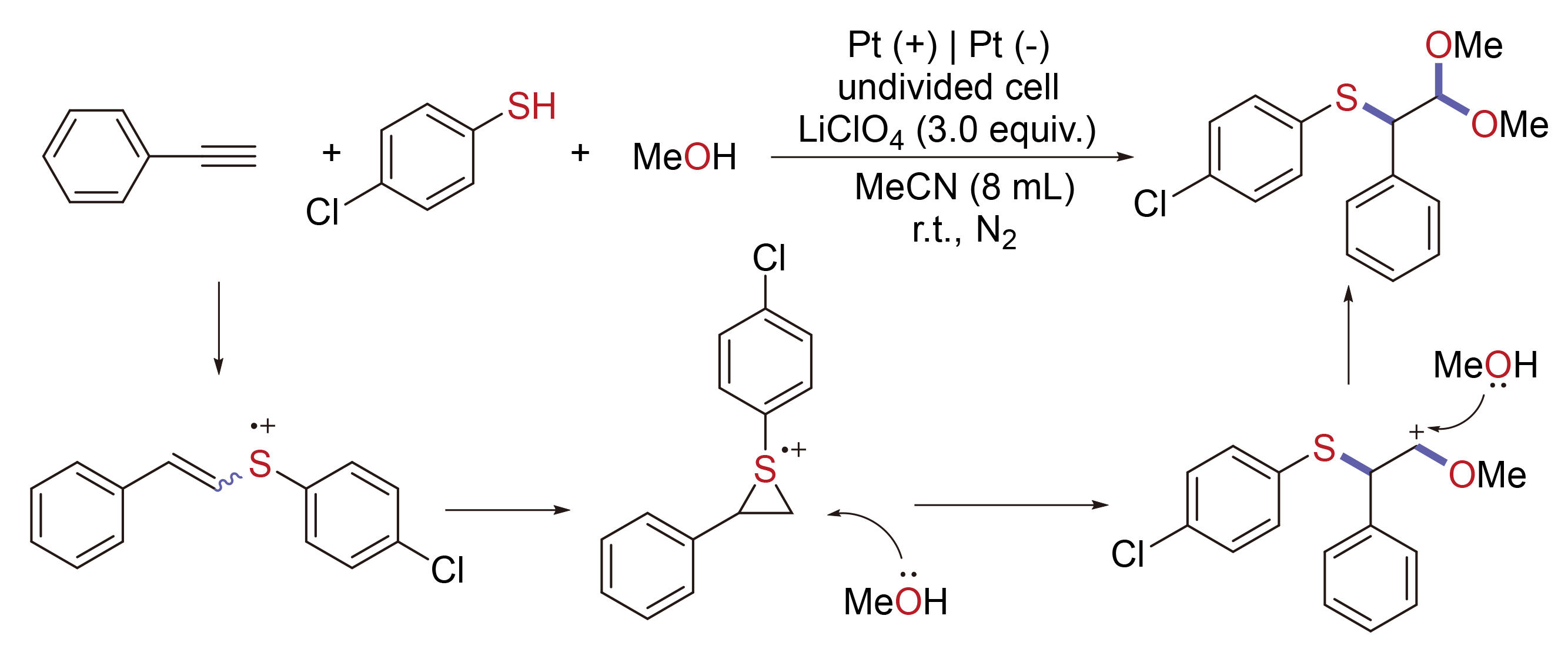
有机化学
2026, 46 (6), pp 2409-2414
DOI: 10.6023/cjoc202601038
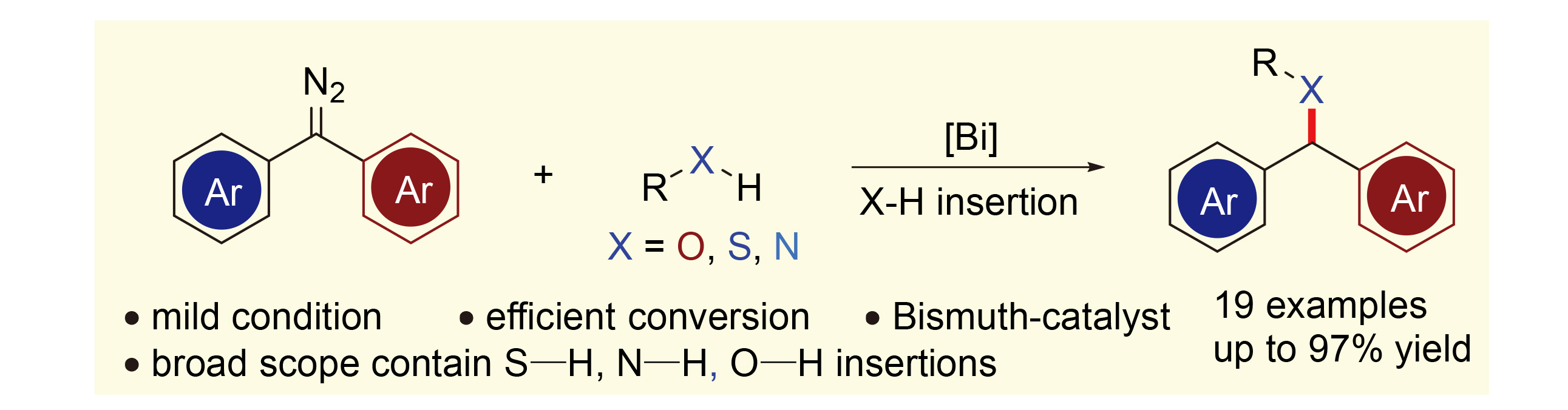
有机化学
2026, 46 (6), pp 2415-2422
DOI: 10.6023/cjoc202601001
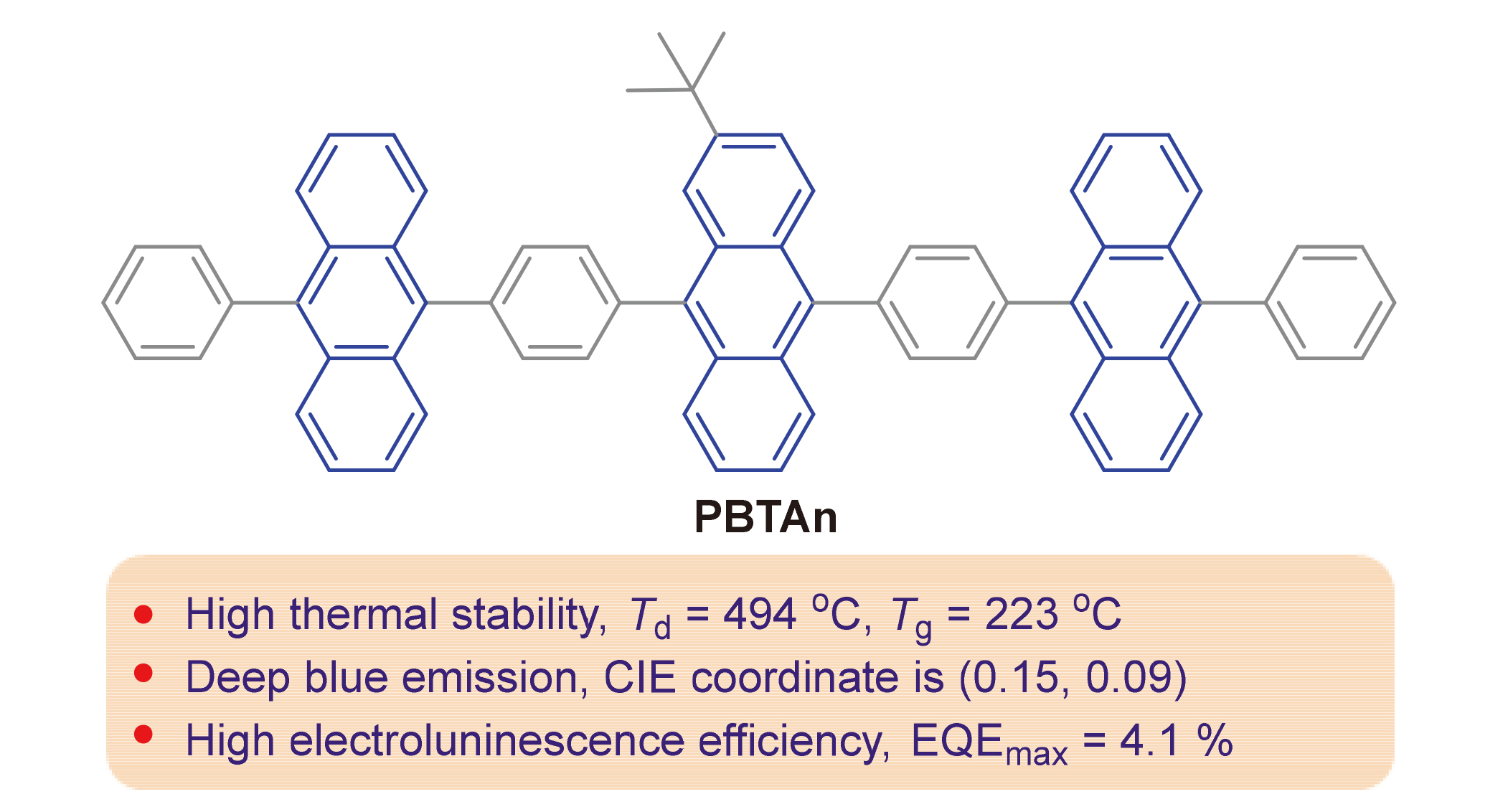
有机化学
2026, 46 (6), pp 2423-2430
DOI: 10.6023/cjoc202512039
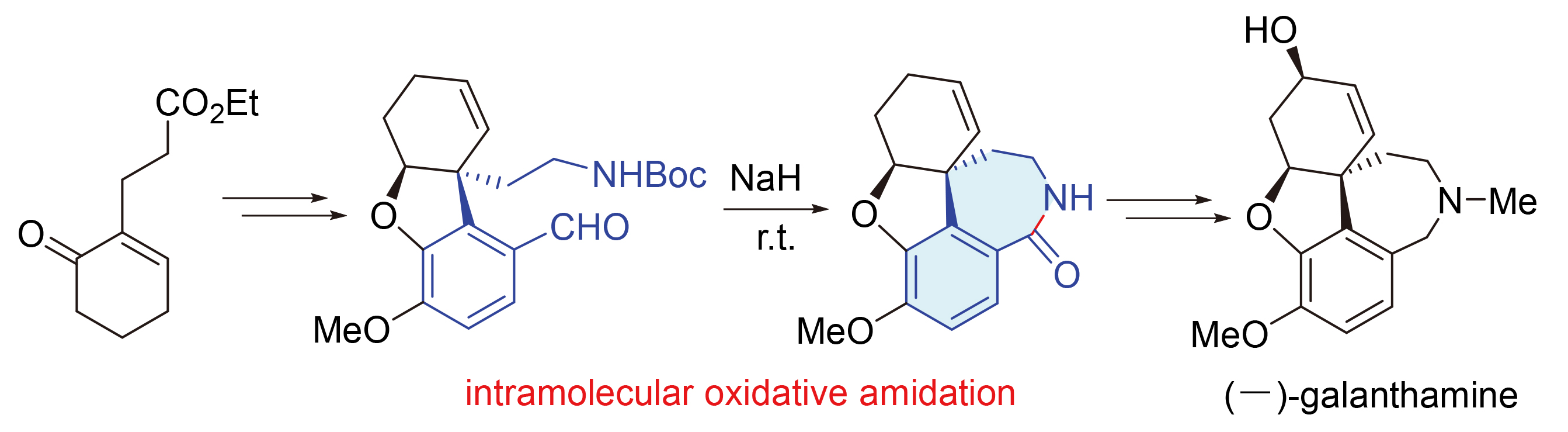
有机化学
2026, 46 (6), pp 2431-2441
DOI: 10.6023/cjoc202603004
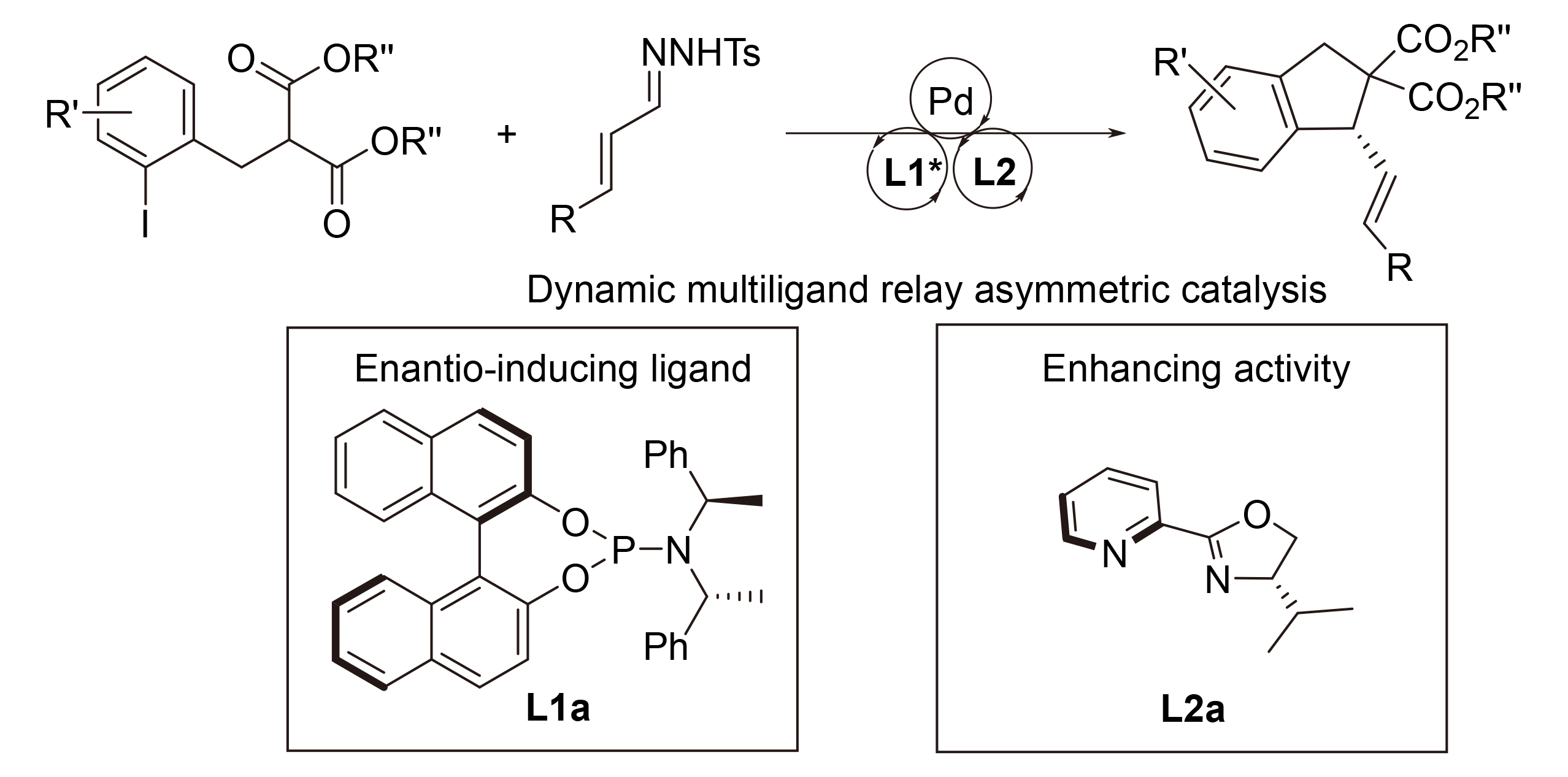
有机化学
2026, 46 (6), pp 2442-2449
DOI: 10.6023/cjoc202510016
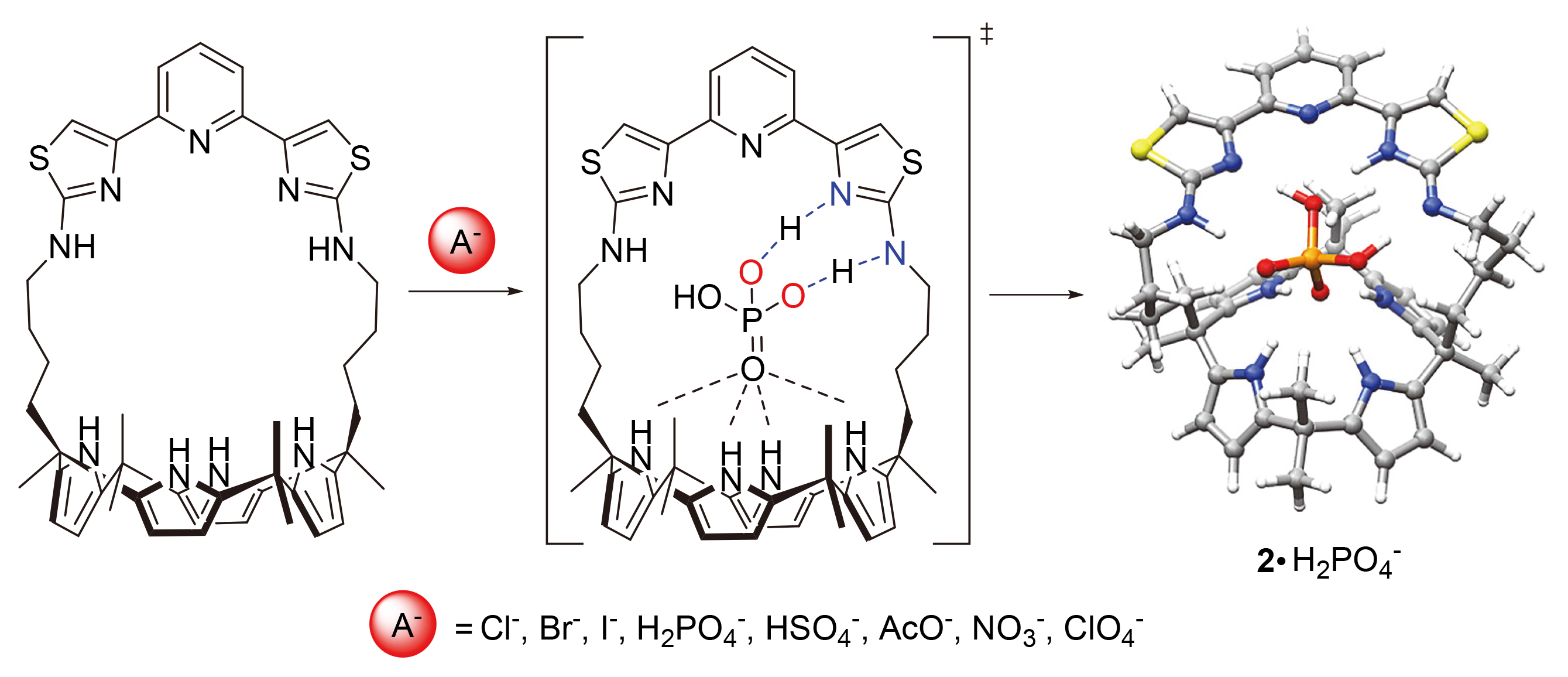
有机化学
2026, 46 (6), pp 2450-2457
DOI: 10.6023/cjoc202512037
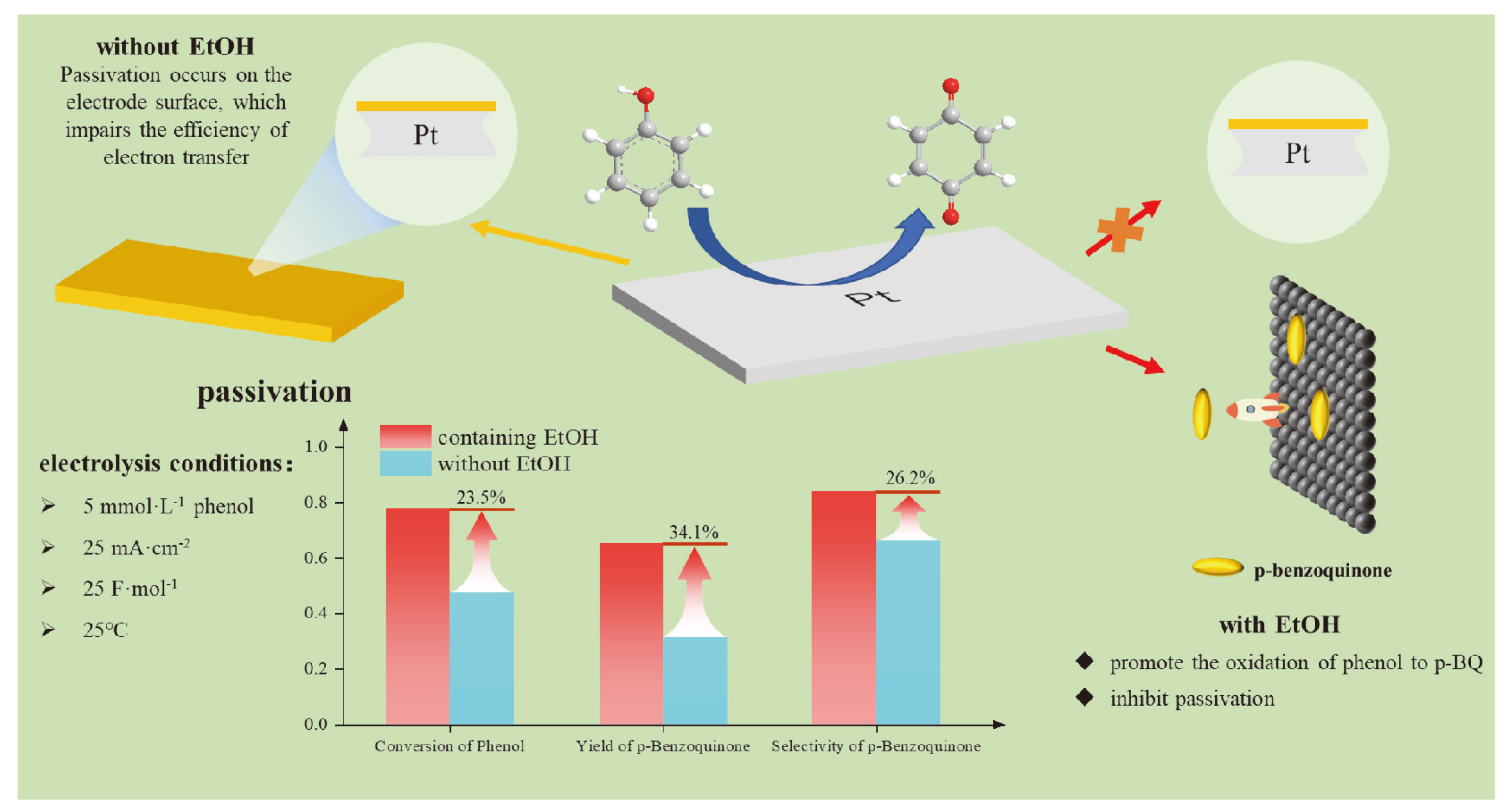
有机化学
2026, 46 (6), pp 2458-2463
DOI: 10.6023/cjoc202512030
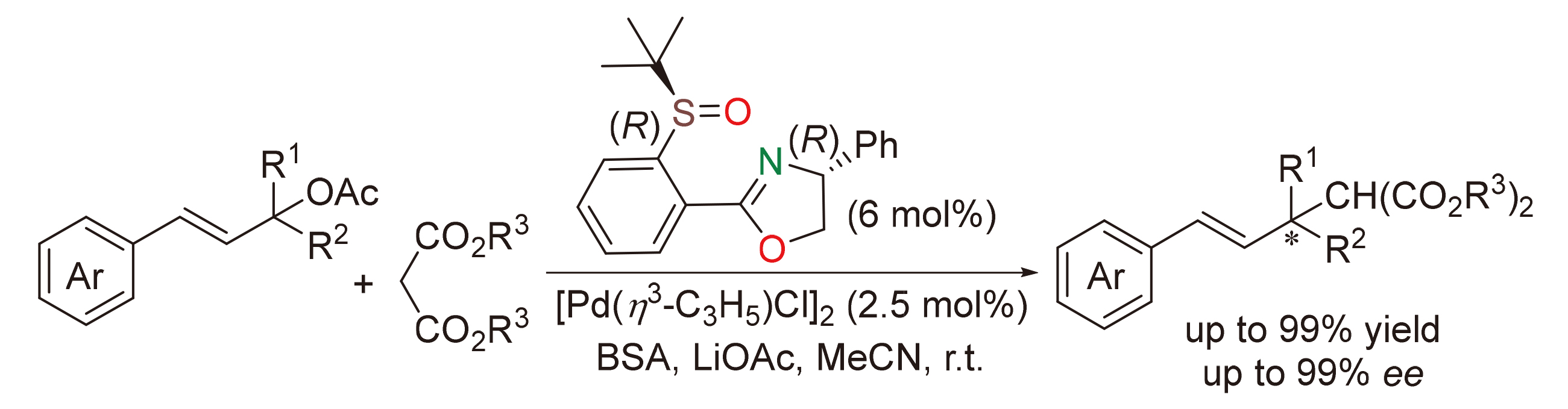
有机化学
2026, 46 (6), pp 2464-2473
DOI: 10.6023/cjoc202601022
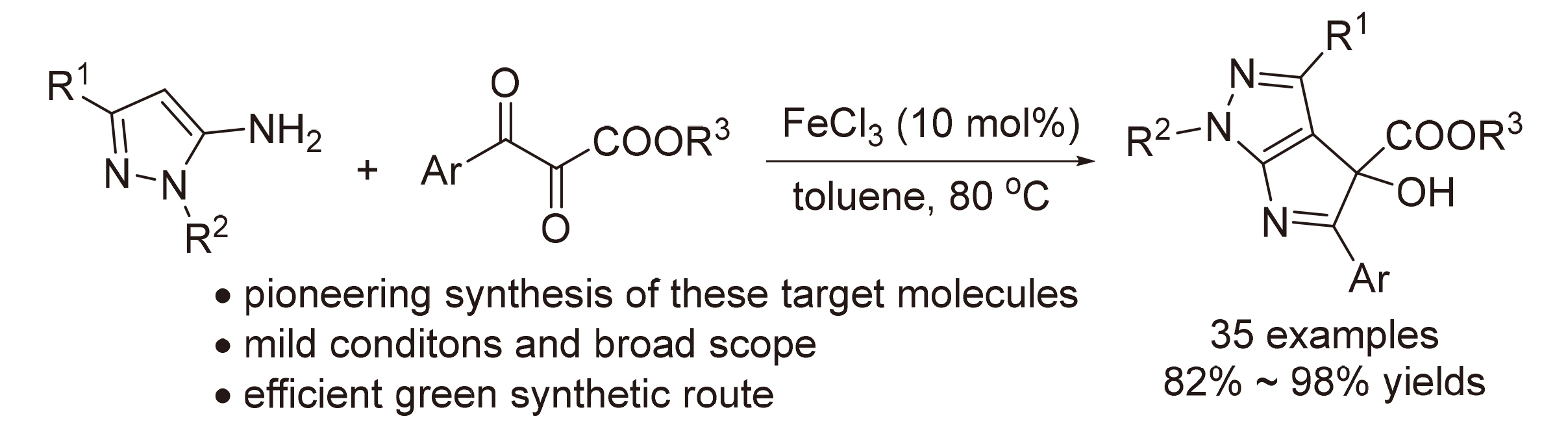
有机化学
2026, 46 (6), pp 2474-2481
DOI: 10.6023/cjoc202511007
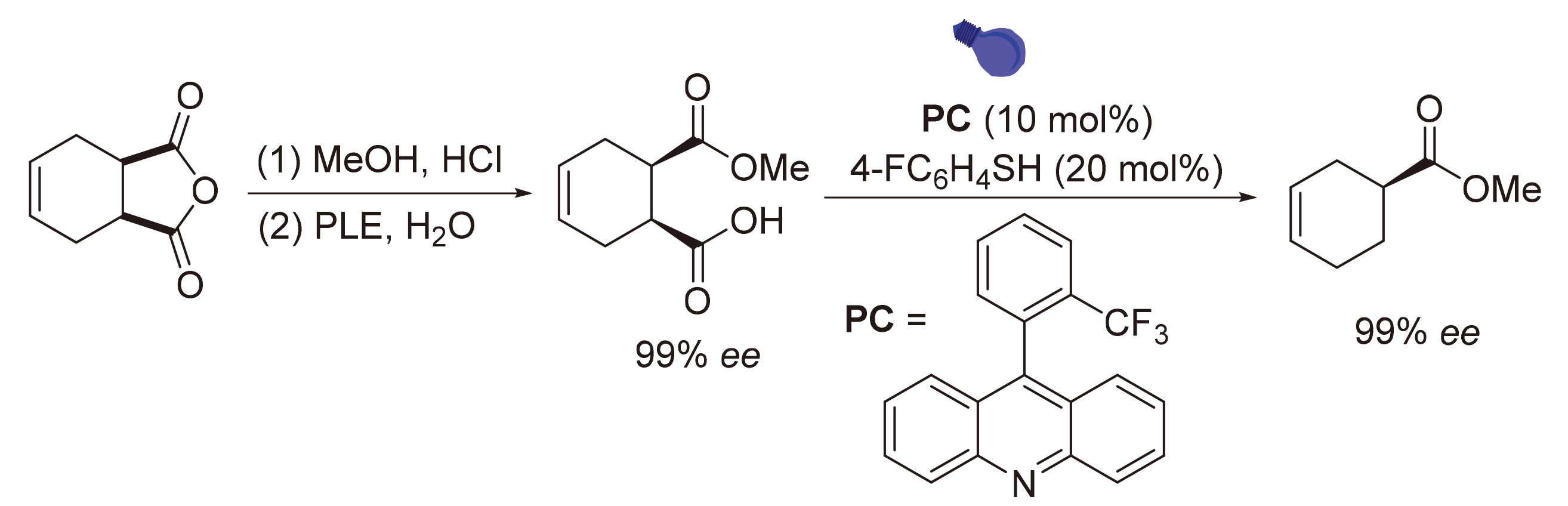
研究简报
有机化学
2026, 46 (6), pp 2482-2486
DOI: 10.6023/cjoc202511024
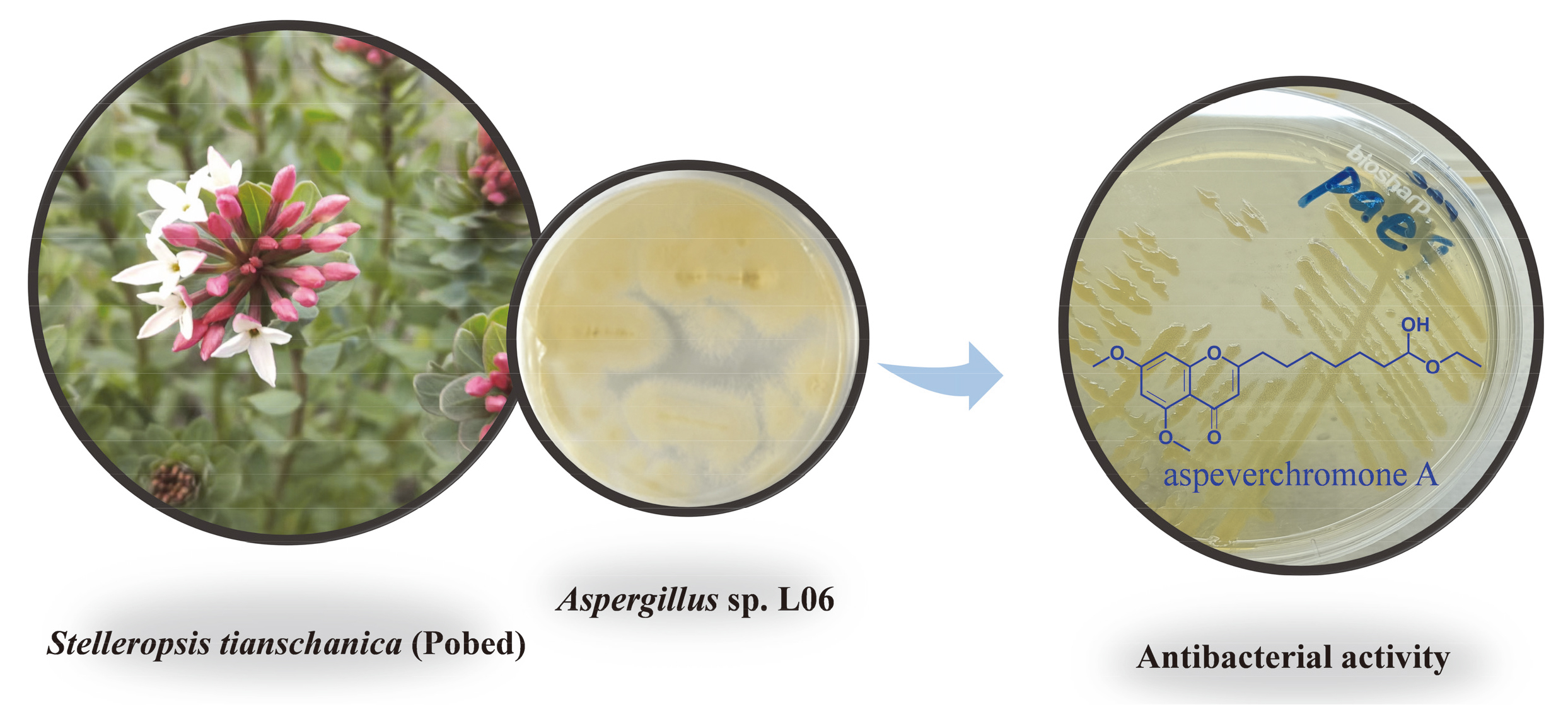
亮点述评
有机化学
2026, 46 (6), pp 2487-2489
DOI: 10.6023/cjoc202600010
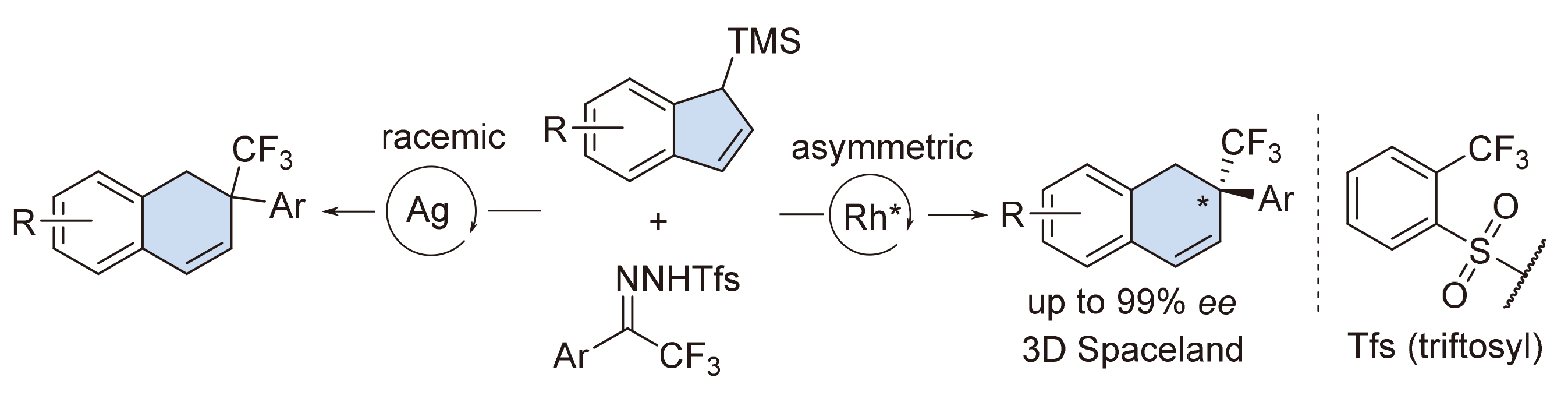
有机化学
2026, 46 (6), pp 2490-2491
DOI: 10.6023/cjoc202600011