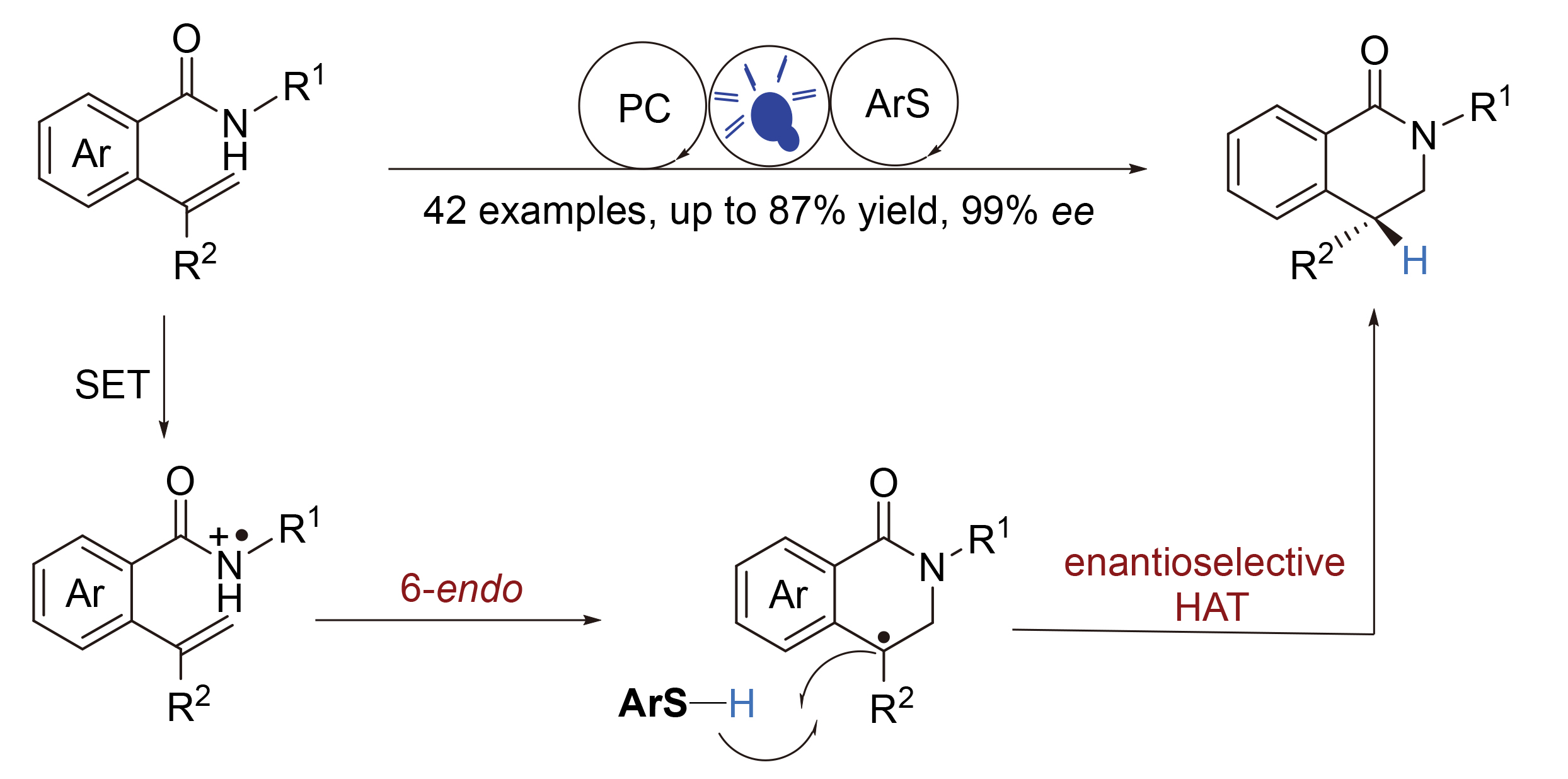
-
-
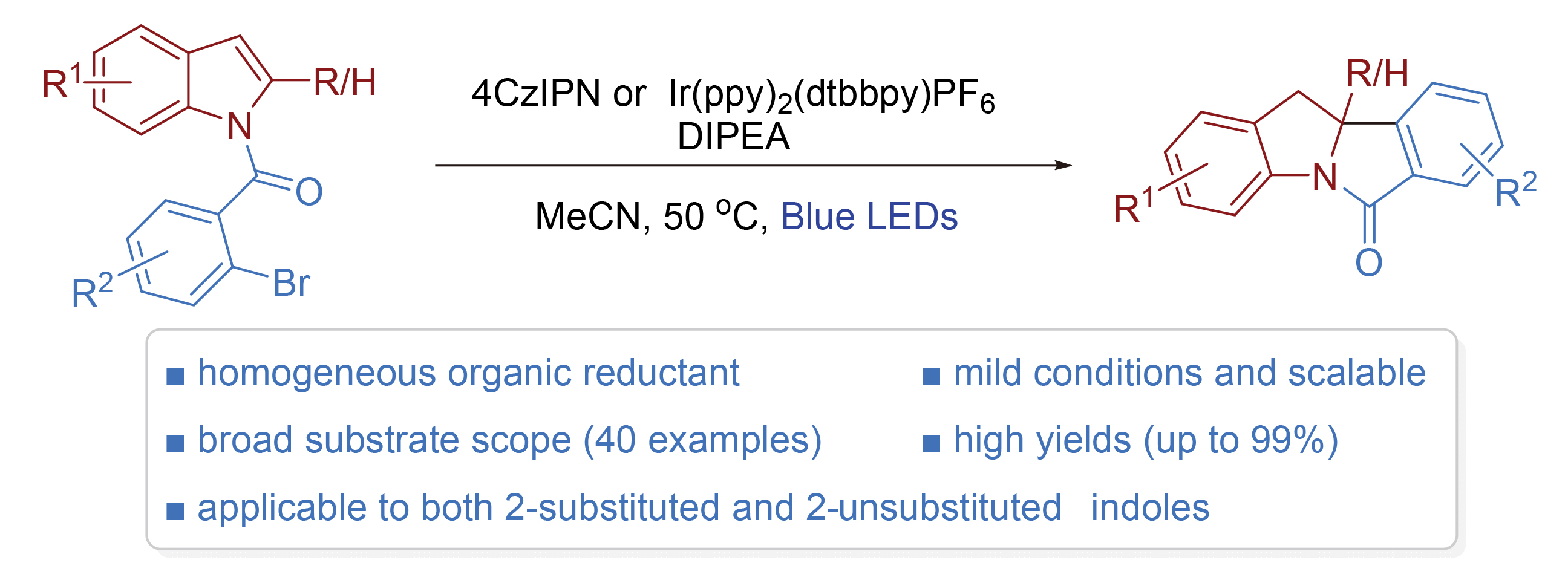
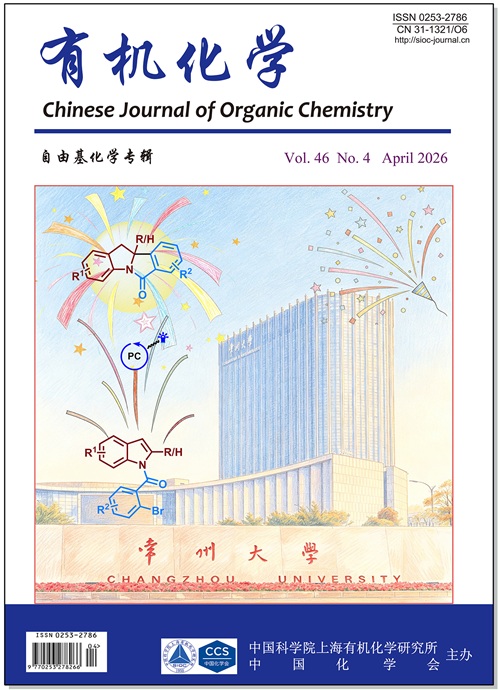 About the Cover:A radical reductive dearomatization of indoles is re-ported by Yang, Li, Bai, Zhang and Shi on page 1699. Under photoredox catalysis, the reaction employs N,N-diiso- propylethylamine (DIPEA) as an organic reductant and proceeds under mild conditions. Both 2-substituted and 2-unsubstituted indoles are well tol-erated, affording a series of structurally diverse func-tionalized indoline derivatives.
 -
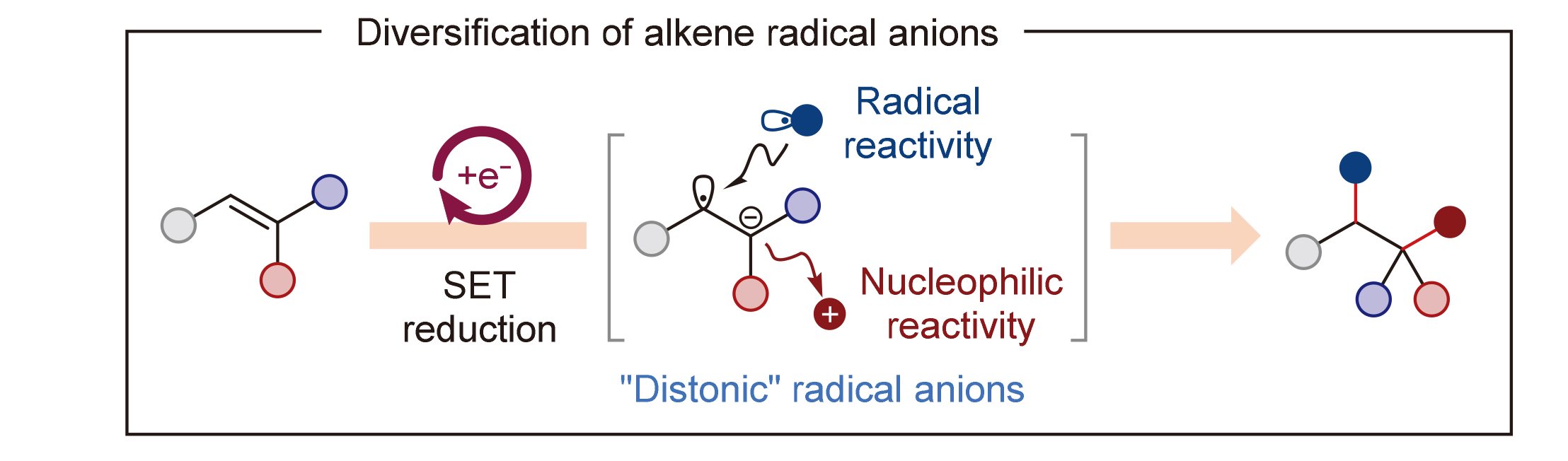
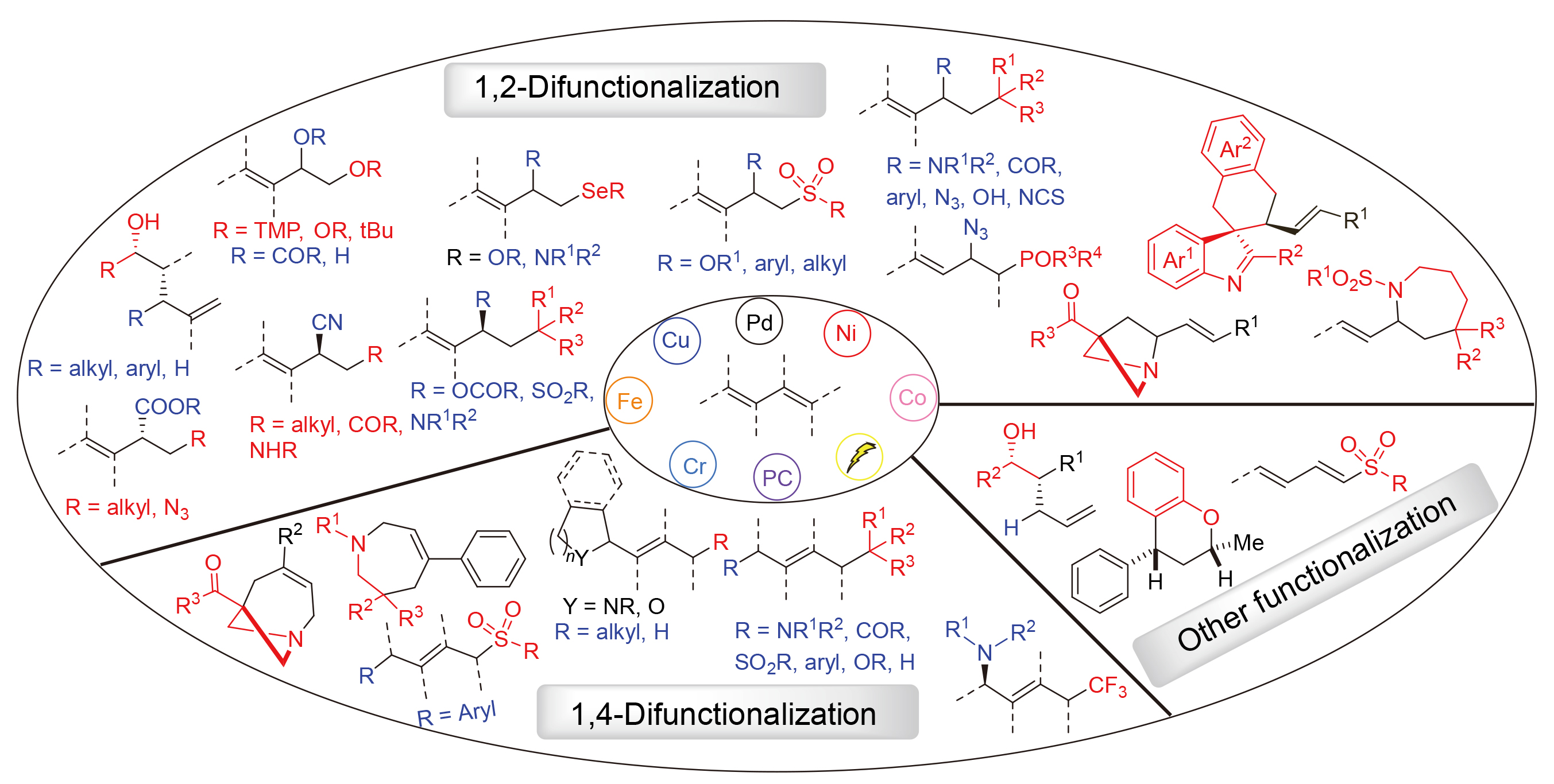
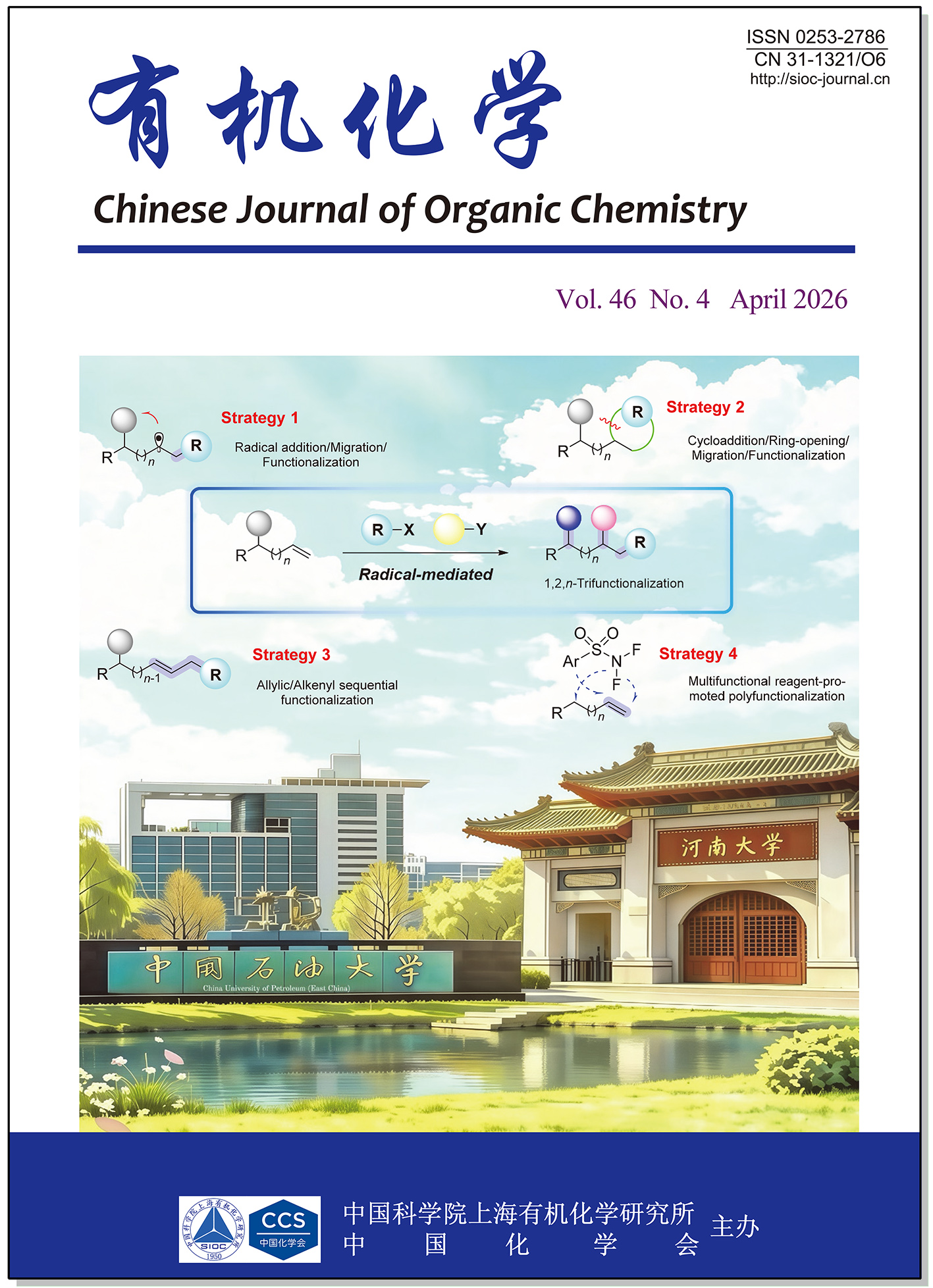 About the Cover:Four types of radical-mediated 1,2,n-trifunctionalization strategies of olefins, namely radical addition/migration/ functionalization, cycload-dition/ring-opening/migration/ functionalization, al-lylic/alkenyl sequential functionalization, and multi-functional reagent-promoted polyfunctionalization, are reviewed by Lu, Qi, Zhang, Jin, Cao and Zhang on page 1540. This review analyzes the challenges of these reactions and outlines future development directions, providing a systematic reference for the efficient syn-thesis of complex molecules and the development of green organic chemistry.
 -
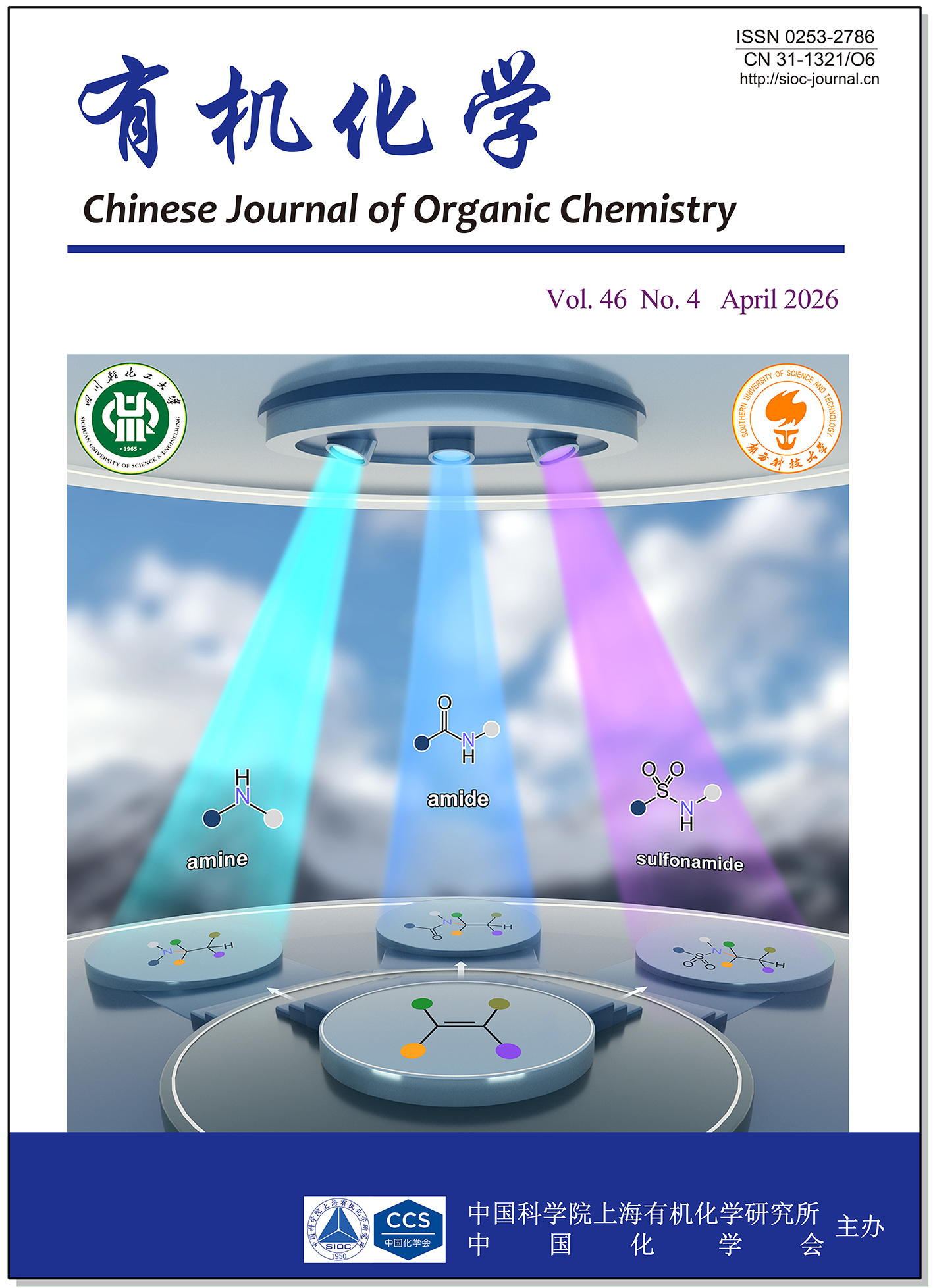 About the Cover:Visible-light-catalyzed hydroamination, hydroami-dation, and hydrosulfonamidation of alkenes are re-viewed by Zhang, Jia, Yu, Wu, Li, and Shu on page 1166. This review summarizes recent advances in the direct coupling of readily available alkenes with various nitrogen sources under mild visible-light irradiation. Particular emphasis is focused on representative cata-lytic modes involving single-electron transfer, pro-ton-coupled electron transfer, and hydrogen atom transfer pathways, as well as their selectivity control and substrate scope.
 -
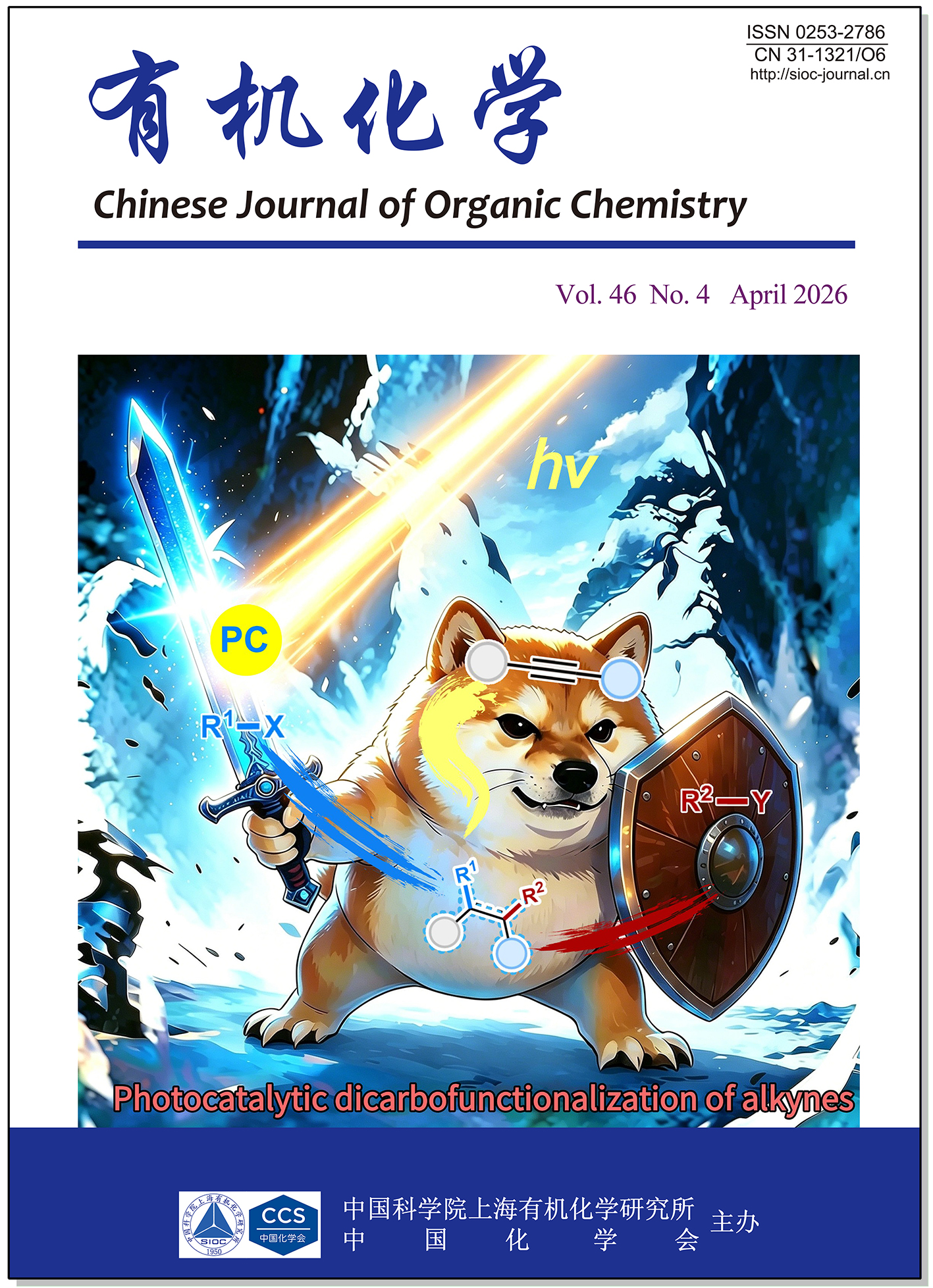 About the Cover:Photoredox-catalyzed dicarbofunctionalization of alky- nes has become a cutting-edge research area in organic synthesis. The latest advances in this field are reviewed by Ye, and Yuan on page 1146, with an em-phasis on substrate scope, reaction mechanisms, selec-tivity control strategies, and synthetic applications, along with a forward-looking perspective on future developments.
-
-
Current Issue
REVIEWS
Chinese Journal of Organic Chemistry
2026, 46 (4), pp 1111-1145
DOI: 10.6023/cjoc202512022
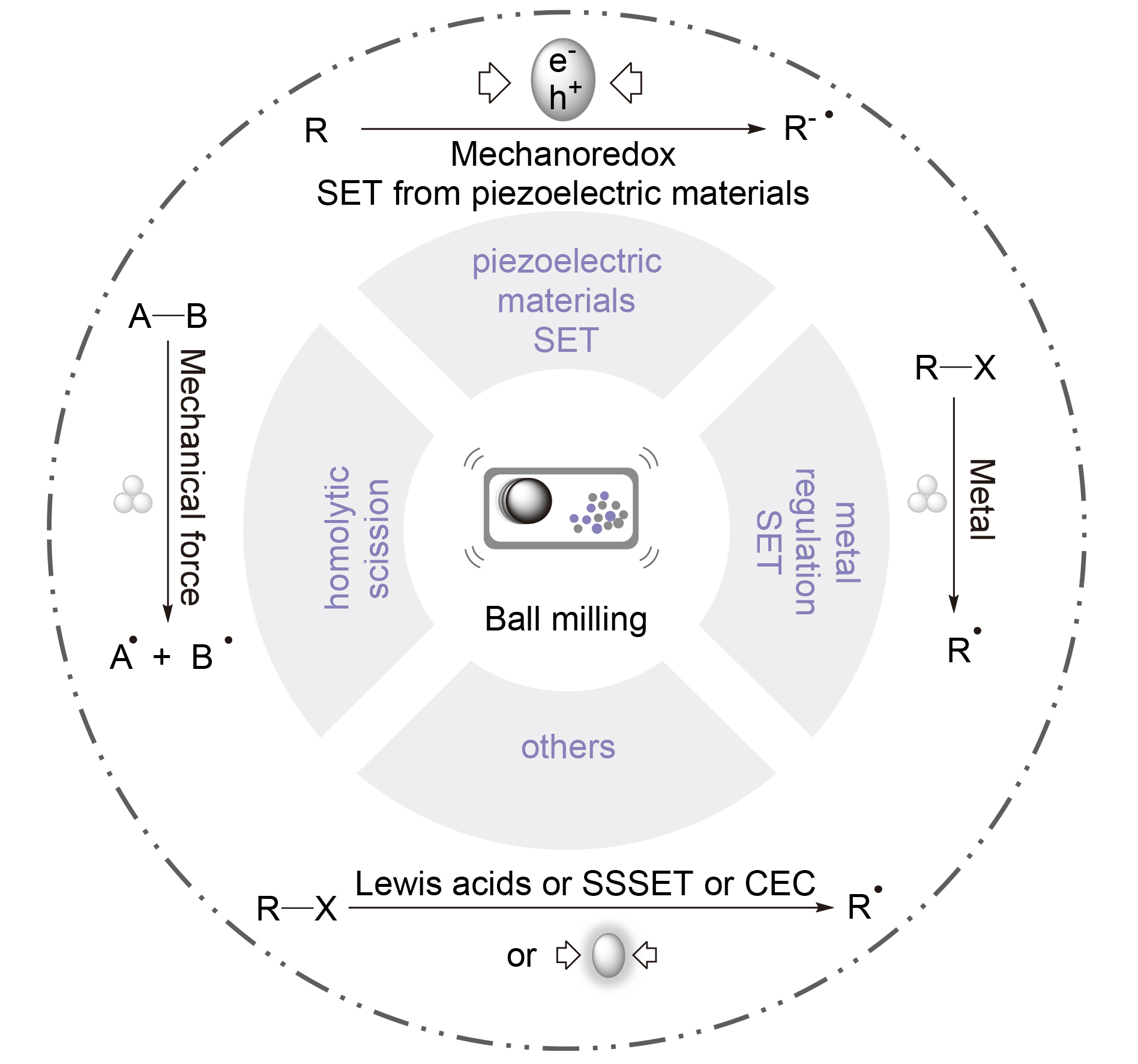
Chinese Journal of Organic Chemistry
2026, 46 (4), pp 1146-1165
DOI: 10.6023/cjoc202512019
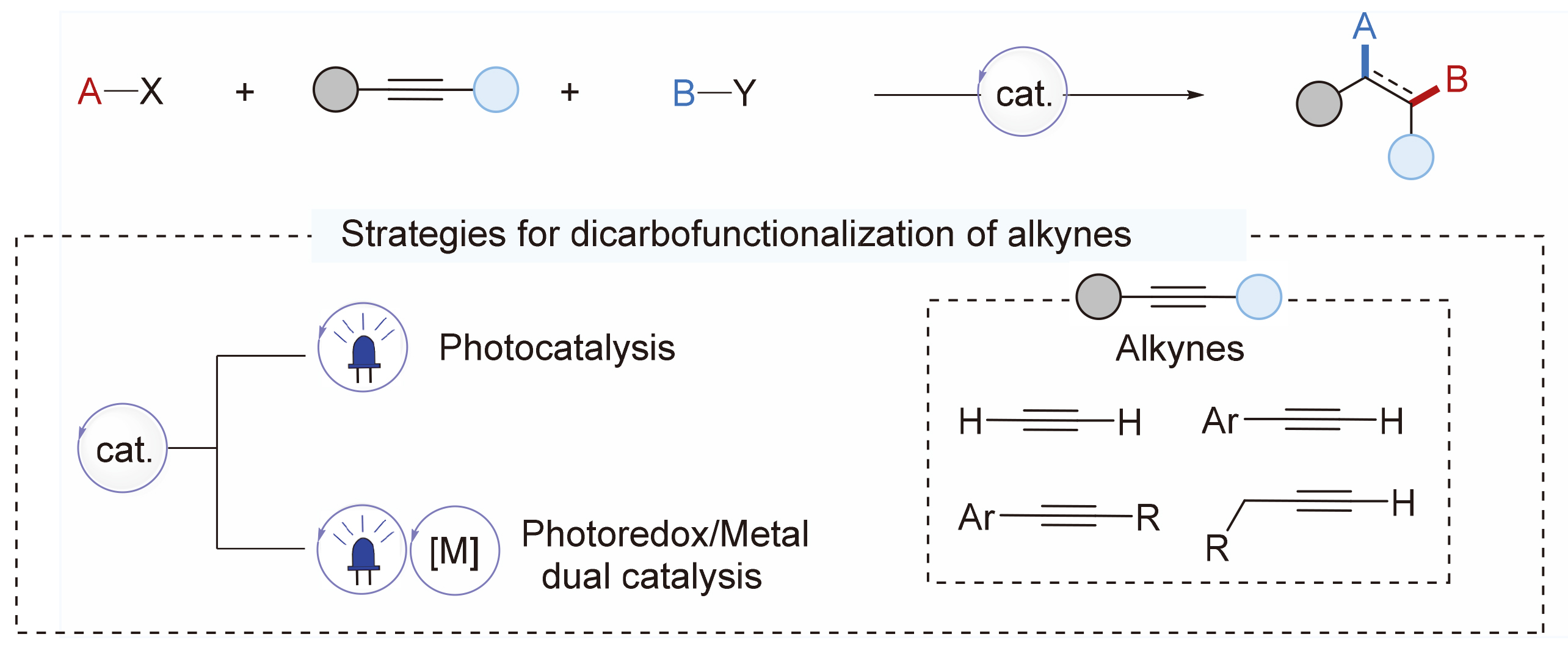
Chinese Journal of Organic Chemistry
2026, 46 (4), pp 1166-1180
DOI: 10.6023/cjoc202511015
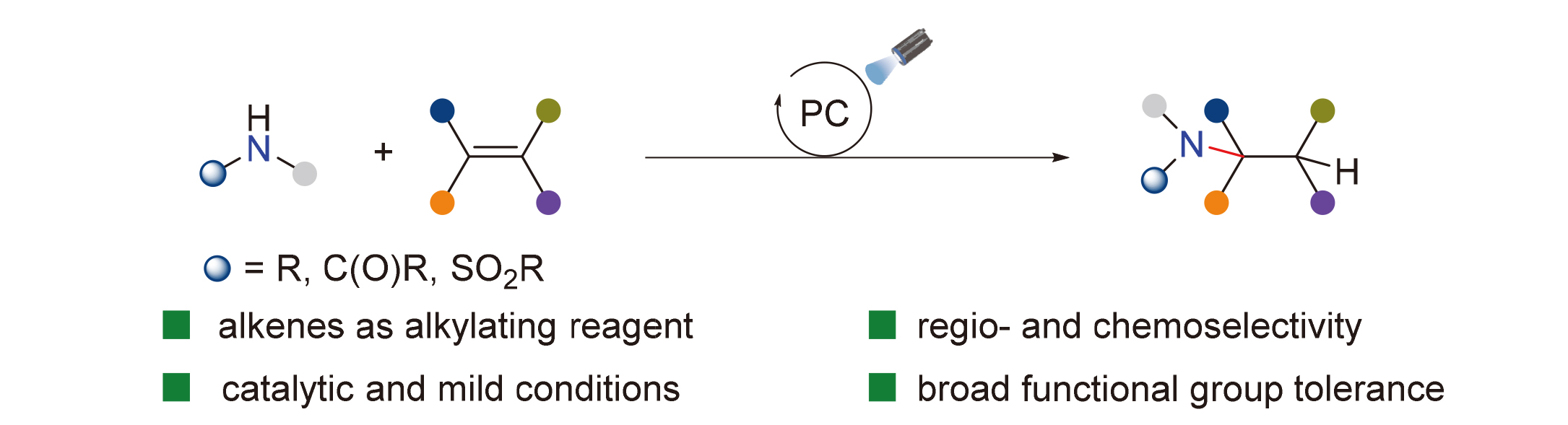
Chinese Journal of Organic Chemistry
2026, 46 (4), pp 1181-1204
DOI: 10.6023/cjoc202603031
Chinese Journal of Organic Chemistry
2026, 46 (4), pp 1205-1221
DOI: 10.6023/cjoc202601016

Chinese Journal of Organic Chemistry
2026, 46 (4), pp 1222-1254
DOI: 10.6023/cjoc202512036
Chinese Journal of Organic Chemistry
2026, 46 (4), pp 1255-1283
DOI: 10.6023/cjoc202601018
Chinese Journal of Organic Chemistry
2026, 46 (4), pp 1284-1302
DOI: 10.6023/cjoc202512041

Chinese Journal of Organic Chemistry
2026, 46 (4), pp 1303-1319
DOI: 10.6023/cjoc202512048
Chinese Journal of Organic Chemistry
2026, 46 (4), pp 1320-1329
DOI: 10.6023/cjoc202601011

Chinese Journal of Organic Chemistry
2026, 46 (4), pp 1330-1359
DOI: 10.6023/cjoc202512029
Chinese Journal of Organic Chemistry
2026, 46 (4), pp 1360-1375
DOI: 10.6023/cjoc202512003
Chinese Journal of Organic Chemistry
2026, 46 (4), pp 1376-1389
DOI: 10.6023/cjoc202512047
Chinese Journal of Organic Chemistry
2026, 46 (4), pp 1390-1427
DOI: 10.6023/cjoc202601040
Chinese Journal of Organic Chemistry
2026, 46 (4), pp 1428-1439
DOI: 10.6023/cjoc202512032
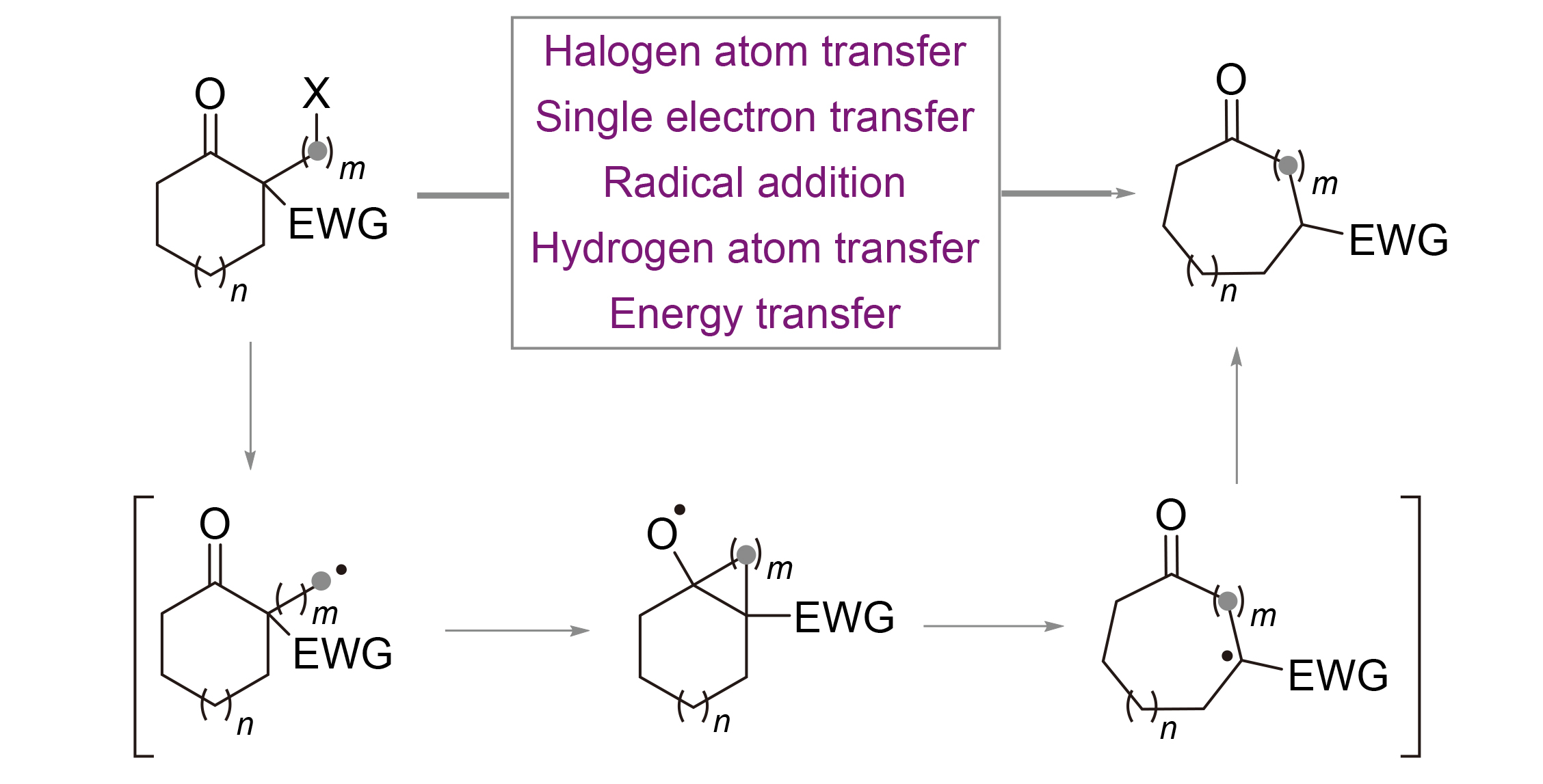
Chinese Journal of Organic Chemistry
2026, 46 (4), pp 1440-1463
DOI: 10.6023/cjoc202512049
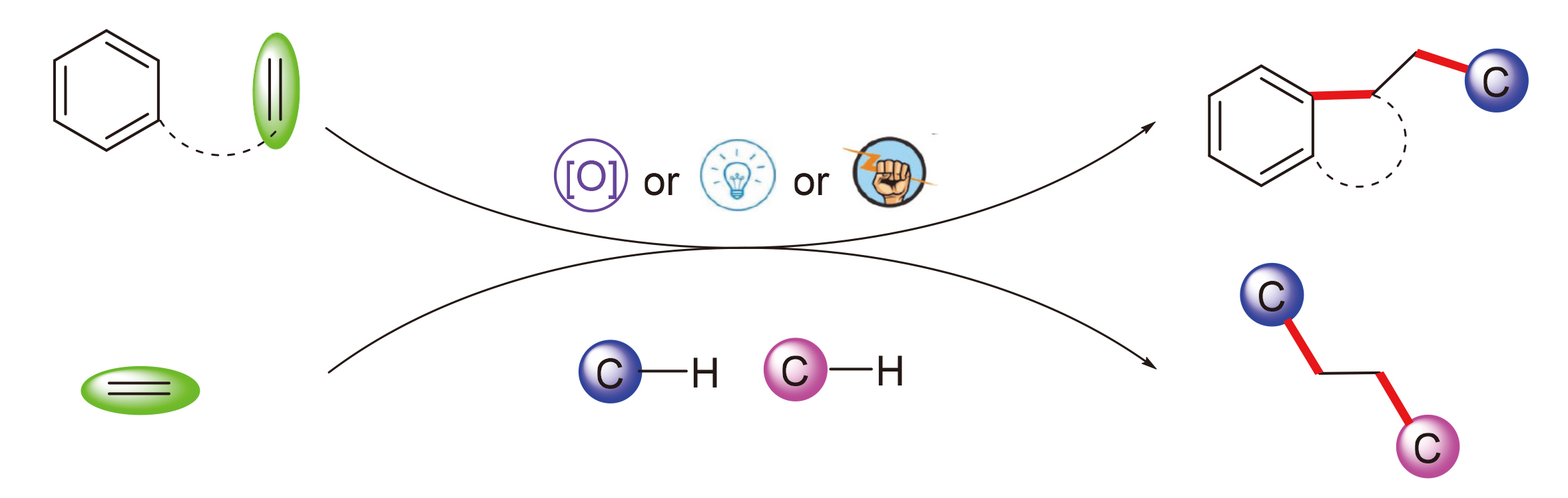
Chinese Journal of Organic Chemistry
2026, 46 (4), pp 1464-1480
DOI: 10.6023/cjoc202512007
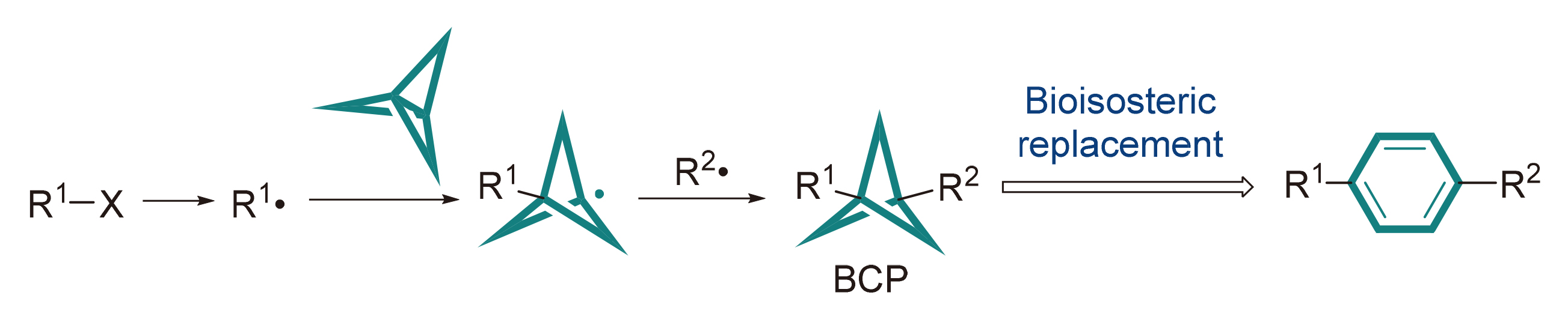
Chinese Journal of Organic Chemistry
2026, 46 (4), pp 1481-1495
DOI: 10.6023/cjoc202512018
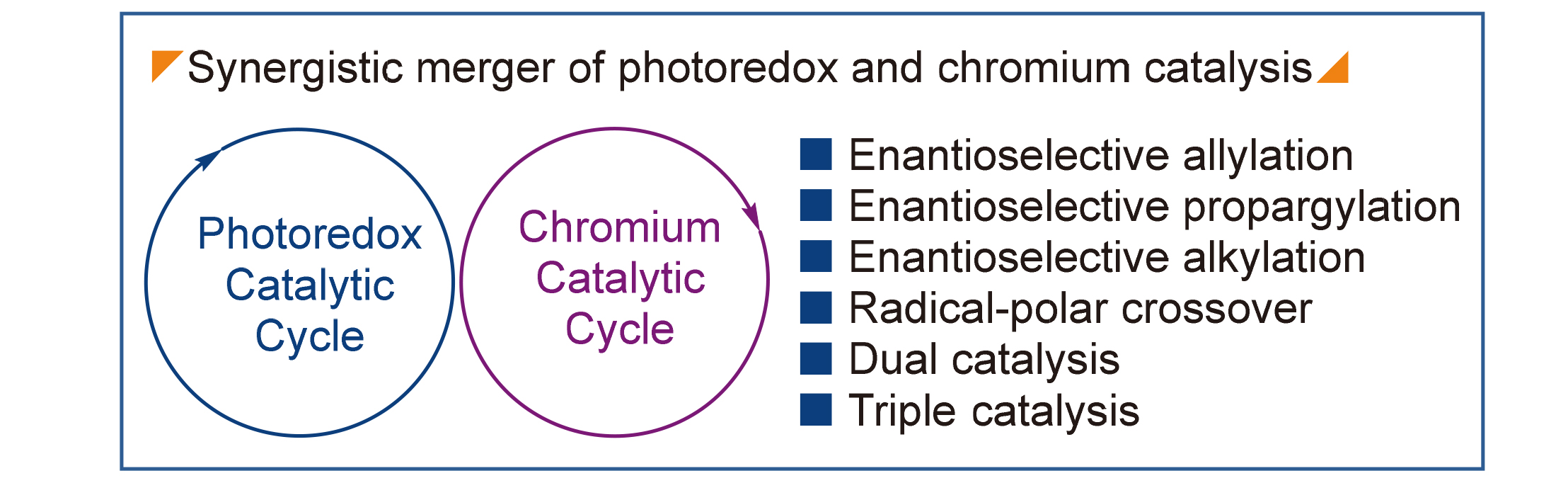
Chinese Journal of Organic Chemistry
2026, 46 (4), pp 1496-1512
DOI: 10.6023/cjoc202512028
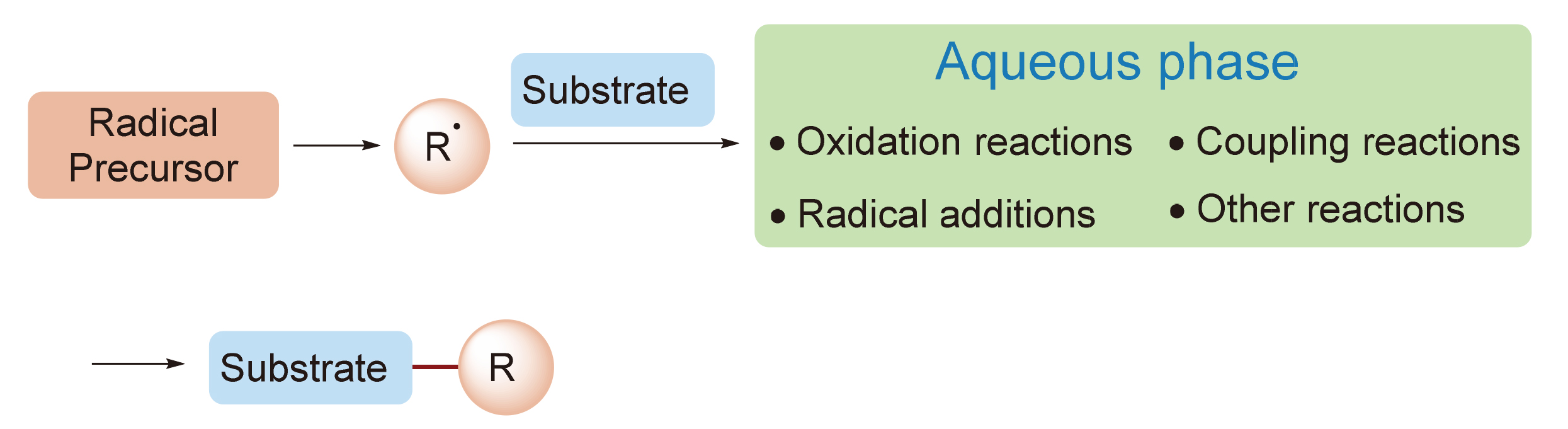
Chinese Journal of Organic Chemistry
2026, 46 (4), pp 1513-1528
DOI: 10.6023/cjoc202512031
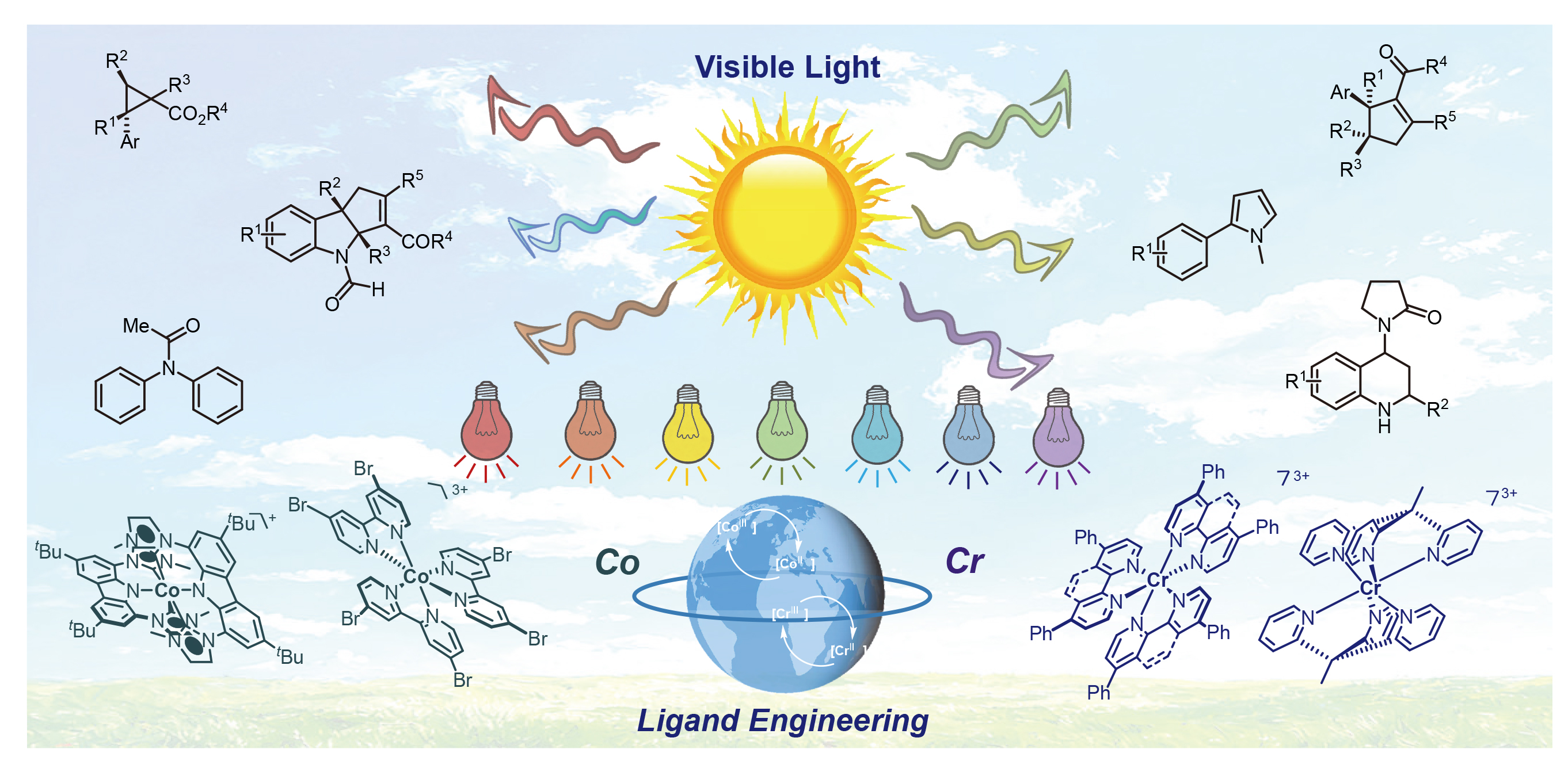
Chinese Journal of Organic Chemistry
2026, 46 (4), pp 1529-1539
DOI: 10.6023/cjoc202512042
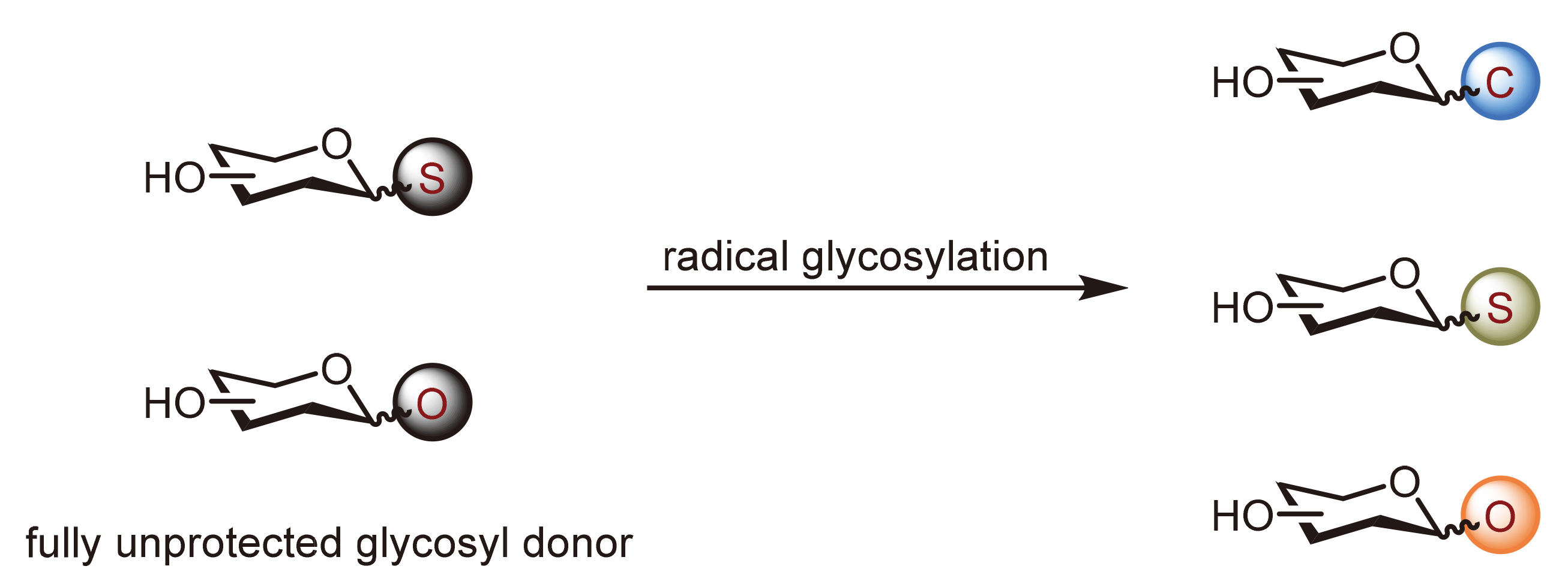
Chinese Journal of Organic Chemistry
2026, 46 (4), pp 1540-1559
DOI: 10.6023/cjoc202512033
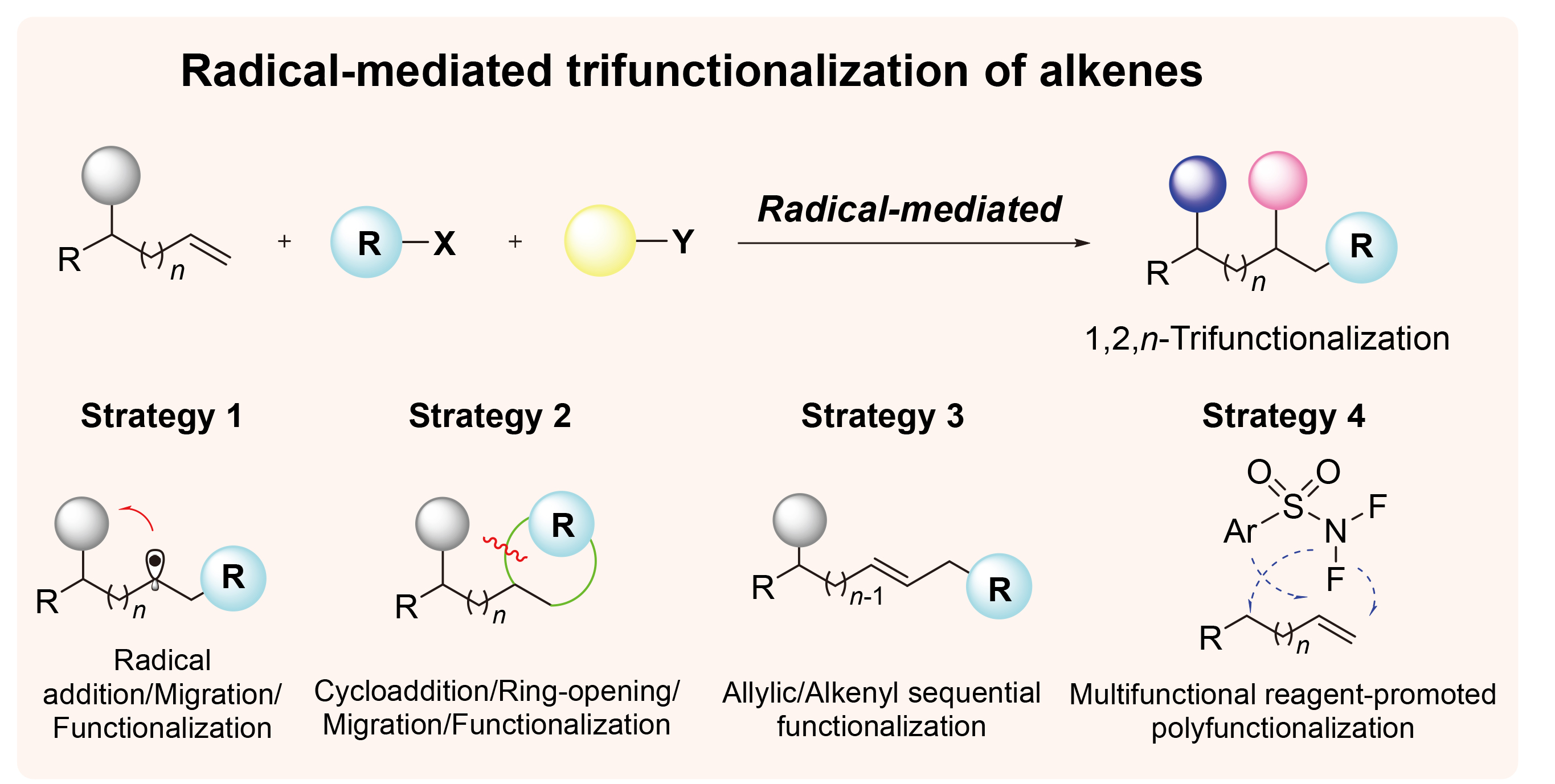
Chinese Journal of Organic Chemistry
2026, 46 (4), pp 1560-1571
DOI: 10.6023/cjoc202512013
Chinese Journal of Organic Chemistry
2026, 46 (4), pp 1572-1602
DOI: 10.6023/cjoc202511018

Chinese Journal of Organic Chemistry
2026, 46 (4), pp 1603-1620
DOI: 10.6023/cjoc202510017
Chinese Journal of Organic Chemistry
2026, 46 (4), pp 1621-1634
DOI: 10.6023/cjoc202510020
Chinese Journal of Organic Chemistry
2026, 46 (4), pp 1635-1658
DOI: 10.6023/cjoc202510008
ARTICLES
Chinese Journal of Organic Chemistry
2026, 46 (4), pp 1659-1667
DOI: 10.6023/cjoc202601014
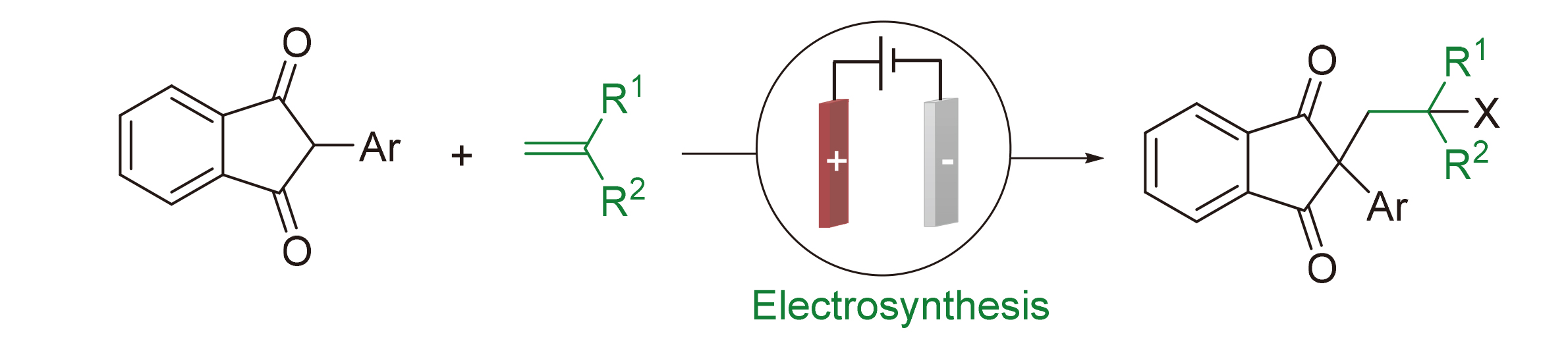
Chinese Journal of Organic Chemistry
2026, 46 (4), pp 1668-1676
DOI: 10.6023/cjoc202601030
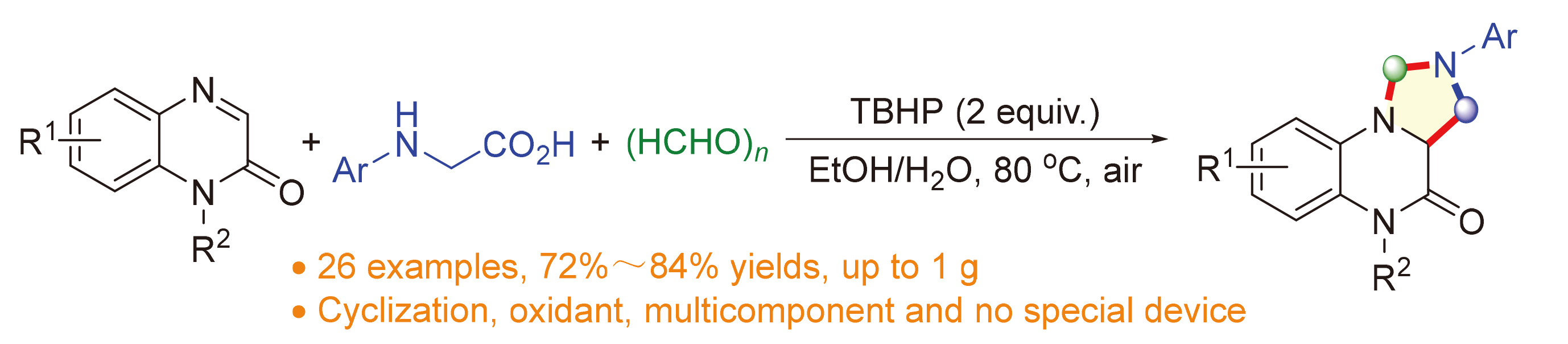
Chinese Journal of Organic Chemistry
2026, 46 (4), pp 1677-1684
DOI: 10.6023/cjoc202512046
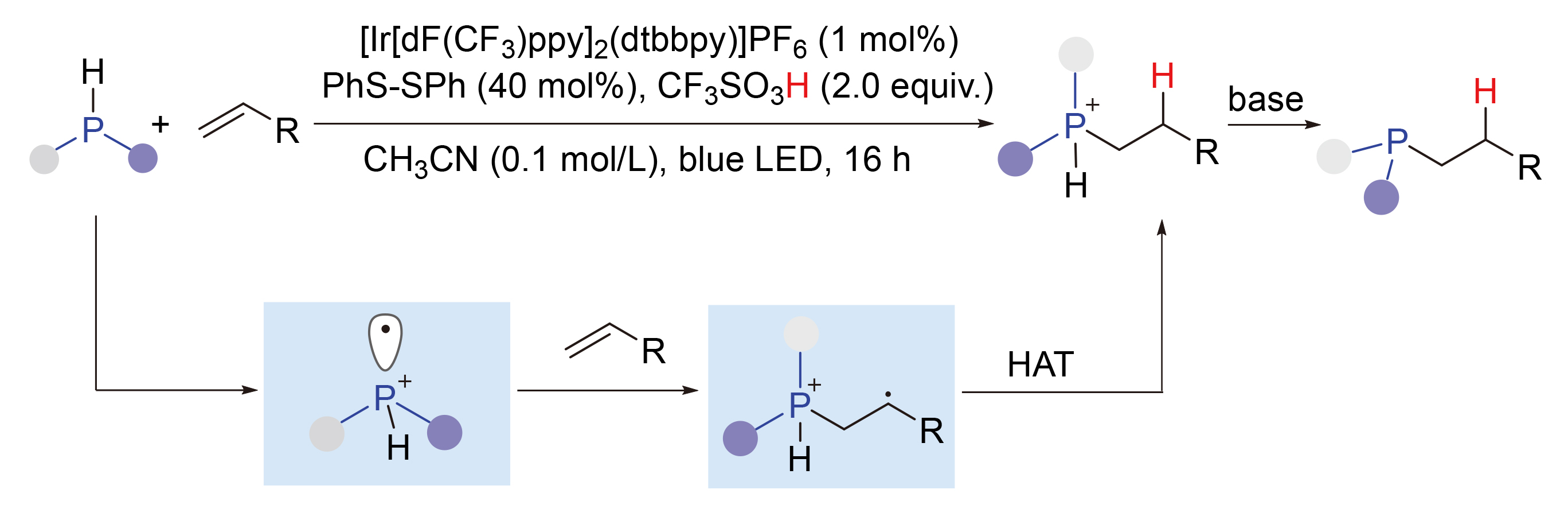
Chinese Journal of Organic Chemistry
2026, 46 (4), pp 1685-1698
DOI: 10.6023/cjoc202601003
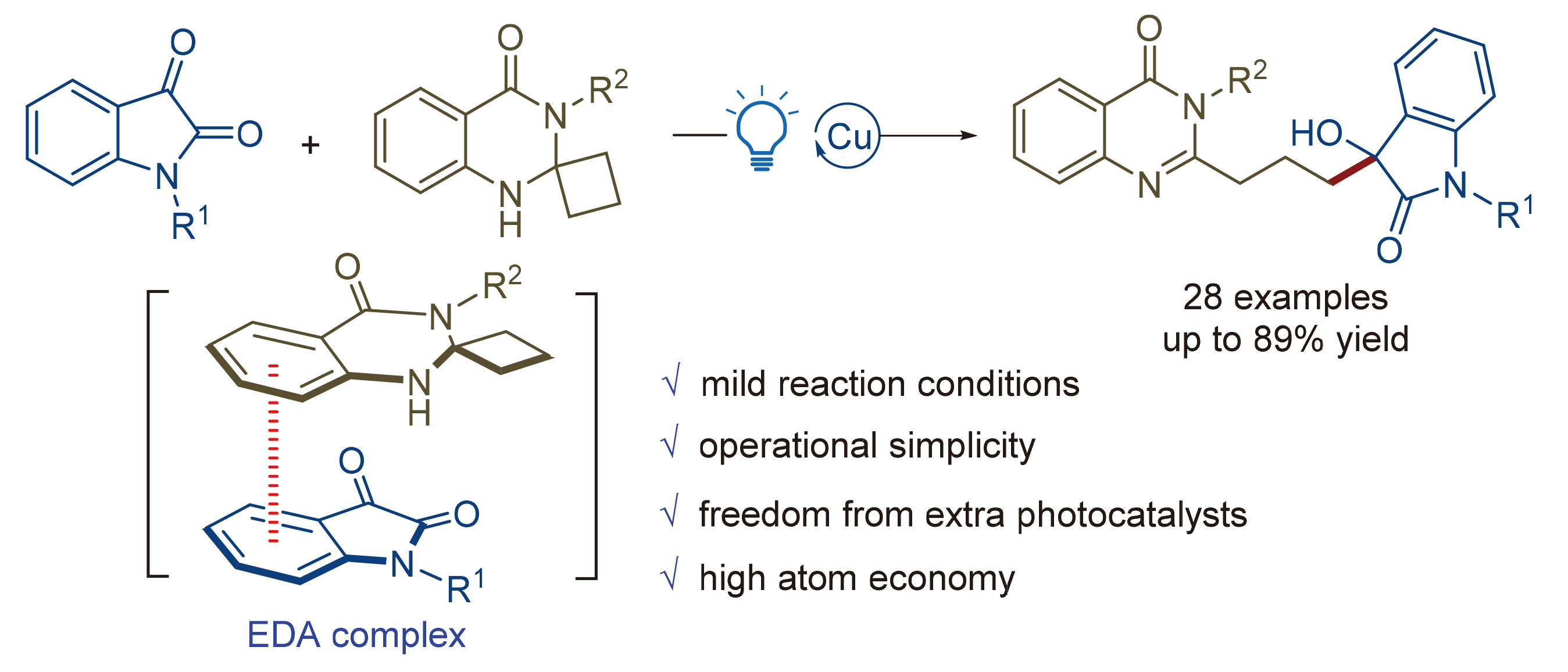
Chinese Journal of Organic Chemistry
2026, 46 (4), pp 1699-1712
DOI: 10.6023/cjoc202512044
Chinese Journal of Organic Chemistry
2026, 46 (4), pp 1713-1721
DOI: 10.6023/cjoc202512011
Chinese Journal of Organic Chemistry
2026, 46 (4), pp 1722-1729
DOI: 10.6023/cjoc202512043
Chinese Journal of Organic Chemistry
2026, 46 (4), pp 1730-1738
DOI: 10.6023/cjoc202512050

Chinese Journal of Organic Chemistry
2026, 46 (4), pp 1739-1749
DOI: 10.6023/cjoc202512005
Chinese Journal of Organic Chemistry
2026, 46 (4), pp 1750-1762
DOI: 10.6023/cjoc202510009
Chinese Journal of Organic Chemistry
2026, 46 (4), pp 1763-1775
DOI: 10.6023/cjoc202509014
Chinese Journal of Organic Chemistry
2026, 46 (4), pp 1776-1787
DOI: 10.6023/cjoc202509032
HIGHLIGHTS
Chinese Journal of Organic Chemistry
2026, 46 (4), pp 1788-1790
DOI: 10.6023/cjoc202600006
Chinese Journal of Organic Chemistry
2026, 46 (4), pp 1791-1793
DOI: 10.6023/cjoc202600007